From this hub, you can also explore:
Metal wallets: mechanism, material and cost, decided before tooling
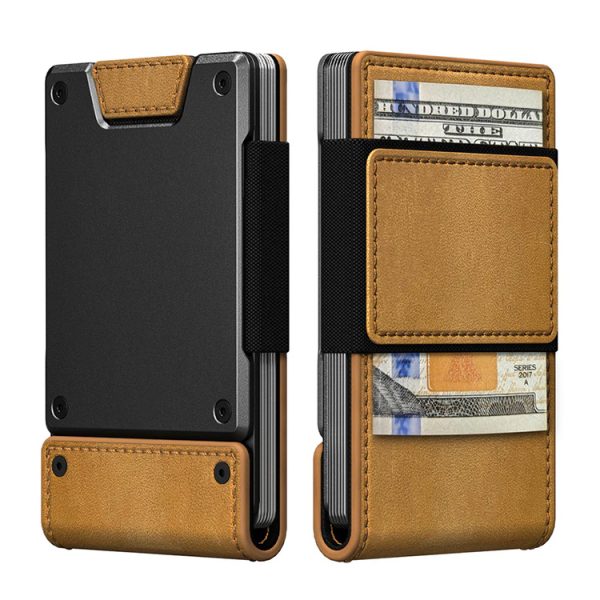
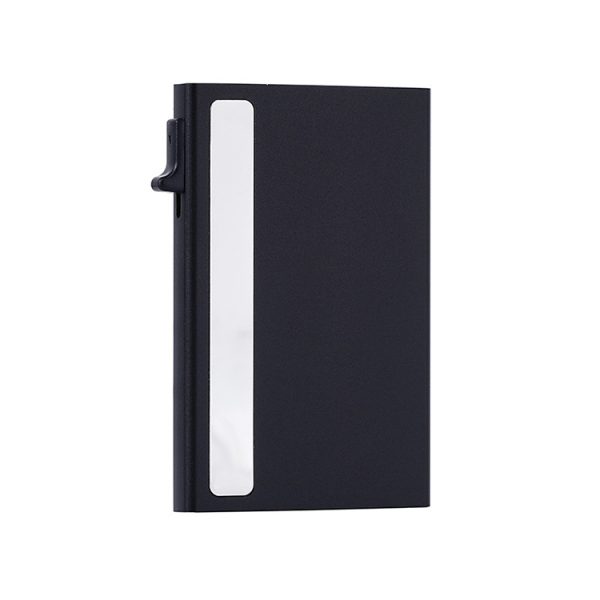
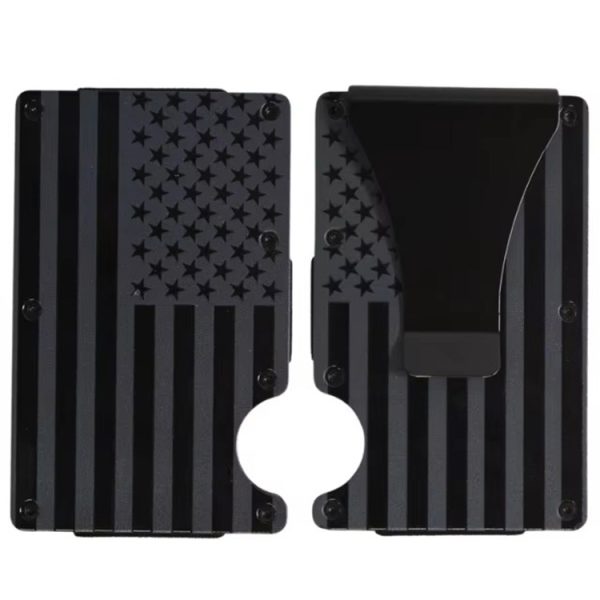
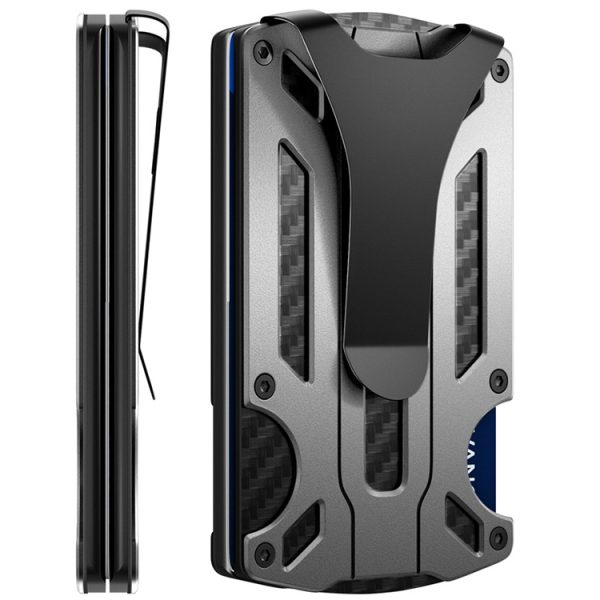
Metal wallets are defined by structure: one-piece versus two-piece bodies, elastic or clip-based card retention, pop-up mechanisms and surface finishing. This hub collects the guides that explain how each design choice affects tooling cost, assembly time and long-term durability.
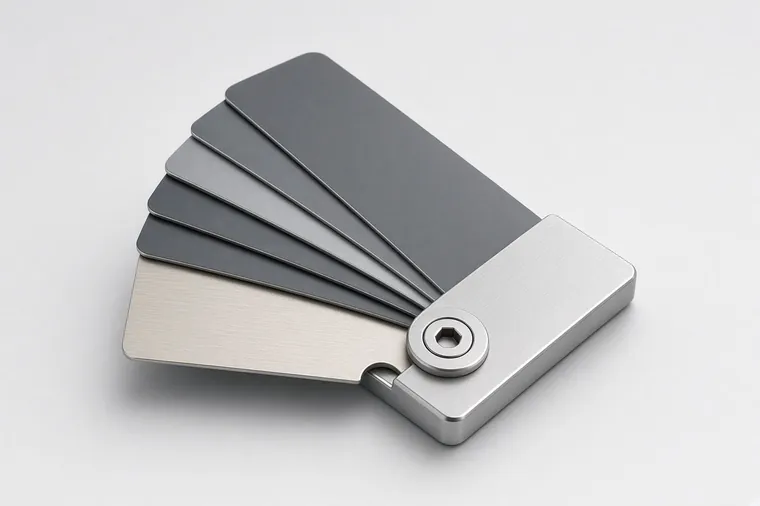
What this hub answers
Typical questions covered here include aluminium versus stainless steel versus titanium, CNC machining versus die casting, minimum thickness for card capacity, spring and clip fatigue, and how to inspect a finished batch before it ships.
If you are evaluating a metal wallet factory, start with the featured guides below, then use the product pages for specifications and sample requests.
- Which mechanism to tool — pop-up, slide, fan-out or fixed frame
- What drives unit cost: machining route, material grade and assembly time
- How to inspect a batch for spring fatigue, edge sharpness and finish defects
Three guides to read first
The longest, most practical reads in this hub — the ones that answer the questions buyers usually ask on the first call.
81 GUIDES · UPDATED NOV 2026
Browse 81 guides by topic
Every article in this hub, grouped by the question it answers. Jump to a topic, or scan the full list.
Mechanisms & card capacity 10
Pop-up, slide, fan-out and expandable formats, and how many cards each really holds.
- Expandable Metal Wallets Vs. Fixed Capacity Cases: How Many Cards Is Too Many?13 min
- Better Card Fanning Than Secrid: A B2B Sourcing Guide for Mini Wallets13 min
- The Ultimate Guide To The Automatic Pop-up Credit Card Wallet: Redefining Modern Minimalism12 min
- Secrid Wallet Alternative with More Capacity: B2B Sourcing Guide11 min
- What Should Buyers Check Before Ordering Pop Up Wallets? | GSTAR Guide10 min
- Wallet Same Mechanism as Ridge Pop Up: B2B Sourcing Guide10 min
- Bottom Button Pop Up Metal Wallet9 min
- Slide Action Vs. Fan-out Wallets: Which Metal Wallet Mechanism Is Faster?9 min
- Beyond Slim Vs Bulk: The Impact of Wallet Thickness And Design on Capacity And User Experience4 min
- Minimalist Pop-Up Card Wallet: Keep Your Cards Organized And Protected4 min
Comparisons & brand alternatives 15
Metal versus other formats, and direct alternatives to Ridge, Secrid and Ekster.
- Wallet That Replaces Ridge Daily Driver: Sourcing Guide for 2026 Buyers14 min
- CNC Machining vs Metal Stamping for Wallets: B2B Guide13 min
- Secrid Flex Wallet Alternative Chinese: B2B Sourcing Guide 202613 min
- Similar to Ridge Wallet Under 20 Dollars: Sourcing Guide for B2B Buyers12 min
- Secrid and Ridge Combined Wallet Alternative for B2B Buyers | GSTAR12 min
- vs Pink Wristlet: B2B Buyer’s Comparison Guide 202612 min
- Is There a Better Ridge Wallet Alternative? | B2B Sourcing Guide12 min
- Not Ridge Wallet But Same Function? How to Source It Smartly12 min
- Why Buy Ridge Wallet Alternative? A B2B Sourcing Guide for 202612 min
- Alternative to Ridge Wallet Cheaper: 2026 Sourcing Guide11 min
- Metal Vs. Wood Hybrid Wallets: Balancing Modern Tech with Natural Aesthetics11 min
- Wallets Comparable to Ekster Smart Tracker | B2B Sourcing Guide11 min
- Compact Wallet vs Traditional Wallet: A B2B Buyer’s Guide from GSTAR10 min
- Secrid Slim Wallet vs Metal Alternative: B2B Buyer’s Guide9 min
- Tactical Metal Wallets Vs. Minimalist Card Sleeves: Choosing The Right “Vibe” for Your EDC4 min
Materials & finishes 2
Aluminium, stainless, titanium, wood and carbon, plus anodizing and PVD.
Cost, tooling & production 5
What drives unit price, how tooling is quoted and how to control defects.
- What Determines the Cost of a Metal Wallet? B2B Guide14 min
- How to Order Small-Batch Wallets for Amazon Testing? | 2025 Guide14 min
- How Does CNC Machining Affect Wallet Cost? A B2B Guide13 min
- Can Different Wallet Models Be Mixed in One Order? B2B Guide12 min
- How to Reduce Defects in Bulk Wallet Orders? — GSTAR Guide11 min
Slim, minimalist & capacity choices 18
Profile, weight and pocket fit across the range of metal wallet formats.
- Best Minimalist Wallet Guide for Brands & Bulk Buyers15 min
- How Does Metal Wallet Weight Affect Its Design? | GSTAR14 min
- womens brown wallet Bulk Sourcing Guide for B2B Buyers & Brands13 min
- Best Mens Card Wallet: A B2B Sourcing Guide for 202613 min
- Best Wallets for Women: A B2B Sourcing Guide for 202612 min
- Best Front Pocket Wallet: Sourcing Guide for 2026 Buyers12 min
- Wallet Change: How Gstar Technology Helps Brands Build The Next Generation of Slim, Secure Wallets11 min
- Metal Wallet For ID Card And Cash: The Complete Guide To Choosing, Using, And Caring for A Slim Metal Wallet10 min
- Best Slim Wallets for Men 2026: A Buyer’s Guide to Sourcing10 min
- Best Mens Front Pocket Wallet: A B2B Sourcing Guide for 202410 min
- Wallet Womens Small: A B2B Sourcing Guide for Retail Buyers | GSTAR9 min
- The Ultimate Guide To Slim Smart Wallets in 2026: Security, Style, And Smart Technology9 min
- Minimalist Wallet Guide: How To Choose The Best Slim Wallet for Everyday Carry8 min
- The Rise of Minimalist Wallets: How Changing Consumer Behavior Is Redefining Everyday Carry6 min
- Wallet in Back Pocket: Expert Guide To Comfort, Security, And Modern Slim Wallet Design5 min
- No More Clutter: These Slim Card Sleeves Are The Minimalist Upgrade You Need5 min
- How To Organize A Wallet: Expert Tips for A Slim, Secure Everyday Carry4 min
- The Modern Essential: Why A Front Pocket Wallet Is The Only Upgrade You Need3 min
Design, care & everyday carry 31
Recovery checklists, care routines and what buyers actually put in a wallet.
- What to Do When You Lose Your Wallet: Recovery Checklist16 min
- Mens Wallets Near Me: Why Local Retail Falls Short for Bulk Buyers15 min
- How to Find a Missing Wallet: A Step-by-Step Guide for Buyers14 min
- How to Prepare Wallets for Supermarket Distribution? A B2B Guide12 min
- Best Minimal Wallets: A B2B Sourcing Guide for 202612 min
- What To Put in A Wallet: The Smart Everyday Carry Checklist for Cards, Cash, ID, And Security11 min
- The Timeless Elegance of The Classic Card And Cash Wallet: A Comprehensive Guide To Style, Function, And Craftsmanship10 min
- How to Inspect Wallet Dimensions? A B2B Buyer’s QC Guide10 min
- Mechanic Wallet: The Ultimate Everyday Carry Upgrade for Technicians, DIYers, And Modern Professionals10 min
- Industrial-Grade Metal Protective Case for Grading Cards10 min
- How to Develop a Wallet From a Sketch? A 6-Step Guide10 min
- The Ultimate Guide To Choosing The Perfect Small Wallet in 2026: Expert Insights From Gstar Technology9 min
- Premium Metal Keycase with Organizer Compartments9 min
- Weatherproof Wallet: The Complete Expert Guide To Choosing A Wallet That Protects Your Essentials in Any Condition9 min
- Heavy-Duty Metal Keycase for Secure Key Storage8 min
- The Transition From Traditional Wallets To Ultra-thin Metal Wallets8 min
- How to Choose a Metal Wallet for Your Brand? A B2B Sourcing Guide8 min
- ID Window Metal Card Wallet7 min
- What Is A Good Wallet? A Complete Guide To Choosing The Right Wallet for Everyday Use7 min
- How To Protect Credit Cards From Damage in Wallet: Expert Tips for Longevity And Security7 min
- Wallet And Purse Difference: The Complete Expert Guide (2026) by Gstar Technology6 min
- The Ultimate Guide To Small Wallets: Why Minimalism Is The Future of EDC (2026 Industry Report)6 min
- Street Theft Meets Smart Security: How Tracker-Enabled Wallets Are Changing Everyday Safety6 min
- Wallet Warranty Explained: How Gstar Technology Helps Brands Reduce Returns And Build Buyer Trust6 min
- Wallet Definition: What Is A Wallet in 2026?6 min
- Stop Struggling with Overstuffed Wallets — Experience Fast Access, Secure Carry, And Zero Bulk6 min
- From Concept To Bestseller: The Complete Journey of A Hit Wallet Design5 min
- Things To Never Keep in Your Wallet: A Security Expert’s Guide To Safer Everyday Carry5 min
- The Ultimate Guide To The Best Wallet for Men in 20264 min
- The Evolution of Security And Style: Why Metal Wallets Are The Future of EDC4 min
- Wondering What To Put in A Wallet? Discover The2 min
Metal wallets: questions buyers ask before a quote
Short answers to the specification questions that come up most often in this category.
Is CNC machining or die casting cheaper for a metal wallet?
Die casting carries a higher tooling cost but a lower unit cost at volume; CNC has little or no tooling cost and a higher unit cost, with better surface quality and tighter tolerances. Below a few thousand units per colour CNC is usually cheaper overall. Above that, casting plus secondary machining often wins — the crossover depends on wall thickness and post-processing.
How many cards can a metal wallet hold?
A standard slim frame holds four to six cards plus notes; a pop-up mechanism usually holds five to seven in the stack plus one or two in an external slot. Capacity is limited by internal stack height, not by the outer size, so adding cards means a thicker body and a longer eject stroke. Specify capacity before choosing the mechanism.
Why do pop-up mechanisms fail?
Most failures come from spring fatigue, grit entering the track, or a lever designed for a different card stack height. Ask for a cycle test of 5,000 to 10,000 eject cycles plus a dust test. A stainless spring and a sealed track cost more per unit but remove most warranty claims.
Which finish hides scratches best on a metal wallet?
Bead-blasted matte and brushed finishes hide fine scratches far better than polished or mirror surfaces. Anodizing adds a hard oxide layer that resists wear but shows chips as lighter dots. PVD is harder and more colour-stable but costs more. For high-handling products, matte anodized aluminium or brushed stainless is the practical choice.
What MOQ applies to a custom metal wallet?
Existing CNC bodies with a new logo or finish start at 500 pieces. New finishes or small design changes start at 3,000 pieces. A new body that requires programming, fixtures or a die starts at 5,000 pieces, plus one-time tooling. Mixed colours can share one order if the total meets the MOQ.
Keep researching
Move from research to a quote
Specifications, finishes and customization options for the products behind these guides.
Need a spec answered before you quote?
Send your material grade, card capacity or mechanism requirement — we answer with production-feasible options, not catalogue copy.