

Views: 256 Author: Princee Lee Publish Time: 03-05-2026 Origin: Princee Lee


Content Menu
>> Introduction: The Evolution of Everyday Carry
>> The Legacy of the Traditional Wallet
>>> From Ancient Pouches to the Bifold
>>> The Cultural Symbolism of Leather
>>> The Demise of Physical Cash
>>> The Digital Wallet Revolution
>> The Health Perspective: The Dangers of the "Back Pocket Bulge"
>>> Sciatica and Spinal Misalignment
>> The Rise of Metal Minimalism
>>> Materials of the Future: Aluminum, Titanium, and Carbon Fiber
>>> Engineering and Precision Manufacturing
>> Security in the Digital Age: RFID Protection
>>> Understanding Electronic Pickpocketing
>> The Everyday Carry (EDC) Movement
>>> Aesthetics and Lifestyle Integration
>> Comparative Analysis: Metal vs. Leather
>> The Future of Personal Storage
>> Conclusion
The evolution of the wallet is more than just a change in how we carry our currency; it is a reflection of human history, technological progress, and shifting societal values. For centuries, the wallet remained largely unchanged—a leather pouch or folder designed to hold physical coins, paper notes, and eventually, a growing collection of plastic cards. However, we are currently witnessing a radical departure from this long-standing tradition. The "George Costanza" wallet—a term famously coined by the sitcom Seinfeld to describe a wallet so overstuffed with receipts and old cards that it becomes a physical burden—is becoming a relic of the past.
In its place, a new contender has emerged: the ultra-thin metal wallet. Crafted from aircraft-grade aluminum, titanium, and carbon fiber, these sleek devices represent a fundamental shift toward minimalism. This transition is not merely an aesthetic choice; it is driven by the digital revolution, an increased awareness of physical health, and the need for enhanced security in an era of electronic theft. To understand why this shift is happening, we must first look at where we began.

The history of the wallet can be traced back to ancient times. In its earliest forms, it was a simple leather bag or pouch used to carry dried meat, flint, and coins. As paper money began to circulate in the 1600s, the design evolved into a flatter structure. By the mid-20th century, the introduction of the credit card led to the birth of the modern bifold and trifold designs that most people recognize today.
Leather has historically been the material of choice for wallets because of its availability, durability, and flexibility. A traditional leather wallet was designed to expand. As a person accumulated more items—business cards, family photos, transit passes, and loyalty cards—the leather would stretch to accommodate them. This capacity for growth was seen as a feature, not a flaw. People took pride in a "substantial" wallet, as it often symbolized financial readiness and a busy, organized life.
Beyond its utility, leather carries a certain prestige. The scent of genuine cowhide and the way leather develops a patina over time—changing color and texture as it ages—gave the traditional wallet a soulful, heirloom quality. It was a classic accessory, often gifted during milestones like graduations or promotions. However, this romantic view of leather began to clash with the realities of modern living, where efficiency and speed started to outweigh tradition.
Several factors have converged to push the traditional wallet toward obsolescence. The primary driver is the changing nature of money itself. We are rapidly moving toward a cashless society where transactions are conducted via chips, taps, and digital signals rather than the exchange of physical bills.
In the past, a wallet needed a deep pocket for paper currency because different denominations required physical space. Today, the majority of consumers in developed economies rely on credit cards or mobile payments. When cash is no longer the primary medium of exchange, the large, bill-fold section of a wallet becomes wasted space. This realization has led many to question why they are still carrying a bulky brick of leather in their pocket.
The rise of smartphone-based payment systems, such as Apple Pay and Google Wallet, has further accelerated this transition. With many loyalty cards, boarding passes, and even digital IDs now stored on phones, the physical wallet's role has been reduced to carrying a few essential "backup" cards. This shift has created a market for a "minimalist" solution—something that holds only the essentials and does so with maximum efficiency.
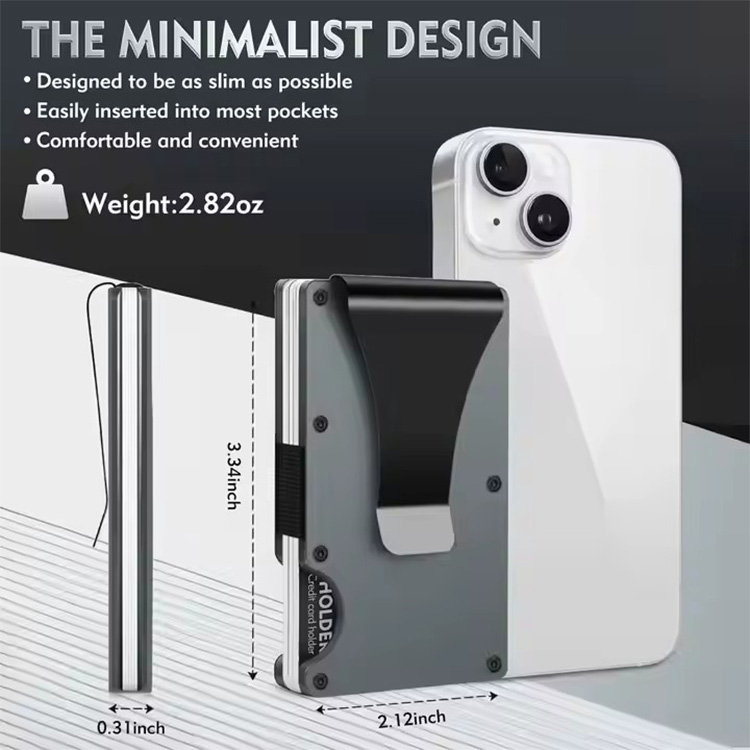
One of the most compelling arguments for moving away from traditional wallets is rooted in human physiology. For decades, men have typically carried their wallets in their back pockets. While this seemed convenient, it created a chronic health issue that medical professionals have termed "back pocket sciatica" or "wallet-induced scoliosis."
When you sit on a thick, traditional wallet, it forces your pelvis to tilt to one side. This uneven seating position creates a curve in the lower spine and puts direct pressure on the sciatic nerve. Over time, this can lead to chronic lower back pain, numbness in the legs, and even permanent postural issues. Physical therapists have long recommended that patients remove their wallets before sitting, but many people simply forget. The ultra-thin metal wallet solves this problem by being so slim that it can be comfortably carried in the front pocket, completely removing the physical strain on the spine and hips.
Enter the metal wallet. Unlike leather, which is soft and organic, metal wallets are hard, precise, and industrial. They represent a new philosophy of "Everyday Carry" where every item must justify its weight and space.
The materials used in modern metal wallets are often borrowed from the aerospace and automotive industries. Aluminum is the most popular choice because it is incredibly lightweight yet strong enough to withstand significant impact. Titanium takes this a step further, offering an even higher strength-to-weight ratio and a natural resistance to corrosion. Carbon fiber, known for its distinct woven look, provides extreme durability and a "tech-forward" aesthetic. These materials don't just look modern; they are built to last a lifetime, unlike leather which eventually cracks, stains, and frays at the edges.
Traditional wallets are stitched; metal wallets are engineered. Most high-end metal wallets are manufactured using CNC (Computer Numerical Control) machining, which allows for incredibly tight tolerances. This precision ensures that cards stay securely in place, often using elastic tension bands or mechanical "fanning" mechanisms that allow the user to access their cards with the flick of a switch. This mechanical interaction provides a tactile satisfaction that a leather pouch simply cannot match.
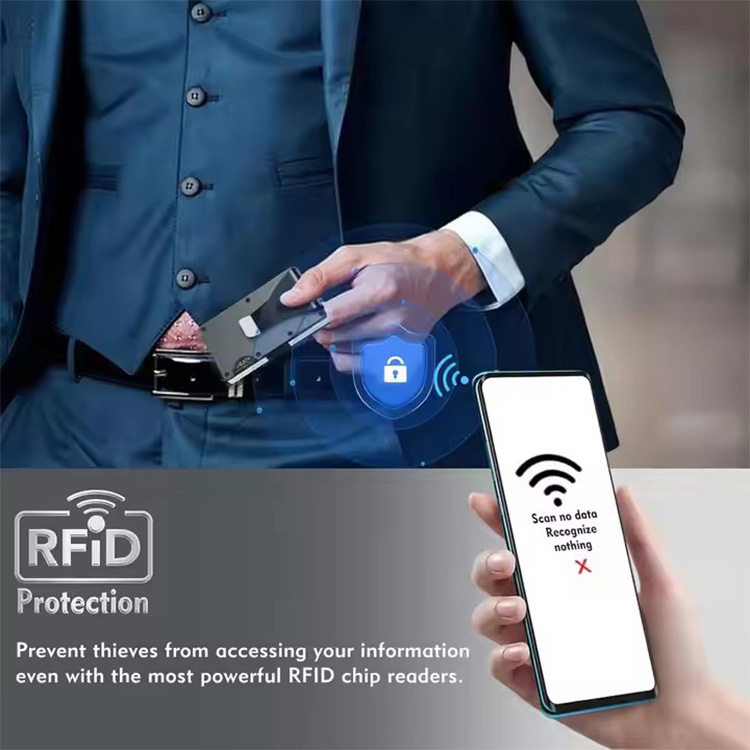
In the modern world, the greatest threat to your wallet isn't necessarily a pickpocket reaching into your bag; it's a digital thief "skimming" your information from a distance. Many modern credit cards and passports contain Radio Frequency Identification (RFID) chips that transmit data wirelessly.
Thieves can use inexpensive handheld scanners to read the data on these chips through the fabric of a pocket and the leather of a traditional wallet. Metal wallets, by their very nature, act as a Faraday cage. The metal plates block the radio waves, making it impossible for a scanner to communicate with the cards inside. This built-in security feature has become a major selling point for the transition to metal, providing peace of mind in an increasingly connected and vulnerable world.
The transition to metal wallets is also a key part of the broader "Everyday Carry" (EDC) movement. This subculture focuses on optimizing the tools a person carries daily—knives, pens, flashlights, and wallets—to ensure they are functional, durable, and aesthetically cohesive.
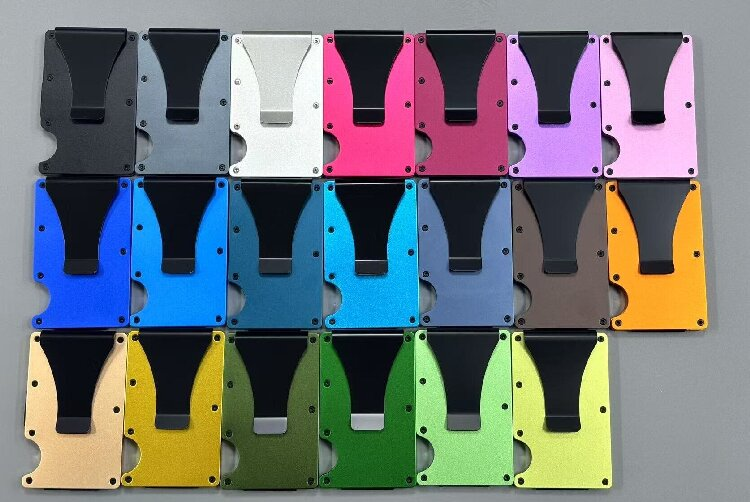
The EDC community prizes gear that looks as good as it performs. Metal wallets fit perfectly into this "tactical-chic" aesthetic. They often come in various finishes, from matte black and desert tan to polished silver and "burnt" titanium. For the modern professional or outdoor enthusiast, the wallet is no longer just a utility item; it's a statement of style and a commitment to a clutter-free lifestyle.

When deciding whether to make the switch, it is helpful to look at the direct trade-offs between the old world and the new.
Leather is susceptible to water damage, mold, and stretching. If you get a leather wallet wet, it may never return to its original shape. In contrast, a metal wallet is virtually indestructible. It can be dropped, stepped on, or exposed to the elements without losing its functionality. For many, the "buy it for life" appeal of metal is a significant advantage over the recurring cost of replacing worn-out leather wallets.
The one area where traditional wallets still hold an advantage is capacity. If you are someone who must carry twenty different cards, a stack of cash, and a handful of coins, a metal wallet will feel restrictive. Metal wallets force you to curate. They typically hold between six and twelve cards. While this is a limitation, proponents argue it is a "healthy constraint" that prevents the accumulation of unnecessary junk.
As we look forward, the trend toward thinness and integration will likely continue. We are already seeing "smart" metal wallets that include built-in tracking technology, allowing users to find their wallet via Bluetooth if it's misplaced. Others are designed with MagSafe compatibility, allowing the wallet to snap directly onto the back of a smartphone. The wallet is ceasing to be an isolated accessory and is becoming an integrated component of our digital ecosystem.
The transition from traditional leather wallets to ultra-thin metal wallets is a symbolic journey from the physical to the digital, from the bulky to the streamlined, and from the decorative to the functional. While the classic leather bifold will always have its admirers, the practical benefits of metal—durability, security, and ergonomic health—are becoming impossible to ignore. As we continue to shed the physical baggage of the past, the metal wallet stands as a testament to the power of minimalist design and the relentless march of progress.
Q1: Will a metal wallet damage my credit cards?
A1: No. Most high-quality metal wallets are designed with smooth interior surfaces or plastic/silicone inserts to prevent scratching. The cards are held together by tension rather than friction against the metal itself.
Q2: Is it difficult to carry cash in a minimalist metal wallet?
A2: While not as spacious as a traditional bill-fold, most metal wallets include a "money clip" or a "cash strap" on the exterior. This allows you to carry several folded bills securely without adding significant bulk.
Q3: Can I take a metal wallet through airport security?
A3: Yes, but you will need to place it in the bin along with your phone and keys, just as you would with a traditional wallet. Because it is made of metal, it will trigger the metal detector if left in your pocket.
Q4: Does RFID blocking actually matter, or is it just marketing?
A4: While the frequency of "digital pickpocketing" is debated by some experts, the technology to skim cards does exist. RFID-blocking metal wallets provide a physical barrier that eliminates this specific risk entirely, which many users find worth the investment.
Q5: Are metal wallets uncomfortable in a front pocket?
A5: Actually, most users find them more comfortable. Because they are so much smaller than leather wallets, they don't dig into the leg or create a visible bulge. The rigid structure means they don't deform or "pinch" like leather can.


