

Views: 290 Author: Princee Lee Publish Time: 03-27-2026 Origin: Princee Lee


Content Menu
● Understanding the Material: The Science of Leather
>> The Different Grades of Leather
>> Tanning Processes: Vegetable vs. Chrome
● Daily Maintenance and Preventative Habits
>> Avoid the "Costanza" Wallet: Do Not Overstuff
>> Keep it Dry and Away from Heat
● The Essential Leather Care Kit
>> Microfiber Cloths and Horsehair Brushes
● The Cleaning Process: Step-by-Step
>> Step 1: Preparation and Surface Dusting
>> Step 2: Gentle Surface Cleaning
● Troubleshooting Common Leather Problems
>> Dealing with Water Spots and Salt Stains
>> Repairing Scratches and Scuffs
>> Related Questions and Answers
A high-quality leather wallet is more than just a functional accessory designed to hold your currency and identification; it is a testament to craftsmanship, a reflection of personal style, and a long-term investment. Unlike synthetic materials that deteriorate with age, premium leather possesses the unique ability to grow more beautiful over time, developing a rich character known as a patina. However, this longevity is not guaranteed. Leather is a natural, porous material—essentially a preserved skin—that requires consistent maintenance to remain supple and structurally sound. Without proper care, it can dry out, crack, lose its shape, or become irreversibly stained. This comprehensive guide explores every facet of leather wallet maintenance, from the daily habits that prevent damage to the deep-cleaning and conditioning techniques that restore its original luster.
Before diving into care routines, it is essential to understand what you are working with. Not all leathers are created equal, and the type of leather your wallet is made from will dictate how it reacts to cleaners and conditioners.
The top layer of a hide, full-grain leather, is the most durable and expensive. It contains the entire grain layer, making it extremely resistant to wear. Below that is top-grain leather, which has been sanded to remove imperfections and is often more flexible but slightly less durable. Genuine leather is actually a lower grade, often made from the "splits" of the hide and heavily processed. Each of these requires a gentle touch, but full-grain leather is the most rewarding to care for as it absorbs conditioners most effectively.
How the leather was tanned also matters. Vegetable-tanned leather uses natural tannins found in bark and plants. It is highly sensitive to water but develops the best patina. Chrome-tanned leather uses chemicals for a faster process, resulting in a more water-resistant finish and more vibrant colors. Knowing whether your wallet is vegetable-tanned is vital because using the wrong chemical cleaner on such a natural surface can cause permanent discoloration.
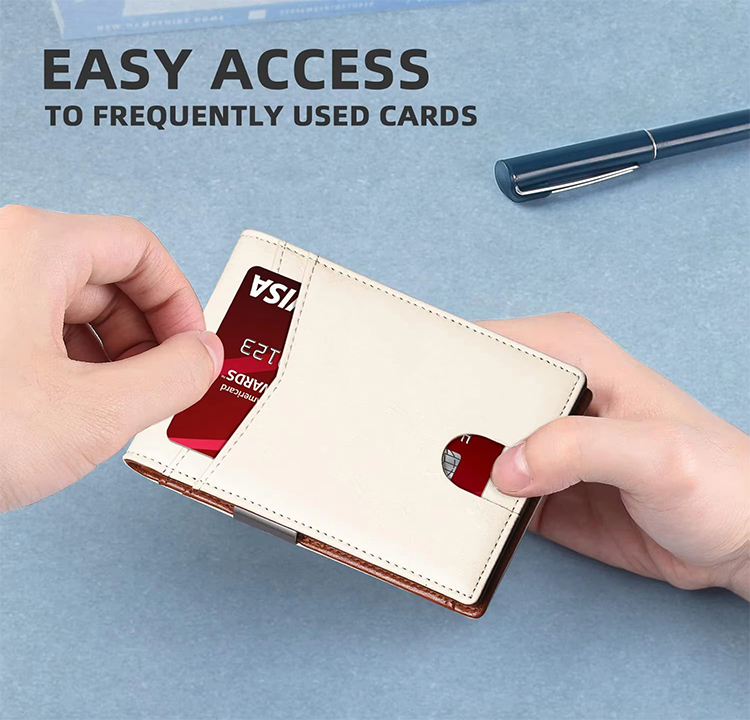
The most effective form of care is prevention. By incorporating a few simple habits into your daily routine, you can significantly reduce the need for intensive cleaning and repair.
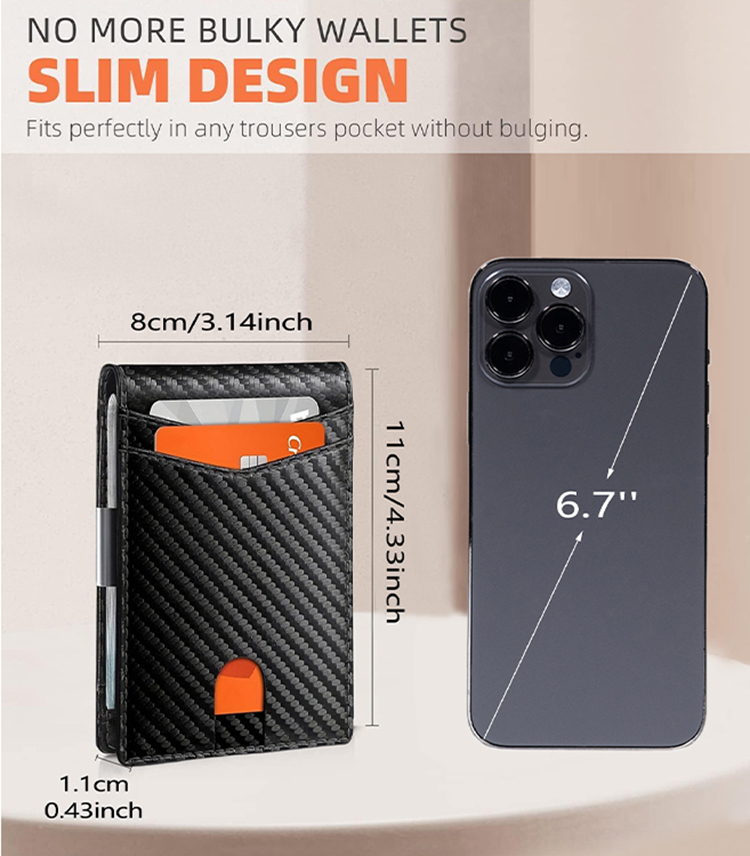
One of the most common causes of wallet failure is overstuffing. Leather is an elastic material; it stretches to accommodate what you put inside it. However, once leather has been stretched beyond its capacity, it will never return to its original shape. Overloading your wallet with old receipts, dozens of coins, or unnecessary cards puts immense pressure on the stitching and the structural fibers of the hide. To maintain the silhouette of your wallet, conduct a weekly "audit" to remove items you don't need. This not only preserves the leather but also prevents the unsightly bulge in your trousers.
Sitting on your wallet for hours every day is a recipe for disaster. This habit subjects the wallet to constant friction, body heat, and moisture from perspiration. Furthermore, the uneven pressure of your body weight can warp the leather and weaken the internal frame or card slots. If possible, transition your wallet to a front pocket or a jacket pocket. This simple shift reduces mechanical wear and helps the wallet stay dry and cool.
Leather and water are a precarious mix. While a few drops of rain won't ruin a well-conditioned wallet, saturation can lead to the leather becoming stiff and brittle once it dries. Equally dangerous is artificial heat. If your wallet does get wet, never use a hair dryer or place it on a radiator. High heat strips the natural oils out of the leather instantly, causing it to shrink and crack. Always allow leather to air dry at room temperature.
To care for your wallet professionally, you need the right tools. Using household substitutes like dish soap or baby wipes can be damaging because they often contain harsh chemicals or alcohols that dehydrate the hide.
A clean microfiber cloth is your best friend for surface wiping. For wallets with textured grains or intricate stitching, a soft-bristled horsehair brush is necessary to lift dust and debris from hard-to-reach crevices without scratching the surface.
Always opt for a dedicated leather cleaner. These are formulated to be pH-balanced, ensuring they remove dirt and salt (from sweat) without stripping the essential moisture that keeps the leather flexible. Avoid anything containing ammonia or bleach.
Conditioners come in creams, balms, and oils. For a wallet, a lightweight leather cream or balm is usually best. These products penetrate the pores to replenish the fats and oils lost through evaporation and use. Look for ingredients like beeswax, mink oil, or neatsfoot oil, which provide a protective barrier while nourishing the fibers.
A deep clean should be performed every three to six months, depending on how heavily the wallet is used.
Empty the wallet completely. Shake it out over a bin to remove lint and crumbs. Use your horsehair brush or a dry cloth to wipe away any loose surface dirt. If you skip this step and go straight to a wet cleaner, you risk rubbing abrasive dust deeper into the grain.
Apply a small amount of leather cleaner to a damp (not soaking) cloth. Never apply the cleaner directly to the leather, as this can cause spotting. Gently rub the cloth in a circular motion across the exterior and interior surfaces. Pay close attention to the edges and corners, where oils from your hands tend to accumulate.

Wipe away any excess cleaner with a dry part of the cloth. Leave the wallet open and empty in a cool, dry place. Ensure it is away from direct sunlight, as UV rays can fade the dye and dry out the material.
Conditioning is the most satisfying part of the care process. It brings the leather back to life, deepens the color, and restores that signature "new leather" scent.
Once the wallet is clean and dry, apply a pea-sized amount of conditioner to a clean cloth. Massage it into the leather using small, circular motions. The leather will likely "drink" the conditioner, appearing darker at first. This is normal. Be thorough but don't over-apply; a thin, even coat is more effective than a thick layer that sits on the surface.
After the conditioner has sat for about 15 to 20 minutes, use a fresh, dry cloth or a horsehair brush to buff the surface. This removes any unabsorbed residue and creates a soft, natural glow. Buffing also helps seal the conditioner into the fibers, providing a light layer of protection against the elements.
Despite your best efforts, accidents happen. Knowing how to react quickly can save a wallet from permanent damage.
If you live in a snowy climate, road salt can be a major enemy. Salt draws moisture out of leather at an alarming rate. If you see white, crusty lines on your wallet, mix a solution of one part white vinegar to one part water. Gently dab the area with a cloth dipped in this mixture to neutralize the salt, then follow up immediately with a leather conditioner.
Ink is notoriously difficult to remove from leather. If a pen leaks, try a dedicated leather ink remover or a very small amount of rubbing alcohol on a cotton swab—but be extremely careful, as alcohol can remove the leather's dye. For grease or oil stains (like from food), sprinkle the spot with cornstarch or talcum powder and let it sit overnight. The powder will draw the oil out of the pores. Brush it off the next morning.
Minor surface scratches can often be "healed" simply by rubbing them firmly with your thumb. The heat and natural oils from your skin can often redistribute the oils in the leather to hide the mark. For deeper scuffs, a pigmented leather cream that matches the color of your wallet can fill in the area and make the damage nearly invisible.
If you rotate between different wallets, how you store the one not in use is critical to its health.
Never store leather in a plastic bag or an airtight container. Leather needs to "breathe" to maintain its moisture balance. An airtight environment can trap humidity, leading to the growth of mold or mildew. Instead, use a cotton dust bag or wrap it in acid-free tissue paper.
If you are storing a wallet for several months, consider "stuffing" it lightly with some clean paper to help it maintain its shape. Store it in a climate-controlled area where the temperature and humidity remain relatively stable.
The ultimate goal of leather care is not to keep the wallet looking brand new forever, but to help it age gracefully. A well-cared-for wallet will darken, develop unique creases, and take on a soft sheen that reflects your life and usage. This is the "soul" of the leather. By following these cleaning and conditioning steps, you are ensuring that your wallet doesn't just get old—it gets better.
Q1: How often should I realistically condition my leather wallet?
A: For most users, conditioning every 4 to 6 months is sufficient. If you live in a very dry or hot climate, or if you handle your wallet constantly, you might want to do it every 3 months. If the leather feels stiff or looks "ashy," it's time for a treatment.
Q2: Can I use olive oil or coconut oil as a DIY leather conditioner?
A: It is generally discouraged. While they might provide temporary softness, vegetable oils can go rancid over time, leading to unpleasant odors. They can also darken leather significantly and unevenly. Professional leather conditioners are formulated with preservatives and specific pH levels to protect the material long-term.
Q3: My leather wallet has developed a moldy smell. Is it ruined?
A: Not necessarily. First, wipe it down with a mixture of mild soap and water, then follow with a solution of one part rubbing alcohol and one part water to kill the spores (test a small area first). Dry it thoroughly and then use a high-quality conditioner. If the smell persists in the internal lining, you may need a professional cleaning.
Q4: Is it okay to use a waterproof spray on my leather wallet?
A: Yes, but only use sprays specifically designed for fine leather or suede. These sprays create a breathable barrier. However, keep in mind that many waterproofers can slightly alter the texture or block the leather's ability to develop a natural patina.
Q5: Why does my leather wallet feel "sticky" after I cleaned it?
A: Stickiness usually happens when too much cleaner or conditioner was used and not properly buffed away. It can also occur if a product containing wax was applied to a leather that wasn't clean. Try wiping it down with a slightly damp, warm cloth to remove the residue, then buff it vigorously with a dry cloth.


