

Views: 243 Author: Princee Lee Publish Time: 02-28-2026 Origin: Princee Lee


Content Menu
>> Introduction
● What Is an Ecofriendly Wood Wallet?
>> Why choose wood over leather or plastic?
● Materials and Sustainability
>> Wood choices and their environmental profiles
>> Certifications and responsible sourcing
● Design Principles for a Functional Wood Wallet
>> Flex points and hybrid materials
>> Handcrafted vs CNC/laser-cut production
● Aesthetic Options and Personalization
>> Grain, inlays, and engraving
● Durability, Maintenance, and Care
>> Care tips
● Eco Impact — Real World Benefits and Trade-offs
● Buying Guide: How to Choose an Ecofriendly Wood Wallet
● DIY: Making a Simple Slim Wood Wallet (Overview)
● Styling and Everyday Carry (EDC) Integration
>> Matching your personal aesthetic
● Case Studies: Popular Wood Wallet Styles
● Where to Buy and What to Look For
>> Pros
>> Cons
● Frequently Asked Questions (FAQ)
- Core idea: The ecofriendly wood wallet is a modern alternative to traditional leather and plastic wallets that combines sustainability, unique aesthetics, and durable functionality.
- Why it matters: Consumers are increasingly seeking everyday carry items that reduce environmental impact while offering a distinctive look and long-lasting performance.
- Wood-based materials: An ecofriendly wood wallet is typically made from responsibly sourced hardwoods, reclaimed wood, bamboo, cork, or composite wood materials that minimize waste.
- Design types: These wallets range from slim cardholders and bifolds to hybrid designs that pair wood with metal, fabric, or cork for flexibility.
- Sustainability: Wood can be sourced from fast-growing or reclaimed materials, reducing reliance on animal products and petroleum-derived plastics.
- Aesthetics: Natural grain and finish make each piece visually unique.
- Durability: When properly treated and combined with reinforcements, wooden wallets can withstand daily use while developing a pleasing patina.
- Bamboo: Fast-growing, renewable, and low-impact; bamboo offers a smooth, lightweight material suitable for slim wallets.
- Reclaimed hardwood: Using reclaimed or salvaged wood prevents waste and gives new life to materials from old furniture or construction.
- Cork and wood hybrids: Cork is renewable and harvestable without killing trees; paired with thin wood veneers it creates flexible, eco-conscious wallets.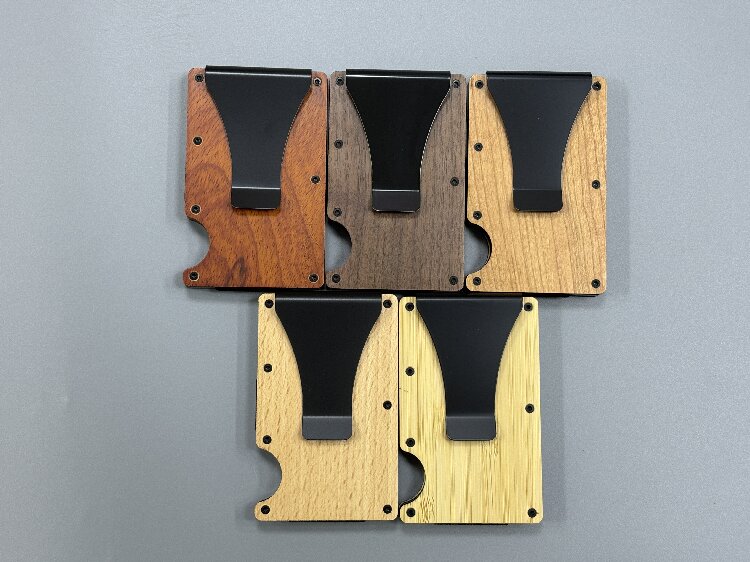
- Look for certified wood: FSC or PEFC certifications indicate responsible forest management.
- Transparency from makers: The most sustainable small brands publish sourcing and finishing practices to show low-impact production.
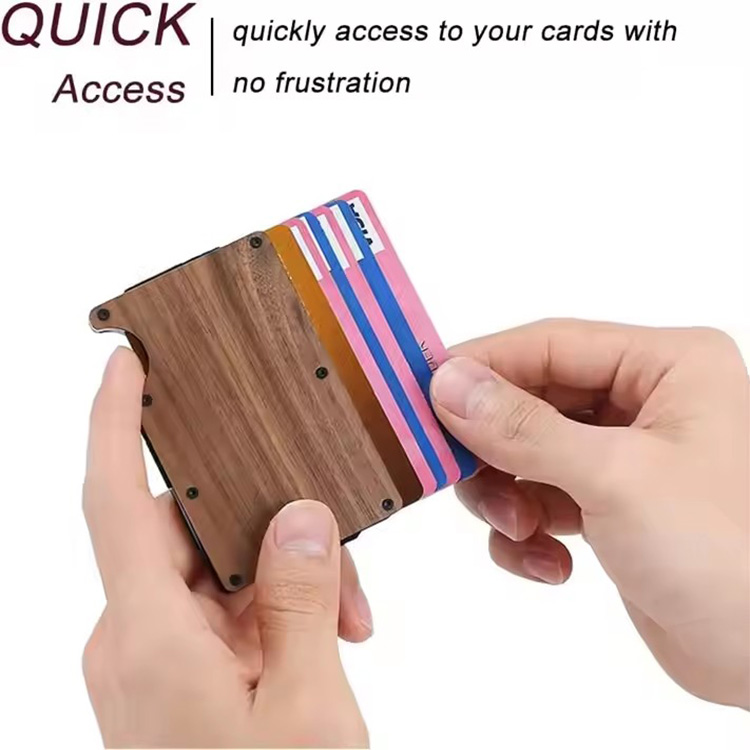
- Slim profile: Cards and a few folded bills should fit snugly without creating bulky pockets.
- Edge finishing: Rounded and sanded edges prevent wear on pockets and hands.
- Elastic and fabric inserts: To provide tension and flexibility for cards, many designs use elastic bands or fabric linings.
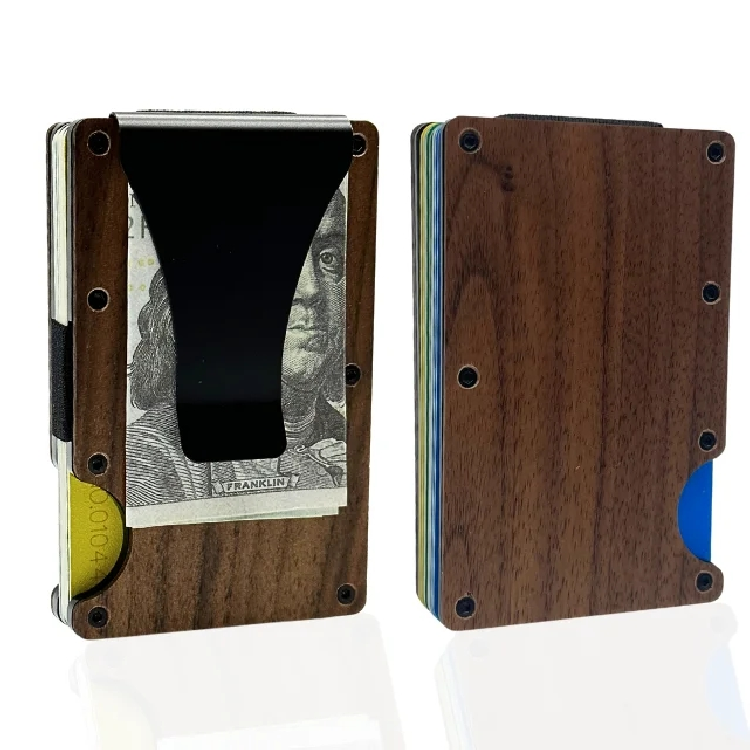
- Metal hardware: Brass or stainless steel rivets and money clips are frequently combined with wood to add secure closures and modern accents.
- Handcrafted: Offers artisanal character, small-batch quality control, and the ability to work with reclaimed pieces.
- CNC/laser-cut: Enables precision, repeatability, and the ability to produce thin, intricate designs at scale.

- Natural oils: Food-safe oils (like tung or linseed) enhance grain and provide moisture resistance without toxic coatings.
- Water-based sealants: Ecofriendly water-based lacquers give protection while minimizing volatile organic compounds (VOCs).
- Unique grain patterns: Each wallet is a one-of-a-kind piece because of natural wood variation.
- Inlay options: Wood inlays, resin accents, or metal strips create visual contrast.
- Laser engraving: Causes precise personalization for names, logos, or patterns.
- Staining vs natural: Stains alter color but may hide natural grain; many eco-minded makers prefer natural oils to showcase wood character.
- Texturing: Sandblasting, carving, or laser etching can add grip and tactile interest.
- Wear resistance: Proper finishing and edge treatment dramatically lengthen usable life.
- Impact and flex: Designs that distribute stress and include reinforcements avoid cracking.
- Keep dry when possible: While many finishes are water-resistant, prolonged soaking can damage wood.
- Periodic oiling: A light application of natural oil restores sheen and moisture balance.
- Avoid extreme bends: Wooden elements are more rigid than leather, so avoid folding across thin grain lines.
- Biodegradability: Wood and cork biodegrade far more readily than plastics.
- Lower chemical footprint: Choosing natural oils and water-based finishes reduces toxic emissions during production.
- Resource use: Some hardwoods have high embodied impact; choose reclaimed or fast-growth species when possible.
- Repairability: While leather can stretch and be repaired, wooden parts usually require careful maintenance or replacement of hybrid components.
- Material source: Ask whether the wood is reclaimed, FSC-certified, or fast-growth.
- Finish type: Prefer natural oils or low-VOC water-based finishes.
- Functionality: Confirm capacity (number of cards), RFID protection if needed, and money-carry method (clip vs pocket).
- Warranty and repair policy: Look for brands that offer repair parts or refurbishment.
- Value factors: Handmade quality, unique grain, and ethical sourcing justify higher prices.
- Longevity pays off: A well-made wood wallet can replace multiple lesser-quality wallets over time.
- Tools needed: Thin hardwood veneer or reclaimed wood slices, sandpaper, natural oil finish, elastic band, clamps.
- Basic steps: Cut two matched wooden plates; sand and round edges; route a shallow groove for elastic; glue or rivet elastic; oil finish.
- Safety: Use dust extraction and masks when sanding, and follow tool safety instructions.
Watch a selection of practical DIY videos demonstrating wooden wallet builds for different skill levels. These tutorials show step-by-step processes, templates, and finishing tips to help makers start their own projects.
- "WOODEN WALLET! - 3D Wood texture print on leather cardholder" — shows embossing and hybrid techniques for a modern wood-textured wallet.
- "Make your own wooden wallet - DIY woodworking project" — detailed glue-up, sanding, and finish steps for small wooden wallets.
- "Shop Made Wood Wallet | Easy Woodworking Projects" — demonstrates a customizable shop-made wood-and-metal wallet.
- "WOODEN WALLET/CARD HOLDER | DIY" — a quick project using plywood and elastic band to make a basic card holder.
- "Wood Wallet DIY" — builds an RFID-blocking wooden wallet variant with practical tips on internal construction.

- Casual vs formal: A walnut or dark-stained wood pairs well with business attire, while lighter woods or colorful inlays suit casual EDC.
- Minimalist carry: Wood wallets tend to encourage minimalism because of their limited capacity.
- Pocket wear: Smooth edges reduce fabric abrasion; choose a thin profile to avoid stretching pant pockets.
- RFID considerations: Some wooden wallets integrate metal shielding or liners to block RFID; check specifications if security is a priority.
- Slim veneer cardholders: Thin wood veneers bonded to inner liners for flexibility.
- Solid hardwood bifolds: Thick, sculpted wood pieces combined with hinges or fabric to allow folding.
- Hybrid cork-and-wood: Lightweight, water-resistant combinations aimed at outdoor users.
- Small makers: Often provide detailed sourcing and craft-focused finishing.
- Ethical brands: Verify certifications, transparent supply chains, and eco-friendly finishes.
- Marketplaces: Local craft fairs or specialized EDC shops can offer test-and-feel before purchase.
- Sustainable aesthetic: Natural, renewable materials with low biodegradability concerns.
- Unique appearance: No two wooden wallets look exactly the same.
- Durable with care: Proper finishing and maintenance yield long service life.
- Rigid elements: Less flexible than leather; requires thoughtful design to avoid cracking.
- Potential for higher cost: Ethical sourcing and craftsmanship can raise prices.
- Moisture sensitivity: Needs care and appropriate finishes.
- Choosing an ecofriendly wood wallet is both a style statement and an environmental choice that rewards careful selection and maintenance.
- Whether you buy a handmade piece or craft one yourself, prioritize responsibly sourced materials, natural finishes, and designs that match your daily needs.

Q1: Are wooden wallets waterproof?
A1: Wooden wallets are not inherently waterproof; many makers use water-resistant finishes, but prolonged exposure to moisture can damage wood.
Q2: Can a wooden wallet hold many cards?
A2: Most wooden wallets are designed as slim holders and carry fewer cards; hybrid designs with elastic or metal clips can increase capacity modestly.
Q3: How long will a wood wallet last?
A3: With proper finishing and periodic maintenance, a well-crafted wood wallet can last several years; lifespan depends on usage, finish, and wood species.
Q4: Are wooden wallets RFID-safe?
A4: Wooden construction alone does not block RFID; some designs include metal or specialized liners to provide RFID protection.
Q5: Is it ethical to use hardwoods for wallets?
A5: Ethical sourcing is key; reclaimed wood, fast-growing species, or certified sources reduce environmental impact compared to unchecked hardwood harvesting.
Q6: Can I repair a cracked wooden wallet?
A6: Small cracks can sometimes be stabilized with wood glue and clamps, while major structural failure may require part replacement or professional repair.
Q7: Do wooden wallets trigger metal detectors?
A7: Wood itself will not trigger metal detectors, but metal hardware or clips integrated into the wallet may.


