

Views: 255 Author: Princee Lee Publish Time: 04-20-2026 Origin: Princee Lee


Content Menu
>> The Ergonomics of Carry: Why Thickness Matters
>> Capacity vs. Profile: The Design Trade-Off
>> Expert Perspective: Engineering for Utility
>> The Digital Shift: How Technology Influences Design
>> How to Transition to a Slim Wallet
>> Conclusion
>> FAQ
>> References
In the modern landscape of everyday carry (EDC), the debate between slim, minimalist wallets and traditional, bulky billfolds has evolved from a matter of personal style to a significant consideration of ergonomic health, daily convenience, and functional capacity. As manufacturers and consumers alike prioritize efficiency, understanding how wallet thickness directly impacts the user experience is essential for selecting the right carry solution in 2026.
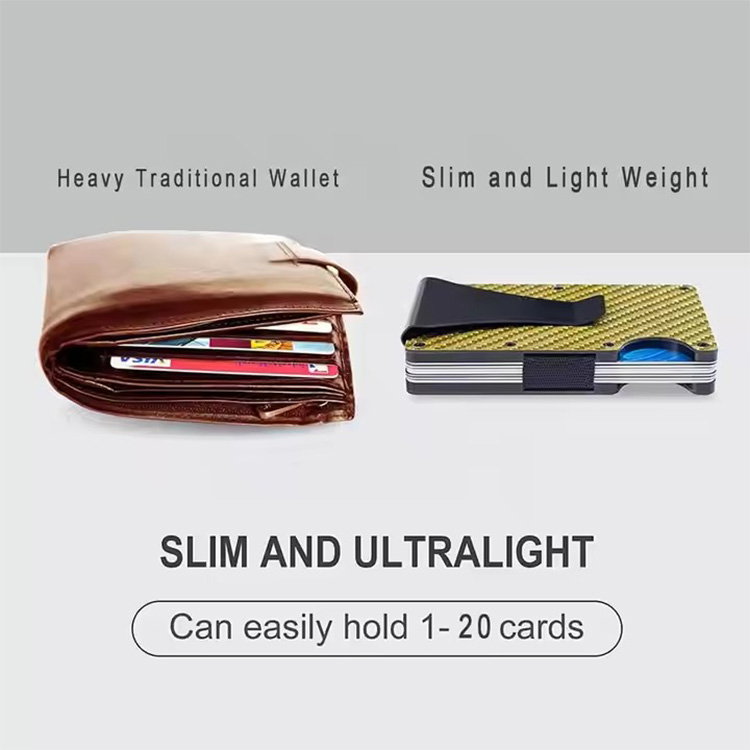
The most immediate impact of wallet thickness is felt not in the hand, but in the body. Carrying a bulky wallet in a back pocket—often referred to as "Dad Wallet" syndrome—is a leading cause of postural imbalance and hip pain.
- Postural Impact: Sitting on a thick wallet creates an uneven pelvic tilt, placing undue stress on the spine and sciatic nerve.
- Ergonomic Solution: Slim wallets are designed to minimize volume, making them suitable for front-pocket carry, which eliminates hip pressure and promotes better spinal alignment.
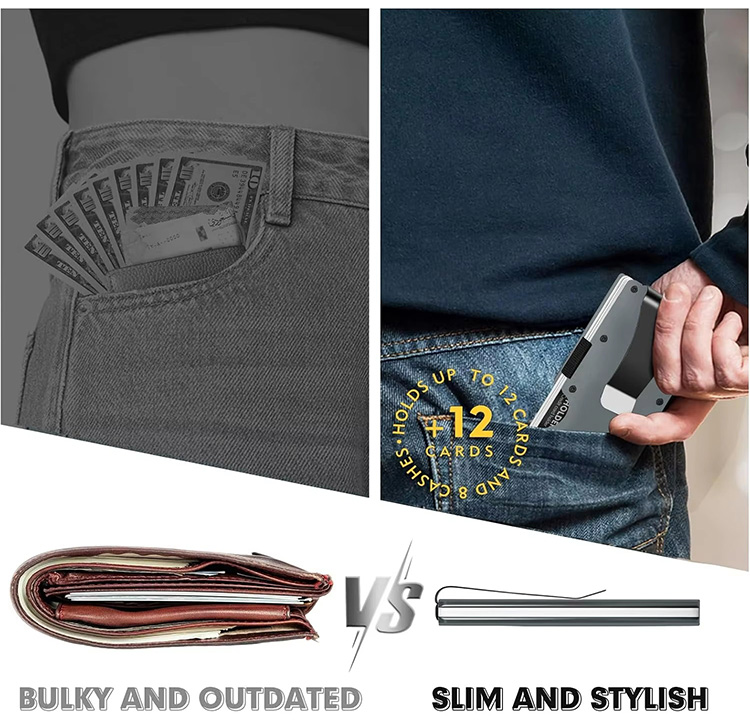
A common misconception is that "slim" must mean "minimal capacity." Modern design, however, has bridged this gap, allowing for sleek profiles without sacrificing necessary utility.
| Feature | Slim/Minimalist Wallet | Traditional Bulk/Bifold |
|---|---|---|
| Profile | Ultra-thin, designed for front pockets | Thick, bulky, usually back pocket |
| Capacity | Optimized for 6–12 cards + cash | High (often carries receipts, photos, coupons) |
| Accessibility | Quick access (pop-up/sliding mechanisms) | Slower, requires unfolding |
| Ergonomics | Promotes health, prevents hip pain | Potential for postural imbalance |
From a manufacturing standpoint, achieving the "perfect balance" requires careful material selection and structural engineering. The industry has shifted toward materials like carbon fiber, premium full-grain leathers with tighter stitch patterns, and RFID-blocking composites. These materials allow for thinner wall thicknesses while maintaining structural integrity.
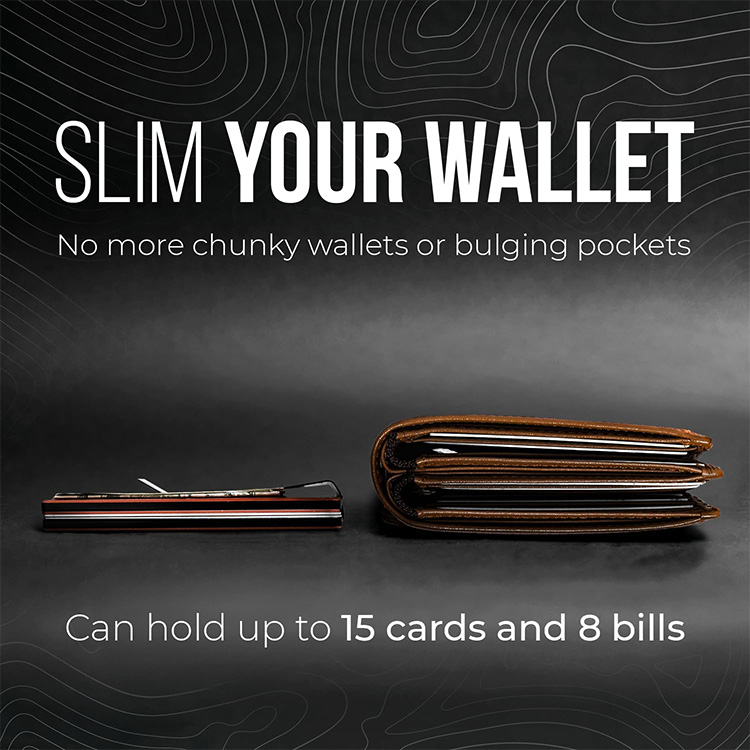
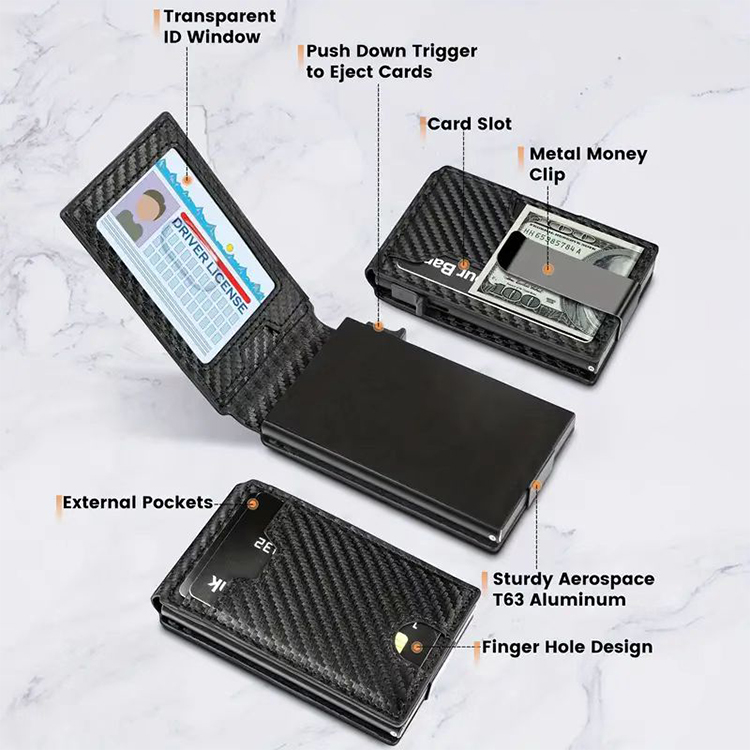
Design principles that enhance slim capacity include:
1. Integrated Mechanisms: Pop-up card sliders allow for fast, ergonomic access while maintaining a rigid, thin shape.
2. Material Density: Advanced synthetics can be significantly thinner than traditional leather while offering equivalent strength.
3. Strategic Organization: Designing pockets specifically for cards rather than general bill compartments forces users to organize more efficiently, inherently reducing bulk.
Digital wallets have fundamentally changed consumer spending habits. As many consumers rely increasingly on mobile payment solutions, the physical wallet's role is shifting toward holding IDs, a few core cards, and minimal cash. This trend accelerates the adoption of slim wallets, as the need to carry extensive physical storage diminishes.
Transitioning from a bulk wallet can be challenging but rewarding. Follow these steps for a seamless experience:
1. Audit Your Contents: Remove all expired cards, unused loyalty cards, and accumulated receipts.
2. Prioritize Essentials: Identify the 4-8 cards you use daily.
3. Digitize: Move loyalty programs and frequently used vouchers to smartphone-based digital wallets.
4. Choose the Right Design: If you still carry significant cash, select a slim wallet with an integrated money clip or cash strap rather than a full bifold compartment.
The transition from traditional, bulky wallets to slim, ergonomic designs is more than a trend—it is a functional upgrade that improves daily comfort and organizational efficiency. By focusing on essential capacity rather than excess, users can achieve a sleek profile that supports better posture and simplifies everyday carry.
1. Do slim wallets damage credit cards?
Generally, no. Most slim wallets are designed to hold cards snugly to prevent friction or bending. However, avoid overloading them, as excessive pressure can damage card chips or magnetic strips.
2. Is a slim wallet suitable for travel?
Yes, they are highly recommended for travel. Their thin profile makes them easier to secure in interior jacket pockets or front pockets, significantly reducing the risk of pickpocketing.
3. Do I need RFID protection?
RFID protection is an added layer of security that prevents electronic pickpocketing of contactless cards. It is a highly recommended feature for modern, slim wallets.
4. How do I carry cash in a minimalist wallet?
Most slim wallets use external money clips, interior tension straps, or dedicated card slots to hold folded cash securely without the bulk of a traditional bill compartment.
5. What is the main disadvantage of a slim wallet?
The primary drawback is limited capacity. If your daily life requires carrying multiple currencies, numerous receipts, or excessive cards, a slim wallet may force you to change your habits.
- [1] Alibaba.com: [Bifold vs Slim Wallet: Is the Extra Bulk Worth It Guide](https://www.alibaba.com/supplier/guide/bifold-vs-slim-wallet-is-the-extra-bulk-worth-it.html)
- [2] ALTANZ: [Slim Wallets vs. Full-Size Wallets: Pros and Cons](https://altanz.com/slim-wallets-vs-full-size-wallets-pros-and-cons)
- [3] Carved: [What is a minimalist wallet?](https://www.carved.com/blogs/life-at-carved/what-is-a-minimalist-wallet?srsltid=AfmBOoozugeKvm-VDh84au5hu4zxTQCbXHYNGWaQ5emmVlfpY9u7B9Wk)
- [4] Wild & King: [Is a compact bifold wallet right for you? Pros and Cons](https://wildandking.com/blogs/news/compact-bifold-wallet?srsltid=AfmBOoqWi-FcUdzjabSLl15WzLLa_krSV4RvXlcqLU3Dnjm3yZMsSokz)
- [5] Consumer Reports: [Best Slim Wallets](https://www.consumerreports.org/apparel-accessories/best-slim-wallets-a4555933809/)
- [6] Bull Sheath Leather: [Why are Men's Thin Wallets better than Regular Wallets?](https://bullsheathleather.com/blogs/mens-leather-wallet-blog/why-are-mens-thin-wallets-better-than-regular-wallets?srsltid=AfmBOorLipoNyYW_DUgA-H7HCiKGbgOfK7jlOXVBOyucShgtzXDyJfUT)
- [7] Ekster: [The 7 Best Features to Look for When Choosing a Cardholder Wallet](https://www.ekster.com/blogs/the-journal/best-features-of-a-cardholder-wallet)
- [8] Nuvei: [How embedded, instant wallets are redefining payments for merchants](https://www.nuvei.com/posts/the-future-of-digital-wallets-instant-account-based-embedded-by-design)
- [9] KuppingerCole: [Best and Worst Practices of Digital Wallets User Experience](https://www.kuppingercole.com/watch/best-and-worst-practices-digital-wallets-ux-eic2023)


