

Views: 237 Author: Gstar Technology Publish Time: 07-28-2026 Origin: Site


Content Menu
● Why "Wallet in Back Pocket" Still Matters Today
● The Hidden Health Impact of Sitting on a Wallet
● Security Risks: Back Pocket vs. Front Pocket
● Modern Wallet Design: How OEM Innovation Solves Old Problems
● Back Pocket Carry: When It Still Works
● Practical Guide: How to Optimize Wallet Carry
● Industry Insight: Why Slim Wallets Are Dominating the Market
● Back Pocket vs. Front Pocket: Quick Comparison
● Why Choose Gstar Technology for OEM Wallet Solutions
● FAQ
Gstar Technology (Shenzhen) Co., Ltd., as a leading OEM manufacturer of ridge wallets, RFID card holders, ultra-slim wallets, leather wallets, key organizers, PSA card slabs, and protective accessories, has worked closely with global brands and wholesalers. From both manufacturing expertise and real user feedback, one question repeatedly arises: is carrying a wallet in the back pocket still a good idea? This guide explores that question in depth while helping brands and consumers make smarter choices.
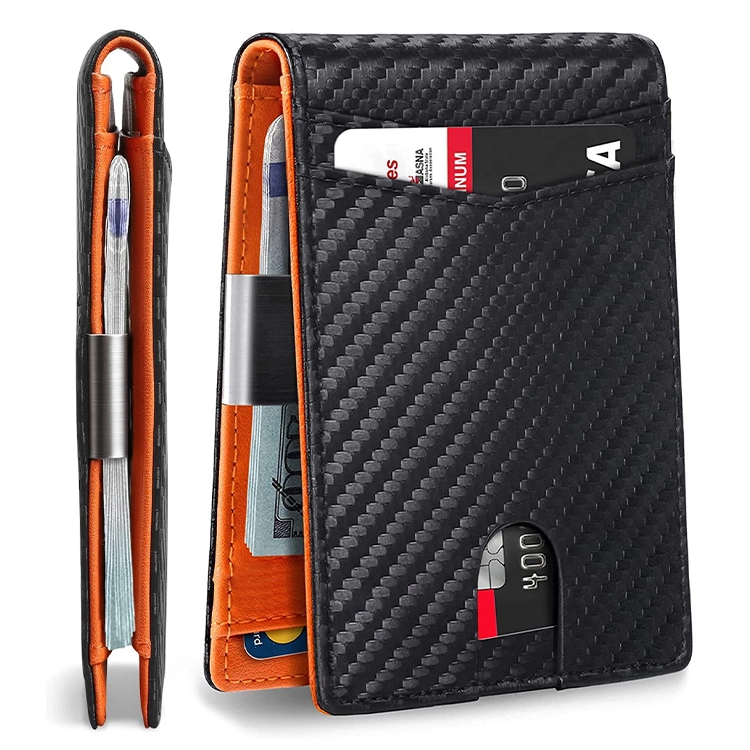
The phrase "wallet in back pocket" remains one of the most searched everyday carry topics because it directly impacts comfort, posture, security, and product design trends.
For decades, back-pocket carry was the default. However, modern lifestyles, digital payments, and ergonomic awareness are reshaping this habit.
From our OEM production insights and customer feedback:
- Many users still prefer back-pocket carry for quick access and habit familiarity
- Complaints are rising around discomfort when sitting and bulkiness
- Increased concern about pickpocketing and RFID theft
This creates both a user problem and a product opportunity—one that brands can solve through better wallet design.
One major information gap in many articles is the long-term physical effect of carrying a wallet in the back pocket.
Industry experts and healthcare professionals often refer to "wallet sciatica," a condition caused by uneven sitting posture.
Key issues include:
- Pelvic imbalance caused by sitting on a thick wallet
- Pressure on the sciatic nerve, leading to lower back pain
- Long-term posture misalignment, especially for office workers and drivers
A simple example:
A customer using a traditional bi-fold wallet (thickness ~2.5 cm when full) reported lower back discomfort after long drives. After switching to a slim aluminum RFID wallet (under 1 cm thick), discomfort significantly decreased within weeks.
This is why ultra-slim wallet design is no longer just aesthetic—it's ergonomic engineering.
Carrying a wallet in the back pocket increases exposure to theft, especially in crowded urban environments.
Common risks:
- Easier access for pickpockets
- Reduced tactile awareness (you cannot feel subtle movement)
- Wallets partially visible, signaling opportunity
From brand-side testing and user surveys:
- Back-pocket theft risk is significantly higher in public transit scenarios
- Slim wallets reduce visibility and improve concealment
- RFID-blocking materials add another layer of digital protection
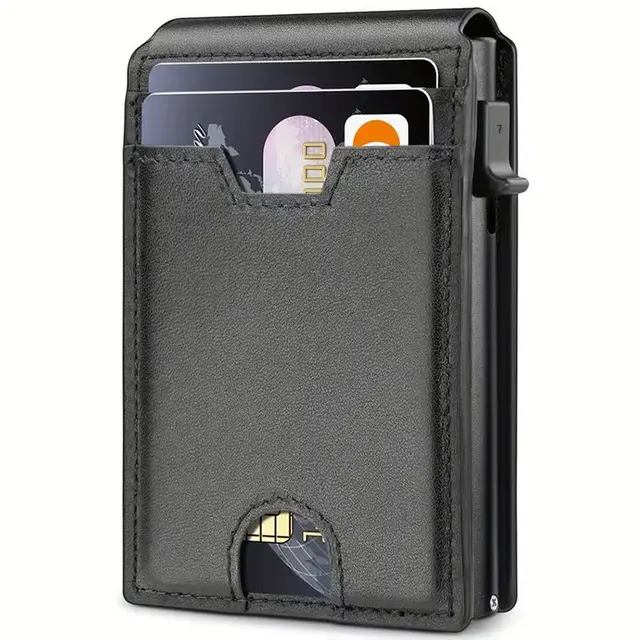
At Gstar Technology, we've seen a clear shift in OEM demand toward minimalist and functional designs.
Key innovations include:
- Ridge-style wallets: Metal construction, slim profile, expandable capacity
- RFID-blocking technology: Protects contactless cards from unauthorized scans
- Quick-access mechanisms: Thumb slots, pop-up card systems
- Hybrid materials: Aluminum + leather combinations for durability and style
These features directly address the weaknesses of traditional back-pocket wallets.
Despite the drawbacks, back-pocket carry is not entirely obsolete. It can still be practical under certain conditions.
Best-case scenarios:
- Using a slim wallet under 1 cm thickness
- Carrying only essential cards (3–6 cards + cash)
- Wearing structured pants (jeans, tailored trousers) that secure the wallet
Avoid back-pocket carry when:
- Sitting for long periods (office work, driving)
- Traveling in crowded areas
- Using thick, overfilled wallets
If users insist on carrying a wallet in the back pocket, optimization is key.
Step-by-step improvement:
1. Declutter contents
Remove unnecessary cards, receipts, and coins
2. Switch to a slim wallet
Choose minimalist designs with structured compartments
3. Rotate carry position
Alternate between front and back pocket to reduce strain
4. Upgrade materials
Use RFID-blocking and durable materials for safety
5. Test ergonomics
Sit, walk, and drive with the wallet to evaluate comfort
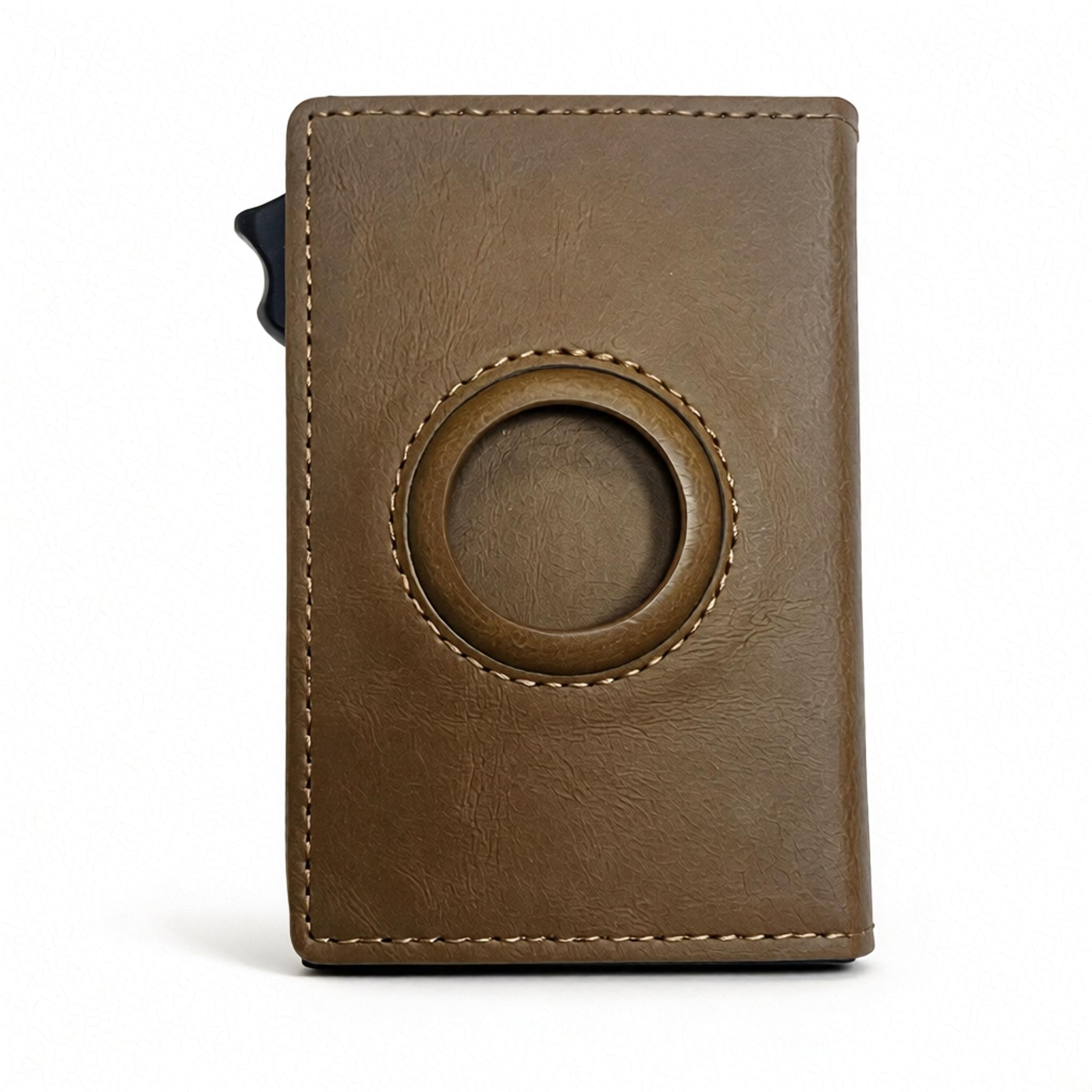
From OEM production data and B2B client trends:
- Demand for minimalist wallets has grown steadily year over year
- Brands prioritize lightweight, durable, and tech-integrated designs
- Consumers value comfort and security over storage capacity
Example:
A European brand we collaborated with reduced wallet thickness by 40% and saw:
- 25% increase in customer satisfaction ratings
- Significant reduction in product return rates
This reflects a broader industry shift: less bulk, more function.
Feature comparison:
- Comfort: Front pocket wins for long sitting
- Security: Front pocket is safer
- Accessibility: Back pocket is faster for habitual users
- Health impact: Front pocket reduces strain
Conclusion: Front pocket carry is generally superior, but back pocket carry can work with optimized wallet design.
Gstar Technology (Shenzhen) Co., Ltd. stands at the forefront of wallet innovation by combining manufacturing precision with real-world user insights.
What sets us apart:
- Deep expertise in slim wallet engineering
- Full OEM/ODM support for global brands
- Advanced RFID protection integration
- Flexible materials: aluminum, leather, carbon fiber
- Proven track record with international clients
We do not just manufacture wallets—we help brands solve user problems and build competitive products.
If you are a brand owner, wholesaler, or product developer looking to create a next-generation wallet that balances comfort, security, and design, Gstar Technology is ready to support your vision.
Contact us today to develop custom slim wallet solutions tailored to modern carry habits.
1. Is it bad to carry a wallet in your back pocket?
It can be harmful if the wallet is thick, as it may cause posture imbalance and back pain over time.
2. What is the safest way to carry a wallet?
Front pocket carry is generally safer, especially in crowded environments.
3. Are slim wallets better for back pocket use?
Yes, slim wallets reduce discomfort and visibility, making them more suitable.
4. What is RFID protection in wallets?
RFID blocking prevents unauthorized scanning of contactless cards, enhancing security.
5. How many cards should a minimalist wallet hold?
Ideally 3–6 essential cards to maintain slimness and usability.

- Harvard Health Publishing – "That Wallet in Your Back Pocket May Be a Pain in the Back"
https://www.health.harvard.edu/pain/wallet-sciatica
- Cleveland Clinic – Sciatica Overview
https://my.clevelandclinic.org/health/diseases/12792-sciatica
- Consumer Reports – Everyday Carry Safety Tips
https://www.consumerreports.org
- Statista – Wallet and Payment Trends
https://www.statista.com
- RFID Journal – RFID Security Basics
https://www.rfidjournal.com
Hot Tags: China, Global, OEM, private label, manufacturers, factory, suppliers, manufacturing company


