

Views: 274 Author: Princee Lee Publish Time: 03-02-2026 Origin: Princee Lee


Content Menu
>> Introduction
>> Definition and basic design
>> Types of metal wallets for ID cards and cash
>> Security: RFID blocking and physical protection
>> Accessibility and convenience
● Benefits of Using a Metal Wallet for ID Card and Cash
>> Slim profile and minimalist carry
● Drawbacks and Considerations
● Popular Materials and What They Mean
>> Aluminum
>> Titanium
>> Composite and hybrid materials
● How to Choose the Right Metal Wallet for Your ID and Cash
>> Step-by-step selection guide
>> Brand and marketplace snapshot
>> Everyday carry for commuters
>> Professional and uniformed roles
● How to Carry Cash Efficiently in a Metal Wallet
>> Repair, replacement parts, and warranty
● Styling, Personalization, and Gifting
>> Choosing a look that fits you
● Buying Tips and Common Pitfalls
>> Try before you buy (when possible)
>> Beware of overpromised RFID claims
>> Fit your habits, not trends
● Extended Use Scenarios and Advanced Tips
>> Combining a metal wallet with a slim card organizer
>> Using metal wallets with contactless systems
>> Custom modifications and aftermarket parts
● Frequently Asked Questions (Q&A)
● At Least 5 Related Questions and Answers
- Core idea: A metal wallet designed for ID cards and cash combines durability, a slim profile, and security into a compact everyday carry solution.
- Why it matters: For people who want to minimize pocket bulk while keeping essential items — an ID, a few cards, and some folded cash — a metal wallet can be a practical, long-lasting, and stylish alternative to larger leather or fabric wallets.
A metal wallet is a slim, rigid cardholder typically made from metals such as aluminum, titanium, or stainless steel that stores cards and sometimes folded cash in a compact form. These wallets are often constructed from two plates that clamp cards together, or from a single molded shell with internal spacing and a cash-holding solution. The rigid nature of metal wallets prevents cards from bending and offers built-in shielding against electronic skimming in many designs.
- Minimal clamshell cases that open to reveal a small compartment for an ID and flat space for folded bills are common for those who want maximum protection and a bit more room.
- Plate-style cardholders with two metal plates secured by screws, spacers, or elastic bands sandwich cards and sometimes leave a slot or external clip for cash.
- Hybrid designs combine metal frames with leather, carbon fiber, or elastic straps to provide a softer touch and features such as transparent ID windows or quick-access straps.
- Mechanized or “card-fanning” models include a push or slide mechanism that fans cards out for quick selection, which is useful when you need frequent access to multiple cards.
- Card capacity: Determine how many cards you use daily; metal wallets typically range from one to a dozen card capacity depending on model.
- ID visibility: If you frequently need to show an ID, choose a wallet with a designated ID slot or a model that enables easy card removal without disassembling the wallet.
- Integrated money clip: A built-in clip keeps folded bills in place and provides quick access.
- Elastic or strap system: Elastic bands or leather straps secure cash and receipts without adding much bulk.
- Clamshell pocket: Some metal cases open to a small pocket that can hold unfolded or less-folded bills and receipts.
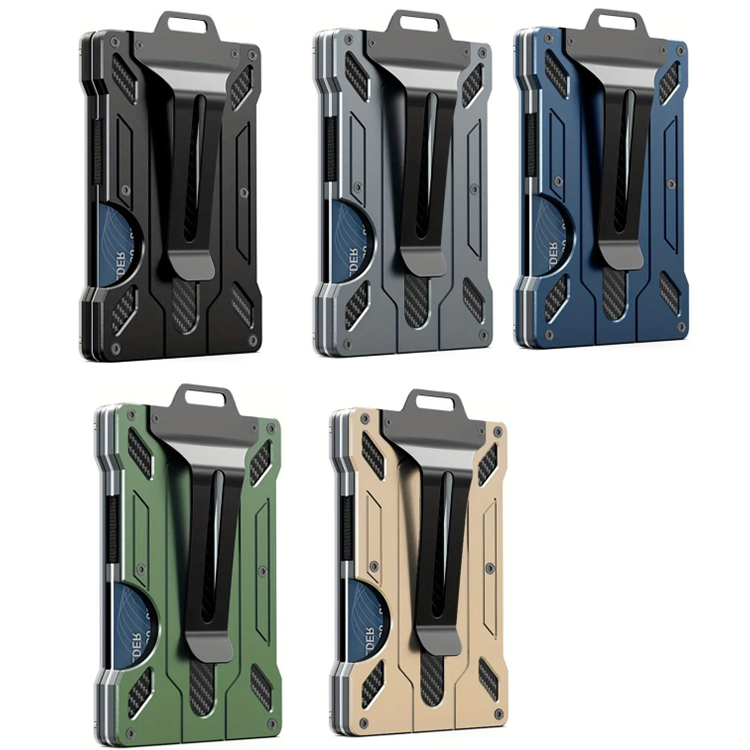
- Solid metal plates can naturally block radio frequencies used in contactless card communications, offering passive RFID protection.
- The metal shell protects cards from bending, cracking, and physical damage better than soft wallets.
- Consider whether the wallet's RFID protection is passive (metal shielding) or actively marketed with tested blocking claims.
- Card ejection mechanism: Premium options include a button or tab to fan cards for easy selection.
- Quick-swap features: Transparent windows, side slots, or quick-pull tabs make it easier to display an ID or remove a frequent-use card without unpacking everything.
Metal wallets excel at removing unnecessary bulk and keeping only essentials, which reduces pocket print and improves comfort while sitting or moving. They typically occupy less depth in a pocket than traditional leather bifolds.
High-quality metal wallets resist scuffs, water exposure, and daily wear much longer than many textile alternatives, and materials like titanium and anodized aluminum maintain structural integrity and visual appeal for years. Evidence from recent buyer guides and product roundups shows many consumers choose metal wallets for their long-lasting finishes and toughness.
Metal wallets provide good physical protection and passive RFID blocking, which adds an extra layer of defense against casual skimming of contactless cards. Reviewers of top metal wallets frequently highlight RFID blocking and physical protection as key reasons for purchase.
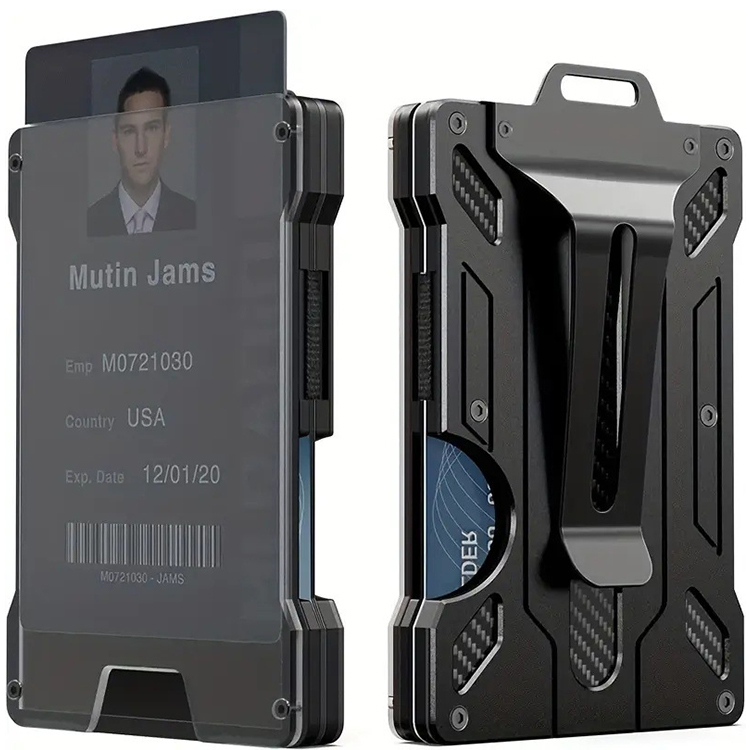
- Weight and rigidity: Metal wallets can be heavier and less flexible than leather or fabric options, which may affect comfort.
- Limited capacity: Minimalist designs sacrifice storage for thinness; if you carry many cards, cash, or receipts, a metal wallet may not be sufficient.
- Comfort and edges: Sharp or unrounded edges on cheaper models can be uncomfortable in a pocket; look for rounded edges and smooth finishes.
- Contactless payments: A card left inside a dense metal wallet might not work reliably with tap-to-pay systems; many users remove the payment card for transactions or choose a wallet with a quick-eject mechanism.
- Security screening: While rare, heavier or unusual metal items could invite closer inspection during airport security checks or specialized screenings.
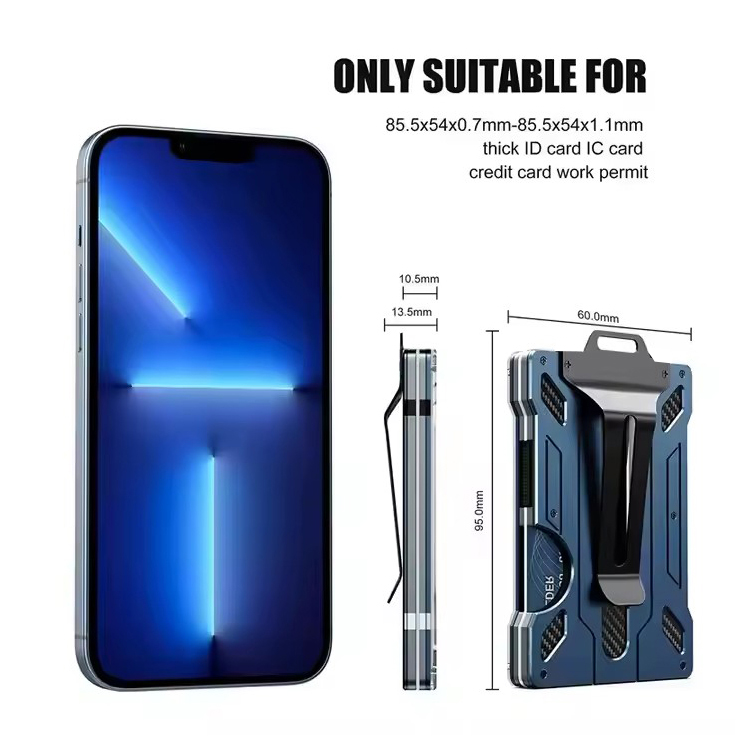
Aluminum is lightweight, affordable, and widely used for metal wallets, often anodized for color options and surface finishes. Anodized aluminum offers a balance of lightness and aesthetic variety ideal for daily carry.
Titanium offers an exceptional strength-to-weight ratio and superior corrosion resistance, making it a premium choice for those seeking durability with lighter weight than steel. Titanium models tend to be more expensive but provide outstanding longevity and a premium feel.
Stainless steel is heavier but extremely tough and resistant to deformation; it's a solid choice for users who prioritize structural robustness over absolute lightness. Steel often has a polished or bead-blasted finish for a classy look.
Some manufacturers combine metal plates with carbon fiber, leather, or elastics to achieve better ergonomics, weight savings, or styling while keeping the protective benefits of metal.
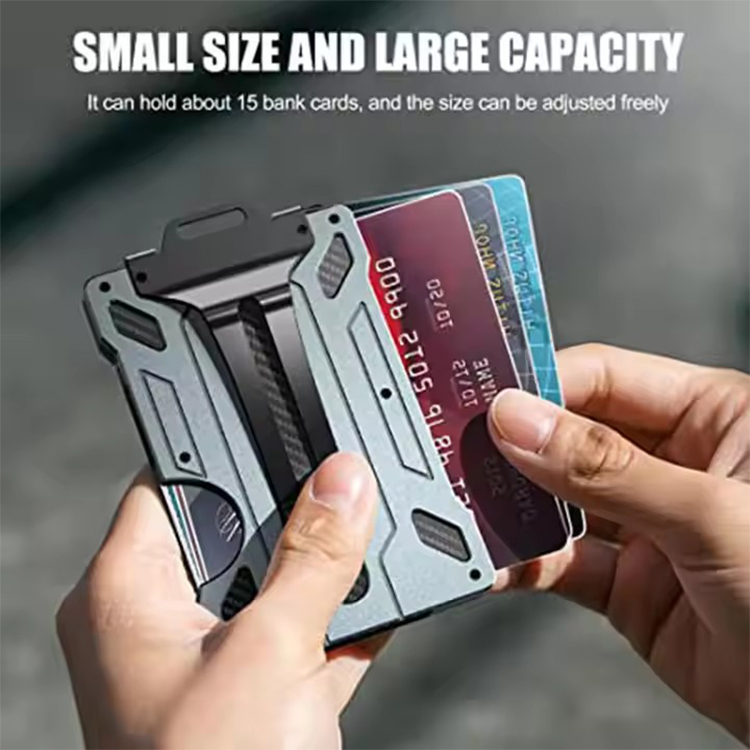
- Step 1: Inventory your essentials — list the cards you use daily, whether you carry cash, receipts, or a work ID, and how often you need to present ID.
- Step 2: Prioritize features — decide whether RFID blocking, a money clip, card-fanning, or an ID window are must-haves.
- Step 3: Match material to preference — aluminum for a budget-friendly lightweight option, titanium for premium durability, or stainless steel for ruggedness.
- Step 4: Evaluate ergonomics — check dimensions, edge finishing, and thickness to ensure pocket comfort.
- Step 5: Check warranty and return policies — many reputable brands offer warranties and clear return windows, which is useful for long-term satisfaction and peace of mind. Several buyer guides highlight brand reputations and warranty policies as important selection criteria.
There are mainstream brands specializing in minimalist metal wallets and a variety of smaller makers offering handcrafted or premium metal options. Product roundups and reviews regularly recommend a handful of consistent names and point to materials and mechanisms — such as quick-release systems and money clips — as differentiators between models.
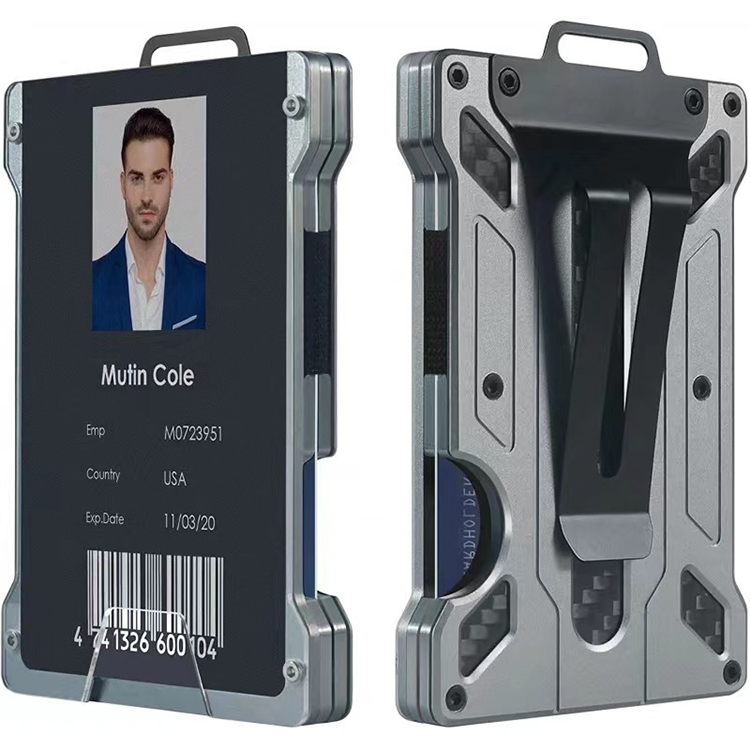
For everyday commuting, a metal wallet that holds one ID, two payment cards, and a small amount of folded cash is usually sufficient and comfortable for front-pocket carry. The slim profile reduces bulk and improves comfort during commutes and long walks.
A metal wallet with RFID shielding helps protect passport cards and contactless bank cards in crowded travel environments, although full passports do not fit in most metal wallets and should be carried in a dedicated travel document pouch. Expert roundups and travel guides emphasize that metal wallets can be helpful on urban travel routes where electronic skimming is a concern.
For jobs requiring frequent ID presentation, choose wallets with quick-access ID windows or side slots. Metal wallets withstand the wear-and-tear of uniforms and fieldwork better than many leather wallets, making them attractive for certain professions.
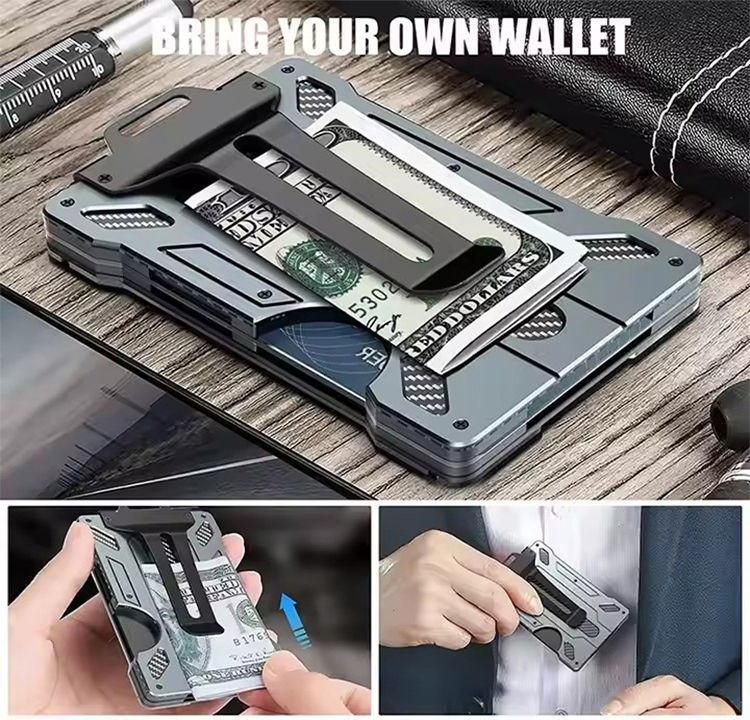
- Fold bills minimally to reduce thickness; a single fold (half) is often enough for money clips, while thirds or quarters may be necessary for compact clamshells.
- Use a money clip for quick access or an elastic strap for more secure storage of multiple bills and receipts.
- Only carry the cash you expect to use to keep the wallet slim and pocket-friendly.
- Place your primary card at the front for rapid access and stack secondary cards behind.
- Keep fragile laminated IDs away from potential sharp edges by sandwiching them between softer cards or placing them in a protective sleeve if needed.
- Wipe metal surfaces regularly with a soft microfiber cloth and use mild soap and water for stubborn grime, ensuring you dry the wallet thoroughly to prevent moisture trapping.
- Avoid abrasive cleaners or pads on anodized or coated finishes to prevent visible damage.
- Inspect screws, straps, and clips periodically and tighten or replace hardware according to manufacturer guidelines.
- Many reputable brands offer warranty coverage or repair services for defects and normal wear; keep purchase documentation for warranty claims.
- Replaceable components such as elastic bands, screws, or clips may be available from manufacturers or third-party vendors. DIY fixes should follow manufacturer instructions to avoid voiding warranties. Buyer and gear reviews note the value of replaceable components and accessible customer service when choosing a brand.

Metal wallets come in a variety of finishes, from raw brushed metal to anodized colors and laser-etched patterns, allowing choices that range from understated and professional to bold and expressive. Engraving options are commonly offered for personalization and make for excellent gifts.
Pair a metal wallet with a slim phone case, minimalist key organizer, or a protective pouch to create a cohesive carry kit. Some users like to coordinate metal finishes across accessories for a unified aesthetic.
If you can, test the wallet's size and feel in your pocket at a store to check comfort and accessibility, especially edge finishing and thickness.
Some products market RFID blocking without clear testing specifications; if RFID blocking is a priority, favor brands that describe their blocking method and offer third-party testing or clear technical claims.
Choose a wallet based on your daily needs, not solely on trends. If you rely heavily on cash, a minimal metal wallet may cause daily friction; if you travel frequently and want compact security, a metal wallet could be ideal.
If you occasionally need more storage, use a slim leather or fabric pouch in your bag for receipts and extra cards while keeping your metal wallet for daily essentials.
If you frequently use tap-to-pay, consider keeping one payment card outside the wallet for transactions or choose a model with a quick-eject mechanism to present the card easily.
Some enthusiasts customize wallets with anodized finishes, engraving, or custom elastic bands; however, custom modifications can void warranties, so check with the manufacturer before altering a device.
- How many cards can a typical metal wallet hold?
Most metal cardholders hold between one and twelve cards depending on model and whether you include a cash strap or clip.
- Will a metal wallet block contactless payments?
Dense metal shells can interfere with NFC if the card stays inside during a tap-to-pay transaction, so many users remove the payment card for payments or choose a wallet with card-ejection features.
- Are metal wallets better than leather wallets?
“Better” depends on priorities: metal wallets excel at slimness, durability, and RFID blocking, while leather wallets typically offer more pockets, a softer feel, and more traditional styling.
- Can I carry coins in a metal wallet?
Most metal wallets are not optimized for loose coins; coins can add thickness and rattle, so a separate coin pouch is recommended.
- Do metal wallets set off metal detectors?
Small metal wallets generally do not cause problems, but very dense metal objects can occasionally trigger additional screening at airports or secure facilities.
Q1. Q: Are metal wallets safe for passports and larger ID cards?
A1: Metal wallets are suitable for standard-sized ID cards and passport cards, but full passports are typically too large for most models and should be carried separately.
Q2. Q: How do I prevent scratches on an anodized metal wallet?
A2: Avoid contact with keys and abrasive surfaces, store the wallet in a pocket or slim pouch, and consider a protective sleeve if you carry it alongside rough items.
Q3. Q: Can metal wallets cause my cards to demagnetize?
A3: Most modern cards use chip-and-pin technology rather than magnetic stripes, so demagnetization is unlikely from a metal wallet; still, treat older magnetic-only cards with care.
Q4. Q: Is RFID blocking really necessary?
A4: RFID blocking provides protection against casual skimming and can add peace of mind for many users, particularly in crowded urban and travel environments.
Q5. Q: What's the best way to clean a stainless-steel cardholder?
A4: Clean with a soft cloth and mild soapy water, rinse, and dry immediately; avoid strong acids, bleach, or abrasive pads to protect the finish.
Metal wallets for ID cards and cash are an excellent option for people who prioritize minimalism, durability, and enhanced physical protection. Selecting the right model requires balancing capacity, material, access mechanisms, and comfort. Proper care, realistic expectations about capacity, and attention to ergonomics will ensure you get the most from a metal wallet as part of a streamlined everyday carry setup.


