

Views: 248 Author: Princee Lee Publish Time: 03-11-2026 Origin: Princee Lee


Content Menu
>> The Historical Evolution of the Everyday Carry
>> Anatomy of Excellence: Breaking Down the Classic Wallet
>> Material Matters: Why Leather Reigns Supreme
>> The Engineering of Storage: Slots, Sleeves, and Compartments
>> Functionality in the Modern Age: Why We Still Need Cash
>> Aesthetic Appeal and the Professional Image
>> Minimalist Movement vs. The Classic Bifold: Finding the Balance
>> The Importance of RFID Protection in Classic Designs
>> Investing in Quality: How to Spot a Wallet That Lasts a Lifetime
>> Care and Longevity: Preserving Your Heirloom Piece
>> The Psychological Connection to the Wallet
>> Conclusion: The Enduring Legacy of the Classic Wallet
In an era increasingly dominated by digital transactions, smartphone payments, and virtual currencies, the physical wallet remains one of the most personal and essential items a person can carry. Among the various designs that have emerged over the decades, the classic card and cash wallet stands as a testament to enduring utility and sophisticated aesthetics. It is more than just a container for currency; it is a reflection of one's lifestyle, an organizer of daily essentials, and a tactile link to the tradition of fine leather craftsmanship. This exploration delves into the history, anatomy, and cultural significance of the classic wallet, while providing insights into how to choose and maintain a piece that can last a lifetime.
The journey of the wallet is inextricably linked to the history of currency itself. Before the invention of paper money, ancient civilizations used pouches made of leather or cloth to carry coins, precious stones, and basic tools. These early "purses" were often worn hanging from a belt, serving a purely functional purpose. However, as the Renaissance approached and the complexity of commerce grew, the need for a more structured way to carry assets became apparent.
The introduction of paper currency in the 17th century was the true catalyst for the modern wallet design. Large, floppy pouches were no longer practical for flat bills. The term "wallet" began to refer specifically to a flat case for carrying money. By the 19th century, the bifold design started to take shape, allowing gentlemen to tuck their notes into a pocket rather than dangling them from their waist. The 20th century, particularly the post-World War II era, saw the rise of the "classic" leather bifold we recognize today. With the introduction of the first credit cards in the 1950s, the anatomy of the wallet changed again, incorporating dedicated slots for plastic cards alongside the traditional bill compartment.
What defines a "classic" card and cash wallet? While styles vary from the traditional bifold to the more expansive trifold, the core elements remain consistent. Understanding these components is essential for appreciating the engineering that goes into a high-quality accessory.
The exterior of a classic wallet is its first line of defense and its primary aesthetic statement. High-quality wallets are almost exclusively made from animal hides, with cowhide being the most common due to its durability and availability. However, the grade of the leather is what separates a supermarket impulse buy from a luxury heirloom. Full-grain leather, which includes the outermost layer of the hide, is the gold standard. it retains the natural grain and imperfections of the animal, allowing it to develop a unique patina over time.
Inside the wallet, the layout is designed for logical access. A classic configuration typically includes a long horizontal slot for unfolded banknotes, several vertical or horizontal card slots, and often "hidden" pockets behind the card sections for receipts or less frequently used items. Some classic designs also include a small coin pouch, though this is more common in European and Asian markets than in North America.
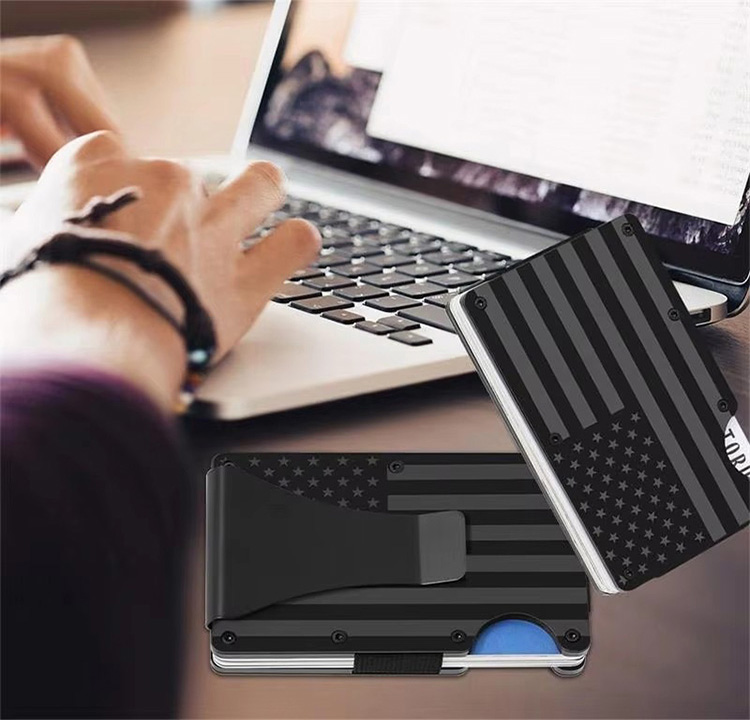
Despite the advent of synthetic fabrics like nylon, carbon fiber, and recycled plastics, leather remains the undisputed king of wallet materials. The reasons for this are both practical and emotional. Leather is a biological material that "breathes" and adjusts to the shape of its contents. Unlike a rigid plastic or metal card holder, a leather wallet will gradually mold itself to the user's pocket and the specific number of cards they carry.
Vegetable tanning is a specific process often found in high-end classic wallets. This traditional method uses natural tannins found in bark, leaves, and fruits. It is a slow process that can take weeks or even months, but it results in a leather that is sturdy, smells "earthy," and ages beautifully. Chrome tanning, by contrast, is a chemical-heavy process that is faster and cheaper, resulting in a softer, more uniform leather that lacks the aging potential of vegetable-tanned hides. For the connoisseur of the classic card and cash wallet, the choice of leather is the most critical decision in the purchasing process.
A common mistake in wallet design is prioritizing quantity over quality. A wallet with twenty card slots might seem useful, but it quickly becomes a "Costanza wallet"—a bulky, uncomfortable mass that ruins the silhouette of a suit and causes back pain when sat upon. The classic design focuses on efficiency.
The card slots in a premium wallet are usually "turned" or "skived." Skiving involves thinning the edges of the leather so that when multiple layers are sewn together, the resulting stack isn't overly thick. This allows a wallet to hold six to eight cards while maintaining a slim profile. Furthermore, the lining of the cash compartment is often forgotten but remains vital. A silk or high-denier polyester lining allows bills to slide in and out smoothly without catching on the rough underside of the leather.
With the rise of Apple Pay and contactless credit cards, critics often claim that the cash-carrying aspect of a wallet is obsolete. However, real-world experience suggests otherwise. Cash remains the ultimate fallback. In many parts of the world, from rural markets in Southeast Asia to small bistros in Europe, cash is still the preferred—or only—method of payment.
Furthermore, carrying cash serves a psychological purpose. It provides a tangible sense of one's budget and acts as an emergency reserve. A classic wallet that provides a dedicated, protected space for bills ensures that money stays crisp and organized. Whether it is for tipping at a hotel, paying for a taxi when the card reader fails, or contributing to a group dinner bill, the "cash" half of the card and cash wallet remains an essential tool for the prepared individual.
The items we pull out of our pockets at a business lunch or a first date say a lot about our attention to detail. A tattered, velcro-sealed nylon wallet might have been appropriate in middle school, but it lacks the gravitas required in professional adult life. A classic leather wallet is a silent communicator of maturity and taste.
The color of the wallet also plays a role in this aesthetic. Dark brown, tan, and black are the traditional pillars of the classic palette. Tan leather is often favored by those who want to see their wallet age and darken into a rich mahogany. Black is the choice for formal elegance, matching perfectly with black dress shoes and belts. By choosing a classic design, an individual ensures that their accessory will never go out of style, regardless of shifting fashion trends.
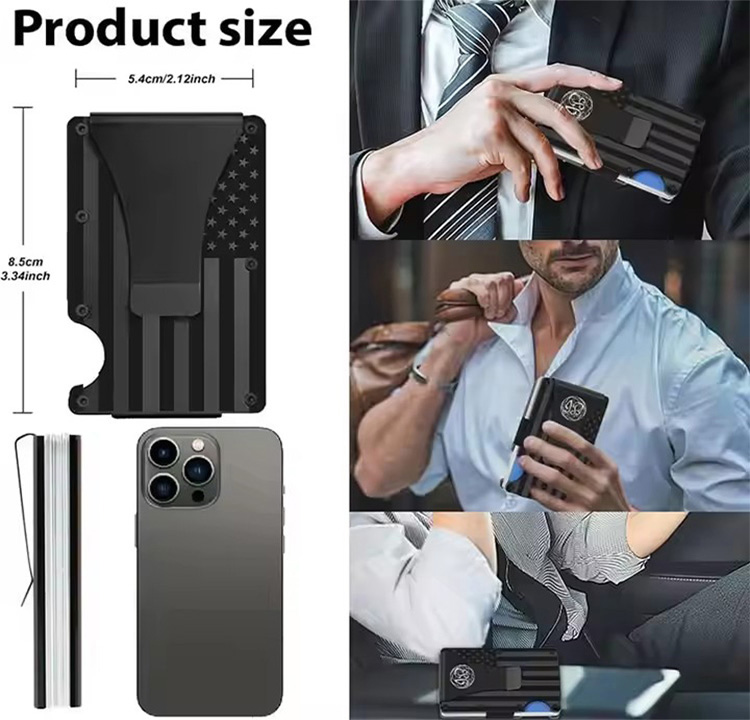
In recent years, the "minimalist wallet" movement has gained significant traction. These are often small metal sandwiches or elastic bands designed to hold only three or four cards and a folded-up "emergency" bill. While these have their place for athletes or those traveling light, they often lack the versatility of the classic bifold.
The classic card and cash wallet strikes a balance. It offers enough room for the essentials—ID, primary credit card, debit card, insurance card, and cash—without being unnecessarily cumbersome. It protects the magnetic strips and chips of the cards better than an open-faced minimalist holder, and it provides a level of privacy; when you open a bifold, the world doesn't necessarily see every card you own. The classic design is the "Goldilocks" of the EDC (Everyday Carry) world: not too big, not too small, but just right.
As technology evolves, so do the threats to our financial security. Many modern credit cards and passports contain Radio Frequency Identification (RFID) chips that transmit data wirelessly. "Digital pickpockets" can theoretically use scanners to steal this information through the walls of a standard leather wallet.
Manufacturers of classic wallets have adapted to this by incorporating ultra-thin metallic linings between the leather layers. These linings act as a Faraday cage, blocking the radio waves and protecting the cards inside. When shopping for a classic card and cash wallet today, RFID protection is a feature that adds modern peace of mind to a traditional form factor. It is a perfect example of how classic items can evolve to meet contemporary needs without sacrificing their heritage look.
Price is not always an indicator of quality, especially when "designer" labels are involved. To find a truly excellent classic wallet, one must look at the construction. First, examine the stitching. It should be straight, tight, and even. Back-stitching at the ends of the slots prevents the thread from unraveling over time. Hand-sewn wallets using a "saddle stitch" are particularly durable because if one thread breaks, the others remain locked in place.
Second, check the edges. High-quality wallets feature "burnished" or "painted" edges. Burnishing involves friction-heating the leather edges with a wooden tool until they become smooth and sealed. This prevents the leather from fraying or absorbing moisture. Lower-quality wallets often leave the edges raw or use a cheap plastic paint that will crack and peel within months.
Finally, consider the source of the leather. Hides from reputable tanneries like Horween in the USA, Hermann Oak, or various Italian tanneries in Tuscany are signs that the manufacturer has invested in the best raw materials. A good wallet should feel substantial but not stiff; it should have a pleasant, natural aroma and no chemical scent.

A classic leather wallet is an investment, and like any investment, it requires a small amount of maintenance to reach its full potential. The most common mistake is overstuffing. Leather is elastic, but once it has been stretched out by a dozen unnecessary receipts and twenty different loyalty cards, it will not shrink back. This ruins the shape of the wallet and puts undue stress on the stitching.
To keep the leather healthy, it should be cleaned and conditioned once or twice a year. A damp cloth can remove surface dirt, followed by a specialized leather cream or balm to restore oils and prevent cracking. Avoid getting the wallet soaking wet; if it does get caught in the rain, let it air dry slowly away from direct heat sources like radiators, which can make the leather brittle. With proper care, a classic full-grain leather wallet can easily last fifteen to twenty years, eventually becoming a cherished personal item that tells the story of the owner's life through its unique wear patterns.
There is a profound psychological comfort in a well-organized wallet. In a chaotic world, the wallet is a small domain where we have total control. Knowing exactly where your ID is, having cash ready for a quick transaction, and feeling the sturdy weight of a leather piece in your pocket provides a sense of readiness and stability.
The wallet is also one of the few items we carry that truly ages with us. Our phones are replaced every two years; our clothes wear out and are discarded. But a wallet stays. It sits in our pockets through job interviews, weddings, travels, and daily commutes. It absorbs the oils from our hands and the shape of our bodies. This longevity creates an emotional bond; many people find it difficult to switch to a new wallet even after their old one is falling apart because the old one has become a part of their identity.

The classic card and cash wallet is far more than a relic of the past; it is a masterpiece of functional design that continues to prove its worth in the digital age. By combining the ancient art of leatherworking with the practical needs of modern commerce, it offers a solution for organization that is as beautiful as it is durable. Whether you are a minimalist looking to streamline your life or a traditionalist who appreciates the finer things, the classic bifold or trifold remains the gold standard for carrying one's wealth and identity.
In choosing a wallet, we choose how we interact with the world of value. We choose to be prepared for the unexpected, to appreciate craftsmanship over mass production, and to carry a piece of history in our pockets. As long as there is physical currency and as long as we carry cards that define who we are and what we can do, the classic card and cash wallet will remain an indispensable companion on the journey of life.
Q1: What is the difference between bifold and trifold wallets?
A1: A bifold wallet folds once in the middle, making it generally slimmer and better for front or back pocket carry. A trifold wallet folds twice, creating three sections. Trifolds usually offer more card slots but are significantly bulkier than bifolds.
Q2: Is RFID protection really necessary for a leather wallet?
A2: While the actual risk of "digital pickpocketing" is relatively low, RFID protection provides an extra layer of security for peace of mind, especially if you travel frequently or carry many contactless cards. Most high-quality modern wallets now include it as a standard feature.
Q3: How many cards should I realistically keep in a classic wallet?
A3: To maintain the shape and longevity of the leather, it is best to limit yourself to 6–8 essential cards. Overstuffing can stretch the leather permanently and weaken the stitching.
Q4: How do I tell if a wallet is made of "real" leather?
A4: Look for labels like "Full Grain" or "Top Grain." Avoid anything labeled "Genuine Leather" or "Bonded Leather," as these are lower-quality products made from scraps. Real leather also has a distinct, earthy smell and slightly irregular pore patterns.
Q5: Can I wash my leather wallet if it gets dirty?
A5: You should never submerge a leather wallet in water. Use a slightly damp cloth for surface stains and a dedicated leather cleaner for deeper dirt. Always apply a conditioner afterward to keep the leather supple.


