

Views: 220 Author: Princee Lee Publish Time: 03-26-2026 Origin: Princee Lee


Content Menu
● What Is a Mechanic Wallet (And Who Actually Needs It)?
● Key Features That Define a High‑Quality Mechanic Wallet
● Mechanic Wallet vs Traditional Wallets vs Ridge‑Style Wallets
● Why Mechanic Wallets Are Perfect for OEM and Private‑Label Brands
● Design Insights From Real Workshop and EDC Users
● Expert View: How to Engineer a Mechanic Wallet That Actually Survives the Workshop
● How Mechanic Wallets Fit Into a Complete EDC and Automotive Product Line
● Practical Buying Guide: How to Choose the Right Mechanic Wallet
● OEM Collaboration: How Gstar Technology (Shenzhen) Co., Ltd. Supports Mechanic Wallet Projects
● UX & Content Strategy: How to Present Mechanic Wallets on Your Website
● Clear Call‑to‑Action for Brands and Buyers
As someone who has spent years around garages, manufacturing floors, and EDC (everyday carry) enthusiasts, I've seen mechanic wallets quietly evolve from a niche accessory into a serious tool for productivity, security, and brand storytelling. A mechanic wallet is no longer just a card holder; it's a compact, RFID‑blocking, impact‑resistant organizer designed for people who work with their hands but think like professionals. For brands and distributors, it's also one of the most high‑potential product categories in the wallet market.
A mechanic wallet is a compact, often metal or reinforced wallet engineered to survive harsh environments like workshops, construction sites, and factory floors, while keeping cards, IDs, and cash secure and easy to access. Unlike traditional leather billfolds, these wallets focus on slim design, RFID blocking, and maximum durability.
The typical mechanic wallet user is:
- A professional mechanic, technician, or engineer who needs an ultra‑slim wallet that won't dig into the hip when working in tight spaces.
- A DIY or car enthusiast who values rugged materials and tool‑like design.
- A minimalist EDC fan who wants a modern alternative to bulky wallets that still looks clean in the office or workshop.
From a product strategy perspective, mechanic wallets sit at the intersection of EDC, lifestyle, and industrial design – making them perfect hero products for brands looking to differentiate in a crowded wallet market.
To design or choose a mechanic wallet that truly stands out, you need to understand the features that matter most to real users.
Core features customers expect:
- Slim profile: Typically 6–12 cards plus some cash, with a form factor that fits in a front pocket without printing through work pants.
- RFID blocking: Metal or RFID‑shielding layers to protect payment cards and ID from wireless skimming.
- Impact and scratch resistance: Aluminum, stainless steel, or carbon fiber plates; reinforced edges; secure screws or elastic bands.
- Secure card retention: Tension plates, high‑elasticity bands, or internal frames that hold cards even when the wallet is dropped.
- Fast access: Thumb slots or cut‑outs allowing users to push cards out quickly, even with dirty or gloved hands.
- Optional cash solution: Money clip or elastic strap for folded cash and receipts.
For OEM partners, these are non‑negotiable requirements if you want to compete with leading minimalist and Ridge‑style wallets in overseas markets.

From both a user and brand perspective, it helps to clearly position mechanic wallets against other wallet types.
Wallet type overview
| Wallet Type | Typical Materials | Main Use Scenario | Pros | Cons |
|---|---|---|---|---|
| Mechanic wallet | Metal, carbon fiber, TPU, leather accents | Workshops, garages, EDC | Ultra durable, RFID‑safe, slim, "tool‑like" look | May feel rigid, small learning curve for use |
| Traditional leather | Full‑grain or split leather | Office, casual daily use | Familiar, soft, premium feel | Bulky, poor sweat/oil resistance, no RFID by default |
| Ridge‑style wallet | Aluminum, titanium, carbon fiber | EDC, tech‑savvy users | Very slim, highly durable, strong brand identity | Can be expensive, not always optimized for gloves |
A well‑designed mechanic wallet combines the ruggedness of tool‑grade gear with the minimalism and aesthetic of Ridge‑style wallets, while remaining price‑competitive for wholesale and private‑label programs.
From the perspective of an OEM factory working with foreign brands, distributors, and e‑commerce sellers, mechanic wallets are a category with excellent scalability and storytelling potential.
Why this category performs well internationally:
- Strong differentiation: "Mechanic wallet", "tactical wallet", and "EDC wallet" are all high‑intent, niche keywords that allow brands to avoid direct price wars with generic wallets.
- Visual branding opportunities: Metal plates, screws, clips, and bands create multiple surfaces for laser engraving, logo stamping, and custom colors.
- Cross‑selling potential: Perfectly pairs with RFID card cases, key organizers, PSA card slabs, anti‑collision strips, and other EDC accessories in a single brand ecosystem.
- Gift‑ready positioning: Mechanic wallets sell well as Father's Day, Christmas, and birthday gifts for "the guy who already has all the tools."
An OEM like Gstar Technology (Shenzhen) Co., Ltd. can leverage existing experience in Ridge wallets, RFID card holders, genuine leather wallets, keychains, PSA card slabs, and protective strips to help partners build a full product line around the mechanic wallet concept.
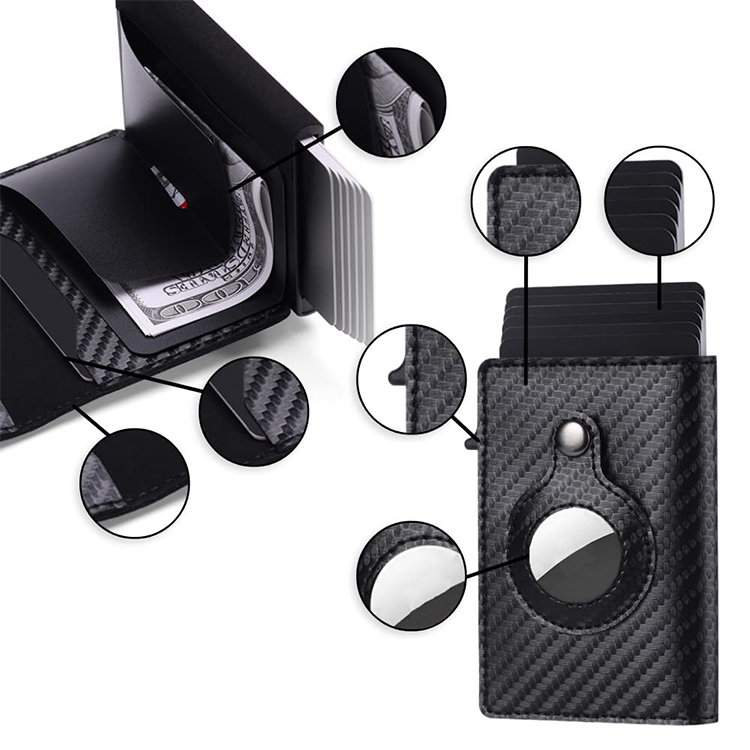
When you listen to real customers – mechanics, drivers, and EDC fans – several consistent themes show up in their reviews and feedback.
What users praise most often:
- The wallet doesn't dig into the hip when bending, kneeling, or sliding under vehicles.
- Cards stay secure even when the wallet is dropped on concrete or knocked off a workbench.
- The tactile feel: metal frames, smooth edges, and precise screws make the wallet feel like a high‑quality tool.
- The minimalist style replaces a "thick, old‑school" wallet, making front‑pocket carry more comfortable.
Common pain points you must avoid in design:
- Over‑tight bands or plates that make it hard to pull cards out with oily or gloved fingers.
- Sharp corners or exposed screws that can scratch car interiors, phones, or other tools.
- Coatings that chip easily when in contact with keys, sockets, or concrete.
If you're developing a private‑label mechanic wallet, the fastest way to win loyalty is to solve these pain points better than established brands — for example, by refining edge chamfering, improving card‑slide cut‑outs, and testing multiple elastic tensions before mass production.
Speaking as a product and UX specialist, a truly professional‑grade mechanic wallet should be treated like a tool, not just an accessory. That means designing from the environment backwards.
1. Materials and structure
- Metal core: CNC‑machined aluminum or stainless steel plates for rigidity and RFID protection.
- Shock resistance: Slight flex through bands or internal spacers to absorb impacts instead of cracking coatings.
- Edge treatment: Rounded or chamfered edges to protect hands, tools, and surfaces.
2. Ergonomics for dirty and gloved hands
- Deep thumb cut‑outs that allow users to fan cards out quickly.
- High‑friction surfaces or subtle textures where fingers grip the wallet.
- Simple, tool‑less assembly where possible – users should not need special screwdrivers to make basic adjustments.
3. Real‑world stress testing
Before launching, every design should be validated with:
- Drop tests on concrete from pocket height and above.
- Exposure to oil, grease, sweat, and temperature changes.
- Repeated card insertion/removal cycles to ensure bands and plates don't deform too quickly.
An OEM partner experienced in export markets can build this testing into your development process, helping your brand avoid costly returns and low‑star reviews.
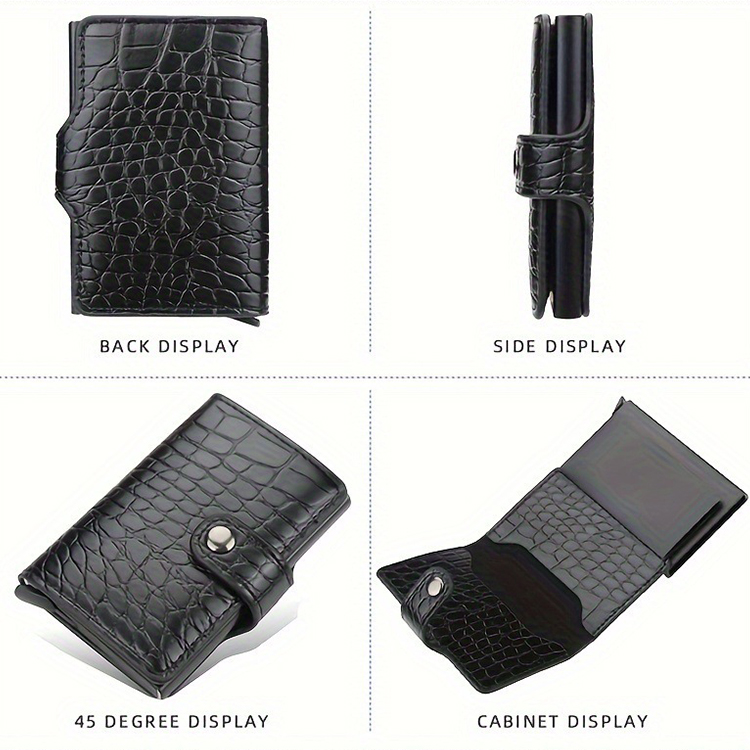
Mechanic wallets work best when they're positioned as part of a cohesive everyday carry ecosystem, not as a stand‑alone SKU.
You can build powerful bundles and brand stories by combining:
- Mechanic wallet + RFID card holder: For users who split work IDs and personal cards.
- Mechanic wallet + key organizer or keychain: Keeps keys from scratching the metal body and lets you tell a "no jingle, no clutter" story.
- Mechanic wallet + PSA card slab or tool‑themed accessories: For collectors and enthusiasts who like automotive‑themed gear.
- Mechanic wallet + anti‑collision strips: Perfect for automotive shops or tuning brands, tying together protection for both car and personal belongings.
With an OEM that already manufactures these product types, you can maintain consistent materials, colors, and packaging, strengthening your brand identity across categories.
If you're a buyer, distributor, or brand owner evaluating mechanic wallet samples, use this quick checklist.
Key questions to ask:
1. Capacity: How many cards does it comfortably hold without overstretching or making access difficult?
2. RFID protection: Is the design fully closed with metal or shielding layers around all RFID cards?
3. Comfort: Does it sit flat in the front pocket? Does it cause pressure when sitting, kneeling, or leaning?
4. Durability: Are screws, bands, and plates secure after repeated use? Are coatings resistant to scratching and chipping?
5. Branding options: Can you customize colors, engravings, logos, and packaging to match your market positioning?
Red flags to watch out for:
- Sharp corners or protruding screws.
- Thin, easily deformed plates or low‑quality elastics.
- Poor assembly tolerance – rattling parts, misaligned plates, or gaps.
An experienced factory partner can help you refine all of these aspects during the OEM/ODM process, from sample to mass production.
As a professional OEM factory specializing in Ridge wallets, RFID card holders, slim wallets, genuine leather wallets, keychains, PSA card slabs, and anti‑collision strips, a partner like Gstar Technology (Shenzhen) Co., Ltd. can support overseas brands in bringing mechanic wallet concepts to market efficiently.
Typical cooperation process:
1. Requirements discovery: Define target users (mechanics, EDC, automotive fans), capacity, materials, price range, and branding level.
2. Structure & design: Refine the wallet structure based on existing Ridge‑style experience and any special mechanic‑specific requirements.
3. Prototyping: Produce samples with different finishes, elastic strengths, and logo treatments.
4. Testing: Conduct drop tests, abrasion tests, and card life‑cycle tests; adjust design if necessary.
5. Mass production & QC: Implement strict QA at each stage to ensure consistency for overseas markets.
6. Packaging & shipping: Offer gift‑ready packaging and logistics support aligned with the client's brand strategy.
Because the factory already handles related categories like keychains, leather wallets, and protective accessories, brands can quickly scale from a single mechanic wallet SKU to a complete EDC product line under one supplier.

To match Google's E‑E‑A‑T standards and drive conversions, your product and category pages for mechanic wallets should focus on people‑first, benefit‑driven content.
On your product page:
- Use a clear title: "Mechanic Wallet – RFID‑Blocking Metal Slim Wallet for Garage and Everyday Carry".
- In the first 2–3 lines, highlight who it's for, what problem it solves, and why it's different.
- Use bullet points to list key features and real‑world benefits.
- Add social proof: short, authentic customer reviews from mechanics, drivers, and EDC enthusiasts.
- Include clear, high‑quality images: front view, side thickness, card‑loading demo, pocket carry, and workshop environment shots.
On your blog or landing pages:
Use supporting articles that target long‑tail keywords naturally, such as:
- "best mechanic wallet for front pocket carry"
- "mechanic wallet vs traditional leather wallet"
- "how to choose a mechanic wallet for workshop use"
Each article should share first‑hand experience, expert observations, and practical tips, not just keyword stuffing
If you're a brand owner, wholesaler, or automotive‑related retailer, now is an ideal time to add a mechanic wallet to your lineup or upgrade your existing model. The category combines strong visual identity, high practicality, and excellent compatibility with EDC and automotive accessories.
Work with an experienced OEM factory like Gstar Technology (Shenzhen) Co., Ltd. to:
- Turn your mechanic wallet concept into a manufacturable product.
- Build cohesive collections with Ridge wallets, RFID card holders, leather wallets, keychains, PSA slabs, and anti‑collision strips.
- Launch differentiated, high‑margin products tailored to your overseas customers' needs.
Next step: Define your target users and brand positioning, then request design proposals and OEM samples for your own mechanic wallet series.
Q1: What exactly makes a wallet a "mechanic wallet"?
A1: mechanic wallet is designed to withstand harsh workshop conditions, prioritize front‑pocket comfort, and protect cards with RFID blocking and impact‑resistant materials, while remaining slim and easy to access.
Q2: Are mechanic wallets only for professional mechanics?
A2:No. They are ideal for anyone who works with their hands, spends time around vehicles or tools, or simply prefers a rugged, minimalist everyday carry wallet.
Q3: Do mechanic wallets damage cards because they are made of metal?
A3:High‑quality mechanic wallets are engineered with smooth inner surfaces, proper tolerances, and sometimes spacers or bands so cards are held firmly without bending or scratching under normal use.
Q4: Can I customize mechanic wallets with my own logo and colors?
A4Yes. OEM factories can usually offer custom colors, metal finishes, logo engraving or printing, packaging design, and even bespoke structures based on your brand requirements.
Q5: Are mechanic wallets comfortable for all‑day front‑pocket carry?
A5:A well‑designed mechanic wallet is very comfortable for all‑day carry because of its slim profile, rounded edges, and balanced dimensions, which reduce pressure points when sitting or kneeling.
Hot Tags: China, Global, OEM, private label, manufacturers, factory, suppliers, manufacturing company


