From this hub, you can also explore:
RFID blocking that actually works, explained from the material up
RFID and NFC blocking is one of the most common requirements in B2B wallet sourcing, but the technical details decide whether a wallet actually protects a card — not just whether it is marketed as “RFID safe”. This hub collects our sourcing, material and testing guides for RFID-blocking wallets and card holders.
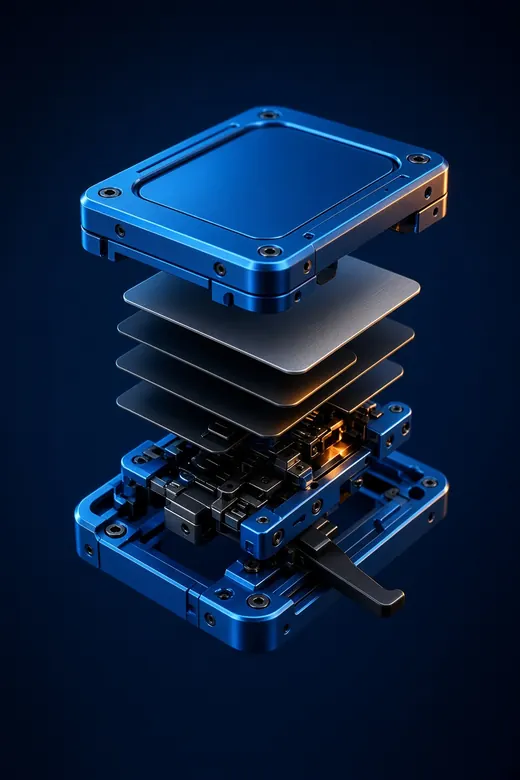
What this hub answers
Use these articles to compare blocking materials and layer construction, understand how 13.56 MHz and 125 kHz cards behave, define test criteria for a sample, and brief a factory with the right questions on shielding performance, thickness and durability.
All guides below are written for brand owners, importers and OEM buyers working with Chinese manufacturers. Each links to the relevant product line if you want to move from research to a quote.
- Which blocking construction fits each price band — foil, mesh, coated fabric or a metal shell
- How to test a sample for real shielding instead of trusting an “RFID safe” label
- What to specify to a factory: frequency coverage, insert placement, thickness and durability
Three guides to read first
The longest, most practical reads in this hub — the ones that answer the questions buyers usually ask on the first call.
160 GUIDES · UPDATED NOV 2026
Browse 160 guides by topic
Every article in this hub, grouped by the question it answers. Jump to a topic, or scan the full list.
How RFID protection works 17
What RFID and NFC actually are, which frequencies matter, and how to prove that a wallet blocks them.
- RFID Blocking Technology Basics for B2B Buyers | GSTAR14 min
- How Important Is RFID Blocking? A Buyer’s Guide to Real Protection14 min
- How To Test An RFID Wallet: Simple Ways To Check Real RFID Protection13 min
- How Can I Tell If My Wallet Is RFID Protected? A Simple Buyer’s Test Guide13 min
- How Important Is RFID Wallet Protection? B2B Sourcing Guide11 min
- Protect Your Cards with An RFID Blocking Wallet11 min
- What Does RFID Mean in A Wallet?11 min
- Lost Wallet? What to Do & How RFID Wallets Prevent It11 min
- What Is RFID Protection in A Wallet11 min
- NFC Protected Wallet: How Contactless Card Protection Works | GSTAR10 min
- What Is RFID Protection in A Wallet? How RFID Blocking Keeps Your Cards Safe10 min
- Is An RFID Wallet Safe? How RFID Blocking Protects Your Cards9 min
- How RFID Wallets Work To Shield Your Cards From Digital Pickpockets8 min
- What Is RFID in A Leather Wallet? Secure Protection for Modern Buyers8 min
- What Is RFID Wallet Protection? How RFID-Blocking Wallets Keep Your Cards Safe8 min
- What Makes A Wallet RFID Blocking? How Secure Wallets Protect Your Cards7 min
- How To Tell If A Wallet Is RFID Blocking Before You Buy6 min
Blocking materials & construction 16
Foil, mesh, coated fabric and metal shells — what each shielding layer costs and how it fails.
- RFID Blocking Material Guide | Types & Sourcing from GSTAR11 min
- Material RFID Manufacturing: Capacity & Lead Time with GSTAR11 min
- RFID Blocking Material Made Of: Factory Guide for B2B Buyers | GSTAR10 min
- How to Test RFID Shielding? | Buyer’s Guide for Verification10 min
- Buy RFID Blocking Materials in Bulk – B2B Sourcing Guide10 min
- What Material Blocks RFID? | GSTAR Manufacturing Guide10 min
- Best RFID Blocking Material for OEM Manufacturing – GSTAR Guide9 min
- RFID Materials for Wallets | 300K Capacity Manufacturer | GSTAR8 min
- RFID Material Manufacturer | OEM Custom Shielding Solutions | GSTAR8 min
- Differences between Active RFID Jamming And Passive Metal Shielding: What Brands, Wholesalers, And OEM Buyers Should Know8 min
- Is RFID Blocking Material Safe? Expert Guide From A Manufacturer7 min
- Active RFID Blocking Vs. Passive Metal Shielding: Understanding The Technology for Modern Wallets7 min
- Does Aluminum Foil in Your Wallet Protect RFID Cards? What Buyers Should Know6 min
- How To Make An RFID Wallet: Materials, Design, And Smart Protection Explained6 min
- RFID Metal Wallet Vs. RFID Sleeves: Why Physical Shielding Is Superior To Inserts5 min
- RFID Shielding Materials Compared: Performance, Effectiveness, And Cost Analysis Across Different Solutions5 min
RFID vs non-RFID & brand alternatives 11
Side-by-side comparisons with ordinary wallets, and with Secrid, Ekster and Ridge models.
- RFID Wallet vs Non RFID Wallet | OEM Manufacturer Guide 202514 min
- Metal RFID Wallet Carbon Fiber vs Aluminum: Factory Comparison | GSTAR13 min
- Secrid Wallet Alternative Cheaper: B2B Sourcing Guide for RFID Wallets13 min
- Ekster Parliament Alternative Wholesale | Custom RFID Wallet Manufacturer13 min
- RFID Wallet vs Normal Wallet | GSTAR OEM Manufacturer Guide12 min
- Better Than Secrid Mini Wallet: B2B Sourcing Guide for RFID Wallets12 min
- Similar to Secrid Card Protector: B2B RFID Wallet Sourcing Guide10 min
- RFID Wallet vs Money Clip Wallet: OEM/ODM Manufacturing Guide10 min
- Ridge Wallet Alternatives: Custom OEM RFID Wallet Manufacturer | GSTAR8 min
- Breaking Down RFID Vs. Traditional Wallets: Real Anti-Theft Performance & Use Cases8 min
- RFID Blocking Wallets Vs. Digital Theft: Does A Metal Wallet Really Stop High-Tech Pickpockets?7 min
OEM manufacturing & supplier sourcing 40
Factory selection, custom builds, MOQ, procurement steps and import checklists.
- RFID Blocking Solutions for Enterprises | OEM Manufacturer15 min
- Custom RFID Wallet Manufacturer in China | 13-Year OEM Factory GSTAR15 min
- Metal RFID Wallet Carbon Fiber Metal | OEM Manufacturer GSTAR15 min
- Men’s Travel Wallet OEM Manufacturer | Custom RFID Designs | Gstar14 min
- RFID Blocking Brands and Manufacturers: B2B Sourcing Guide 202614 min
- RFID Blocking for Corporate Security Compliance | B2B Sourcing Guide14 min
- Step-by-Step Guide to Choose a Qualified Gstar RFID Wallet Manufacturer13 min
- Full Step-by-Step Guide to Import Genuine Gstar RFID Wallet from China13 min
- Custom Men’s RFID Wallets Manufacturer | OEM Supplier – Gstar Wallet12 min
- Best RFID Wallet Sourcing Guide for B2B Buyers | GSTAR12 min
- RFID Blocking Custom Solutions | OEM Manufacturer Guide12 min
- Protection RFID Wallet Sourcing Guide for B2B Buyers | GSTAR12 min
- Custom Minimalist Microfiber Leather RFID Wallet Factory | GSTAR12 min
- iPhone RFID Protection Manufacturer | Custom OEM Solutions12 min
- RFID-Blocking Wallets: Pros: B2B Buyer’s Guide | GSTAR Manufacturer11 min
- Walnut Wood Wallet: Natural Beauty Meets RFID Protection | GSTAR OEM11 min
- Zippered Wallet Manufacturer | Secure, Spacious RFID Designs11 min
- Best RFID Blocking Card: A B2B Buyer’s Sourcing Guide11 min
- Complete Procurement Sourcing Guide for Gstar RFID Wallet (Gstartec Metal Pop-Up Card Holder)11 min
- Full Step-by-Step Verification Process for Genuine Gstar RFID Wallet Factory (Gstar Technology (Shenzhen) Co., Ltd.)11 min
- How to Choose an RFID Wallet for Wholesale? B2B Guide11 min
- Step-by-Step Guide to Choose a Qualified Gstar RFID Wallet Supplier11 min
- RFID Blocking for Access Control: B2B Procurement Guide10 min
- Do RFID Wallets Work? A Manufacturer’s Guide to Blocking Technology10 min
- Complete Guide to Find the Original Gstar RFID Wallet Manufacturer10 min
- Genuine Leather RFID Smart Wallet OEM Sourcing Guide | GSTAR10 min
- RFID Wallet Information: Complete B2B Guide to Factory & Quality10 min
- Protect Credit Cards from RFID, Scratches & Damage – GSTAR Manufacturing9 min
- RFID Wallet Pros and Cons: Honest Review from a Manufacturer9 min
- How to Import Premium RFID Card Holders, Metal Wallets & Leather Card Cases from China: The Ultimate OEM Sourcing Guide for Global Brands9 min
- How to Add RFID Card to Apple Wallet | Manufacturer Guide for Brands & Wholesalers | GSTAR8 min
- RFID Protection: Do I Really Need It? A Manufacturer’s Guide8 min
- Bulk RFID Wallets & Card Holders Ready in Stock for Wholesale Buyers7 min
- RFID Protection: Do You Really Need It? | GSTAR Manufacturer Guide7 min
- Differences between Full Metal Enclosures And RFID-Lined Leather: A Manufacturer’s Expert Guide7 min
- iPhone RFID Protection: OEM Guide for Apple Wallet Brands7 min
- RFID Small Wallet Carbon: Why Gstar Technology Is A Trusted OEM Factory for Secure Minimalist Carry6 min
- Best Pop Up Wallets for Men: Why Gstar Technology Sets The Standard for OEM RFID Card Holder Wallets6 min
- Slim Mens Wallet Guide 2026: Expert Insights From Gstar Technology on Design, RFID Protection, And OEM Manufacturing5 min
- RFID Security for Employee Wallets: B2B Manufacturing Guide4 min
Card holders, sleeves & pop-up formats 24
Single-card cases, pop-up ejectors, passport sleeves and zipped travel formats.
- simple design but useful RFID blocking cardholder in everycountry11 min
- RFID Blocking Pop Up Wallet with Metal Plate11 min
- Best Travel Wallets: A Practical Guide To Slim, RFID, And Passport Wallets10 min
- Leather Wrapped Metal Wallet – Slim RFID Blocking Card Holder with Cash Pocket10 min
- The Evolution of Modern Carry: Why The Leather Bifold RFID Slim Money Clip Wallet Is The Ultimate Professional Choice9 min
- The Evolution of Every Day Carry: A Comprehensive Guide To The Ultra-Thin Leather RFID Credit Card Holder9 min
- Slim Pop-Up RFID Minimalist Credit Card Holder – One-Touch Secure Card Access9 min
- Minimalist Wood RFID Wallet8 min
- Side Button Pop Up RFID Wallet8 min
- What Is An RFID Pop-Up Wallet? Fast-Access, Secure Card Protection for Modern Buyers8 min
- Is An RFID Wallet Necessary? Smart Protection for Metal, Pop-Up, And Leather Wallet Buyers8 min
- Durable RFID Stainless Steel Card Case8 min
- Ultra-Thin Leather RFID Credit Card Holder for Secure Minimalist Carry8 min
- RFID Stainless Steel Credit Card Case7 min
- Anti-Theft Crocodile Leather Pop-Up Card Holder – Luxury RFID Wallet with One-Touch Access7 min
- Anti-Theft Crocodile Leather Pop-Up Card Holder Wallet – Luxury RFID Protection for Modern Professionals7 min
- Top Slider Pop Up RFID Wallet6 min
- Minimalist Walnut Wood RFID Blocking Card Holder – Eco-Friendly Wooden Wallet with Natural Grain Design6 min
- Metal RFID Card Holder Wallet with ID Window – Slim, Secure Everyday Carry for Professionals6 min
- Minimalist American Flag Metal RFID Wallet – Slim Aluminum Card Holder with Patriotic USA Design6 min
- Premium Walnut Wood RFID Blocking Minimalist Card Holder: Durable & Eco-Friendly5 min
- Carbon Fiber Front Pocket RFID Card Holder Wallet with Cash Clip5 min
- Genuine Leather RFID Blocking Aluminum Card Holder Wallet with Money Clip: The Ultimate EDC Upgrade5 min
- Minimalist Wallet Upgrade: The Slim RFID Card Holder That Fits My Style5 min
RFID wallets & card wallets 52
Slim wallet formats, capacity and everyday carry layouts.
- Best RFID Blocking Products for Business: 2026 B2B Guide15 min
- What Should Buyers Ask About RFID Protection? | B2B Guide13 min
- What Is The Best RFID Blocking Wallet?11 min
- RFID Wallet Meaning: What B2B Buyers Must Know | Gstar Tech11 min
- Forged Carbon Fiber RFID Wallet with Cash Strap10 min
- Does The Ridge Wallet Have RFID Protection? Carbon Fiber RFID Wallet Buyer Guide10 min
- Are RFID Wallets Worth It for Your Brand? Yes – Here’s Why9 min
- Burnt Damascus Steel RFID Wallet9 min
- Men Wallets: How Gstar Technology (Shenzhen) Co., Ltd. Helps Global Brands Build Better RFID, Ridge, Slim, And Leather Wallets9 min
- Minimalist RFID Wallet Strap with Smart Tracker – Slim Security for Modern Everyday Carry9 min
- How To Protect Your Wallet From RFID Theft: Simple Ways To Keep Your Cards Secure9 min
- Carbon Fiber RFID Card Wallet with Clip – Lightweight, Secure & Minimalist Everyday Carry9 min
- Do I Need An RFID Blocking Wallet? A Practical Buyer’s Guide To Card Security9 min
- Does The Ridge Wallet Have RFID Protection? Metal RFID Wallet Buyer Guide9 min
- Do I Need An RFID Wallet in Europe? Smart Card Protection for Modern Travelers8 min
- American Flag Metal RFID Wallet8 min
- Metal RFID Wallet with GPS Tracker Strap8 min
- What Is An RFID Blocking Wallet8 min
- Where Can I Buy An RFID Wallet? Trusted Places for Secure Card Protection8 min
- Is The Ridge Wallet RFID Blocking? What Buyers Need To Know Before Choosing8 min
- Do I Need An RFID Wallet? A Smart Buyer’s Guide To Card Protection8 min
- What Does An RFID Wallet Mean? Secure Wallet Protection for Modern Buyers8 min
- Leather Aluminum Hybrid RFID Wallet with Cash Clip & Strap8 min
- The Ultimate Gift Wallet Guide 2025: Why A Premium RFID Wallet Makes The Perfect Present for Any Occasion8 min
- USA Flag Metal RFID Slim Wallet7 min
- Minimalist American Flag Metal RFID Wallet – Slim Aluminum Design with Patriotic Style7 min
- RFID Rigid Wallet7 min
- RFID Blocking Cash Strap Wallet7 min
- RFID Blocking Wallet Protection7 min
- What Is An RFID Wallet? Secure Protection for Cards And Personal Data7 min
- Does An Aluminum Wallet Block RFID? What Buyers Should Know Before Purchasing7 min
- Does The Ridge Wallet Block RFID? What Buyers Should Know Before Purchasing7 min
- RFID Wallets That Don’t Protect? The Truth Behind Their Real-World Failures7 min
- Premium Titanium Damascus RFID Wallet7 min
- What Is The Best RFID Travel Wallet? Secure, Slim Protection for Travelers7 min
- What Is An RFID Blocking Wallet? How It Protects Your Cards And Identity7 min
- What Is An RFID Protection Wallet? Secure Card Protection for Modern Buyers7 min
- What Is An RFID Protected Wallet? Secure Card Protection for Everyday Use7 min
- The Ultimate RF Blocker Wallet Guide: Expert Insights From Gstar Technology7 min
- Slim Carbon Fiber RFID Metal Wallet with Cash Clip7 min
- Mechanic Wallet: How Gstar Technology Builds Slim, Durable RFID Wallets for Modern Brands7 min
- RFID Protection in Wallet7 min
- How To Add An RFID Card To Apple Wallet – Easy Setup Guide for IPhone Users6 min
- From Function To Form: Why Amazon’s Best-Selling RFID Wallets Stand Out6 min
- Wondering What To Put in A Wallet? Discover The Essential Items, What To Leave Out, And How Modern RFID, Slim, And Leather Wallets Improve Daily Carry, Security, And Organization6 min
- What Is An RFID Wallet? Secure Protection for Modern Buyers6 min
- Where Can I Buy An RFID Wallet? Secure, Stylish RFID Wallets for Everyday Protection6 min
- Burnt Damascus Steel RFID Cash Strap Wallet – Slim, Secure & Luxury Metal Wallet for Everyday Carry6 min
- Wallet That Protects Credit Cards From Being Scanned: What Buyers Should Know Before Choosing An RFID-Blocking Wallet6 min
- Leather Aluminum RFID Wallet with Elastic Cash Strap – Slim, Secure & Stylish Everyday Carry5 min
- RFID Metal Wallet: The Ultimate Guide5 min
- Burnt Damascus Steel RFID-Blocking Cash Strap Wallet: The Ultimate Slim EDC for 20265 min
RFID & NFC wallets: questions buyers ask before a quote
Short answers to the specification questions that come up most often in this category.
Does an RFID-blocking wallet block phone signals or wireless charging?
A properly built blocker targets the 13.56 MHz band used by contactless cards. It should not affect cellular, Wi-Fi or Bluetooth, because those operate at different frequencies. Wireless charging can be affected if the shielding layer sits between the phone and the charger, which is why RFID inserts are usually placed on the card side, away from the charging coil.
Which frequency do RFID wallets need to block?
Payment cards and passports operate at 13.56 MHz (NFC), while older access cards and some industrial tags use 125 kHz. A wallet sold as RFID blocking should specify 13.56 MHz at minimum. If your market includes building access or hotel keys, ask the factory to test both bands rather than assuming one covers the other.
How do I test whether a sample really blocks RFID?
Use a contactless card and a reader, or a phone with NFC. Place the card inside the wallet and try to read it, then repeat with the card outside as a control. Test several positions, including the open edge and any stitching line, because gaps at seams are where most blockers fail.
What is the minimum order for a custom RFID wallet?
Stock models start at 500 pieces. Light customization such as logo embossing, packaging and label changes starts at 3,000 pieces. Deep customization that needs new tooling or a new internal construction starts at 5,000 pieces. Tooling is quoted separately and depends on the mechanism and material.
Does a metal wallet block RFID without an insert?
A solid metal body blocks most 13.56 MHz reading on its own, which is why many metal card holders are effectively RFID-safe. The risk is the open side and any window or cut-out: if cards can be read through an opening, the wallet still needs a shielding layer or a redesigned enclosure.
Keep researching
Move from research to a quote
Specifications, finishes and customization options for the products behind these guides.
Need a spec answered before you quote?
Send your material grade, card capacity or mechanism requirement — we answer with production-feasible options, not catalogue copy.