

Views: 255 Author: Princee Lee Publish Time: 04-14-2026 Origin: Princee Lee


Content Menu
>> Understanding the Technology: Why RFID Shielding Matters
>> RFID Shielding Materials Comparison
>> Deep Dive: Performance, Effectiveness, and Cost Analysis
>>> 1. Conductive Fabrics (The Manufacturer's Choice)
>>> 2. Metals and Rigid Solutions
>>> 3. Advanced Materials: Graphene & Quantum Security
>> Expert Insight: Strategies for High-End Wallet Manufacturers
>> Conclusion
>> References
>> FAQ
As digital theft continues to evolve in 2026, understanding the technology protecting your customers' data is no longer optional—it is a competitive necessity. At Gstartec, we recognize that consumers are increasingly savvy, seeking wallets that offer both sophisticated style and robust RFID shielding.
This guide provides a deep dive into the materials shaping the future of secure everyday carry.
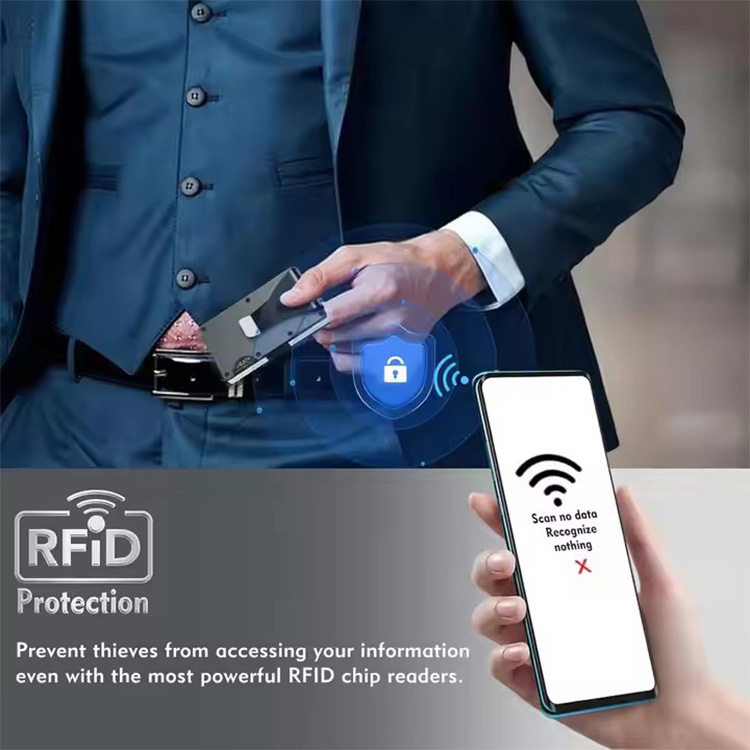
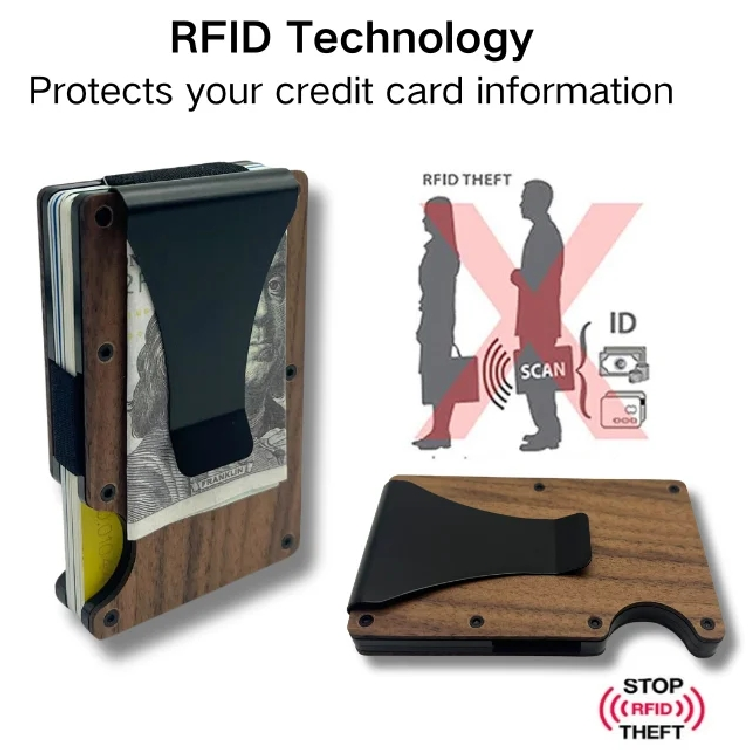
Radio Frequency Identification (RFID) technology allows contactless cards to transmit data wirelessly. While convenient for payments and transit, this wireless nature makes sensitive data—like credit card numbers and passport information—vulnerable to unauthorized remote scanning.
RFID shielding works by creating a barrier (often a Faraday-style cage) that blocks, absorbs, or reflects these radio waves, preventing them from reaching the tag.
Choosing the right material involves balancing performance (attenuation), durability, aesthetics, and cost.
| Material | Effectiveness | Cost | Best For |
|---|---|---|---|
| Conductive Fabrics (Nickel-Copper/Silver) | High (30dB+ attenuation) | Moderate | Premium wallets, linings |
| Aluminum Foil/Mesh | Moderate to High | Low | Mass-market, cost-sensitive |
| Carbon Fiber | High (Natural Shielding) | High | Luxury, high-durability |
| Copper Sheets | Very High | High | Specialized high-end custom |

Modern conductive fabrics, often made of nickel-copper or silver-coated polyester, have become the gold standard for wallet manufacturing.
- Performance: These materials offer excellent signal attenuation (typically 30dB or higher), ensuring robust protection against common 13.56 MHz RFID scanners.
- UX & Design: Unlike rigid metals, these fabrics are flexible, allowing for sleek, slim wallet designs that maintain the tactile feel of premium leather.
- Strategic Value: They integrate seamlessly into existing production lines as a lining material, providing high-end security without compromising on weight or aesthetics.
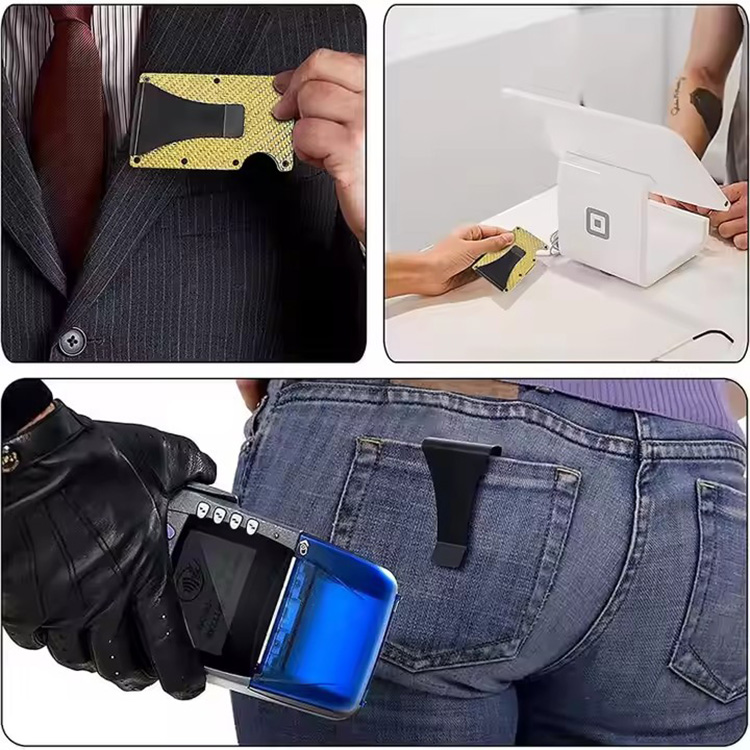
Aluminum and steel are highly effective because they inherently block radio frequencies.
- Pros: Inexpensive and highly reliable shielding.
- Cons: Metals are heavy, rigid, and can make wallets feel bulky [11]. They are best suited for minimalist "card holder" style wallets rather than traditional bifold designs.
As we head deeper into 2026, industry innovations are pushing boundaries beyond standard metals. We are seeing the early adoption of graphene-based shielding materials and quantum encryption protocols in ultra-high-end card products. While currently niche, these represent the next evolution in data security.
To differentiate your brand in 2026, consider these expert approaches to RFID integration:
- Prioritize "Invisible" Security: Consumers increasingly demand protection that doesn't add bulk. Use high-attenuation conductive fabrics as a lining rather than bulky external shielding plates.
- Educate Your Customers: A "RFID protected" tag is no longer enough. Explain *why* your chosen material is superior (e.g., "30dB attenuation, military-grade protection").
- Quality Control is Critical: Even the most advanced material will fail if not installed correctly. Ensure your shielding layer is continuous, with no gaps or "leaks" near seams or card slots.
Effective RFID shielding is a blend of science and manufacturing precision. By choosing the right conductive materials—specifically high-attenuation fabrics—and ensuring rigorous installation, manufacturers can offer consumers both the style they crave and the digital security they require in 2026.
Gstartec Co., Ltd. remains committed to helping you integrate these advanced security solutions seamlessly into your production process.
1. [How to Choose RFID Fabric for Wallet: A Buying Guide](https://smartbuy.alibaba.com/buyingguides/rfid-fabric-for-wallet)
2. [Best RFID Blocking Cards 2026 - TJ RFID Supplies](https://www.tjnfctag.com/best-rfid-blocking-cards-2026/)
3. [Cost Considerations for Selecting RF Shielding Materials](https://interferencetechnology.com/cost-considerations-for-selecting-rf-shielding-materials/)
4. [Best RFID Blocking Material: A Comprehensive Guide](https://nation.steveharveyfm.com/free-minds/best-rfid-blocking-material-a-comprehensive-guide-1767648843)
5. [Comparing the Effectiveness of RF Shielding Materials (YouTube)](https://www.youtube.com/watch?v=53veh7GgbTc)
6. [RF Shielding Materials: A Complete Selection Guide](https://www.modusadvanced.com/resources/blog/rf-shielding-material-guide)
7. [RFID Shielding and Blocking Materials (RFID4U)](https://rfid4u.com/rfid-shielding-and-blocking-materials/)
8. [Evaluation of Shielding Materials for RFID (Academia.edu)](https://www.academia.edu/27644609/Evaluation_of_shielding_materials_for_low_frequency_RFID_systems)
9. [What Materials Block RFID Signals? (RFIDLabel.com)](https://www.rfidlabel.com/what-materials-block-rfid-signals-a-comprehensive-guide-for-security-and-industry/)
10. [Comparing RFID Options: Sleeves, Wallets, and Cards](https://mightywallet.shop/blogs/news/comparing-the-best-rfid-blocking-options-sleeves-wallets-and-cards)
11. [Impact of RF Shielding Effectiveness (Cadence)](https://resources.pcb.cadence.com/blog/2022-the-impact-of-rf-shielding-effectiveness-on-interference-mitigation)
12. [Understanding RFID Blocking Wallets (Arden Cove)](https://ardencove.com/blogs/news/understanding-rfid-blocking-purses-and-wallets-your-ultimate-guide)
1. Does an RFID wallet block all types of signals?
Most wallets specifically block the 13.56 MHz frequency used by credit cards and passports. They generally do *not* block low-frequency signals (like some building access badges) or high-frequency signals like cellular or GPS.
2. Is RFID blocking necessary for every wallet?
While not mandatory, it is highly recommended if your wallet contains contactless payment cards, transit passes, or an e-passport, which are all vulnerable to unauthorized skimming.
3. How do I test if my wallet is actually RFID blocking?
The only definitive way to test is to place a contactless card (like a payment card) inside the wallet and attempt to scan it at a checkout terminal or with an NFC-enabled smartphone app.
4. Do metal wallets always provide better protection?
Metals provide excellent shielding, but they add bulk and weight. Modern high-end wallets often use conductive fabric linings, which provide the same level of protection with a much lighter, more aesthetic profile.
5. Can RFID shielding material wear out over time?
Yes, depending on the material quality and usage. High-quality conductive fabrics are durable, but mechanical damage, bending, or tearing the shield layer can compromise its effectiveness.


