

Views: 177 Author: Princee Lee Publish Time: 01-26-2026 Origin: Princee Lee


Content Menu
● Understanding RFID Technology
>> The Need for RFID Protection
● Materials for Making an RFID Wallet
>> Prototyping
● The RFID Wallet Manufacturing Process
>> Step 1: Cutting the Materials
>> Step 2: Assembling the Wallet
>> Step 3: Creating Card Slots
>> Step 4: Adding Finishing Touches
● Why Choose Gstar Technology (Shenzhen) Co., Ltd.?
>> Exceptional Customer Service
>> Related Questions and Answers
In today's digital age, the need for security has never been more paramount. With the rise of contactless payment systems and RFID technology, protecting your personal information has become a priority. One effective way to safeguard your data is by using an RFID wallet. This article will guide you through the process of creating your own DIY RFID blocking wallet, covering essential materials, design considerations, and the manufacturing process. We will also discuss why Gstar Technology (Shenzhen) Co., Ltd. is your best choice for custom RFID wallets.

Radio Frequency Identification (RFID) is a technology that uses electromagnetic fields to automatically identify and track tags attached to objects. These tags contain electronically stored information, which can be read by RFID readers without direct contact. While this technology offers convenience, it also poses risks, as unauthorized readers can access your personal data stored in RFID-enabled cards.
As RFID technology becomes more prevalent, the risk of identity theft and data breaches increases. Thieves can use RFID readers to scan your wallet and steal sensitive information without your knowledge. This is where RFID blocking wallets come into play. They are designed to prevent unauthorized access to your RFID-enabled cards, ensuring your personal information remains secure.
Creating an RFID wallet requires specific materials that provide both functionality and style. Here's a comprehensive guide to the materials you'll need.
One of the most critical components of an RFID wallet is the RFID blocking fabric. This specialized material is designed to block electromagnetic signals, preventing RFID readers from accessing your cards. When selecting RFID blocking fabric, look for materials that are durable and have a high level of signal attenuation.
Leather is a popular choice for wallet construction due to its durability and aesthetic appeal. A leather RFID wallet not only looks sophisticated but also provides a sturdy structure. When choosing leather, opt for high-quality, genuine leather that can withstand daily wear and tear.
For those interested in a more modern design, incorporating metal into your wallet can enhance its RFID blocking capabilities. Metal RFID wallet construction involves using materials like aluminum or stainless steel, which are excellent at blocking signals. These materials can be used for the wallet's outer shell or as part of the internal structure.
- Thread and Adhesives: Strong, durable thread is essential for stitching your wallet together. Additionally, high-quality adhesives can be used to bond different materials securely.
- Lining Fabric: A soft lining fabric can be added to the interior of the wallet for a polished finish and to protect your cards from scratches.
- Card Slots and Compartments: Consider using additional materials to create card slots and compartments, ensuring your wallet is functional and organized.
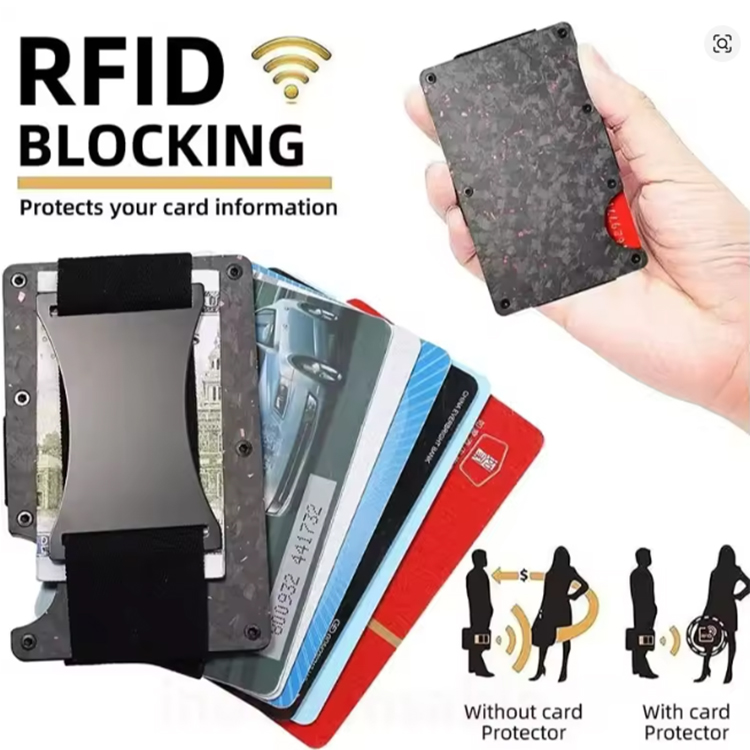
When it comes to designing your custom RFID wallet, the style is crucial. Here are some popular design options:
- Bi-fold Wallet: A classic design that folds in half, providing ample space for cards and cash.
- Tri-fold Wallet: A compact option that folds into thirds, ideal for those who prefer a smaller wallet.
- Cardholder: A minimalist design that focuses on holding cards, perfect for those who carry fewer items.
Before you start constructing your wallet, sketch out your design. Consider the following elements:
- Dimensions: Determine the size of your wallet based on the number of cards and cash you plan to carry.
- Card Slots: Decide how many card slots you need and their arrangement.
- Closure Mechanism: Choose a closure method, such as a snap, zipper, or magnetic closure, to keep your wallet secure.
Once you have a design, create a prototype using inexpensive materials. This step allows you to test the functionality and aesthetics of your wallet before committing to the final materials.
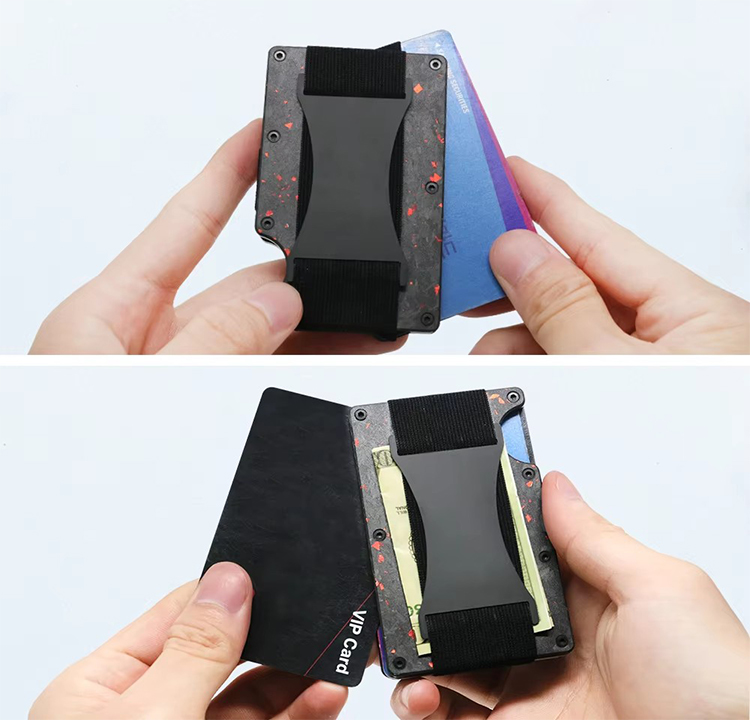
Begin by cutting your RFID blocking fabric, leather, and any other materials according to your design specifications. Ensure that all pieces are accurately measured to avoid any discrepancies during assembly.
Start assembling your wallet by layering the RFID blocking fabric with the leather or metal components. Use strong adhesives to bond the materials together, ensuring a secure hold. If you're stitching, use a sewing machine or hand stitch for added durability.
Cut and attach additional pieces of fabric or leather to create card slots. Ensure that these slots are appropriately sized to hold your cards snugly without being too tight.
Once the main structure is complete, add any finishing touches, such as lining fabric, decorative elements, or a closure mechanism. This step enhances the overall look and functionality of your wallet.
Before using your wallet, conduct a quality check to ensure that all components are securely attached and that the wallet functions as intended. Test the RFID blocking capabilities by attempting to scan your cards with an RFID reader.
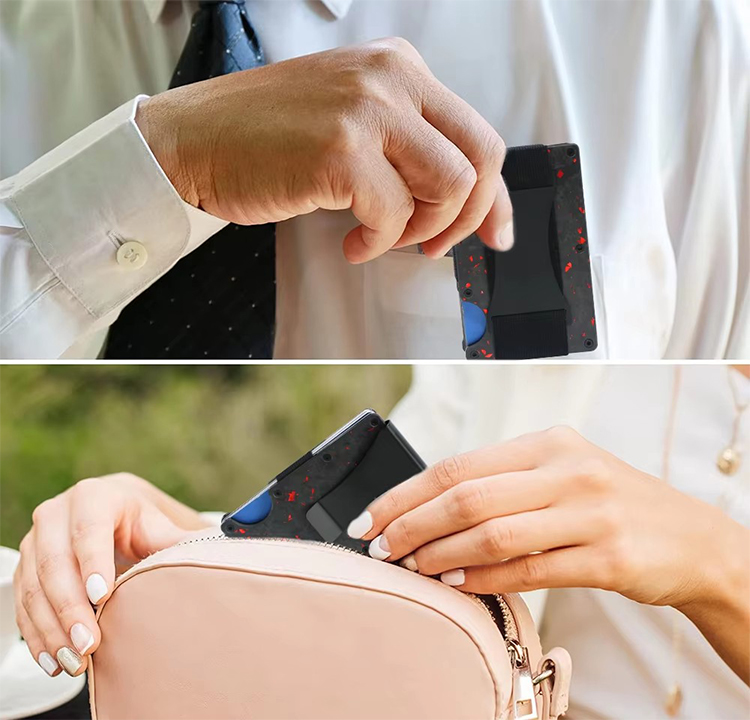
At Gstar Technology, we offer comprehensive OEM/ODM services for those looking to create custom RFID wallets. Our team of experts can help you design and manufacture wallets tailored to your specifications, ensuring that your product stands out in the market.
In addition to custom designs, we also provide a range of wallets ready in stock. This option is perfect for businesses looking to quickly stock their inventory without the wait associated with custom manufacturing.
We pride ourselves on our commitment to quality. Our wallets undergo rigorous testing to ensure they meet industry standards for RFID protection and durability. When you choose Gstar Technology, you can trust that you are receiving a product that is built to last.
Our competitive pricing structure makes it easy for businesses of all sizes to access high-quality RFID wallets. We believe that security should be affordable, and we strive to provide the best value for our customers.
At Gstar Technology, we prioritize customer satisfaction. Our dedicated support team is available to assist you throughout the entire process, from design to delivery. We are here to answer any questions and ensure that your experience with us is seamless.
Creating your own RFID wallet is a rewarding project that combines creativity with practicality. By understanding the materials, design considerations, and manufacturing processes involved, you can craft a wallet that not only protects your personal information but also reflects your style. Whether you choose to make a DIY RFID blocking wallet or opt for a custom design from Gstar Technology, the importance of RFID protection cannot be overstated. With our expertise in RFID wallet manufacturing, we are here to help you every step of the way.

Q1: What materials are best for making an RFID wallet?
A1: The best materials include RFID blocking fabric, leather, and metal components. These materials provide durability and effective RFID protection.
Q2: Can I make an RFID wallet at home?
A2: Yes, you can easily make an RFID wallet at home using the right materials and following a structured design process.
Q3: What is RFID blocking fabric?
A3: RFID blocking fabric is a specialized material designed to block electromagnetic signals, preventing unauthorized access to RFID-enabled cards.
Q4: How do I ensure my RFID wallet is effective?
A4: To ensure effectiveness, use high-quality RFID blocking materials and conduct tests with an RFID reader to confirm that your wallet blocks signals.
Q5: Where can I buy a custom RFID wallet?
A5: You can buy custom RFID wallets from manufacturers like Gstar Technology, which offers tailored designs to meet your specific needs.


