

Views: 213 Author: Princee Lee Publish Time: 12-31-2025 Origin: Princee Lee


Content Menu
● Introduction: The Need for Security in a Digital World
● Understanding RFID Technology
>> The Risks of RFID Technology
● What is an RFID Blocking Wallet?
>> How RFID Blocking Wallets Work
>> Types of RFID Blocking Materials
● Benefits of Using an RFID Blocking Wallet
>> Organization
>> Durability
● How to Choose the Right RFID Blocking Wallet
>> Check for RFID Blocking Certification
● Popular Brands of RFID Blocking Wallets
>> Gstar Technology (Shenzhen) Co., Ltd
>> Ridge Wallet
>> Vaultskin
>> Travelambo
● Maintenance and Care for RFID Blocking Wallets
● The Future of RFID Blocking Wallets
● Related Questions and Answers
>> 1. What is RFID technology, and how does it work?
>> 2. How does an RFID blocking wallet protect my cards?
>> 3. Are RFID blocking wallets durable?
>> 4. Can I carry cash in an RFID blocking wallet?
>> 5. How do I clean and maintain my RFID blocking wallet?
In today's fast-paced digital world, the convenience of contactless payments and RFID technology has become a part of everyday life. However, with this convenience comes the risk of unauthorized access to personal information. RFID (Radio Frequency Identification) technology allows for the wireless transmission of data between a card and a reader, making transactions faster and easier. Unfortunately, this same technology can be exploited by thieves using RFID skimming devices to steal sensitive information from credit cards, passports, and other RFID-enabled items. This is where RFID blocking wallets come into play. In this article, we will explore what RFID blocking wallets are, how they work, their benefits, and why they are essential for protecting your personal data.
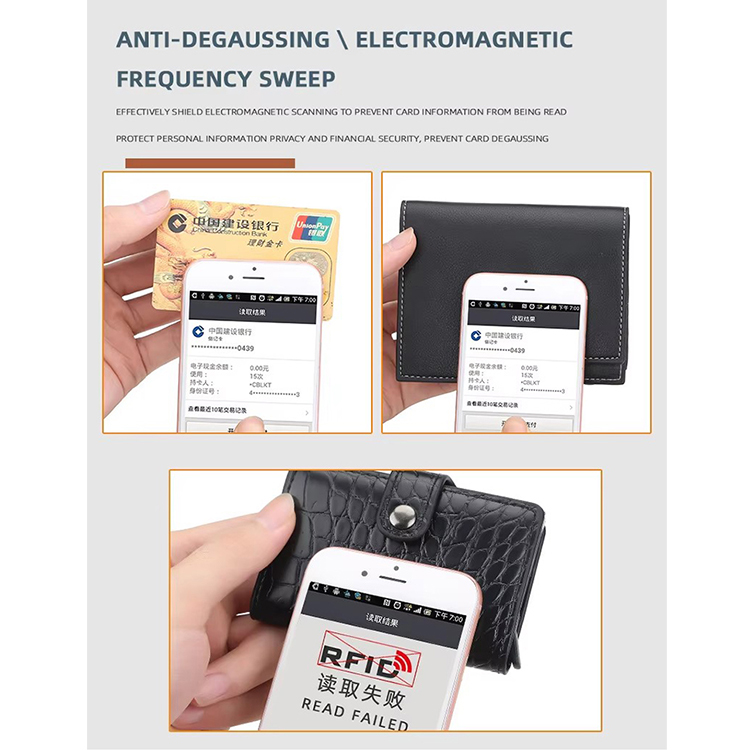
RFID stands for Radio Frequency Identification, a technology that uses electromagnetic fields to automatically identify and track tags attached to objects. An RFID system consists of three components: a reader, a tag, and an antenna. The reader emits radio waves that activate the tag, which then transmits its stored information back to the reader. This technology is widely used in various applications, including inventory management, access control, and contactless payment systems.
RFID technology operates on two main frequencies: low frequency (LF) and high frequency (HF). LF RFID systems typically operate at 125 kHz, while HF systems operate at 13.56 MHz. The most common use of RFID technology in consumer products is in contactless payment cards and smart cards, which allow users to make transactions by simply tapping their card on a reader.
When a card is placed near an RFID reader, the reader sends out a signal that activates the card's chip. The chip then transmits the card's information, such as the card number and expiration date, to the reader, allowing for a quick and seamless transaction.
While RFID technology offers convenience, it also poses significant security risks. Unauthorized individuals can use RFID skimming devices to capture the information transmitted by RFID-enabled cards from a distance. This process, known as electronic pickpocketing, can occur without the victim's knowledge, making it a serious concern for consumers.
An RFID blocking wallet is a specially designed wallet that incorporates materials and technology to prevent unauthorized RFID signals from being transmitted. These wallets are engineered to block the radio waves used by RFID readers, ensuring that personal information stored on RFID-enabled cards remains secure. The primary purpose of an RFID blocking wallet is to protect against identity theft and data breaches caused by RFID skimming.
RFID blocking wallets work by using materials that create a barrier against radio waves. These materials can include metal, conductive fabrics, or specialized RFID-blocking films. When an RFID-enabled card is placed inside the wallet, the blocking material prevents the card's information from being read by unauthorized RFID readers.
1. Metal: Many RFID blocking wallets use metal, such as aluminum or stainless steel, to create a barrier against RFID signals. Metal is effective at reflecting and absorbing radio waves, making it a popular choice for RFID protection.
2. Conductive Fabrics: Some wallets are made from conductive fabrics that contain metal fibers woven into the material. These fabrics can block RFID signals while remaining lightweight and flexible.
3. RFID-Blocking Films: Specialized RFID-blocking films can be incorporated into the wallet's design. These films are designed to absorb and reflect radio waves, providing an additional layer of protection.
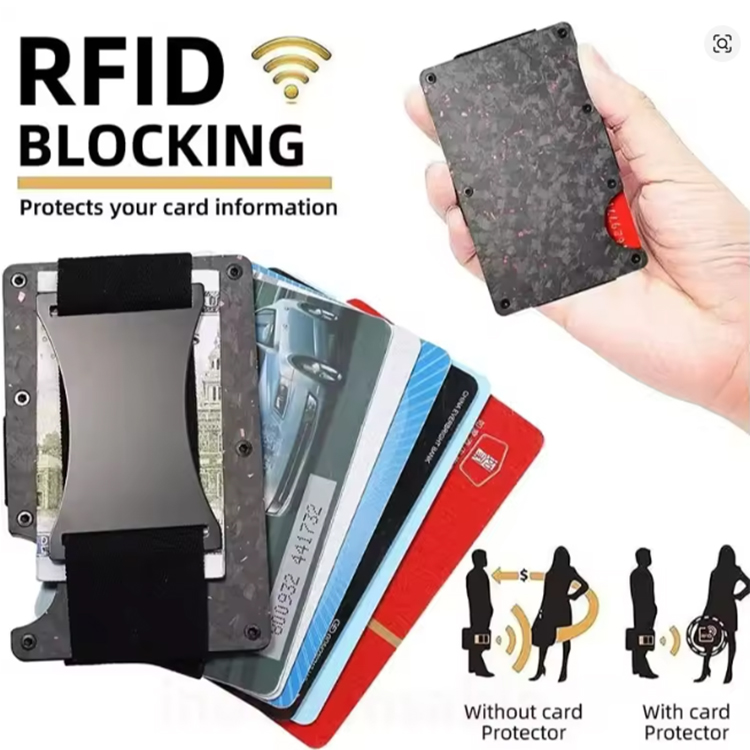
The primary benefit of using an RFID blocking wallet is enhanced security. By preventing unauthorized access to your personal information, these wallets help protect against identity theft and financial fraud. With the increasing prevalence of RFID technology, having a wallet that offers this level of protection is essential for consumers.
Knowing that your personal information is secure can provide peace of mind when carrying RFID-enabled cards. RFID blocking wallets allow users to go about their daily lives without the constant worry of becoming a victim of electronic pickpocketing.
RFID blocking wallets come in various styles, designs, and materials, allowing consumers to choose a wallet that fits their personal preferences. Whether you prefer a sleek leather wallet or a modern minimalist design, there are RFID blocking options available to suit your taste.
Many RFID blocking wallets are designed with multiple card slots and compartments, allowing users to organize their cards, cash, and identification efficiently. This added functionality makes it easy to access essential items quickly.
RFID blocking wallets are often made from high-quality materials that are designed to withstand daily wear and tear. This durability ensures that your wallet will last for years while providing ongoing protection for your personal information.
When selecting an RFID blocking wallet, consider your specific needs. Think about how many cards you typically carry, whether you need additional storage for cash or coins, and your preferred style. This will help you narrow down your options and find a wallet that meets your requirements.
The material used in the construction of the wallet is crucial for durability and performance. Look for wallets made from high-quality materials, such as leather, metal, or durable synthetic fabrics, that offer both RFID protection and long-lasting use.
Not all RFID blocking wallets are created equal. Ensure that the wallet you choose has been tested and certified for RFID blocking capabilities. This will provide peace of mind that your personal information is adequately protected.
Consider the size and weight of the wallet, especially if you prefer a minimalist design. A compact, lightweight wallet will be more comfortable to carry and less likely to create bulk in your pockets.
Before making a purchase, take the time to read customer reviews and testimonials. This feedback can provide valuable insights into the wallet's performance, durability, and overall satisfaction from other users.
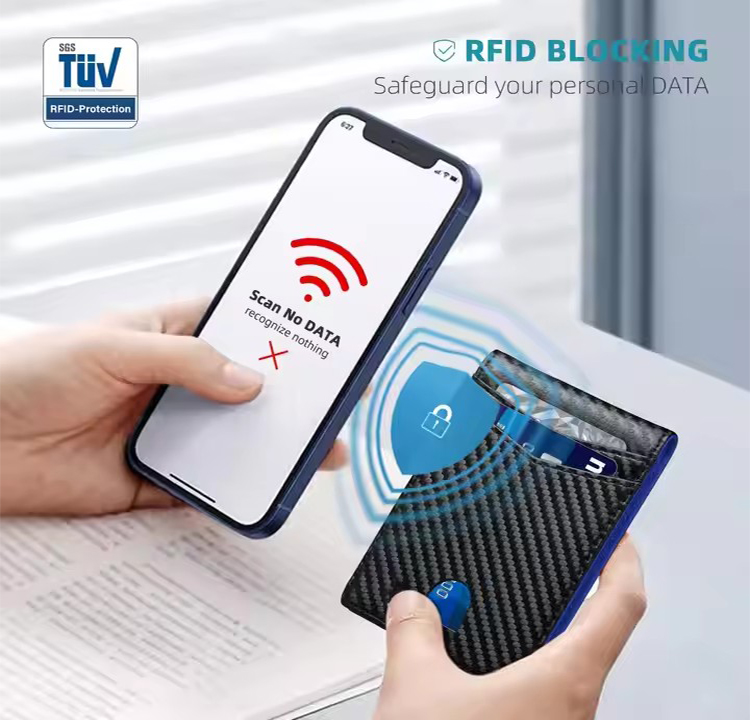
Gstar Technology is a leading manufacturer of RFID blocking wallets, known for their high-quality materials and innovative designs. Their wallets offer a combination of style, functionality, and security, making them a popular choice among consumers.
The Ridge Wallet is a well-known brand that specializes in minimalist RFID blocking wallets. Their products are made from durable materials such as aluminum and titanium, providing excellent RFID protection while maintaining a sleek design.
Ekster is a brand that focuses on smart wallets with RFID blocking capabilities. Their wallets feature a unique design that allows for quick access to cards and cash, making them a convenient option for everyday use.
Vaultskin offers a range of RFID blocking wallets that combine style and functionality. Their products are designed with premium materials and feature a slim profile, making them ideal for those who prefer a minimalist approach.
Travelambo is known for its affordable RFID blocking wallets that offer excellent protection without compromising on style. Their wallets come in various colors and designs, catering to a wide range of consumer preferences.
To keep your RFID blocking wallet in top condition, regular cleaning is essential. Use a soft, damp cloth to wipe down the exterior, removing any dirt or debris. Avoid using harsh chemicals or abrasive materials, as these can damage the wallet's surface.
While RFID blocking wallets are designed to hold multiple cards, avoid overloading them beyond their capacity. Excessive weight can cause the wallet to become misshapen or damaged over time.
When not in use, store your RFID blocking wallet in a cool, dry place away from direct sunlight. This will help preserve the materials and prevent any potential damage.
Regularly inspect your wallet for any signs of wear or damage. If you notice any issues, such as cracks or loose components, consider replacing the wallet to ensure continued protection for your cards.
As technology continues to evolve, so too will RFID blocking wallets. Future designs may incorporate advanced features such as smart technology, allowing users to track their wallets or receive alerts if they are left behind.
With growing awareness of environmental issues, there is an increasing demand for sustainable products. Future RFID blocking wallets may be made from eco-friendly materials, appealing to environmentally conscious consumers.
As the market for RFID blocking wallets expands, manufacturers may offer more customization options, allowing users to personalize their wallets with unique colors, patterns, and features.
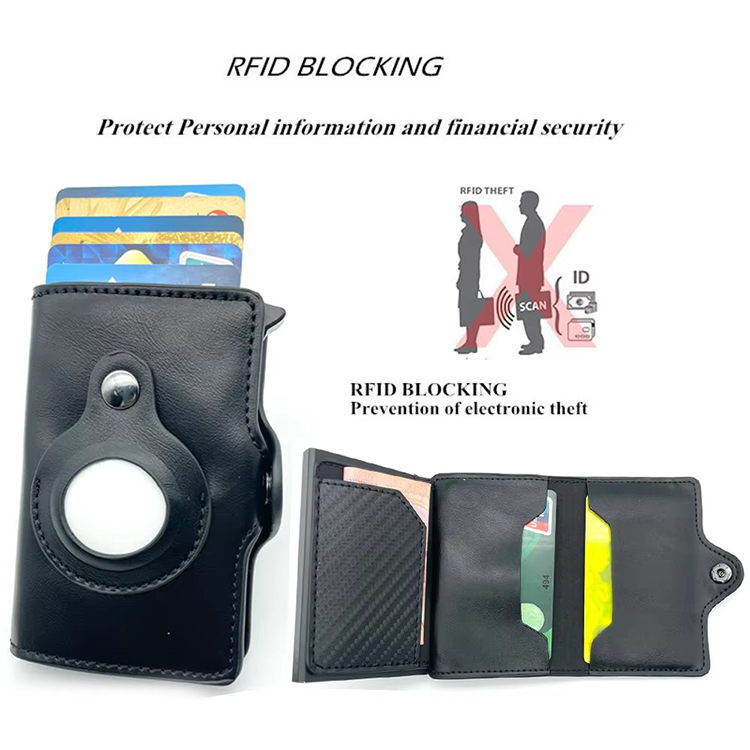
RFID blocking wallets represent a significant advancement in personal finance and security. By combining modern design with advanced RFID blocking technology, these wallets provide enhanced protection against unauthorized scanning and data theft. With their durable construction, compact design, and stylish aesthetics, RFID blocking wallets are an excellent choice for anyone looking to safeguard their personal information while maintaining a sleek and organized accessory.
As the demand for RFID protection continues to grow, consumers can expect to see even more innovative designs and features in the RFID blocking wallet market. Investing in an RFID blocking wallet is a smart decision for anyone who values security, convenience, and style in their everyday carry.
RFID technology uses radio waves to transmit data between a card and a reader. It allows for quick and convenient transactions without physical contact, but it also poses risks of unauthorized scanning.
An RFID blocking wallet blocks RFID signals, preventing unauthorized access to the information stored on your cards. This ensures that your personal data remains secure.
Yes, RFID blocking wallets are constructed from high-quality materials that are designed to withstand daily use. They maintain their shape and functionality over time.
Many RFID blocking wallets come with additional storage options for cash, coins, or other essentials, allowing for organized storage alongside your cards.
To clean your RFID blocking wallet, use a soft, damp cloth to wipe down the exterior. Avoid using harsh chemicals or abrasive materials, and regularly inspect the wallet for any signs of damage.


