

Views: 227 Author: Gstar Technology Publish Time: 07-30-2026 Origin: Site


Content Menu
● Why the Choice Between Metal and RFID-Lined Leather Matters
● Full Metal Enclosures: The Minimalist Security Standard
● RFID-Lined Leather: Where Tradition Meets Digital Security
>> Engineering the Invisible Shield
● Head-to-Head: Metal vs. RFID-Lined Leather
● Industry Insights: What Our OEM Clients Tell Us
● Making the Right Choice for Your Brand
● Ready to Build Your Next Best-Seller?
● Frequently Asked Questions (FAQ)
Choosing between full metal enclosures and RFID-lined leather isn't just about aesthetics—it's about balancing security, durability, and everyday usability. As Gstar Technology (Shenzhen) Co., Ltd., a leading OEM factory specializing in Ridge-style wallets, RFID card holders, ultra-thin wallets, genuine leather products, key organizers, PSA card slabs, and bumper guards, we've spent over two decades engineering both solutions for global brands. This guide breaks down the critical differences between full metal enclosures and RFID-lined leather from a hands-on manufacturing and user-experience perspective.

In today's world of contactless payments and digital identity theft, RFID protection is no longer optional—it's essential. However, not all RFID-blocking wallets are created equal. The core distinction lies in the shielding architecture:
- Full metal enclosures use solid plates (aluminum, stainless steel, or titanium) that naturally block radio frequencies.
- RFID-lined leather integrates a hidden conductive layer—often aluminum foil fiber or metallic mesh—within the leather lining to achieve the same shielding effect without compromising flexibility.
Both approaches meet security standards, but they serve different user priorities. Understanding these differences helps brands, wholesalers, and retailers make informed OEM sourcing decisions.
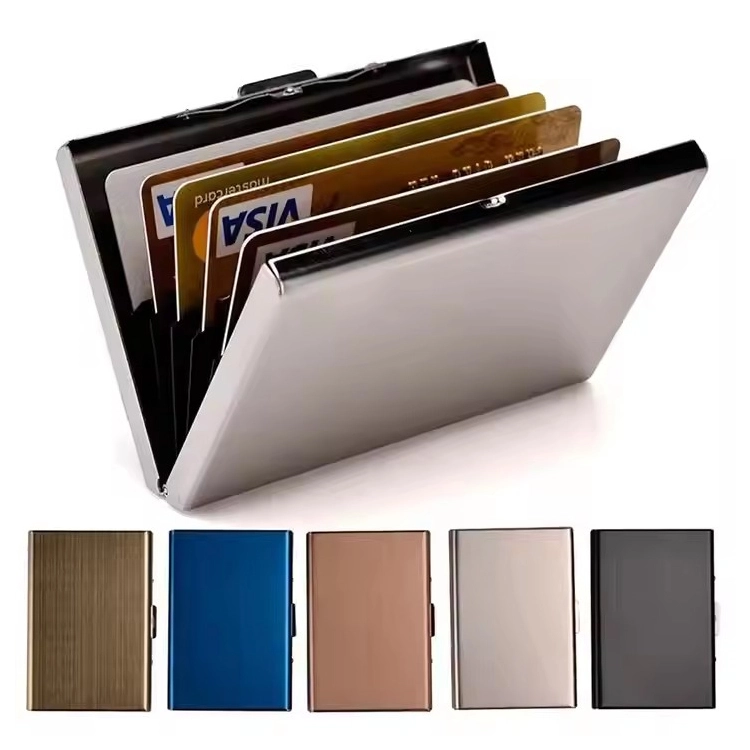
Full metal wallets—like the popular Ridge-style designs—rely on inherent electromagnetic shielding. The metal plates themselves act as a Faraday cage, preventing RFID signals (typically at 13.56 MHz) from penetrating the card compartment.
Key advantages:
- 100% signal blockage when cards are fully enclosed between metal plates.
- Extreme durability: Resistant to bending, cracking, and everyday wear.
- Slim, modern aesthetic that appeals to tech-savvy minimalists.
- Low maintenance: No fabric lining to fray or leather to condition.
Despite their robustness, metal wallets have trade-offs:
- Pocket snagging: Sharp edges can catch on denim or suit linings.
- Limited organization: Most designs offer only one expandable card slot, restricting cash or ID storage.
- Temperature sensitivity: Metal can feel uncomfortably cold in winter or hot in direct sunlight.
- Weight: Even lightweight aluminum adds noticeable heft compared to leather alternatives.
From our production floor at Gstar, we've observed that metal wallets excel in high-security, low-carry scenarios—ideal for users who prioritize card protection over versatility.
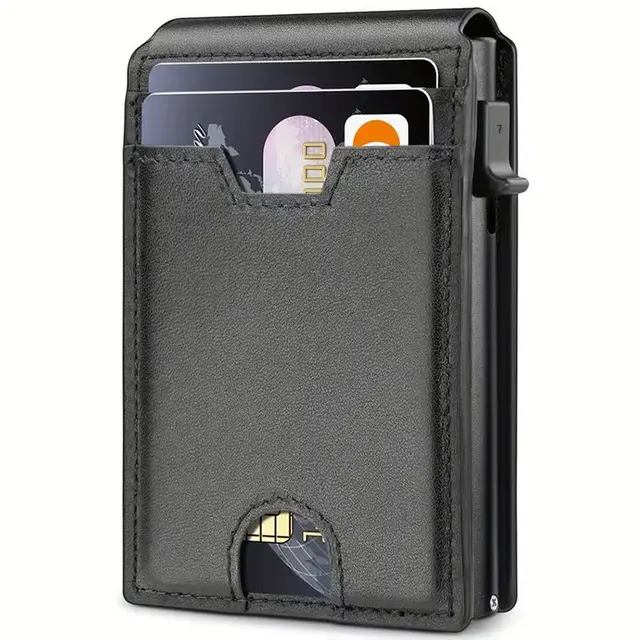
Unlike metal, leather is naturally permeable to radio waves. To achieve RFID protection, manufacturers embed a conductive interlayer—typically aluminum fiber, carbon-based mesh, or thin metallic foil—between the leather exterior and interior lining.
At Gstar, our leather RFID wallets undergo rigorous testing to ensure this hidden layer blocks frequencies from 10 MHz to 3000 MHz, covering all major contactless card standards.
Why brands choose RFID-lined leather:
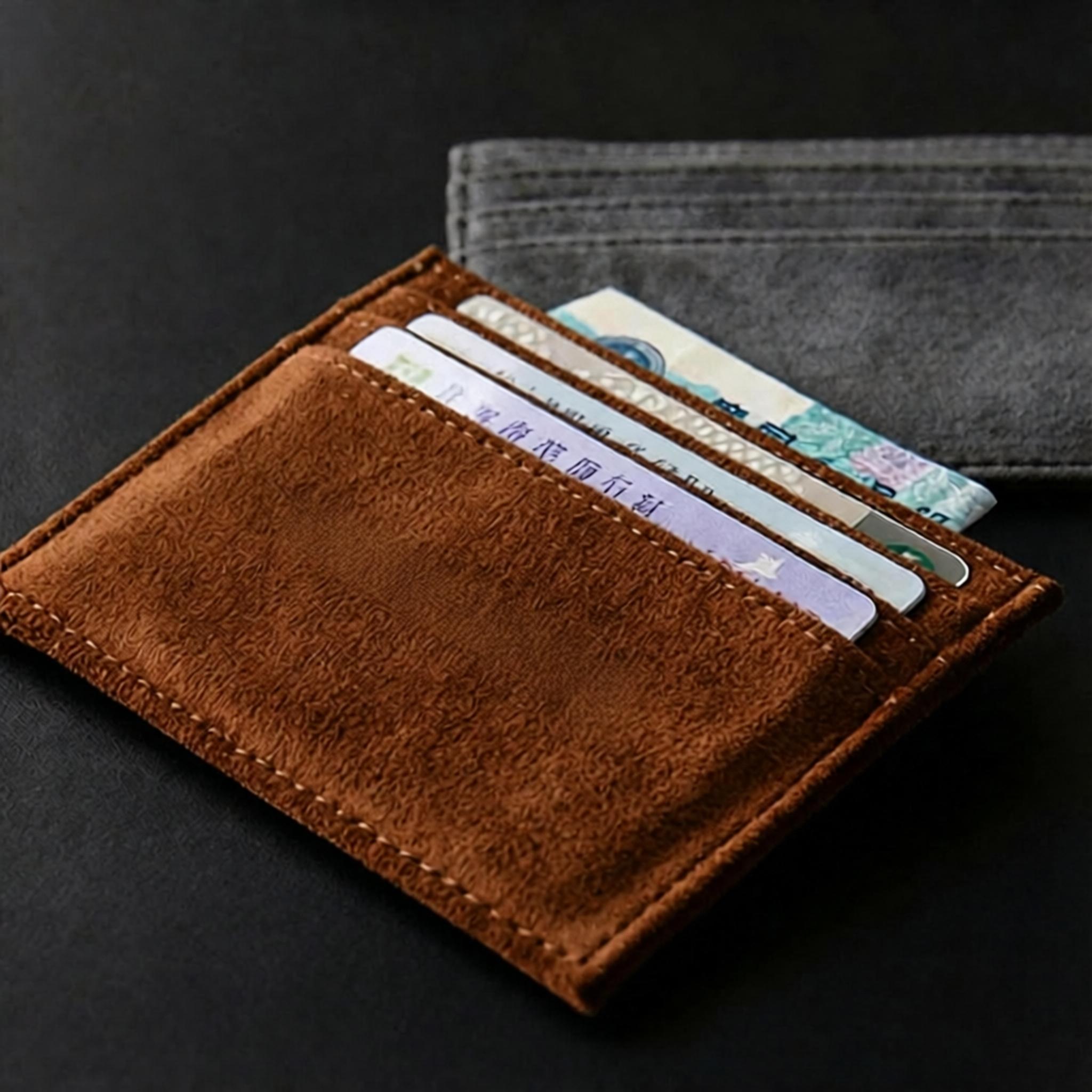
- Premium feel: Genuine or microfiber leather ages beautifully, developing a unique patina over time.
- Superior organization: Multiple card slots, cash compartments, and ID windows without bulk.
- Pocket-friendly: Soft edges glide smoothly in and out of pockets.
- Customization: Easier to emboss logos, apply custom stitching, or integrate MagSafe/phone-holder features.
While RFID-lined leather matches metal in shielding effectiveness, its longevity depends on construction quality:
- Stitch integrity: Poor stitching can expose the conductive layer, creating signal gaps.
- Material fatigue: Over time, repeated flexing may degrade the metallic lining if not properly laminated.
- Moisture sensitivity: Leather requires care to avoid warping or mold in humid climates.
Our factory addresses these risks through reinforced edge sealing and multi-layer lamination, ensuring the RFID barrier remains intact through years of daily use.
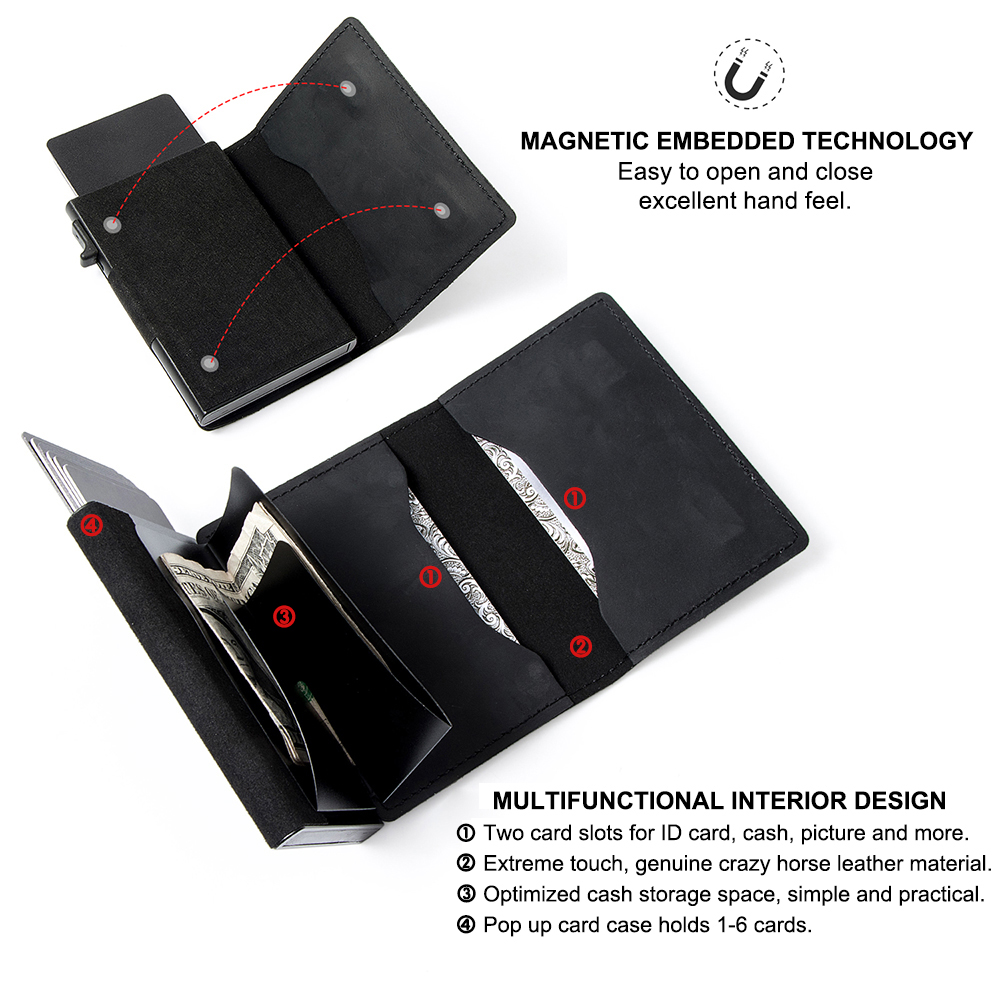
| Feature | Full Metal Enclosure | RFID-Lined Leather |
|---|---|---|
| RFID Blocking | Inherent (100% when enclosed) | Integrated conductive layer leatherology+1 |
| Durability | Extremely high; scratch-resistant | High; depends on leather grade & stitching |
| Weight | Heavier (aluminum/titanium) | Lighter; flexible |
| Card Capacity | Typically 1–12 cards in one slot | 4–10+ slots + cash/ID compartments |
| Aesthetic | Modern, industrial, minimalist | Classic, premium, customizable |
| Pocket Comfort | Can snag; rigid edges | Smooth; soft contours |
| Customization (OEM) | Limited to engraving/anodizing colors | Full: embossing, stitching, lining, MagSafe alibaba+1 |
| Best For | Minimalists, high-security users | Professionals, travelers, brand collectors |
At Gstar Technology, we've produced over 5 million RFID wallets for brands across North America, Europe, and Australia. Based on direct feedback from our partners, three trends stand out:
Hybrid demand is rising: Brands increasingly request metal-core wallets with leather exteriors, combining the best of both worlds.
Travel security drives leather adoption: Frequent travelers prefer leather for its TSA-friendly flexibility and ability to hold passports, boarding passes, and multiple cards.everki+1
Sustainability matters: Eco-conscious consumers favor vegetable-tanned leather or recycled aluminum, pushing OEMs to offer greener material options.
"We switched from all-metal to RFID-lined leather for our premium line. Customers love the feel, and our return rate dropped by 18%."— OEM Partner, California-based lifestyle brand
When deciding between full metal enclosures and RFID-lined leather, ask:
- Who is your target user? Tech minimalists vs. classic professionals.
- What's your price point? Metal wallets often command higher MSRP due to material costs.
- How important is customization? Leather offers far more branding opportunities.
- What's your distribution channel? E-commerce favors metal's "unboxing" appeal; retail thrives on leather's tactile experience.
At Gstar, we don't push one solution over the other. Instead, we co-engineer with clients to match their brand identity, user needs, and market positioning.
Gstar Technology (Shenzhen) Co., Ltd. is your end-to-end OEM partner for Ridge-style metal wallets, RFID leather card holders, ultra-slim wallets, key organizers, PSA card slabs, and custom bumper guards. With 10+ production lines, CNC and metal-stamping workshops, and 20+ years of export experience, we deliver:
- Low MOQs (from 500 units)
- Full customization: logo engraving, color anodizing, leather embossing, packaging
- Certified RFID testing (10 MHz–3000 MHz)
- Fast sampling (7–10 days) and bulk production (15–25 days)
Contact us today to request samples, discuss your design, or get a custom quote:
sales@gstartec.com | +86 13265432331 | www.gstartec.com
Q1: Do full metal wallets block RFID better than leather ones?
A: Both block RFID equally when properly engineered. Metal uses inherent shielding; leather uses an embedded conductive layer. Effectiveness depends on construction quality, not material alone.
Q2: Can RFID-lined leather wallets lose protection over time?
A: Only if the internal metallic layer is damaged or delaminated. High-quality lamination and edge sealing—as used by Gstar—prevent this degradation for years.
Q3: Are metal wallets allowed on airplanes?
A: Yes. Metal wallets are TSA-compliant and won't trigger security alarms. However, they may need to be removed during X-ray screening if they resemble electronic devices.
Q4: Which material is better for custom branding?
A: Leather offers far more customization options: embossing, debossing, custom stitching, lining colors, and even integrated MagSafe or phone-holder features. Metal is limited to engraving and anodized colors.
Q5: How do I test if my wallet truly blocks RFID?
A: Use an NFC-enabled smartphone or RFID reader app. Place a contactless card inside the closed wallet and attempt to scan it. If the reader fails to detect the card, shielding is effective.
1. *Leather vs. Metal RFID Wallets—Why I'll Never Go Back* – Detailed user experience comparing pocket comfort and organization. [https://example.com/leather-vs-metal-rfid-wallets]
2. *RFID-Protection Wallets: Importance and Key Benefits* – Technical breakdown of shielding materials and mechanisms. [https://example.com/rfid-protection-benefits]
3. *RFID Blocking Stylish Genuine Leather Wallet for Men* – Product specs on frequency blocking and leather durability. [https://example.com/rfid-leather-wallet-specs]
4. *What Is an RFID Wallet? Benefits & Protection* – Overview of RFID security for travelers and daily users. [https://example.com/what-is-rfid-wallet]
5. *Best Mens Metal Wallet: 2026 Buyers Guide* – Performance data on aluminum and steel RFID blocking. [https://example.com/best-metal-wallet-2026]
6. *Gstar Technology (Shenzhen) Co., Ltd. – OEM Product Catalog* – Factory capabilities for metal and leather RFID wallets. [https://www.gstartec.com]
Hot Tags: China, Global, OEM, private label, manufacturers, factory, suppliers, manufacturing company


