

Views: 255 Author: Gstar Technology Publish Time: 10-22-2026 Origin: Site


Content Menu
● Why Do Cards Slip Out of a Magnetic Wallet When Removing It from a Phone? The Main Causes
>> 1. The Wallet Is Underfilled
>> 2. The Pocket Has Changed Shape
>> 3. Detachment Adds Movement
>> 4. Your Finger Pushes the Cards Out
● Stronger Magnets Do Not Automatically Prevent Cards from Falling Out
● What Public Reviews Reveal—and What They Cannot Prove
● How to Stop Cards from Slipping Out: A Practical Five-Step Check
>> Step 1: Check the Product's Instructions
>> Step 2: Inspect the Empty Wallet
>> Step 3: Retest Your Actual Card Combination
>> Step 4: Change Your Removal Technique
>> Step 5: Decide Whether the Wallet Still Fits Your Needs
● An OEM Testing Plan That Goes Beyond "Holds Three Cards"
>> Define Acceptance Criteria Before Sampling
>> Test More Than One Attractive Sample
● Choosing a Magnetic Wallet Design for Your Customers
>> Open Sleeves
● What Gstar's OEM Customers Should Specify Before Requesting Samples
>> Why do cards fall out only when I remove the wallet?
>> Will stronger magnets keep my cards inside?
>> Is carrying one card in a three-card wallet safe?
>> Can overfilling cause problems later?
>> Are cards slipping out because the wallet is magnetic?
>> What should an OEM buyer request before approving production?
● Build a Magnetic Wallet Around Real Everyday Use
Gstar Technology (Shenzhen) Co., Ltd. helps overseas brands, wholesalers, and manufacturers develop OEM wallets and everyday-carry accessories. For a magnetic phone wallet project, one question deserves attention before materials, colors, or logo placement: Why do cards slip out of a magnetic wallet when removing it from a phone? Gstar's published product range includes RFID wallets, leather wallets, card holders, and OEM/ODM solutions.
The short answer is that magnetic attachment and card retention perform different jobs. Magnets secure the wallet to your phone. The pocket, lining, and retention mechanism secure your cards. When you detach the wallet, a sudden movement, downward-facing opening, loose pocket, or accidental push through the access slot can expose weak card retention.
From an OEM product-development perspective, the priority is retention: cards should remain secure after the wallet leaves the phone, not only while it sits against the case.
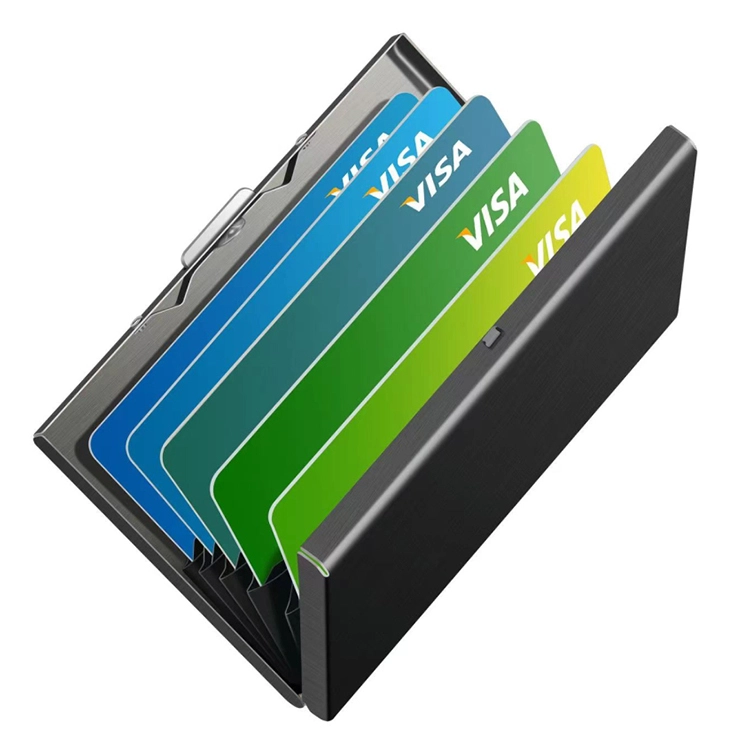
A card falling out does not automatically mean the magnets are defective. First, identify which connection failed.
| What happens | Likely issue | What to check |
|---|---|---|
| The entire wallet slides off the phone | Attachment or compatibility | Case, alignment, contact surface |
| Cards escape while the wallet stays attached | Internal retention | Card count, pocket fit, wear |
| Cards move during detachment | Handling or access-slot pressure | Grip, opening direction, finger position |
| Cards become loose after months of use | Possible pocket deformation | Previous overfilling, seams, lining |
This distinction prevents a common purchasing mistake: choosing stronger magnets to solve a loose card pocket.
Some sleeve-style wallets rely partly on pressure between the card stack and the pocket. Carrying fewer cards can reduce that pressure.
Travel + Leisure reported a useful example in its magnetic-wallet testing. Its Apple FineWoven Wallet held maximum-capacity combinations securely, but two cards fell out during a shake test. Apple describes that wallet as supporting up to three cards. This is product-specific evidence—not proof that every three-card wallet requires three cards.
The practical lesson is simple: advertised maximum capacity does not necessarily describe security at every lower card count.
Repeated loading can alter a flexible pocket's fit. Overstuffing may leave a sleeve less snug when you later return to fewer cards.
Treat this as a possible cause, not an automatic diagnosis. Inspect the opening, seams, and lining. Compare the wallet's behavior with its earlier performance using the same cards.
A worn sleeve and a poorly matched card load may look similar, but they require different solutions.
When you pull the wallet away, your hand accelerates it. Cards can move relative to the pocket if the retaining force is insufficient.
A sharp release makes the problem easier to notice. Holding the opening downward also gives gravity an opportunity to help cards escape.
This is a mechanical explanation, not evidence that every magnetic wallet will eject cards during normal removal.
Rear access openings help users push cards upward. They can also become accidental ejectors.
WIRED notes that Apple's sleeve-style wallet requires removal from the phone before cards are pushed through its rear opening. A user gripping that opening during detachment could unintentionally begin the same extraction motion.
Before blaming the materials, check where your fingers land.
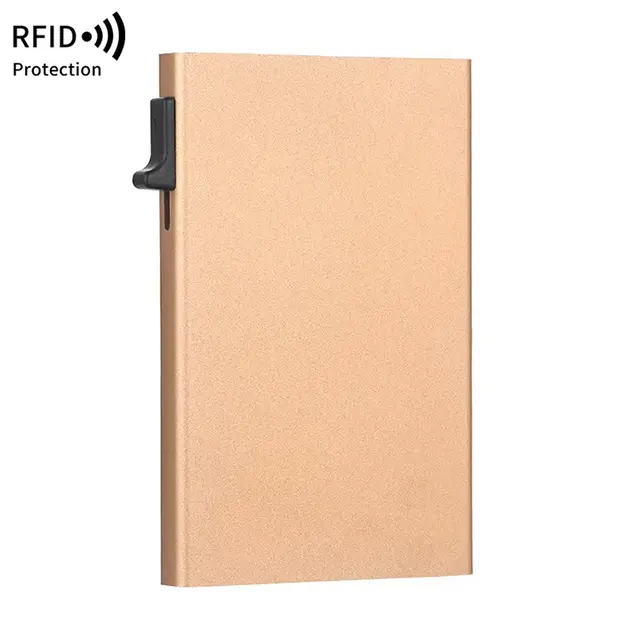
Magnetic holding strength matters, but it answers a different question: will the wallet remain attached to the phone?
Card retention asks whether the contents remain inside the wallet.
A product can perform well in one area and poorly in the other. Travel + Leisure's testing illustrates this distinction: the reviewed Apple wallet maintained a strong magnetic hold, while its two-card configuration failed the publication's shake test.
Increasing magnet strength alone therefore does not address pocket geometry, lining contact, or a missing retention feature.
For OEM buyers, the better specification separates:
- Wallet-to-phone attachment.
- Card-to-wallet retention.
- Ease of intentional card extraction.
- Stability during everyday handling.
"Strong magnets" should never substitute for evidence that the complete product works.
Public feedback is valuable for identifying scenarios worth testing.
In one Reddit discussion, owners described noticeably different experiences: some found their wallets secure, while others reported sliding or difficult card removal. Comments also mentioned different cases and card combinations. These are individual accounts, not controlled comparisons.
Professional reviews add more structure. WIRED describes checking both attachment security and whether cards fit properly without falling out. Travel + Leisure tested different card combinations rather than relying only on the stated capacity.
Together, these sources suggest three useful questions:
1. What exact card combination was tested?
2. Which phone and case were used?
3. Was the complaint about the wallet detaching or cards escaping?
For brands, the opportunity is not to claim that competing products always fail. It is to publish clearer compatibility and capacity information.
Perform these checks over a table or another surface where dropped cards are easy to recover. Do not test above a street, drain, or moving vehicle.
Confirm the recommended card capacity and compatible phone or case.
Do not assume every magnetic wallet follows Apple's three-card specification. Capacity and construction differ between products. Apple's published limit applies to its own wallet.
Remove everything and look for:
- A widened or uneven opening.
- Loose stitching or separated edges.
- Folded, peeling, or displaced lining.
- Debris that prevents cards from seating fully.
- Distortion around the access slot.
Visible damage is a reason to stop relying on the wallet for important cards until it is repaired or replaced.
Insert the cards you normally carry, fully seated.
Different combinations may behave differently. A rigid payment card, thin membership card, and folded receipt do not create identical pocket conditions.
Stay within the maker's stated capacity. Do not add unnecessary cards simply to compensate for an unreliable design.
Keep the opening upward. Grip the wallet's body rather than its access slot. Detach it slowly using the manufacturer's recommended motion.
Keep your hand near the opening without pushing on the cards.
If careful handling prevents movement but ordinary handling does not, the product may have too little retention margin for your routine.
Persistent slipping is a reason to consider a different retention design.
Avoid improvised glue, abrasive inserts, or unapproved modifications. These can obstruct access or damage the wallet and cards.
A wallet should suit your normal card load—not require constant attention to prevent losses.
For Gstar OEM projects, a useful development brief should translate "secure" into observable behavior.
The following is a proposed validation framework, not a claim about existing Gstar laboratory results.
| Test area | Proposed method | What to record |
|---|---|---|
| Card-count variation | Test each advertised configuration | Movement and unintended release |
| Card combinations | Use representative customer cards | Fit and extraction differences |
| Phone compatibility | Test specified phones and cases | Alignment and attachment behavior |
| Removal handling | Repeat defined removal motions | Card exposure or escape |
| Repeated use | Cycle insertion, extraction, and attachment | Changes from initial performance |
| Conditioned samples | Evaluate relevant environmental conditions | Retention and material changes |
"Feels secure" is too subjective for a purchasing specification.
A clearer requirement could state that no card may leave the pocket during an agreed removal sequence using the advertised card configurations.
The buyer and manufacturer should define the procedure, repetitions, sample quantity, orientation, and acceptable variation before testing.
Avoid publishing invented universal thresholds. A numerical requirement becomes useful only when its measurement method and purpose are clear.
A hand-selected sample cannot establish production consistency.
An OEM validation plan should include multiple samples and, where practical, different production stages. Record failures as well as passes.
For buyers, this creates a stronger basis for discussing tolerances, material changes, and quality-control checkpoints.

The right design depends on how customers carry and retrieve cards.
Open sleeves prioritize a slim profile and straightforward access.
For these designs, request evidence across the intended card-count range. Ask whether retention depends heavily on a tightly filled pocket.
A flap can add a physical barrier at the opening.
However, buyers should evaluate whether customers will close it consistently and whether it interferes with fast access. A feature that is inconvenient may go unused.
Clips, spring features, or enclosed card channels offer alternative approaches.
Their presence alone does not prove better performance. Evaluate extraction effort, card marking, thickness, noise, durability, and manufacturing consistency.
From a sourcing perspective, no mechanism should win on appearance alone. The best choice is the one that meets a defined use case and passes an agreed test plan.
Gstar's public website presents OEM/ODM services across wallets and related accessories. Buyers can make sample discussions more productive by supplying a complete usage brief rather than only a reference photo. [gstartec]
Include:
- Target market and sales channel.
- Intended card types and quantity.
- Compatible phones and cases.
- Preferred materials and overall thickness.
- Expected extraction method.
- Branding and packaging requirements.
- Required performance evidence.
- Destination-market compliance requirements.
Keep magnetic attachment, RFID-related claims, and card retention separate in the specification. Evidence for one feature should not be presented as proof of another.
Any published shielding or compatibility statement should apply to the exact product being sold, rather than borrowing claims from another manufacturer's wallet.

Removal introduces movement and may change the opening's direction. Your fingers may also press an access slot. A marginally secure card stack can therefore shift during detachment even when it seemed stable on the phone.
Not necessarily. Stronger attachment does not correct a loose pocket. One published test found secure magnetic attachment alongside poor two-card retention, demonstrating why the two functions need separate evaluation.
It depends on the design. "Up to three cards" states capacity, not necessarily equal retention with every smaller load. Check instructions and evaluate the exact configuration you intend to carry.
It may deform a flexible sleeve or stress its seams. If cards become loose after removing an extra card or folded cash, inspect the pocket and compare its behavior with the original configuration.
The immediate issue is usually mechanical retention or handling, not the label "magnetic." Separate the phone-attachment function from the structures that hold cards inside.
Request the agreed compatibility list, card configurations, acceptance criteria, sample results, and repeated-use evaluation. Ask for documentation tied to the proposed production design, not an unrelated demonstration sample.
For your next OEM project, send Gstar Technology (Shenzhen) Co., Ltd. your target card capacity, preferred materials, compatible devices, branding requirements, and retention expectations.
Ask the team to confirm a suitable construction and sampling plan. Evaluate how the wallet attaches, how cards stay inside, and how easily users retrieve them—before approving the product for your market.
Hot Tags: China, Global, OEM, private label, manufacturers, factory, suppliers, manufacturing company


