From this hub, you can also explore:
Leather wallets: grade, construction and repeatable private label
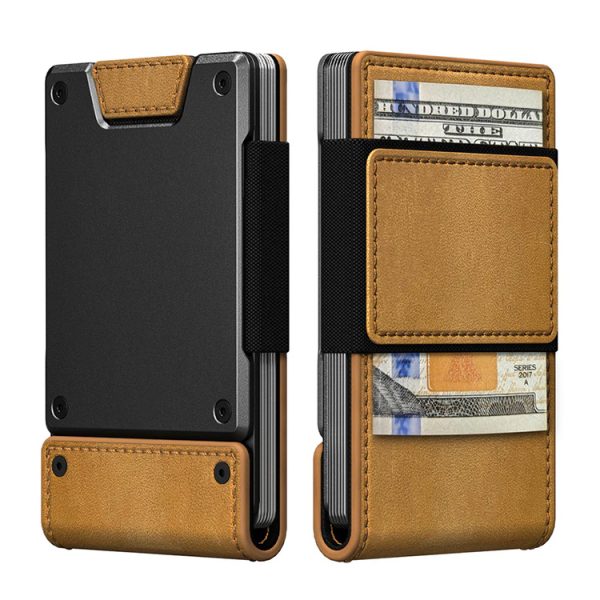
Leather remains the highest-volume wallet material for wholesale and private-label programs, and the sourcing details are where most projects succeed or fail: leather grade, lining, stitching density, edge finishing and RFID insert placement.
What this hub answers
This hub collects guides on leather and microfiber leather selection, crazy horse and suede behavior, wallet construction, stitching quality checks and how to compare quotes that look similar but specify different materials.
The articles are aimed at brands that need a repeatable leather wallet program rather than a one-off sample.
- How to tell full-grain, top-grain, split and microfiber leather apart in a quote
- Which construction details drive returns — stitching, edge paint, lining
- How to place an RFID insert without ruining hand-feel
Three guides to read first
The longest, most practical reads in this hub — the ones that answer the questions buyers usually ask on the first call.
58 GUIDES · UPDATED NOV 2026
Browse 58 guides by topic
Every article in this hub, grouped by the question it answers. Jump to a topic, or scan the full list.
Leather grades & materials 7
Full-grain, top-grain, split, microfiber, canvas and how to specify them.
- Best Leather Wallets: A B2B Buyer’s Guide to Materials & Manufacturing11 min
- Canvas Wallet Sourcing Guide | Custom Fold Wallet Manufacturer11 min
- What Type of Leather Is Best for Wallets? B2B Material Guide11 min
- Leather-Wrapped Metal Wallet: A Complete, Integrated Guide To Design, Materials, Care, And Everyday Use11 min
- Saffiano Leather Wallet OEM & ODM Manufacturer | Gstar Technology11 min
- How To Make A Leather Wallet: A Buyer’s Guide To Craftsmanship, Materials, And Custom Options8 min
- Is It Worth The Price? A Detailed Review of The Premium Genuine Leather And Aluminum Alloy Clutch.8 min
Care, ageing & lifespan 15
Cleaning, conditioning, stretching and realistic service life.
- Men’s Coin Purse OEM Manufacturer | Custom Metal, Leather & Plastic Wallets14 min
- How Long Should A Leather Wallet Last? Durability, Quality, And Care Explained14 min
- How To Care for A Leather Wallet: Simple Tips To Extend Its Life And Look11 min
- How to Care Leather Wallet – Expert Guide from a Manufacturer | GSTAR10 min
- Fix Stretched Leather Wallet: Shrink It Back | GSTAR OEM Guide10 min
- How Do You Clean A Leather Wallet? Safe Care Tips To Keep It Looking New10 min
- How to Shrink a Stretched Leather Wallet | GSTAR OEM Manufacturer Guide10 min
- How Long Does A Leather Wallet Last10 min
- How To Care for A Leather Wallet8 min
- Metal Vs. Full Leather Wallet: Which Ages Better After 3 Years of Daily Use? A Practical OEM Perspective8 min
- Can Clorox Wipes Be Used on A Leather Wallet? Safe Cleaning Tips Buyers Should Know7 min
- How To Dry A Leather Wallet Properly Without Cracking Or Damage7 min
- How To Care for A Leather Wallet: Simple Maintenance Tips Every Buyer Should Know7 min
- How To Clean A Leather Wallet: Safe Care Tips To Keep Your Wallet Looking New6 min
- How To Shrink A Leather Wallet Safely Without Damaging It5 min
Construction & hardware 4
Stitching density, edge finishing, linings, zips and RFID inserts.
Comparisons & alternatives 6
Leather versus metal and aluminium, plus brand alternatives.
- Leather vs Aluminum EDC Wallet: B2B OEM Sourcing Guide12 min
- Differences Between Gifting A Metal Wallet Vs. Gifting A Traditional Leather One11 min
- Metal Wallet vs Leather Wallet: B2B OEM Sourcing Guide | GSTAR9 min
- Hard-Shell Metal Cases Vs. Soft-Shell Leather Wallets: The 2026 Expert Guide for Brands And Buyers7 min
- Leather Wallet OEM Guide: How Brands Build Better Products with A Trusted China Manufacturing Partner7 min
- Metal Wallets Vs. Leather Wallets: Durability, Cost, And Market Positioning Compared6 min
OEM manufacturing & private label 26
Factory capability, customization, packaging, import and MOQ.
- Best Leather Wallet Sourcing Guide for B2B Buyers | OEM Manufacturer14 min
- Leather Wallet Importers in USA: 2026 Sourcing Guide for Buyers13 min
- How to Choose Leather Wallets for Wholesale? A B2B Sourcing Guide13 min
- Custom Leather Wristlet Manufacturer | OEM/ODM Bulk Supply – GSTAR13 min
- What Leather Wallet Features Matter Most for B2B Buyers? | Manufacturer Guide13 min
- How To Customize A Leather Wallet for Your Brand? | China OEM Guide12 min
- Leather Wallet Manufacturer — OEM & ODM Factory Capability Guide12 min
- What Packaging Works Best for Private Label Leather Wallets? A B2B Guide11 min
- Decorate Leather Wallet Be More Attractive11 min
- Custom Black Leather Wallet OEM Manufacturing | GSTAR Factory11 min
- Bill Fold Wallet: The Ultimate Guide To Choosing, Using, And Manufacturing Premium Leather Wallets in 202611 min
- Mens Long Wallet Leather Sourcing Guide for B2B Buyers10 min
- Durable Leather Card Wallet with Carbon Fiber Accents10 min
- Best Leather Wallets for Men: A 2026 Sourcing Guide for Buyers10 min
- Simple Leather Wallet Manufacturer | Durable Custom OEM | GSTAR9 min
- Custom Leather Wallet Manufacturer | OEM/ODM Supplier GSTAR9 min
- Can You Sublimate on A Leather Wallet? Custom Printing Options Buyers Should Know9 min
- Leather Metal Wallet: The Complete Guide To Style, Function, And Durability8 min
- How To Make A Leather Front Pocket Wallet8 min
- Leather Aluminum Wallet with Cash Strap7 min
- How Much Does A Leather Wallet Cost? Pricing Guide for Quality And Style7 min
- Where To Buy A Leather Wallet? Trusted Sources for Quality, Style, And Value7 min
- Will Leather Goods Wallets: Premium Leather Wallets Worth Buying?6 min
- The Ultimate Guide To The Best Mens Wallet Leather: Engineering Longevity And Style6 min
- The Hidden Problems with Traditional Leather Wallets — And How Metal Wallets Solve Them5 min
- Your Complete Decision Guide: MOQ, Lead Time & Customization for Leather Wallet OEM5 min
Leather wallets: questions buyers ask before a quote
Short answers to the specification questions that come up most often in this category.
Which leather is best for a wallet program?
Full-grain and top-grain leather last longest and develop a patina; split leather and microfiber are cheaper and more consistent in colour. For a repeatable private-label program the practical choice is usually top-grain or a high-grade microfiber with a specified thickness, because colour matching across batches is easier and pricing is stable.
How many stitches per inch should a leather wallet have?
Most production wallets run six to eight stitches per inch. Denser stitching looks premium but weakens the leather along the seam if the holes are too close. Ask for the stitch count, thread size and seam allowance; inconsistent spacing is one of the first defects a buyer can spot in a batch.
Can a leather wallet include RFID blocking?
Yes. The usual build is a thin aluminium or copper-nickel mesh layer laminated behind the card pocket, or a metal plate in the spine. The insert adds 0.3 to 0.8 mm and can stiffen the pocket, so specify it before the pattern is cut. Test the finished wallet with a card and reader, not just the raw material.
How do I check leather quality before a bulk order?
Ask for a pre-production sample in the exact leather and colour, then check grain consistency, thickness, edge finishing and stitch tension. Bend the sample at the spine and look for cracking or lifting edge paint. For bulk, request an AQL inspection with photos of seams and edges, not only the outer face.
What MOQ applies to a private-label leather wallet?
Existing patterns with a new logo, colour and packaging start at 500 pieces. A new pattern or lining starts at 3,000 pieces. A new construction, hardware set or RFID insert position that needs new cutting dies starts at 5,000 pieces. Leather colour matching is easier at higher volumes.
Keep researching
Move from research to a quote
Specifications, finishes and customization options for the products behind these guides.
Need a spec answered before you quote?
Send your material grade, card capacity or mechanism requirement — we answer with production-feasible options, not catalogue copy.