

Views: 256 Author: Princee Lee Publish Time: 03-25-2026 Origin: Princee Lee


Content Menu
>> The Spectrum of Longevity: An Overview
>> The Foundation: Understanding Leather Grades
>>> Full-Grain Leather: The Peak of Durability
>>> Top-Grain Leather: The Balanced Alternative
>>> Genuine Leather: The Marketing Trap
>>> Bonded Leather: The "Particle Board" of Accessories
>> The Tanning Process: Chemical vs. Natural Longevity
>>> Vegetable Tanning: The Artisan Choice
>>> Chrome Tanning: The Industrial Method
>> Craftsmanship: Stitches and Edges
>>> Hand-Stitching vs. Machine-Stitching
>>> Thread Quality
>>> Edge Finishing: Burnishing vs. Painting
>> The Owner's Influence: Daily Habits and Environment
>>> The Dangers of Overstuffing
>>> Pocket Placement: Front vs. Back
>> Maintenance: Caring for the Hide
>> Signs of Aging: Patina vs. Damage
>> The Economic and Ethical Argument for Longevity
>> Conclusion
>> Related Questions and Answers
The humble leather wallet is more than just a functional tool for carrying currency and identification; for many, it is a daily companion that witnesses years of personal history. Unlike the fast-fashion accessories that dominate modern retail, a high-quality leather wallet is often viewed as a lifetime investment. However, the question of exactly how long a leather wallet lasts does not have a single, uniform answer. The lifespan of this essential accessory can range anywhere from two years to over two decades, depending on a complex interplay of material quality, construction techniques, and how the owner treats it on a daily basis.
In the world of leather goods, there is a vast divide between mass-produced items and artisanal products. A standard "genuine leather" wallet purchased from a big-box department store typically begins to show significant signs of wear within one to three years. The edges may fray, the finish might peel, and the structural integrity of the pockets often fails. Conversely, a premium wallet made from full-grain leather and crafted by skilled artisans can easily remain functional and aesthetically pleasing for ten to twenty years, sometimes even longer.
This disparity exists because "leather" is not a singular material with a fixed set of properties. It is a biological product that undergoes various chemical and mechanical processes, each of which significantly impacts its ultimate durability. To understand why one wallet survives a decade while another falls apart in months, one must look deep into the fibers of the material itself.
The single most important factor in determining the lifespan of a wallet is the grade of leather used in its construction. Marketing terms can often be misleading, so it is crucial to distinguish between the various levels of quality.

Full-grain leather is the highest quality grade available. it comes from the outermost layer of the animal hide, just below the hair. This part of the skin is the most dense and contains the strongest fibers. Because the surface is not sanded or buffed to remove natural imperfections, the leather retains its original strength and breathability.
A full-grain leather wallet is virtually indestructible under normal conditions. Rather than wearing out, it undergoes a process called "patina," where it absorbs oils from your hands and develops a rich, dark sheen over time. This natural aging process actually makes the wallet look better as it gets older. If you are looking for a wallet that will last fifteen years or more, full-grain is the only choice.
Top-grain leather is the second-highest grade. To create it, the very top layer of the hide is sanded down to remove scars or insect bites. This makes the leather more uniform and easier to work with, but it also removes some of the strongest fibers. A finish is often applied to the surface to give it a consistent look. While top-grain wallets are still very durable and can last five to ten years, they lack the extreme longevity and the distinct patina-forming capabilities of full-grain leather.
In the hierarchy of leather, "genuine leather" is actually near the bottom. The term is often used to describe leather that is made from the lower layers of the hide (the split) after the top-grain has been removed. The surface is then heavily processed and embossed with a grain pattern to make it look like higher-quality leather. Because these lower layers lack the dense fiber structure of the surface, genuine leather wallets tend to stretch out, crack, and lose their shape within two or three years.
Bonded leather is the least durable option. It is made by shredding leather scraps and bonding them together with polyurethane or latex onto a fiber sheet. It is essentially the leather equivalent of particle board. Bonded leather wallets are prone to peeling and disintegrating, often lasting less than a year of daily use.
Even the best hide can be ruined by poor tanning. Tanning is the process that turns raw animal skin into stable leather. The two most common methods have a profound impact on how long a wallet will remain supple.
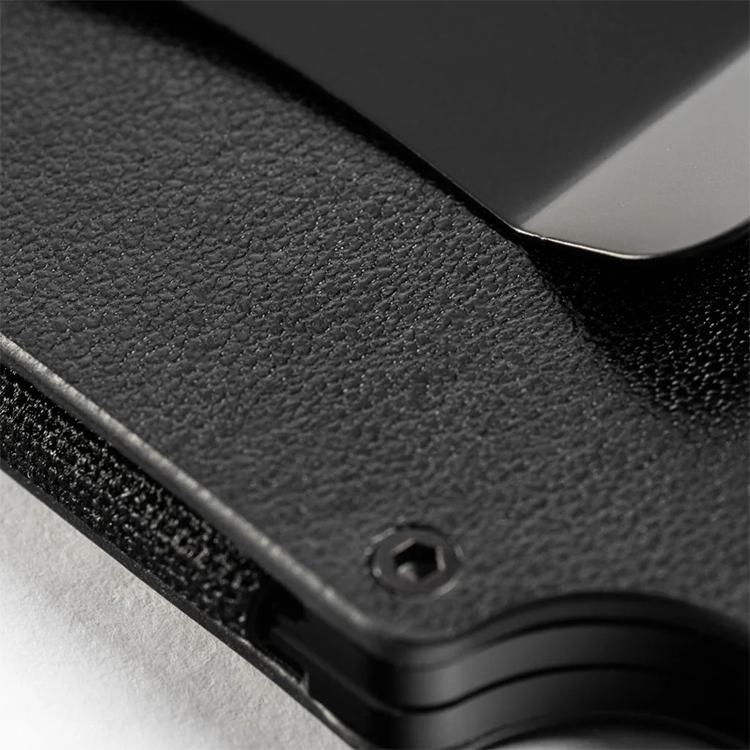
Vegetable tanning is an ancient method that uses natural tannins found in bark, leaves, and fruits. The process is slow, often taking weeks or months to complete. The result is a leather that is firm, smells like wood, and is incredibly durable. Vegetable-tanned leather is the only type that develops a true patina. Because no harsh chemicals are used to break down the fibers, the leather maintains its structural integrity for decades.
Chrome tanning uses chromium salts and other chemicals to tan the leather in a matter of days. This produces a leather that is softer, more pliable, and more resistant to water and stains initially. However, the chemical process can make the fibers more brittle over long periods. While high-quality chrome-tanned leather can still last a long time, it generally doesn't have the "multi-generational" potential of vegetable-tanned goods.
A wallet is only as strong as its weakest point, which is almost always the stitching. Even if the leather is top-tier, the wallet will fail if the seams come apart.
Most mass-market wallets are machine-stitched using a "lockstitch." In a lockstitch, two threads (top and bottom) are looped around each other. If one thread breaks, the entire seam can quickly unravel.
Artisan wallets are often "saddle-stitched" by hand. This technique uses a single thread with a needle at each end, passing through every hole in an alternating pattern. If a stitch breaks in a saddle-stitched seam, the rest of the stitches remain secure because the threads are independent of one another. This is a critical factor in a wallet's ability to survive ten or more years of being pulled in and out of a pocket.
The type of thread used also matters. Nylon and polyester threads are the industry standard because they are resistant to rot and abrasion. Some traditionalists use linen thread coated in beeswax, which is very strong but may require more maintenance over time. A wallet that uses thin, weak thread will likely fail long before the leather does.
The edges of a leather wallet are exposed to constant friction. In high-quality wallets, the edges are often "burnished"—rubbed with wood and wax until the fibers fuse together into a smooth, hard surface. This creates a permanent seal. Lower-quality wallets often use "edge paint" to cover the raw edges. Over time, this paint can crack and peel off, exposing the inner layers of the leather to moisture and wear.

While quality and construction provide the foundation, the way a wallet is used determines its actual lifespan. A "buy it for life" wallet can still be destroyed by neglect or abuse.
The most common cause of premature wallet failure is overstuffing—a phenomenon sometimes jokingly called the "George Costanza" effect. Leather is an elastic material; it can stretch to accommodate extra cards and receipts, but it cannot easily shrink back. Overstuffing puts immense pressure on the stitching and causes the leather fibers to thin out and eventually tear. To maximize longevity, a user should carry only the essentials and regularly clear out unnecessary items.
Carrying a wallet in the back pocket is a tradition, but it is detrimental to the wallet's health. Sitting on a wallet for hours every day subjects it to constant compression and bending. This pressure can warp the leather and stress the seams. Furthermore, the friction against the denim or fabric of the pants acts like sandpaper, wearing down the surface. Front-pocket carry is significantly better for the wallet (and for your spine), as it avoids this constant compression.
Leather is porous and sensitive to its environment. Extreme heat (like leaving a wallet on a car dashboard) can dry out the natural oils, leading to cracking. Excessive moisture or sweat can cause the leather to swell and, if not dried properly, lead to mold or rot. A wallet that is frequently exposed to the elements will require much more frequent maintenance to reach its potential lifespan.
To ensure a leather wallet lasts ten or twenty years, a small amount of regular maintenance is required. Leather is essentially skin, and like your own skin, it needs to stay hydrated.
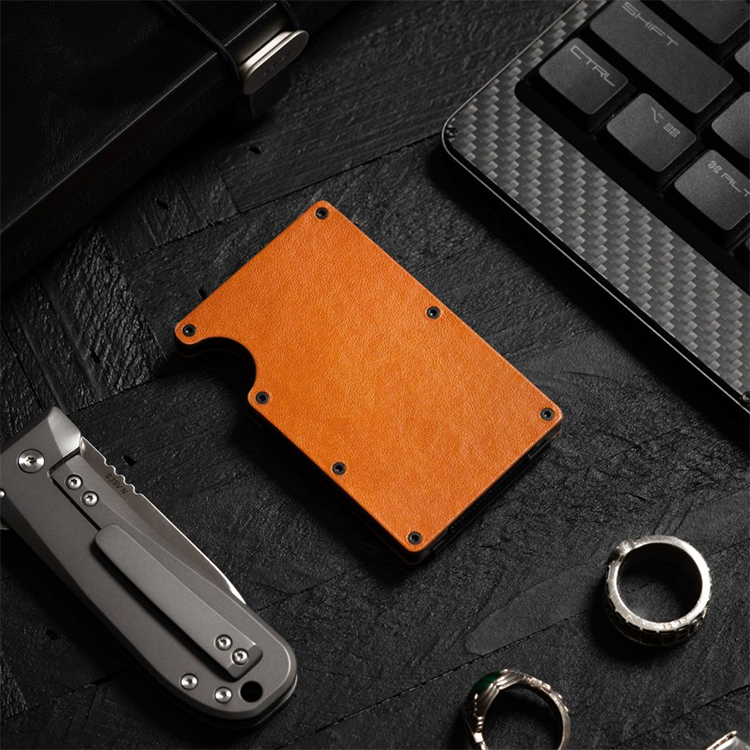
Every six to twelve months, a leather wallet should be gently cleaned with a damp cloth to remove surface dirt and salt from sweat. After cleaning, applying a high-quality leather conditioner is essential. Conditioners penetrate the fibers, replenishing the oils that keep the leather supple. Supple leather can bend and flex without breaking; dry leather becomes brittle and cracks.
If a leather wallet gets soaked, the worst thing you can do is dry it with high heat. Never use a hairdryer or place it on a radiator. Instead, remove the contents, wipe off the excess water, and let it air dry naturally at room temperature. Once dry, apply a conditioner immediately, as the evaporating water often carries away the leather's natural oils.
It is important to distinguish between "aging" and "breaking." A well-worn leather wallet should look older, but it should not look damaged.
Patina is the gold standard of leather aging. It appears as a darkening of the color and a subtle shine on the areas of highest contact. This is a sign of a healthy, high-quality material. On the other hand, deep cracks, fraying threads, and peeling surfaces are signs of damage. If the leather begins to crack, it is often a sign that it has been allowed to dry out too much, and the damage is usually permanent.
When considering how long a leather wallet lasts, it is also worth considering why longevity matters. A high-quality $100 leather wallet that lasts fifteen years costs less than seven dollars per year. In contrast, a $20 "genuine leather" wallet that needs to be replaced every two years ends up being more expensive in the long run.
Beyond the financial aspect, there is an ethical and environmental benefit to choosing a long-lasting wallet. Every time an accessory is thrown away, it contributes to landfill waste. By investing in a single piece of high-quality craftsmanship, you reduce your personal consumption and support traditional artisans who prioritize quality over volume.
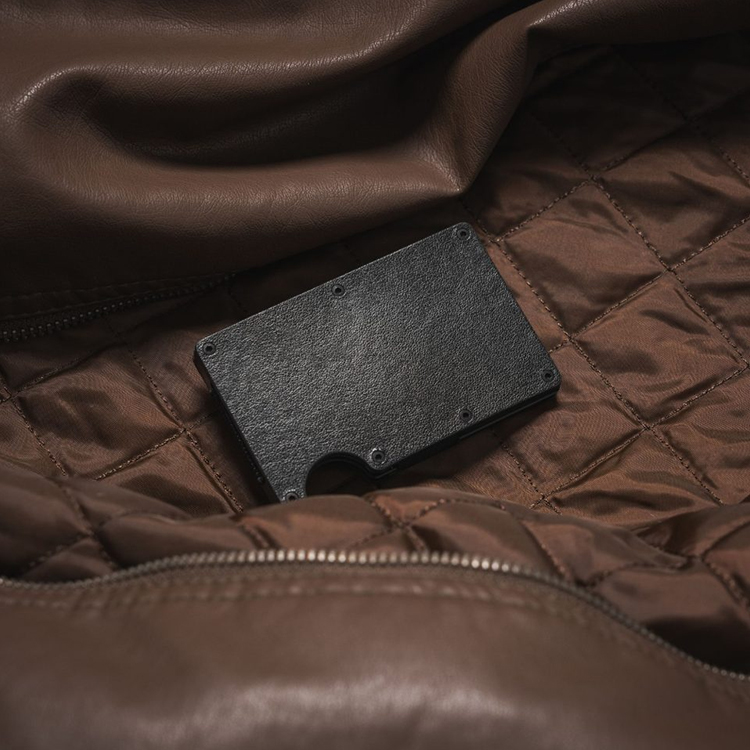
A leather wallet is a rare example of a product that can actually improve with age. While the "how long" question depends on many variables, the answer is ultimately in the hands of the consumer. By choosing full-grain, vegetable-tanned leather and practicing mindful habits like front-pocket carry and occasional conditioning, you can transform a simple accessory into a lifelong heirloom. A great wallet doesn't just hold your money; it carries your story for decades to come.
Q1: Is it worth spending more on a "full-grain" leather wallet?
A1: Absolutely. While the initial cost is higher, full-grain leather is the only grade that uses the strongest part of the hide. It is much more resistant to tearing and stretching than lower grades and is the only leather that develops a beautiful patina over time. In terms of cost-per-year, a full-grain wallet is almost always the cheaper option.
Q2: Does "genuine leather" mean it is high quality?
A2: No, "genuine leather" is often a marketing term for one of the lowest grades of real leather. It is made from the split layers of the hide and is heavily processed. While it is technically real leather, it lacks the durability of full-grain or top-grain options and usually lasts only a few years.
Q3: How often should I condition my leather wallet?
A3: For most users, conditioning every six to twelve months is sufficient. If you live in a very dry climate or your wallet is frequently exposed to sweat or water, you may want to condition it every three to four months. Use a specialized leather cream or balm and avoid products containing harsh chemicals or heavy waxes.
Q4: Can a leather wallet be repaired if the stitching fails?
A4: Yes, especially if the wallet is made of high-quality leather. A cobbler or a leather smith can usually restitch a wallet for a small fee. This is one of the advantages of high-quality leather; even if the thread gives way after a decade of use, the material itself is often still in excellent condition and worth the repair.
Q5: Will my wallet last longer if I carry it in my front pocket?
A5: Yes. Front-pocket carry protects the wallet from the constant pressure and bending caused by sitting. It also reduces the amount of friction against the leather surface and keeps the wallet away from the moisture of back-pocket sweat, significantly extending its functional life.
Q6: What is the main cause of leather cracking?
A6: The primary cause of cracking is dryness. When the natural oils in the leather fibers evaporate, the fibers become brittle. When the wallet is then bent or flexed, these brittle fibers snap, creating a crack. Regular conditioning is the best way to prevent this.


