
Views: 220 Author: Princee Lee Publish Time: 04-17-2026 Origin: Princee Lee


Content Menu
● What "Aging Better" Really Means
● 3-Year Daily Use: Metal vs. Full Leather
● Why Full Leather Often Ages Better Visually
● Why Metal Often Wins on Function
● The OEM View: Material Is Only Half the Story
● What Real Users Notice After 3 Years
>> Full Leather Wallet Users Say
● Which One Ages Better for Different Buyer Types
>> Choose Full Leather If Your Buyers Want:
>> Choose Metal If Your Buyers Want:
● Latest Industry Insight: Durability Is Now a Brand Story
● How to Test Aging Before Launch
● Image and Video Placement Suggestions
● Why Brands Choose Gstar Technology
● FAQ
>> 1. Does a full leather wallet last longer than a metal wallet?
>> 2. Which wallet looks better after daily use?
>> 3. Are metal wallets better for carrying cards?
>> 4. What is the biggest weakness of leather wallets?
>> 5. What is the biggest weakness of metal wallets?
>> 6. Which wallet is better for luxury branding?
If you are comparing a metal wallet and a full leather wallet after 3 years of daily use, the answer is not as simple as "which one is tougher." The real question is: which material ages better in the way your customers actually value most—appearance, function, comfort, and brand perception? From our OEM manufacturing perspective at Gstar Technology (Shenzhen) Co., Ltd., the winner depends on what "aging well" means for the target market.
In most cases, full leather wallets age better visually, while metal wallets age better structurally. Full leather develops patina, softness, and character over time. Metal keeps its shape, resists stretching, and stays mechanically stable, but it may show scratches, edge wear, or a colder user feel after daily pocket use.

A wallet does not age in only one way. Buyers usually judge aging through four lenses:
- Visual aging: Does it look better, worse, or more premium over time?
- Structural aging: Does it keep its shape and function after repeated use?
- Touch and comfort: Does it become softer, smoother, or more irritating in the pocket?
- Brand value: Does the product still feel desirable after years of use?
For a premium wallet brand, aging is a marketing asset. For a minimalist everyday carry product, aging is often a performance test. This is why OEM product planning should define aging expectations before production starts.

| Factor | Metal Wallet | Full Leather Wallet |
|---|---|---|
| Shape retention | Excellent | Good to excellent, depending on construction |
| Scratch resistance | Moderate, visible scratches common | Moderate, scuffs often blend into patina |
| Patina and character | Limited | Strong, often improves with age |
| Pocket comfort | Firm, may feel rigid | Softer and more flexible over time |
| Weight feel | Often lighter than expected, but still rigid | Usually more natural and comfortable |
| Maintenance | Low | Medium, conditioning helps longevity |
| Luxury perception | Tech-forward, modern | Classic, warm, premium |
After 3 years of daily carry, full leather usually wins on emotional aging. It develops a lived-in premium look that many customers associate with craftsmanship. Metal usually wins on dimensional stability and resistance to stretching or deformation.

Full-grain or high-quality full leather is valued because it develops patina instead of simply wearing out. That means the wallet can absorb small marks, soften at the flex points, and gradually gain a richer surface tone. For many users, this looks like authenticity rather than damage.
From a customer-experience angle, that matters a lot. A wallet that looks better at year three than at year one creates stronger perceived value. For gifting, luxury positioning, or heritage branding, this is a major advantage.
However, leather only ages well if the material quality and construction are strong. Thin leather, poor edge finishing, weak stitching, or low-quality coatings can make a wallet look tired long before the third year.
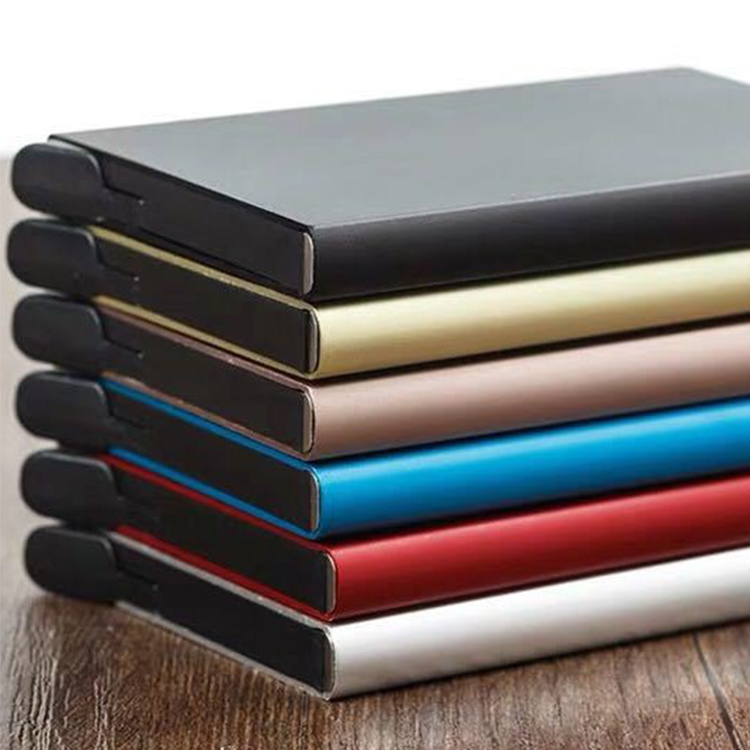
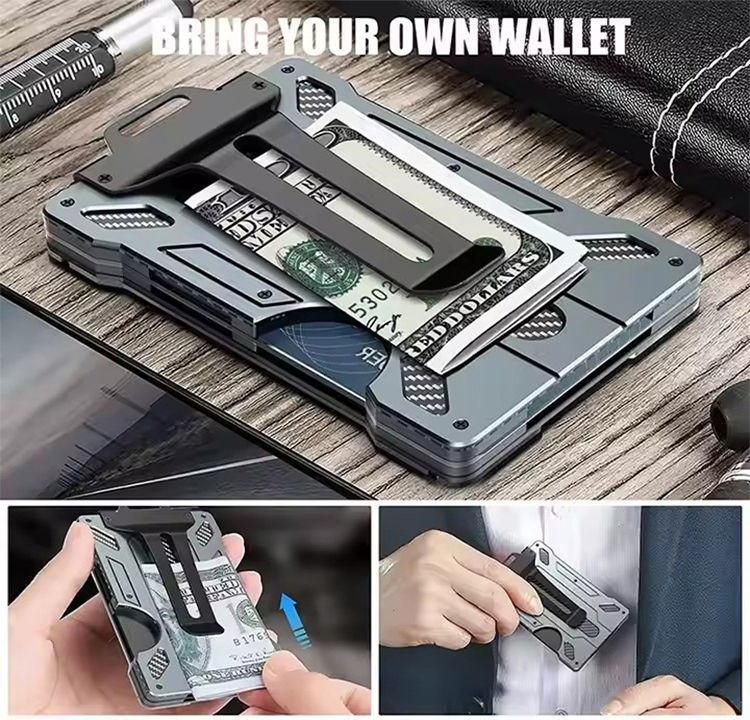
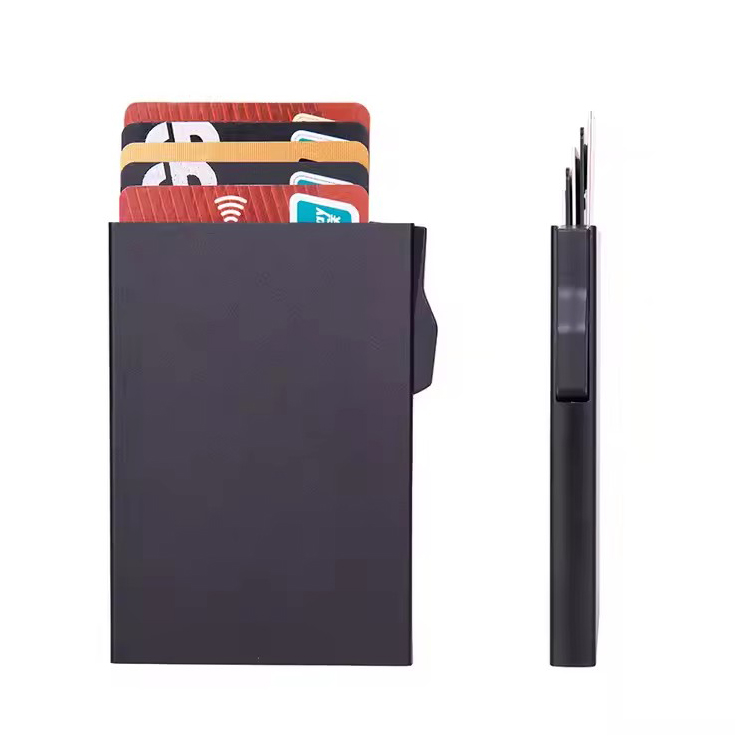
Metal wallets are engineered for stability. They do not stretch like leather, and they can resist bending, compression, and many forms of daily wear. That makes them appealing for users who want a compact product with consistent performance.
Metal also fits the minimalist and tactical EDC market. Many customers value the "always the same" feeling—same shape, same profile, same card retention. In that sense, metal ages like a tool, not like a fashion accessory.
But metal has trade-offs. Scratches are often more visible. Some designs can feel harsh in the hand. Sliding mechanisms, screws, and elastic components may loosen over time if the engineering or assembly is weak.
At Gstar Technology (Shenzhen) Co., Ltd., we believe wallet longevity is not determined by material alone. In OEM production, the long-term result depends on:
- Material grade.
- Edge finishing quality.
- Stitch density and thread selection.
- Hardware durability.
- Tolerances in cutting and assembly.
- Realistic testing under repeated daily use.
A premium full leather wallet with poor craftsmanship can fail early. A well-engineered metal wallet with weak internal parts can also disappoint after months of use. For brands, this is why supplier capability matters as much as product concept.

Based on common user feedback patterns in the market, the experience usually looks like this:
- It feels more personal over time.
- The surface develops a richer look.
- It becomes more comfortable in the pocket.
- It can still look premium after heavy use.
- It holds shape extremely well.
- It protects cards and resists crushing.
- It can show cosmetic wear more quickly.
- It feels less "warm" than leather for some users.
These patterns are important for product positioning. A leather wallet should be marketed for character and long-term elegance. A metal wallet should be marketed for precision, protection, and modern utility.
The right answer depends on the customer segment:
- Premium gifting appeal.
- Classic luxury positioning.
- A wallet that gains character over time.
- Softness and natural hand feel.
- Minimalist EDC performance.
- Strong shape retention.
- Card protection and structured carry.
- A technical, modern brand identity.
For many brands, the best strategy is not choosing one forever. It is building a two-line portfolio: one full leather line for emotional value, one metal line for functional value.
In 2026, more wallet buyers are asking not just "what is it made of?" but "how will it look and feel after years of use?" That shift matters because durability is now tied to online reviews, repeat purchases, and perceived sustainability. A wallet that ages well is easier to position as a lower-waste, higher-value purchase.
This is especially relevant for OEM buyers. When the manufacturing story is clear—materials, testing, craftsmanship, and after-sales durability—the brand can justify a higher price point and stronger customer trust.
Before mass production, we recommend a simple pre-launch evaluation process:
1. Simulate pocket wear with repeated flex and abrasion testing.
2. Test stitching, edge paint, or hardware stability after long-cycle use.
3. Compare surface changes after contact with keys, coins, and cards.
4. Evaluate comfort after carrying in front and back pockets.
5. Review customer positioning: luxury, minimalist, travel, or gift.
This testing helps brands reduce product returns and improve review quality after launch.
To improve engagement and SEO performance, place visual assets in these positions:
- Hero image: A side-by-side comparison of metal and full leather wallets.
- Middle infographic: A "3-year aging comparison" table or icon chart.
- Factory/process image: Show stitching, edge finishing, metal machining, or quality inspection.
- Short video: 15–30 seconds showing pocket carry, surface wear, and card access.
- CTA image: A custom OEM wallet sample lineup from your factory.
These assets help users understand the difference faster and increase time on page.
As an OEM factory, Gstar Technology (Shenzhen) Co., Ltd. supports brands, wholesalers, and manufacturers with custom wallet development across materials and product categories. Our focus is not just production, but helping clients build products that perform well in real daily use and strengthen brand positioning.
For wallet projects, that means we help with:
- Material selection.
- Structural design.
- Durability-focused sampling.
- Branding and customization.
- Scalable OEM production.
If your goal is to launch a wallet that still feels premium after 3 years of daily carry, material choice must be matched with expert manufacturing.
So, which ages better after 3 years of daily use: metal or full leather? If you mean visual character and premium feel, full leather usually ages better. If you mean shape retention and mechanical stability, metal performs better.
For most premium lifestyle brands, full leather creates the stronger "aged beautifully" story. For minimalist and technical brands, metal offers the more consistent long-term structure. The best choice depends on your target customer, brand identity, and manufacturing standards.
Not always. A full leather wallet can last for years and age beautifully, but a metal wallet usually keeps its shape better over time.
Full leather usually looks better after 3 years because it develops patina and a softer premium appearance.
Metal wallets are often better for structure and protection, especially in minimalist card-focused designs.
Low-quality leather, weak stitching, and poor finishing can cause early wear, peeling, or edge damage.
Scratches, visible cosmetic wear, and possible loosening of moving parts in cheaper designs.
Full leather is usually better for luxury, gift, and heritage branding because it feels warm, classic, and timeless.
1. GeoGrit — "Metal vs Leather Wallet: Which is the Better Choice?"
https://www.geogrit.com/blogs/gear/metal-vs-leather-wallet-which-is-better
2. Harber London — "Types of Leather for Wallets: What Is the Most Durable Option?"
https://www.harberlondon.com/blogs/news/types-of-leather-for-wallets-what-is-the-most-durable-option
3. Code Wallets — "What to Look for in a Durable Wallet (And What to Avoid)"
https://code-wallets.com/blogs/wallet-guides/durable-wallet-guide
4. Code Wallets — "Leather Wallets: Are They Really Better? What You Need to Know"
https://code-wallets.com/blogs/wallet-guides/are-leather-wallets-better
5. Hoplok Leather — "What Leather to Use for Wallets: A Durability Guide"
https://hoplokleather.com/what-leather-to-use-for-wallets-guide/
6. BagsRain — "Custom Wallet Manufacturing: What Really Determines Product Quality and Long-Term Value"
https://www.bagsrain.com/zh-Hans/blog/custom-wallet-manufacturing-what-really-determines-product-quality-and-long-term-value
Looking for an OEM wallet partner that can help you design a product built to look better, last longer, and sell stronger after years of use? Contact Gstar Technology (Shenzhen) Co., Ltd. for custom wallet development.
Hot Tags: China, Global, OEM, private label, manufacturers, factory, suppliers, manufacturing company


