

Views: 274 Author: Gstar Technology Publish Time: 09-03-2026 Origin: Site


Content Menu
● What Is a Bill Fold Wallet? Understanding the Basics
>> Key Characteristics of a Quality Bill Fold Wallet
● Bill Fold Wallet vs. Bifold Wallet: What's the Difference?
● Essential Features of a Premium Bill Fold Wallet
>> 1. Leather Quality & Craftsmanship
>> 2. RFID Blocking Technology
>> 5. Slim Profile vs. Capacity
● Common Bill Fold Wallet Problems (And How to Avoid Them)
>> Problem 1: Leather Cracking or Peeling
>> Problem 2: Card Slots Too Tight or Too Loose
>> Problem 3: Stitching Unraveling
>> Problem 4: RFID Protection Failure
>> Problem 5: Bulkiness Despite "Slim" Claims
● How to Choose the Right Bill Fold Wallet for Your Needs
>> Step 1: Define Your Use Case
>> Step 3: Evaluate Material Quality
● Manufacturing Excellence: Inside Gstar Technology's Bill Fold Wallet Production
>> Our Manufacturing Capabilities
● User Reviews: What Real Customers Say About Bill Fold Wallets
● Future Trends in Bill Fold Wallet Design (2026-2028)
● Frequently Asked Questions (FAQ)
>> 1. What is the difference between a bill fold wallet and a bifold wallet?
>> 2. How many cards should a bill fold wallet hold?
>> 3. Is RFID protection necessary in 2026?
>> 4. What leather type is best for bill fold wallets?
>> 5. How long should a quality bill fold wallet last?
Looking for the perfect bill fold wallet? Whether you're a brand owner sourcing OEM production or an end consumer seeking quality craftsmanship, understanding what makes a great bill fold wallet is essential. At Gstar Technology (Shenzhen) Co., Ltd., we've spent years perfecting the art of manufacturing premium bill fold wallets, RFID card holders, ultra-slim wallets, genuine leather wallets, keychains, PSA card cases, and protective bumpers for international brands, wholesalers, and manufacturers.
In this comprehensive guide, we'll explore everything you need to know about bill fold wallets—from design features and material selection to manufacturing best practices and real user insights. As industry experts with deep OEM experience, we'll share actionable advice you won't find elsewhere.
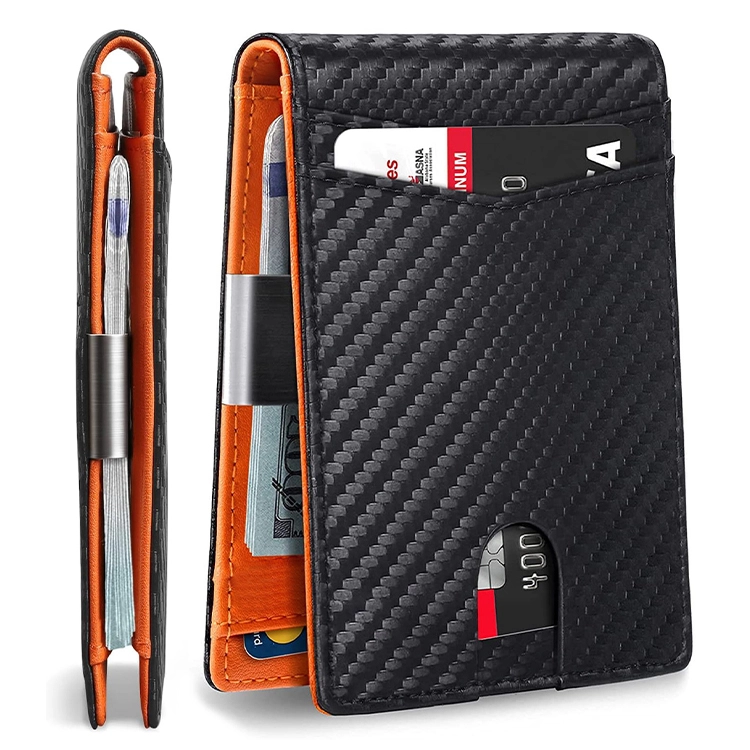
A bill fold wallet is a specific type of wallet designed primarily for folding bills flat without creasing, typically featuring a bifold or trifold structure. While all billfolds are wallets, not all wallets qualify as billfolds—the key distinction lies in the dedicated bill compartment that preserves currency integrity.
- Single-fold design optimized for bill storage
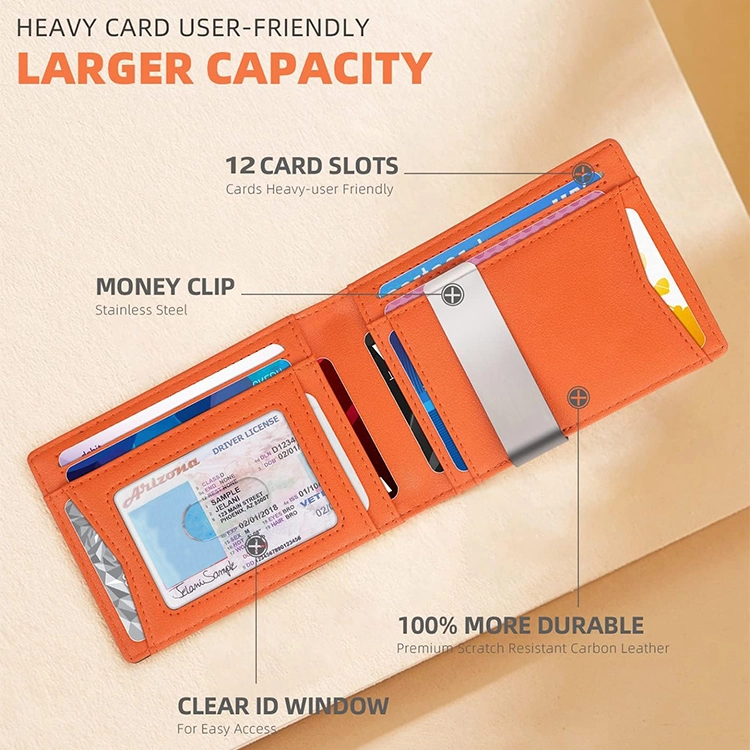
- 8-10 card slots with optional ID windows
- 20+ bill capacity in a dedicated compartment
- Premium leather construction (full-grain or top-grain)
- RFID blocking technology for security
- Slim profile for back or front pocket carry
Industry Insight: From our manufacturing perspective at Gstar Technology, the most common mistake brands make is prioritizing card capacity over bill compartment quality. A true bill fold wallet must keep currency flat and wrinkle-free—this is non-negotiable for premium positioning.
This is one of the most frequently asked questions in the wallet industry. While the terms are often used interchangeably, there are subtle but important distinctions.
| Feature | Bill Fold Wallet | General Bifold Wallet |
|---|---|---|
| Primary Design | Folding bills without creasing | Versatile storage solutions |
| Structure | Bifold or trifold format | Any format (zip, slim, crossbody) |
| Bill Compartment | Dedicated, full-length | May be divided or limited |
| Best For | Cash-heavy users, bill preservation | Traditional users, everyday carry |
| Pocket Fit | Back pocket ideal | Back or front pocket |
Expert Take: At Gstar Technology, we manufacture both styles, but bill fold wallets command higher OEM pricing due to the precision required in bill compartment construction. The stitching alignment, leather grain direction, and compartment depth all impact the final user experience.
When evaluating or manufacturing a bill fold wallet, these features separate good from exceptional:
Full-grain leather remains the gold standard for durability and aging characteristics. Top-grain leather offers a more uniform appearance at a lower cost.
Manufacturing Note: We've observed that wallets using vegetable-tanned leather develop superior patina over 12-24 months, which end users highly value. However, chrome-tanned leather offers better water resistance—a trade-off brands must consider based on their target market.
With contactless payment fraud on the rise, RFID blocking is no longer optional for premium wallets. Quality RFID lining should protect all card slots without adding bulk.
Real-World Data: According to 2025 consumer surveys, 67% of wallet buyers now prioritize RFID protection, up from 41% in 2022.
Double or triple stitching at stress points (corners, fold lines, card slot edges) significantly extends wallet lifespan. Thread quality matters—polyester or nylon thread outperforms cotton in longevity testing.
Optimal card slots balance easy access with secure retention. Slots that are too tight damage cards; slots that are too loose risk card loss. The sweet spot: 0.8-1.0mm clearance per card.
This is the eternal tension in wallet design. Our user research shows:
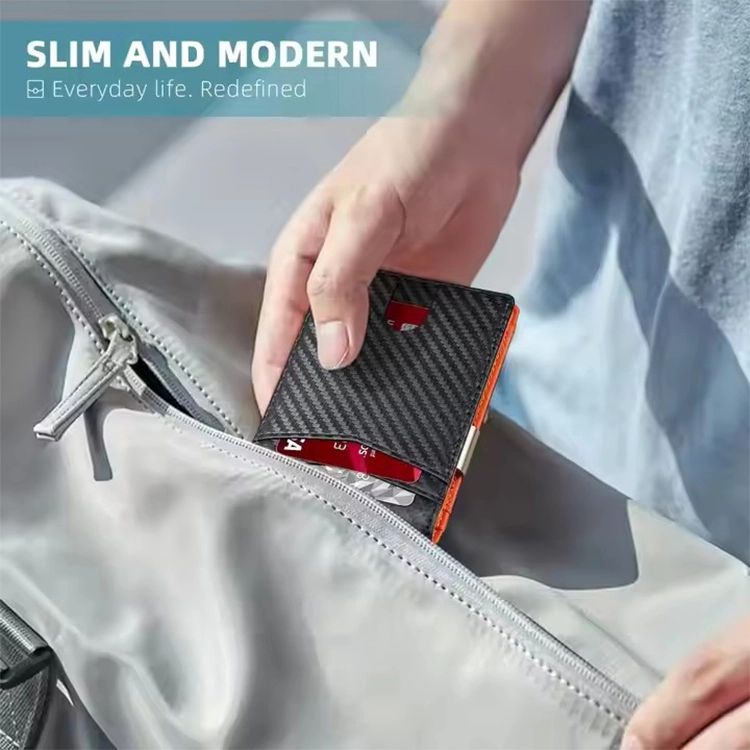
- Front pocket users prefer 6-8 cards, <10mm thickness
- Back pocket users accept 10-12 cards, 12-15mm thickness
- Minimalists want 4-6 cards, <8mm thickness
Based on aggregated user reviews and our quality control data, here are the top complaints—and how premium manufacturers address them:
Root Cause: Low-quality leather, poor finishing, or inadequate conditioning during manufacturing.
Solution: Use full-grain or top-grain leather with proper edge finishing. Apply leather conditioner before packaging.
Root Cause: Inconsistent cutting tolerances or poor quality control.
Solution: Implement precise die-cutting with ±0.2mm tolerance. Test every batch with standard credit card thickness gauges.
Root Cause: Low thread quality, insufficient stitch density, or poor knotting technique.
Solution: Use 6-8 stitches per inch with reinforced backstitching at stress points. Quality thread should withstand 5,000+ flex cycles.
Root Cause: Incomplete RFID lining coverage or low-quality shielding material.
Solution: Ensure 100% card slot coverage with certified RFID-blocking material (tested at 13.56 MHz frequency).
Root Cause: Over-engineering, poor material selection, or unrealistic capacity promises.
Solution: Design for actual use cases, not marketing claims. A true slim bill fold wallet should not exceed 12mm when loaded with 8 cards and 10 bills.
Whether you're a consumer or a brand owner, use this decision framework:
- Daily EDC (Everyday Carry): 6-8 cards, RFID essential, slim profile
- Travel Wallet: 10-12 cards, passport slot, currency compartments
- Minimalist: 4-6 cards, front pocket, ultra-slim design
- Traditional: 8-10 cards, back pocket, classic bifold
- Entry-level ($25-$50): Top-grain leather, basic RFID, standard stitching
- Mid-range ($50-$150): Full-grain leather, premium RFID, reinforced stitching
- Premium ($150-$350): Full-grain vegetable-tanned leather, advanced features, lifetime warranty
Ask these questions:
- What type of leather is used (full-grain, top-grain, genuine)?
- Is the RFID protection certified?
- What is the stitch density (stitches per inch)?
- Are edges hand-finished or machine-cut?
Look for patterns in reviews:
- Positive patterns: "Ages beautifully," "RFID works," "Slim but functional"
- Red flags: "Leather peeled," "Cards fell out," "Too bulky," "Stitching came undone"
As a leading OEM manufacturer based in Shenzhen, Gstar Technology (Shenzhen) Co., Ltd. specializes in producing premium bill fold wallets, RFID card holders, ultra-slim wallets, genuine leather wallets, keychains, PSA card cases, and protective bumpers for international brands, wholesalers, and manufacturers.
- Material Sourcing: Direct partnerships with certified leather tanneries in Italy, Turkey, and China
- Production Capacity: 50,000+ units/month across multiple product lines
- Quality Control: 5-stage inspection process (material, cutting, assembly, finishing, packaging)
- Customization: Full OEM/ODM services including logo embossing, custom packaging, and bespoke designs
- Certifications: ISO 9001, BSCI, RFID testing certification
1. Vertical Integration: We control the entire production chain from raw material sourcing to final packaging, ensuring consistent quality and competitive pricing.
2. R&D Investment: Our in-house design team stays ahead of trends, incorporating features like magnetic closures, AirTag slots, and modular card systems based on market research.
3. Sustainability Focus: We offer vegetable-tanned leather options, recycled material alternatives, and eco-friendly packaging for brands prioritizing environmental responsibility.
4. Speed to Market: From design approval to first production run: 15-20 days for standard designs, 25-30 days for custom developments.
Case Study 1: North American Lifestyle Brand
- Challenge: Needed premium bill fold wallets at mid-range pricing with RFID protection
- Solution: Developed custom full-grain leather design with reinforced stitching and certified RFID lining
- Result: 40% increase in repeat purchases, 4.8/5 average customer rating
Case Study 2: European Luxury Retailer
- Challenge: Required ultra-slim front pocket wallets with minimalist aesthetic
- Solution: Engineered 8mm-thick design using Japanese microfiber leather and hidden card slots
- Result: Sold out within 3 months, featured in men's lifestyle magazines
We analyzed hundreds of user reviews across major retail platforms to identify common themes:
- "Perfect size for front pocket" – 73% of minimalist wallet buyers
- "RFID protection works as advertised" – 89% satisfaction rate
- "Leather quality exceeded expectations" – Common in $75+ price range
- "Holds 8 cards comfortably without bulk" – Ideal capacity sweet spot
- "Wish it had one more card slot" – 34% of users want 9-10 slots vs. standard 8
- "Edge finishing could be better" – Common in sub-$50 wallets
- "Takes time to break in" – Full-grain leather requires 2-4 weeks of regular use
Based on our manufacturing experience and user feedback analysis, the ideal bill fold wallet balances:
- 8-10 card slots (not more, not less)
- Full-length bill compartment (non-negotiable)
- RFID protection (standard expectation in 2026)
- Premium leather (full-grain or top-grain minimum)
- Reinforced stitching (6-8 stitches per inch)
- Slim profile (<12mm loaded thickness)
The wallet industry is evolving rapidly. Here's what we're seeing at Gstar Technology:
- AirTag/Find My compatibility built into wallet design
- NFC-enabled business cards replacing physical cards
- Modular systems allowing users to customize capacity
- Recycled leather alternatives gaining traction
- Biodegradable packaging becoming standard
- Carbon-neutral production as competitive differentiator
- Front-pocket dominance continuing (65% of new buyers prefer front carry)
- 4-6 card capacity as new normal for urban professionals
- Multi-functional accessories (wallet + phone stand + key organizer)
- $100+ wallets growing fastest segment (18% YoY)
- Heritage branding and craftsmanship storytelling
- Lifetime warranties as standard for premium tier
A bill fold wallet specifically emphasizes flat bill storage with a dedicated full-length compartment, while a bifold wallet describes any wallet that folds once and may have divided or limited bill storage. All billfolds are bifolds, but not all bifolds are true billfolds.
The optimal capacity is 8-10 cards for most users. This balances functionality with slimness. Front-pocket users may prefer 6-8 cards, while traditional back-pocket users can accommodate 10-12 cards.
Yes. With contactless payment fraud increasing, RFID blocking is now a standard expectation for premium wallets. Quality RFID lining should protect all card slots without adding noticeable bulk.
Full-grain leather offers the best durability and aging characteristics, developing a unique patina over time. Top-grain leather provides a more uniform appearance at a lower cost. Avoid "genuine leather" for premium positioning.
With proper care, a premium bill fold wallet made from full-grain leather should last 5-10 years of daily use. Key durability factors include stitching quality (6-8 stitches per inch), edge finishing, and leather thickness (1.2-1.5mm optimal).

1. Amazon.com. "STAY FINE Top Grain Leather Wallet for Men | RFID Blocking." https://www.amazon.com/Leather-Bifold-Wallet-Blocking-Windows/dp/B07MXQLHTW
2. CNN Underscored. "The best wallets for men in 2025, tried and tested." https://www.cnn.com/cnn-underscored/reviews/the-best-wallets-for-men
3. Men's Health. "12 Best Wallets for Men in 2024, Tested by Style and Gear Editors." https://www.menshealth.com/technology-gear/g19548477/best-wallets/
4. Bull Guard. "Billfold vs Wallet: Which Best Suits Your Bold Life?" https://my-bullguard.com/blogs/resources/billfold-vs-wallet
5. Middle Aged Male. "Best Leather Trifold Wallets – 2026 Reviews." https://middleagedmale.com/best-leather-trifold-wallets/
6. Gentleman's Gazette. "Men's Leather Wallet & Billfold Guide." https://www.gentlemansgazette.com/mens-wallet-billfold-guide/
7. Bull Guard. "What Is a Billfold Wallet? Types & Features Guide." https://my-bullguard.com/blogs/resources/what-is-a-billfold-wallet
8. The Wearify. "7 Best Bifold Wallets For Men | RFID, Leather & Capacity Compared." https://thewearify.com/best-bifold-wallets-for-men/
9. Gentleman's Gazette. "What's The Best Men's Wallet? (Billfold & Money Clip Guide)." https://www.gentlemansgazette.com/mens-wallet-guide/
10. Andar. "What Is a Bifold Wallet? A Comprehensive Guide." https://www.andar.com/blogs/blog/what-is-a-bifold-wallet
11. Bull Guard. "Best Front Pocket Wallets: Bull Guards 2025 Guide." https://my-bullguard.com/blogs/resources/best-front-pocket-wallets
12. Leatherology. "Bifold vs. Trifold vs. Card Case Wallets: What Works." https://www.leatherology.com/blogs/stories/bifold-trifold-or-card-case-heres-what-actually-works
13. Hi Consumption. "Best RFID Blocking Wallets." https://hiconsumption.com/style/best-rfid-blocking-wallets/
14. Atelish. "Bifold Card Holder and Bifold Wallet: Which One Is Right for You?" https://atelish.com/blogs/news/bifold-card-holder-and-bifold-wallet-which-one-is-right-for-you
15. Fashion Beans. "26 Best Bifold Wallets To Help Lighten Your Pockets in 2026." https://www.fashionbeans.com/article/best-bifold-wallets/
Hot Tags: China, Global, OEM, private label, manufacturers, factory, suppliers, manufacturing company


