

Views: 241 Author: Princee Lee Publish Time: 02-08-2026 Origin: Princee Lee


Content Menu
● The Global Pricing Tiers – An Overview
>> 1. The Budget Tier ($15 – $40)
>> 2. The Mid-Range Tier ($50 – $150)
>> 3. The Premium Tier ($150 – $400)
>> 4. The Luxury/Designer Tier ($400 – $2,000+)
● What Drives the Price? The Pillars of Leather Economics
>> I. Material Grade: The Foundation of Cost
>> II. Craftsmanship and Labor
>> III. Technology Integration
● Cheap vs Expensive Leather Wallet – The Long-Term Math
● Why Choose Gstar Technology (Shenzhen) Co., Ltd.?
>> 2. High Production Capacity
>> 4. Advanced RFID & GPS Integration
● The "Shenzhen Advantage" in Pricing
● How to Buy – A Leather Wallet Price Guide for 2026
>> Step 1: Check the Leather Grade
● Conclusion: Value is More Than a Number
● Frequently Asked Questions (FAQ)
>> 1. Why is there such a large difference in designer leather wallet cost compared to others?
>> 2. Does RFID protection significantly increase the average cost leather wallet?
>> 3. How can I get a quote for a custom OEM/ODM project?
>> 4. Are your wallets ready in stock customizable?
>> 5. What is the most durable leather for a premium leather wallet price?
In 2026, the question of how much does a leather wallet cost is more nuanced than ever before. With the global leather goods market projected to reach over $476 billion this year, consumers and business owners alike are navigating a landscape filled with everything from $10 "bargains" to $10,000 artisan masterpieces. Whether you are a retail buyer looking to source wallets ready in stock or an individual looking to buy leather wallet price guide in hand, understanding the components of pricing is essential.
At Gstar Technology (Shenzhen) Co., Ltd., we have spent years at the epicenter of global manufacturing. We understand that a wallet is not just a container for cash; it is a piece of daily-use engineering. In this exhaustive guide, we will break down the leather wallet price range, explain the difference between cheap vs expensive leather wallet options, and reveal why sourcing from a specialized OEM/ODM partner is the smartest financial move for brands in 2026.
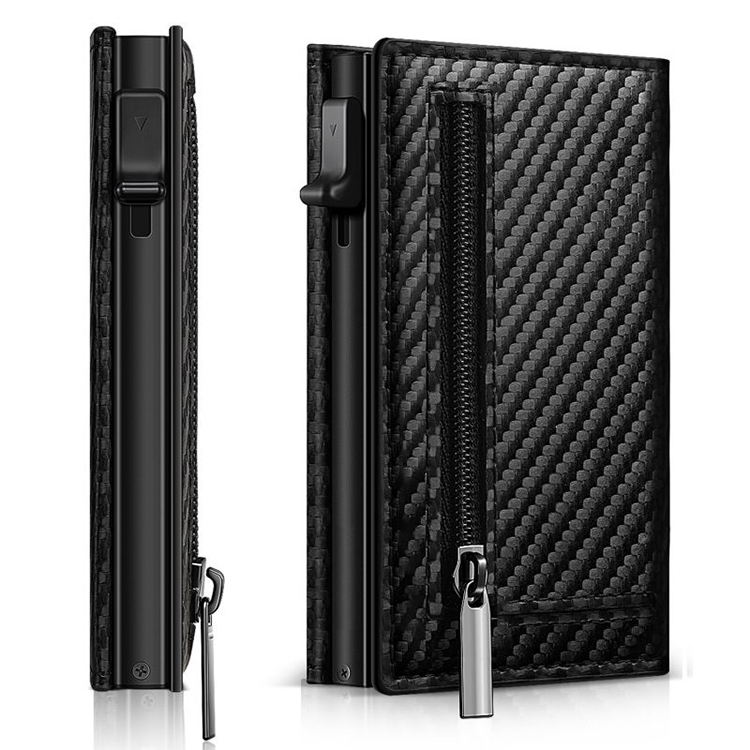
Before diving into the materials, let's establish the average cost leather wallet categories you will encounter in today's market.
In this bracket, you are typically looking at an affordable leather wallet cost. These products often use "genuine leather" (which is actually a lower-grade split leather) or high-quality PU synthetics. While they serve their purpose, they lack the longevity of premium materials.
This is where the best value leather wallet price usually sits. Wallets in this range often utilize top-grain leather and may include features like RFID blocking and precision stitching. Many well-known lifestyle brands operate in this space.
A premium leather wallet price reflects the use of full-grain leather, often sourced from prestigious tanneries in Italy or the USA. These wallets are built to last a lifetime and develop a rich patina over time.
The designer leather wallet cost is largely driven by brand equity, marketing, and exclusive retail locations. While the quality is high, a significant portion of the price pays for the logo on the front.
To perform an accurate leather wallet cost comparison, one must look beneath the surface. Three primary factors dictate the final retail price.
The most significant variable in a leather wallet price range is the hide itself.
* Full-Grain Leather: The highest quality, using the top layer of the hide. It is expensive because it requires pristine hides with no imperfections.
* Top-Grain Leather: More pliable and uniform, but slightly less durable than full-grain.
* Exotic Leathers: Alligator, ostrich, or shell cordovan can double or triple the average cost leather wallet.
Is the wallet machine-made in a high-volume factory, or is it hand-burnished and saddle-stitched? Labor costs in 2026 vary wildly by region, but the precision required for a premium leather wallet price remains a high-human-touch process.
Modern wallets aren't just leather; they are hardware. In 2026, a wallet frequently includes:
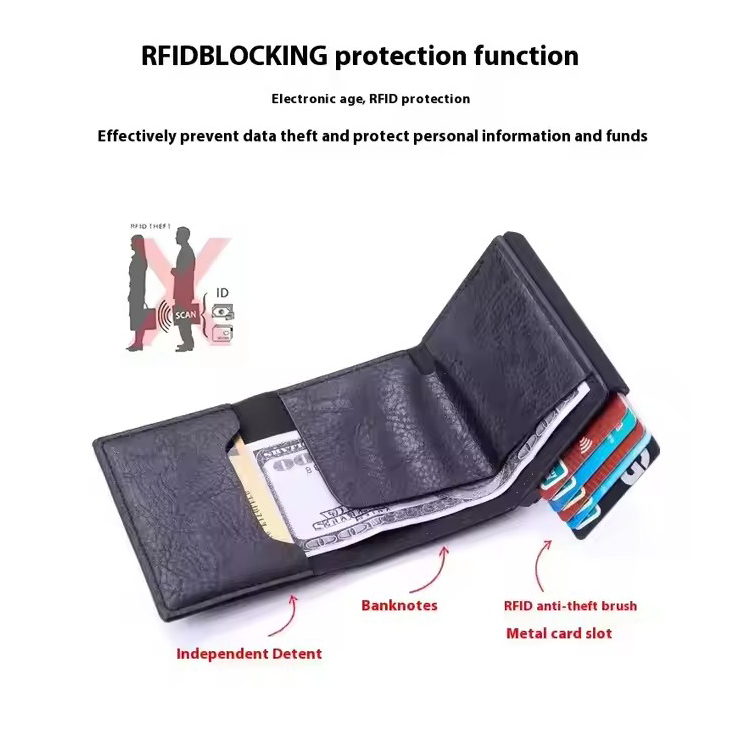
* RFID Protection: Shielding layers to prevent digital theft.
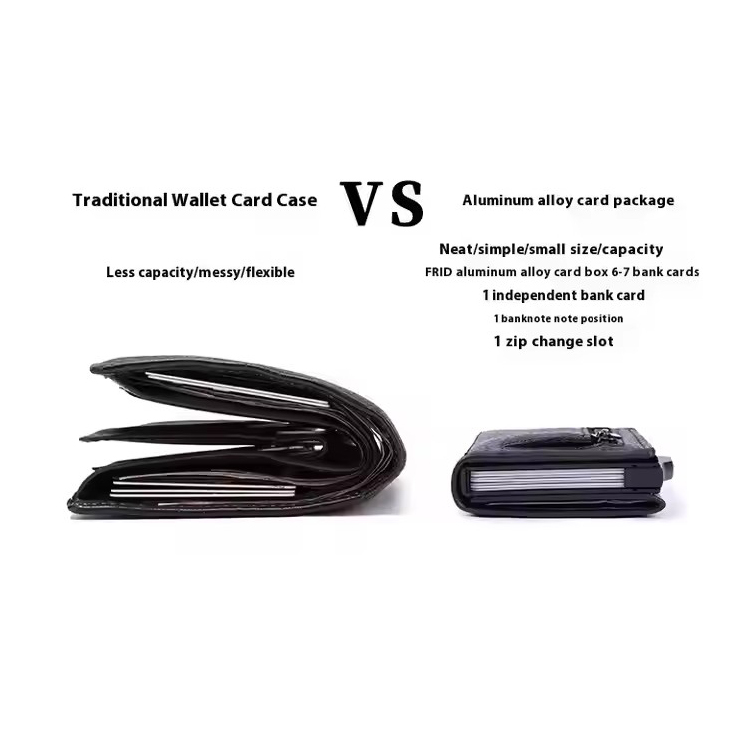
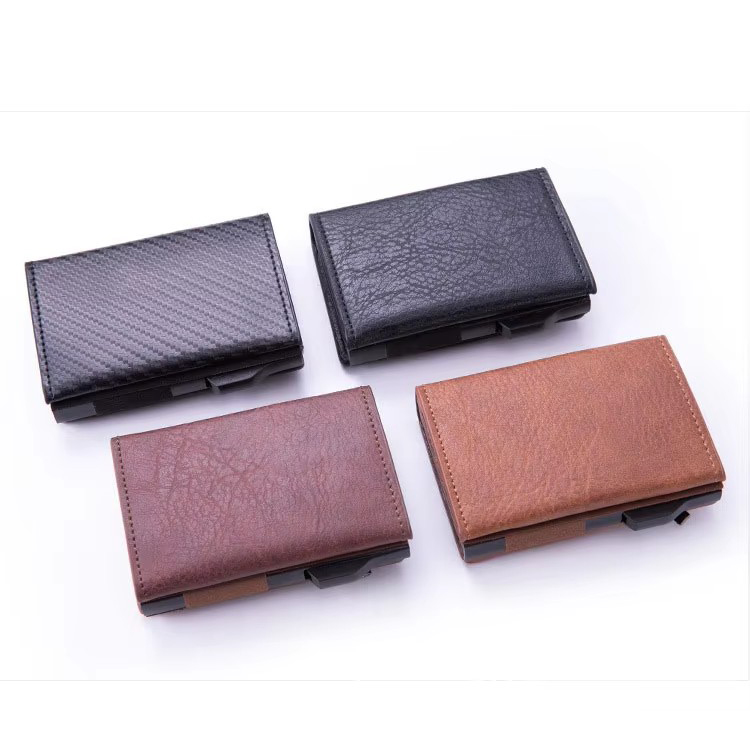
* Mechanical Pop-ups: Aluminum chambers that eject cards at the touch of a button.
* Tracking Compatibility: Dedicated slots for Apple AirTags or integrated GPS.
Integrating these features increases the best value leather wallet price but offers functionality that traditional bifolds cannot match.
One of the most common mistakes consumers make is looking only at the initial affordable leather wallet cost.
A cheap vs expensive leather wallet debate is best settled by "Cost Per Year." A $20 wallet made of bonded leather might last 12 months before the edges crack and the lining tears. A $100 full-grain wallet from a reliable manufacturer like Gstar Technology can easily last 10 years.
* Cheap Wallet: $20 / 1 year = $20.00/year
* Expensive Wallet: $100 / 10 years = $10.00/year
When you choose quality, you aren't just buying style; you are practicing smart economics.
As a leader in the Shenzhen manufacturing hub, Gstar Technology occupies a unique position. We bridge the gap between high-volume efficiency and artisan quality.
We don't just make wallets; we build brands. Our OEM/ODM services allow businesses to customize everything from the leather grade to the tension of the money clip. By working directly with us, brands can offer a premium leather wallet price to their customers while maintaining healthy margins by cutting out middlemen.
With a monthly production capacity exceeding 300,000 pieces, we are equipped to handle global launches. Our facility integrates the latest CNC leather-cutting technology with traditional hand-finishing techniques to ensure every unit meets the "Gstar Standard."
For e-commerce entrepreneurs and boutique retailers, we maintain a vast inventory of wallets ready in stock. This allows our partners to test new markets or replenish inventory in days rather than months, providing the ultimate flexibility in the fast-moving 2026 retail environment.
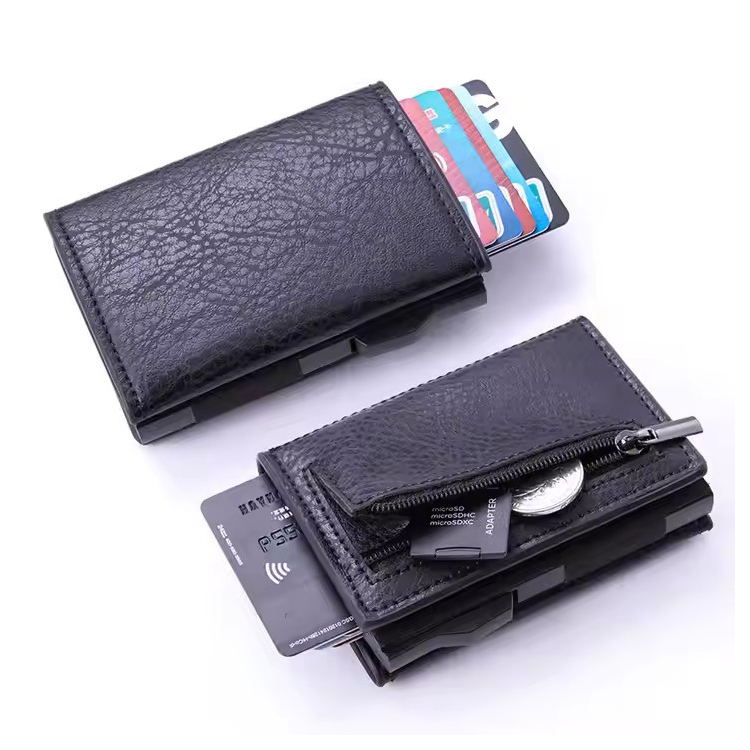
Unlike traditional leather shops, we are a "Technology" company. We specialize in the "Hardware-Leather Hybrid"—wallets that look classic but contain aerospace-grade aluminum and RFID-blocking layers. This is why we are considered the best value leather wallet price provider for the modern EDC (Everyday Carry) market.
Many wonder how we can offer such high quality at an affordable leather wallet cost for our B2B partners. The answer is our location. Shenzhen is the "Silicon Valley of Hardware."
By being located in the Baolong Street community, we have direct, immediate access to:
* The world's best tanneries and material suppliers.
* Cutting-edge hardware mold setting facilities.
* World-class logistics hubs that can ship to any continent within 48-72 hours.
This ecosystem allows us to reduce waste and optimize the supply chain, a saving we pass directly to you.
When you are ready to buy leather wallet price guide in hand, follow these three steps to ensure you are getting a fair deal.
If the description says "100% Leather" without specifying the grade, it is likely a lower-tier product. Look for "Full-Grain" or "Top-Grain" for durability.
High-quality wallets have edges that are burnished or painted multiple times to prevent fraying. If the edges look like they are simply folded over and glued, the average cost leather wallet should be significantly lower.
If the wallet has a "pop-up" mechanism or a zipper, it should move smoothly without catching. At Gstar Technology, we cycle-test our mechanisms 10,000 times to ensure they never fail in the field.
Understanding how much does a leather wallet cost requires looking at the intersection of material, labor, and technology. While you can find an affordable leather wallet cost at any corner store, a true investment piece—the kind that defines a brand or a personal style—comes from a place of engineering excellence.
At Gstar Technology (Shenzhen) Co., Ltd., we pride ourselves on being the engine behind the world's most successful wallet brands. Whether you are looking for wallets ready in stock to kickstart your business or a sophisticated OEM/ODM partner to develop the next generation of smart wallets, we are here to provide the best quality at the most competitive leather wallet price range.
Designer pricing is often 70-80% brand markup. While the leather is usually high-quality, you are primarily paying for the marketing, the luxury storefronts, and the brand prestige. A wallet from an OEM/ODM specialist like Gstar can offer the same material quality at a fraction of the price.
In 2026, RFID technology has become very efficient to produce. While it adds a small amount to the manufacturing cost, the value it provides in security far outweighs the slight increase in the best value leather wallet price.
You can contact Gstar Technology directly through our website or Alibaba portal. We typically provide a comprehensive leather wallet cost comparison and quotation within 24 hours of receiving your design specifications.
Yes! Even for our keychain ready in stock inventory, we offer rapid laser-marking services. This allows you to have your brand logo on a premium key organizer EDC tool without the wait times of a full production run.
Full-grain cowhide is widely considered the most durable. It is the thickest part of the hide and contains the strongest fibers, ensuring your wallet will not stretch or tear over years of heavy use.


