

Views: 285 Author: Princee Lee Publish Time: 03-02-2026 Origin: Princee Lee


Content Menu
>> Introduction
● What Is a Leather Metal Wallet?
>> Definition and basic structure
● Why Choose a Leather Metal Wallet?
● Types of Leather Metal Wallets
>> Metal choices and pros/cons
>> Accessibility and mechanism
>> Advantages
>> Drawbacks
● How to Choose the Right Leather Metal Wallet
>> Consider materials and weight
>> Ergonomics and pocket comfort
>> Brand reputation and warranty
● Care, Maintenance, and Repair
>> Leather care
>> Metal care
>> Everyday carry and commuting
>> Formal and professional settings
● Popular Brands and Market Trends
● Buying Guide — How to Evaluate Before You Buy
● Practical Tips for Switching to a Leather Metal Wallet
>> Test for receiver compatibility
● Sustainability and Ethical Considerations
>> Repairability and longevity
● Frequently Asked Questions (at least 5)
- Core idea: The leather metal wallet blends classic craftsmanship with modern engineering to deliver a wallet that looks refined while offering the protection and slim profile of metal components.
- Why it matters: As people carry fewer items and demand more security and longevity from everyday accessories, hybrid wallets that pair leather with metal have risen in popularity.
- Scope: This guide covers construction, materials, types, pros and cons, buying tips, care and maintenance, and answers common questions about leather metal wallets.
A leather metal wallet combines a leather exterior, interior lining, or accents with metal parts such as an aluminum card chassis, stainless steel money clip, or metal RFID-blocking shell. These hybrid wallets aim to balance the warmth and style of leather with the rigidity and protection offered by metal.
- Leather panels: Often full-grain, top-grain, or vegetable-tanned leather used for outer faces, card sleeves, or trim.
- Metal core or frame: Materials like aluminum, stainless steel, or zinc alloy form a rigid spine, card holder, or external shell.
- Money clip or cash strap: Metal clips or magnets that secure folded bills.
- RFID shield: A metal layer or construction technique intended to block electromagnetic skimming.
- Aesthetic: Leather adds a timeless, refined appearance that metal-only wallets sometimes lack.
- Durability: Metal elements improve structural integrity and can protect cards from bending.
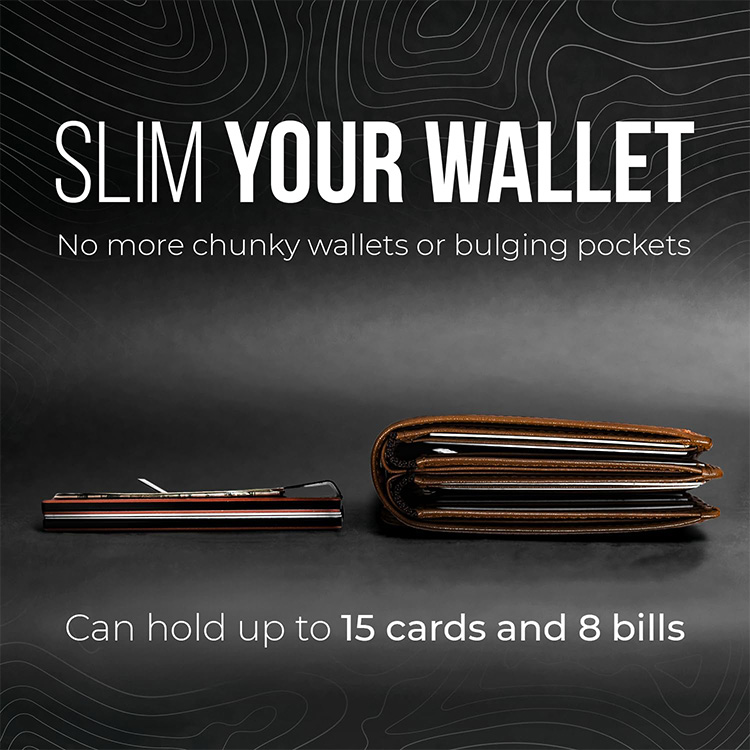
- Slimness: Many designs reduce bulk by replacing bulky leather billfolds with slim metal card carriers.
Metal components can include RFID-blocking properties and offer physical protection against crushing and bending of cards. Many users who travel or commute appreciate the extra safeguard.
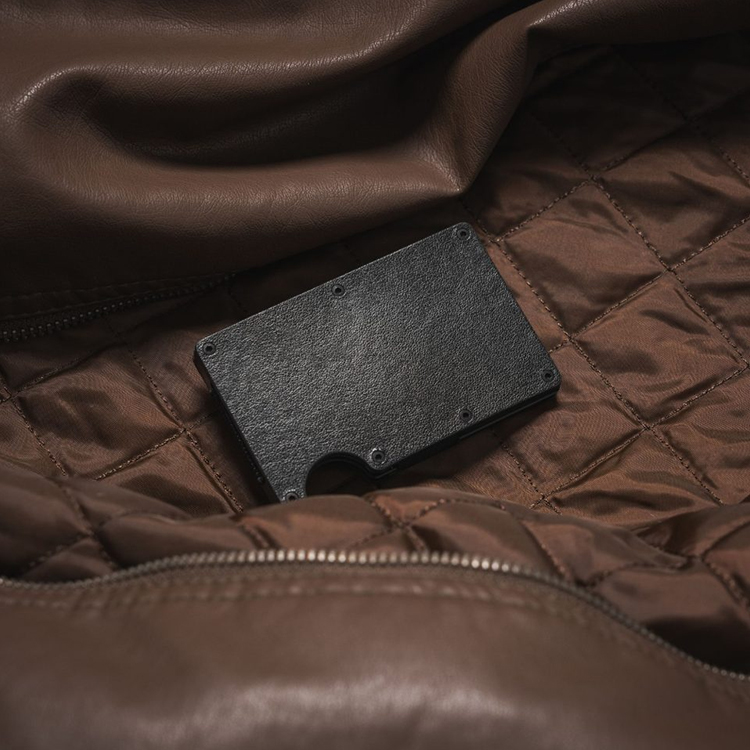
Minimalist hybrids are built around a metal card chassis with leather sleeves or a leather outer shell. These are designed to carry a few cards and sometimes a folded bill. They are ideal for people who prioritize a slim pocket profile.
These combine a leather body with an attached metal money clip. The clip secures cash externally or internally and is usually made of stainless steel or spring steel for longevity.
Bifold leather metal wallets retain a more traditional wallet shape but incorporate metal reinforcements or card caddies to keep profile slim while offering more carrying capacity.
Some brands offer modular wallets where a leather sleeve houses a removable metal card module. These systems let users swap modules or upgrade metal parts over time.
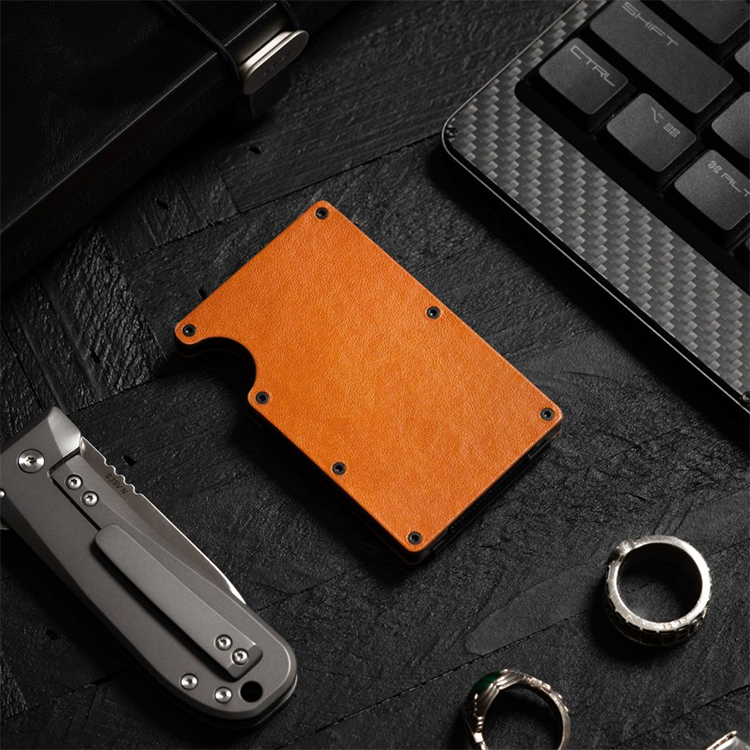
- Full-grain leather: The strongest and most attractive type, develops patina with age.
- Top-grain leather: Slightly thinner and more processed, still durable and stylish.
- Genuine leather and bonded leather: Lower-cost options that show wear sooner.
- Aluminum: Lightweight and resistant to corrosion; commonly anodized for color and texture.
- Stainless steel: Very durable and heavier; excellent for money clips and frames.
- Zinc alloys: Cost-effective with decent strength but can be heavier and less premium-feeling.
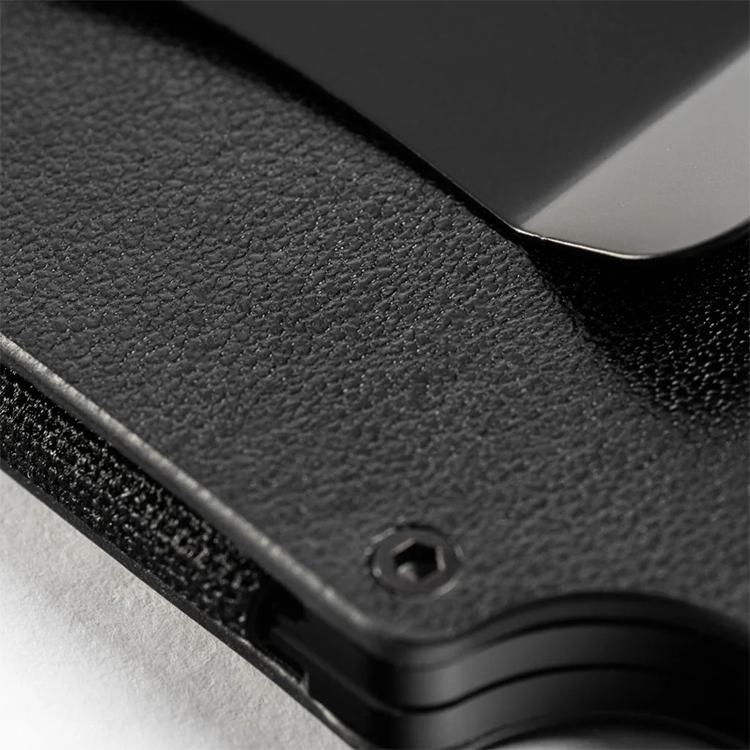
Well-made leather metal wallets use precise tolerances where metal frames meet leather, reinforced stitching or adhesive bonding where needed, and smooth edges on metal parts to avoid damaging cards or clothing.
Some metal cores are designed to block RFID signals to prevent electronic skimming of contactless cards. Not all hybrid wallets include RFID blocking, and the degree of protection depends on material thickness and closure design.
Consider how many card slots, whether there is a dedicated ID window, and how cash is stored—externally with a clip, inside a folded compartment, or not at all.
Look for smooth card ejection systems (spring-loaded trays or easy thumb access) and secure money clips or magnetic closures that balance accessibility with security. Reviews of popular minimalist wallets highlight the importance of smooth mechanisms for daily use.
Leather ages differently depending on finish; some finishes develop a rich patina while others resist change. If you like a worn, personalized look, choose full-grain or vegetable-tanned leather.
- Slim profile and modern look: Excellent for front-pocket carry and minimalism.
- Durability: Metal frames resist deformation and protect cards from bending.
- Style: Leather adds a premium, classic aesthetic that blends with formal and casual outfits.
- Security features available: Metal constructions can include RFID blocking and robust closures.
- Weight: Metal components can add heft compared with fully leather or fabric wallets.
- Comfort: Hard edges or rigid cores can be less comfortable in a tight pocket.
- Limited cash capacity: Many minimalist hybrids trade cash capacity for slimness.
- Potential for wear mismatch: Leather and metal age differently, which might affect appearance over time.
Determine how many cards you use daily, whether you carry cash, and if you need a dedicated ID window. If you carry many cards and receipts, a modular or bifold hybrid might suit you better than a minimal card chassis.
If you prioritize lightness, look for aluminum cores and thinner leather. If you want durability above all, stainless steel frames and full-grain leather could be a better fit.
Test how the wallet sits in your pocket if possible, and check for rounded edges on metal parts and soft leather backing to improve comfort.
Brands that publish detailed specs, use high-quality materials, and offer warranties typically produce more reliable products. Independent reviews and brand testing can highlight common issues or strengths. Several review outlets that test minimalist wallets emphasize build quality and mechanism reliability when selecting top picks.

- Cleaning: Wipe with a dry or slightly damp cloth and allow to air dry.
- Conditioning: Use a leather conditioner or cream periodically to prevent drying and cracking.
- Avoiding water: While some leathers are treated, prolonged moisture exposure can damage leather and affect stitching.
- Cleaning: Wipe metal parts with a soft cloth; for stainless steel, use a non-abrasive cleaner if necessary.
- Preventing corrosion: Keep the wallet dry and avoid prolonged exposure to salty environments.
- Scratch management: Minor scratches on anodized aluminum may be visible; stainless steel can often be polished.
Good brands or skilled leatherworkers can replace worn leather sleeves, reattach or replace snapped clips, and refurbish stitching. Consider the repairability of a wallet when choosing a construction style.
Leather metal wallets are ideal for commuters who carry a few cards, a transit pass, and some cash. The slim profile reduces pocket bulge and improves comfort during long commutes.
For travel, RFID-blocking metal layers add a layer of protection against electronic theft, and rigid frames can keep documents and cards safe in crowded situations. Travel-focused modular wallets often allow you to remove and carry only what you need.
A leather finish provides a classic look that pairs well with business attire while the metal core keeps the wallet slim in jacket pockets.
Brands known for hybrid or metal-centric wallets have popularized the minimalist movement by combining metal card trays with leather sleeves or covers. Review platforms and product roundups frequently highlight a small group of well-regarded brands for their consistent quality and design innovations.
Recent years have seen more magnetic closures, integrated tracking compatibility, and enhanced modularity between leather covers and metal cores, reflecting users' desire for adaptable everyday carry solutions.
Look for clear specifications on card capacity, materials (type of leather and metal), dimensions, and weight. A product that lists the exact card capacity and materials is more transparent and usually more reliable.
Independent reviews and product tests provide hands-on insights into comfort, durability, and long-term wear. Expert reviews that test wallets over weeks or months can reveal issues not apparent from photos or specs alone.
A warranty or generous return policy indicates brand confidence and reduces risk if the wallet fails to meet expectations.


Minimize what you carry to take advantage of the slimmer profile; keep frequently used cards in the wallet and store others securely at home.
If the wallet uses a money clip, fold bills neatly and avoid overfilling to prevent the clip from losing tension.
If you use contactless transit or access cards, ensure the wallet's metal does not block legitimate use or consider carrying a single card outside the metal frame when needed.
Ask about the leather's origin and tanning process; vegetable-tanned or responsibly sourced full-grain leather often has a lower environmental footprint than some chemically treated alternatives.
Choosing a high-quality hybrid wallet that can be repaired extends its usable life and reduces waste compared to disposable, low-cost options.
The leather metal wallet is a versatile compromise for modern carry: it brings the timeless appearance of leather together with metal's protective, slim, and often secure advantages. When choosing one, prioritize materials, mechanism reliability, and the degree to which the design matches your daily needs. Test ergonomics if possible, and favor brands that provide clear specifications and solid warranties.
Q1: Are leather metal wallets RFID-safe by default?
A1: Not always; some hybrid wallets include metal layers or designed shielding that block RFID signals, but many do not specify this, so check product details for RFID-blocking features.
Q2: Will metal components damage my cards?
A2: Properly designed metal wallets have smooth edges and slots that prevent abrasion; high-quality designs avoid direct metal-to-card friction and use spacing to prevent bending.
Q3: Can I carry a lot of cash in a leather metal wallet?
A3: Most minimalist hybrids have limited cash capacity; money clip versions can hold folded bills but are not ideal for carrying large amounts of cash.
Q4: How do I care for the leather on a hybrid wallet?
A4: Wipe clean with a soft cloth, apply leather conditioner periodically, and avoid prolonged moisture exposure to keep leather supple and prevent cracking.
Q5: Are metal cores heavier than all-leather wallets?
A5: Metal cores can add weight compared to thin leather or fabric wallets; materials like aluminum minimize heft while stainless steel increases durability and weight.
Q6: Is a modular leather metal wallet worth it?
A6: For people who want flexibility—such as swapping a metal card module between different leather covers—a modular system can be very convenient and extend the wallet's lifespan.


