

Views: 265 Author: Princee Lee Publish Time: 03-02-2026 Origin: Princee Lee


Content Menu
● Why Choose a Card Holder with a Back Zipper Pocket
>> Compact convenience and security
>> Ideal for multiple lifestyles
>> Typical layout and functional anatomy
● Materials and Their Pros & Cons
>> Fabric and synthetic options
● How to Choose the Right Card Holder
>> For men
>> For women
>> Daily care
● Sustainability and Ethical Considerations
● Customization and Personalization
>> Mid-range
>> Premium
● Comparison with Other Wallet Types
>> Versus traditional bifold wallets
● Frequently Asked Questions (at least five)
>> Q1: How many cards can a typical card holder with a back zipper pocket hold?
>> Q2: Is the zip pocket large enough for coins and folded bills?
>> Q3: Are these card holders secure against electronic skimming?
>> Q4: How durable are synthetic materials compared to leather?
>> Q5: Can I personalize a card holder with embossing or color choices?
>> Q6: How should I care for a leather card holder to extend its life?
>> Q7: Are there any travel-specific features to look for?
A card holder with a back zipper pocket is a compact, versatile accessory that blends the slim convenience of a card case with the secure storage of a small zip compartment. Designed for minimalist carry and quick access, this type of card holder appeals to commuters, travelers, and anyone who prefers a streamlined wallet solution. In this guide we explore the design features, materials, use cases, fashion pairings, buying tips, care instructions, environmental considerations, and customization possibilities for card holders that include a back zipper pocket.
- Slim profile: These card holders maintain a low profile for front-pocket carry without the bulk of a traditional wallet.
- Zippered safety: The back zipper pocket secures loose items like coins, folded bills, or small keys that might otherwise fall out of a slot-style card holder.
- Quick access: Card slots provide immediate access to frequently used cards while the zipped pocket stores less-used or loose valuables.
- Commute-friendly: For daily commuters who need only a few cards and occasional cash, this design is perfect.
- Travel-ready: The zip pocket is handy for coins, transit tokens, or a spare key when traveling light.
- Everyday carry minimalists: It supports the minimalist ethos—only essentials, organized and secure.
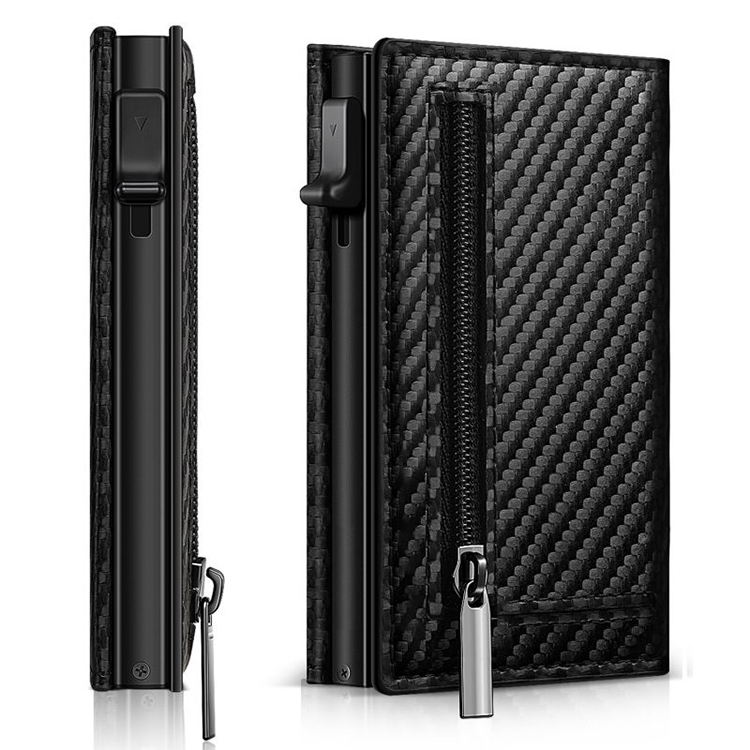
- Front-facing card slots: Usually two to six slots for credit cards, ID, or transit passes.
- Center or back zip pocket: A narrow zipped compartment on the back or center that accommodates coins, folded bills, or micro items.
- ID window options: Some designs include a transparent ID window for quick identification or access.
- Edge finishing: Clean stitch lines and sealed edges improve durability and visual appeal.
- Metal vs. plastic zippers: Metal zippers offer a premium look and more longevity; plastic zippers are lighter and can be more water-resistant.
- Hidden vs. exposed zippers: A hidden zipper creates a sleeker silhouette while an exposed zipper can add a design accent through color or hardware choice.
- Orientation: Back-facing zippers allow the holder to remain slim when stored in a pocket, and make retrieval intuitive.
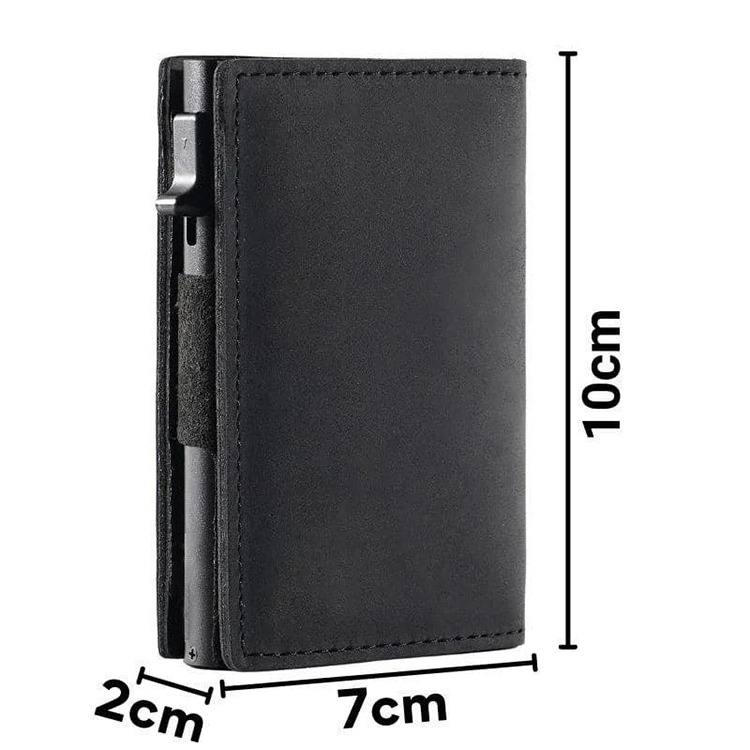
- Full-grain leather: Most durable and develops a rich patina; higher price point but excellent longevity.
- Top-grain leather: Slightly more processed than full-grain, still high quality and more uniform in appearance.
- Pebbled/grain leather: Offers scratch resistance and a tactile grip, hiding wear and scuffs well.
- Vegan leather / PU leather: Animal-free choice, available in many finishes, generally lower cost but variable longevity.
- Nylon and canvas: Lightweight, often water-resistant, and ideal for casual or sporty styles.
- Cordura and technical fabrics: Extremely durable and abrasion-resistant; good for outdoor or travel-oriented designs.
- Recycled materials: Increasingly used by brands focused on sustainability; can range widely in feel and durability.
- Zipper pull quality: Branded or reinforced pulls make daily use smoother and reduce failure risk.
- Lining materials: Microfiber or nylon linings protect cards and reduce friction within slots.

- Number of cards: Count your essential cards—if you carry more than eight, a slim bifold might be better.
- Cash and coin habits: If you use coins frequently, ensure the zip pocket has enough depth.
- Pocket placement: For front-pocket carry, prioritize thinness and rounded corners for comfort.
- Formal vs. casual: Leather in classic tones (black, brown) suits dressier contexts; bright colors and fabric choices fit casual wardrobes.
- Hardware accents: Gold or silver hardware can complement other accessories like belt buckles or watch hardware.
- Branding and minimalism: Decide whether you prefer visible logos or a more understated look.
- Stitching and edge finishing: Reinforced stitching and sealed edges predict longer life.
- Brand warranty: Check for repair or replacement services, especially for high-end purchases.

- Transit card and building access: Keep a daily transit card in an outer slot for tap-and-go convenience, with spare change in the zip pocket.
- Coffee runs and receipts: The zip pocket holds small tokens or folded receipts, keeping the slots uncluttered.
- Light travel carry: Use the card slots for a primary credit card and ID, with local currency and coins in the back zip.
- Security-forward packing: Tuck the card holder into a neck wallet or inner jacket pocket to protect against pickpocketing.
- Minimal setup: Leave bulky wallets at home; bring just the card holder to bars or restaurants where space is limited.
- Receipts and vouchers: Zipped pocket stores small receipts or loyalty vouchers without adding bulk.
- Front-pocket pairing: Slim jeans or tailored trousers allow comfortable front-pocket carry.
- Color coordination: Match leather tones to belts and shoes for a cohesive look.
- Casual iterations: Fabric card holders pair well with sneakers and sporty jackets.
- Clutch or crossbody complement: A compact card holder works inside a small bag for evening wear.
- Bagless outfits: For outfits without pockets, a chain or loop attachment makes the holder wearable around the wrist or clipped inside a belt loop.
- Accessory matching: Coordinate stitching color or zipper hardware with jewelry.
- Minimal monochrome: Single-color designs read as modern and universal.
- Accent details: Contrast stitching or colored zipper tapes add personality without overpowering utility.

- Avoid overstuffing: Keep within intended card capacity to prevent stretching and zipper strain.
- Regular cleaning: Wipe leather with a slightly damp cloth and dry immediately; use fabric cleaners for synthetic materials.
- Conditioning leather: Apply a small amount of leather conditioner periodically to prevent drying and cracking.
- Neutral humidity: Store in a breathable pouch away from direct sunlight to avoid fading or drying.
- Avoid prolonged moisture: If wet, dry naturally at room temperature and condition leather as needed.
- Stitching repair: Small loose threads can often be reinforced by leather shops.
- Zipper service: Replace or re-sew zipper assemblies at a cobbler if they fail—this extends the lifespan considerably.
- Tanned leather vs. vegetable tanning: Vegetable tanning uses fewer toxic chemicals, though it can be costlier.
- Recycled fabrics: Many brands offer holders made from recycled ocean plastics or post-consumer fabrics.
- Vegan alternatives: Good-quality vegan leathers are improving in durability and environmental footprint, especially plant-based options.
- Transparent supply chains: Look for brands that publish sourcing and labor policies.
- Repair programs: Brands that offer repair or buyback programs reduce waste and support circularity.

- Initials and names: Common options that add a personal touch and make gifts special.
- Color contrasts: Select stitching colors or zipper tapes to personalize aesthetic.
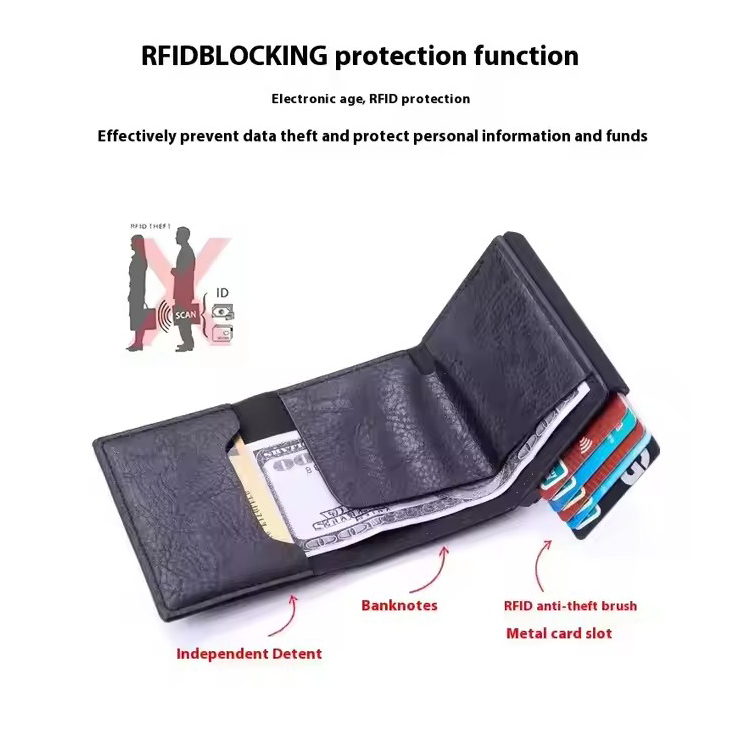
- RFID blocking layers: Add security against digital skimming while preserving slimness.
- Extra attachments: Loop rings, key chains, or detachable straps increase versatility.
- Synthetic materials: Affordable, colorful options under mainstream retail pricing.
- Mass-market brands: Offer decent build quality for casual use.
- Higher-quality synthetics and genuine leather: Balance durability and style; often include better hardware and finishing.
- Full-grain leather and designer labels: Highest longevity and craftsmanship; often include warranties and repair services.
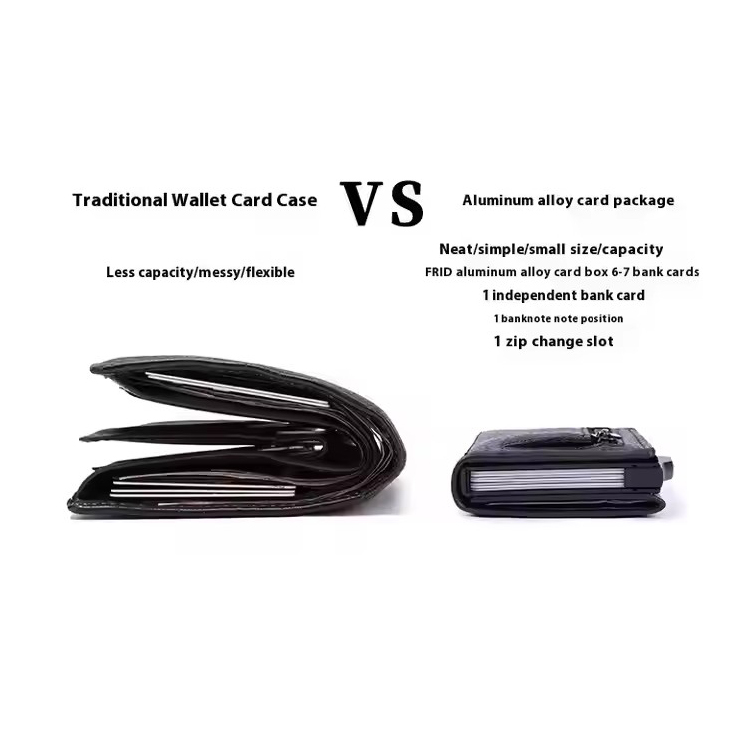
- Space: Bifolds hold more cash and cards but are bulkier.
- Use case: Choose bifolds for heavy-carry needs, card holder with zip for minimalists.
- Accessibility: Zip-around wallets secure everything but require more time to open; card holders provide faster access to primary cards.
- Size: Zip-around styles are larger; card holders prioritize portability.
- Integration: Phone wallets combine devices and cards but rely on the phone; card holders remain independent and simpler.
- Slot capacity: How many cards do you need to carry?
- Zipper quality: Test smoothness and pull strength.
- Material preference: Leather, vegan leather, or technical fabric?
- Dimensions: Consider pocket size and carry location.
- Brand policies: Warranty, repair, return options, and sustainability statements.
- Overfilling: Leads to stretched card slots and zipper damage.
- Ignoring hardware quality: Cheap zippers or pulls fail early.
- Skipping return/warranty review: Difficult returns can trap you with a low-quality product.

- Embedded trackers: Some card holders now integrate discreet tracker pockets for devices like Bluetooth tags.
- Contactless security: RFID-blocking linings are increasingly common.
- Bio-based leathers: Lab-grown or plant-derived leathers may gain traction.
- Circular models: Resale and refurbishment programs from brands to extend product lifespans.
A card holder with a back zipper pocket is a thoughtful hybrid that meets the needs of modern minimalists who still require occasional secure storage for coins, folded bills, or small essentials. When chosen with attention to materials, zipper quality, and capacity, it becomes a durable, stylish, and practical everyday companion. Prioritize craftsmanship and fit to your lifestyle, and a well-made card holder will offer years of reliable service while keeping your carry neat and efficient.
A1: Most card holders of this type offer between two and six card slots, with some having additional central pockets for folded cards; the zip pocket is intended for coins and small items rather than multiple cards.
A2: Yes, the back zipper pocket is typically sized to hold a small handful of coins and a few folded bills, but capacity varies by model—larger designer versions may hold more.
A3: Some models include RFID-blocking liners to protect contactless card data, so check product specifications if electronic security is a concern.
A4: High-quality synthetics like Cordura and technical nylon can be very durable and more water-resistant than untreated leather, though premium full-grain leather often offers the best long-term patina and repairability.
A5: Many brands offer personalization options such as initials embossing, color choices for leather or stitching, and custom zipper pulls; inquire with the maker or retailer for customization services.
A6: Wipe away surface dirt, condition periodically with a leather-specific conditioner, avoid prolonged exposure to moisture and direct sunlight, and store in a breathable pouch when not in use.
A7: For travel, prioritize RFID protection, a secure zipper pocket, and durable, water-resistant materials; consider models with a loop for a tracker tag or quick-attach points for straps.


