

Views: 236 Author: Princee Lee Publish Time: 03-02-2026 Origin: Princee Lee


Content Menu
>> Introduction
● What Is an Aluminum Minimalist Pocket Smart Key Case?
>> Why Aluminum Is a Strong Choice
>> Construction Styles and Hardware
>> Pocket Comfort and Noise Reduction
>> Protection and Organization
>> Durability and Serviceability
>> Aesthetic and Personalization
● Smart Features and Functionality
>> Tracking and Anti-Loss Capabilities
>> Remote Integration and Quick Access
>> Multi-tool Add-ons and Modularity
● Comparing Aluminum to Other Materials
>> Aluminum vs. Stainless Steel and Titanium
>> Aluminum vs. Plastics and Composites
● How to Choose the Right Case
>> Carry Style and Attachment Options
>> Finish, Color, and Aesthetics
● Installation, Setup, and Customization
● Care, Maintenance, and Troubleshooting
>> Handling Scratches and Dents
>> Tracker and Connectivity Troubles
● Practical Use Cases and Scenarios
>> Outdoor and Light Trade Use
● Environmental and Ethical Considerations
● Warranty, Price, and Value Considerations
>> Price Ranges
● Frequently Asked Questions (FAQ)
>> Q&A Section
- Core idea: The Aluminum Minimalist Pocket Smart Key Case refines the way you carry keys by combining precision-machined metal construction with compact organization and optional smart features.
- Why it matters: Small daily conveniences like a quieter pocket, protected phone screen, and fewer lost minutes spent searching for keys compound into meaningful gains in comfort, efficiency, and stress reduction.
- Scope: This article is a complete, integrated guide covering design, materials, smart features, how to choose and use a case, care and maintenance, environmental considerations, practical use cases, and common questions and answers.
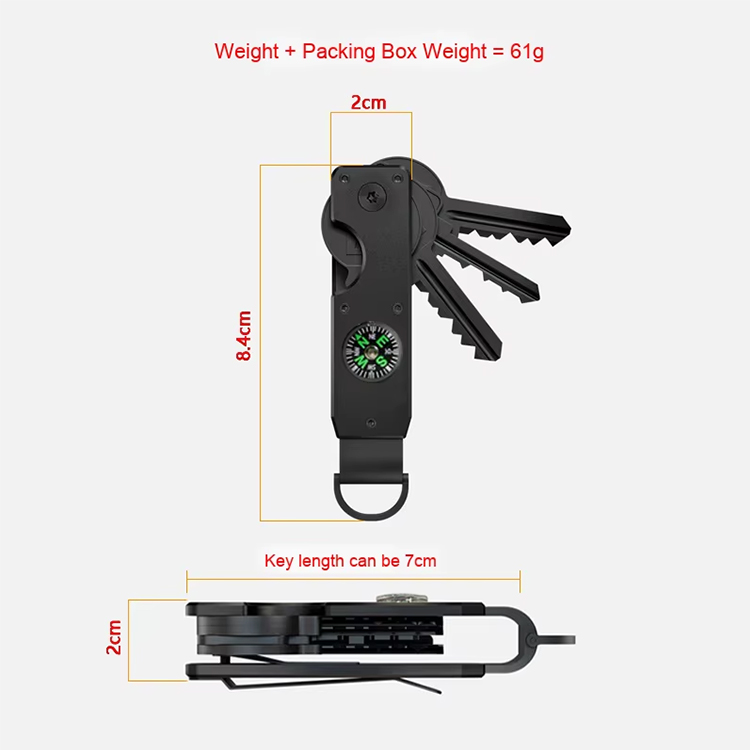
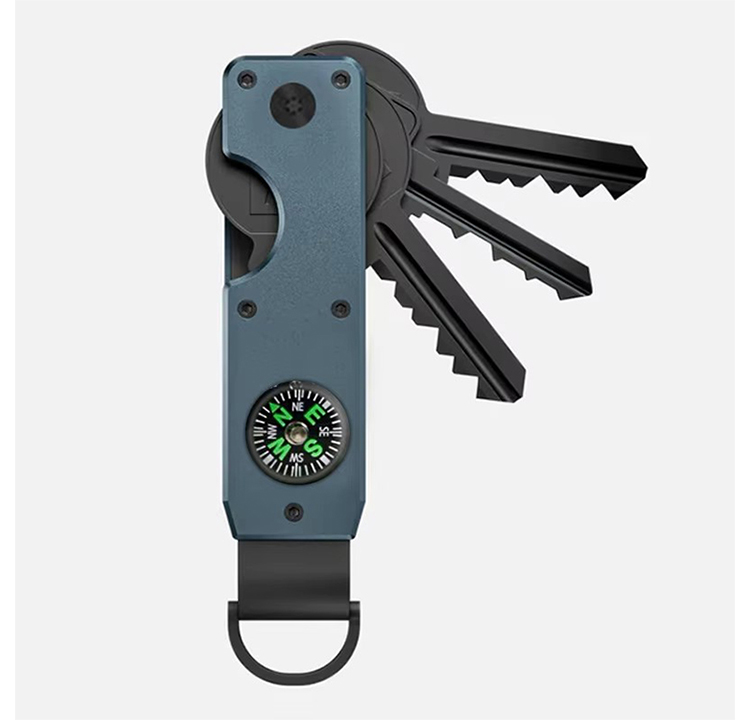
An aluminum minimalist pocket smart key case is a compact key organizer built primarily from aluminum that stacks keys between two or more plates so they fold out like a Swiss Army knife. These organizers emphasize a slim profile, secure retention, reduced noise, and protection for other pocket contents. Many modern variants add smart features such as built-in Bluetooth trackers or simple compatibility with third-party tags, quick-release points for individual keys, or small integrated tools.
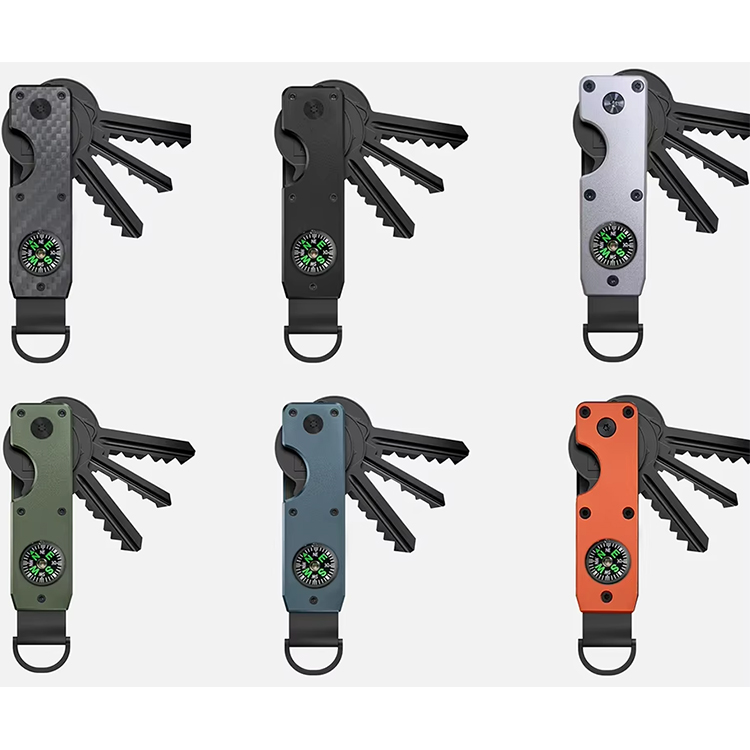
- Lightweight and strong: Aluminum offers a favorable strength-to-weight ratio, which keeps the organizer protective without feeling heavy in the pocket.
- Surface durability: When anodized or bead-blasted, aluminum resists scratches and corrosion while taking color treatments cleanly.
- Manufacturing versatility: Aluminum can be CNC-milled for precise tolerances or stamped and formed for cost-effective production, enabling a range of price points and feature sets.
- A tactile premium: Aluminum feels solid and cool to the touch, which enhances the perceived quality of the everyday object.
- Two-plate sandwich: Keys are stacked between two plates secured by a pivot screw; this is the classic and robust approach.
- Modular systems: Some designs allow adding spacers, multi-tools, and inserts or switching plates for customization.
- Hybrid materials: To reduce noise or add color, manufacturers sometimes combine aluminum plates with polymer or leather spacers and straps.
- Screws and fasteners: Quality models use standard screws that are user-serviceable, while premium versions may use captive fasteners or tamper-resistant hardware.
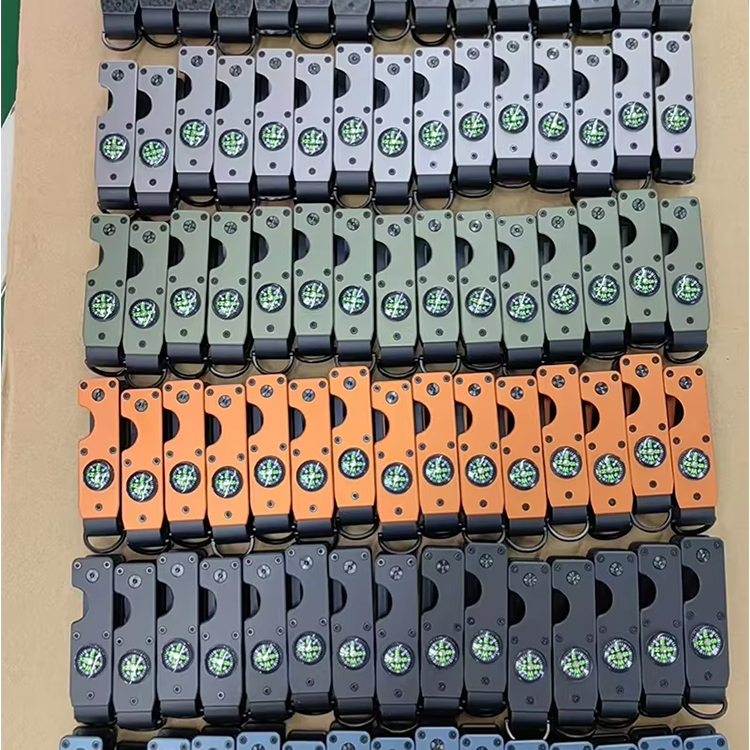
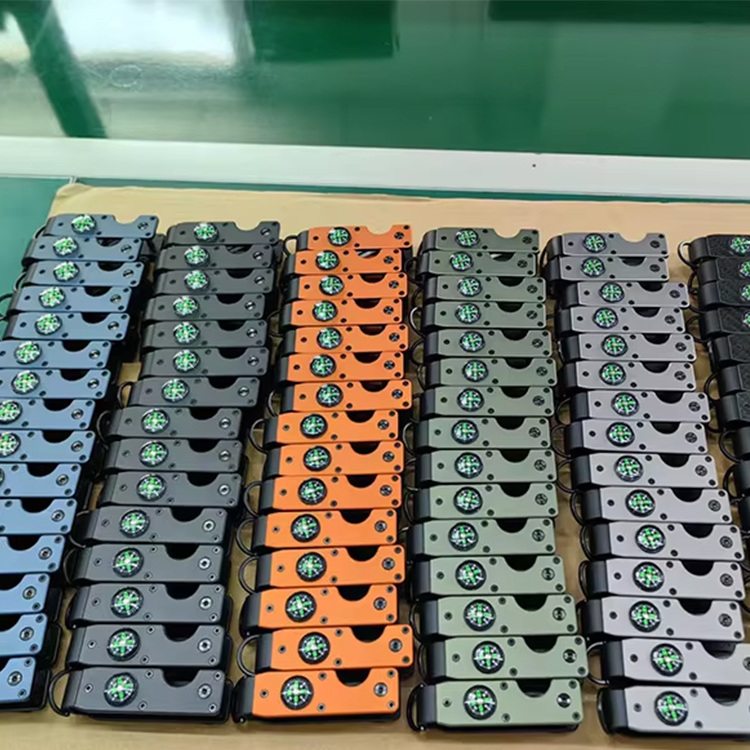
- Anodized finishes: Matte, satin, and colored anodizing provide protection and customization.
- Texturing and knurling: Improves grip and hides micro-scratches.
- Edges and profile: Rounded edges increase pocket comfort; slim profiles ensure the case sits flat against the body without printing through fabric.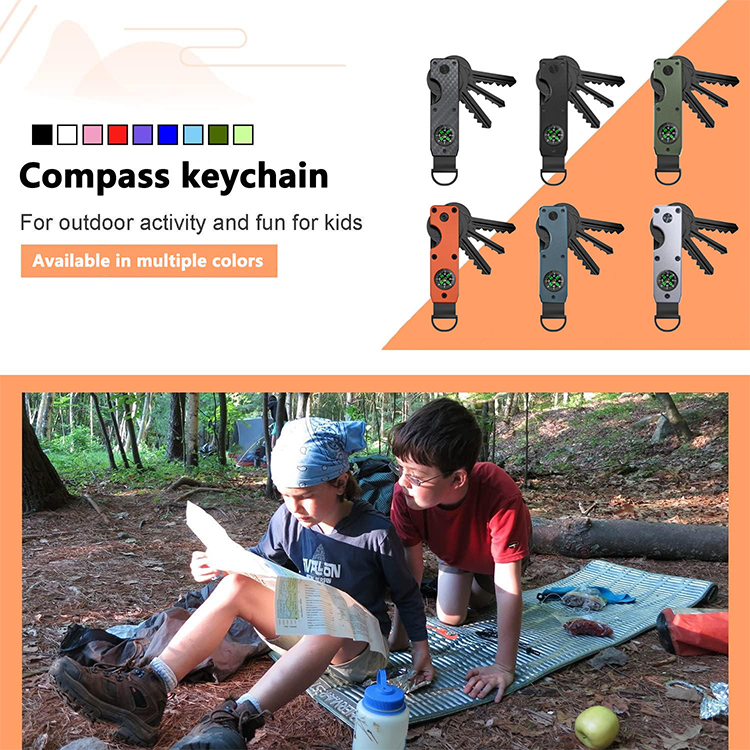
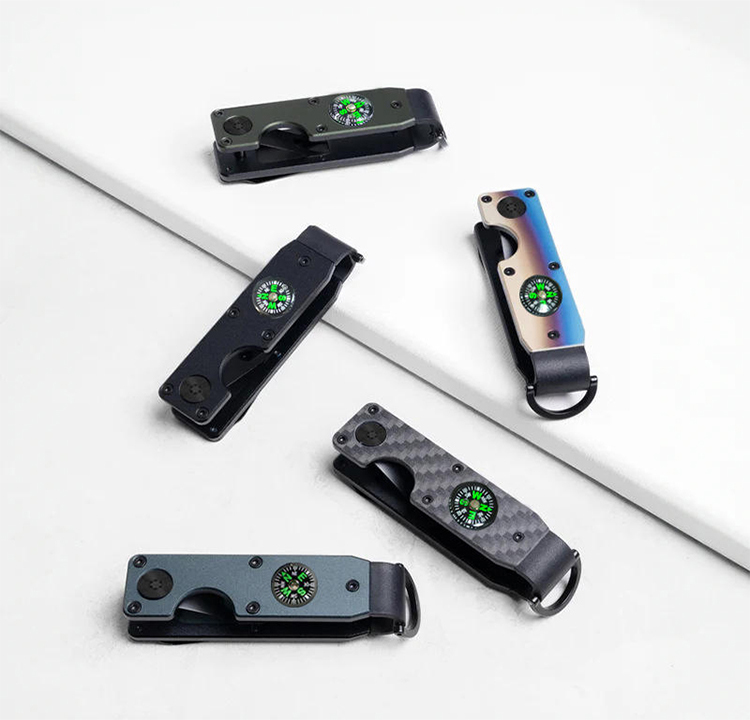
A key case replaces a jangling mass of metal with a quiet, low-profile object. This makes front-pocket carry more comfortable and reduces the risk of keys scratching phones, wallets, or other items.
- Protects fabric and devices: Keys are shielded inside the case so they cannot poke through pockets or scratch screens.
- Prevents entanglement: Keys no longer catch on lint, zippers, or other objects, and small integrated loops make attaching fobs or car remotes easier.
Aluminum cases are durable and often easier to maintain than simple key rings; with replaceable hardware and modular parts, they can be serviced rather than discarded.
A quality aluminum key case blends with modern carry systems and offers options for engraving, colored plates, or decorative scales to match personal style.
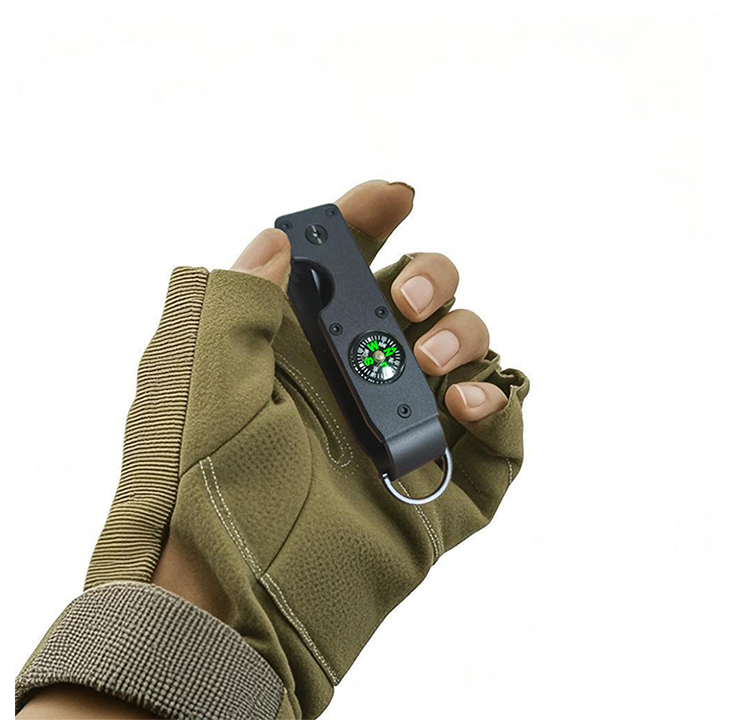
- Built-in trackers: Some models include a small Bluetooth tracking module so the key case can report its last known location to a phone.
- Tracker compatibility: Where a built-in module is absent, many designs include a slot or loop for adding third-party tracker tags.
- Find-me features: When paired with a smartphone, the case can emit a sound or show location history to assist with retrieval.
- Fob accommodation: Modern designs offer space or mount points to carry thin remote fobs or to clip on larger remotes for occasional use.
- Quick-release mechanisms: Many users appreciate the ability to release a single key quickly via a captive screw, lever, or magnetic quick-release system.
- Integrated tools: Bottle openers, pry tools, hex drivers, or small blades can be integrated without compromising the slim form factor.
- Modular flexibility: Swappable tool modules allow users to tailor the case to their daily tasks, making the key case into a compact utility kit.
- Weight: Aluminum is lighter than stainless steel and generally less expensive than titanium.
- Durability: Stainless steel can resist wear and scratches slightly better depending on finish, while titanium offers superior strength-to-weight at a premium.
- Aesthetics and finish variety: Aluminum is easy to anodize for color variety, while stainless and titanium offer distinct metallic finishes.
- Rigidity and protection: Aluminum offers a hard protective shell; plastics may flex more but can be quieter and cheaper.
- Signal interference: Metal enclosures can attenuate Bluetooth or radio signals, so designs that intend to include trackers often add small non-metallic windows or dedicated pockets for signal transmission.
- Count your keys: Choose a model that supports more than your current key count to allow for future additions.
- Fit odd keys: Look for systems that accept thicker keys or odd-shaped keys like long mortise keys via spacers or adapters.
- Built-in tracker vs compatibility: Decide whether you want a built-in tracker for convenience or a slot for replaceable tags so you can upgrade tracking technology over time.
- Platform and privacy: Consider the app ecosystem and privacy practices of any tracker manufacturer.
- Pocket-first designs: If you mainly carry keys in a front pocket, prioritize slimness and rounded edges.
- Clip and belt compatibility: If you attach keys to bags or belts, ensure the case has a sturdy attachment point or included clip.
- Hiding wear: Matte or textured finishes are better for everyday wear than polished surfaces that show scratches.
- Matching EDC: Choose colors and materials that harmonize with the rest of your carry setup.
- Assemble carefully: Stack keys with holes aligned and insert any included spacers or washers to eliminate wobble.
- Adjust tension: Tighten pivot screws until keys rotate smoothly but without excessive play, testing before fully torquing down.
- Place trackers properly: If using a separate tracker, seat it in its pocket so it can communicate; avoid burying it under thick metal without a window.
- Install modules: Add or remove multi-tools by following manufacturer guidelines and confirm they do not obstruct key movement.
- Engraving: Many aluminum surfaces accept laser engraving for initials or icons.
- Scales and plates: Swap outer plates or decorative scales to change color, grip, or function.


- Cleaning: Wipe with a soft cloth and mild soap; avoid abrasive cleaners that can wear finishes.
- Screw checks: Periodically check and tighten pivot screws to prevent rattling and maintain proper tension.
- Lubrication: A drop of light oil on pivots keeps movement smooth.
- Minor abrasion: Light surface scuffs on anodized aluminum can be visually minimized with careful polishing or replaced plates if available.
- Severe damage: Deep dents may be cosmetic; many modular designs allow replacing outer plates rather than discarding the whole unit.
- Pairing troubles: Ensure battery health, app permissions, and that the tracker is not completely surrounded by solid metal.
- Signal limitations: If a tracker seems weak, reposition it where it has a small non-metallic opening to the world, or use a model designed for metal enclosures.
Front-pocket carry with a slim key case increases comfort on transit, reduces bulging, and prevents keys from scratching a phone or wallet.
For travel, an aluminum key case keeps keys compact in carry-on bags, reduces noise in hotel rooms, and minimizes the chance of losing keys during swaps between bags.
In offices or client-facing roles, a quiet, tidy key case prevents embarrassing jingling and projects a more organized impression.
Field workers and handypersons can choose models with integrated tools and robust attachment points to keep essentials accessible without bulk.
Aluminum is highly recyclable, and many makers use recycled aluminum in production. Choosing durable, repairable products that replace disposable keychains lowers lifetime environmental impact.
When possible, prefer brands that publish sourcing and manufacturing details, offer repair parts, or support take-back and recycling programs.
Aluminum minimalist key cases span a wide price range from affordable stamped units to premium CNC-milled models with modular tool kits and built-in electronics. Consider long-term value: serviceability, warranty, and materials often justify higher cost.
A good warranty and available spare parts (like screws and plates) extend product life and improve sustainability, so factor customer support into purchasing decisions.
- Minimalists looking to slim their EDC.
- Commuters wanting quiet, comfortable pockets.
- Travelers seeking organized carry.
- Anyone who wants anti-loss tracking combined with a refined everyday object.
Q1: Can an aluminum key case damage phone screens when carried together?
A1: Properly designed aluminum cases with smooth finishes and rounded edges generally won't scratch phone screens; to be extra safe, avoid stacking sharp, unprotected keys directly against glass or use a soft pocket liner.
Q2: Will Bluetooth trackers work if placed inside a metal case?
A2: Metal can reduce radio strength, so many designs provide a small pocket, trim, or non-metallic window for trackers to sit in; locally tested placement ensures acceptable range and audible find-me sounds.
Q3: How many keys can a typical organizer hold?
A3: Many compact models hold between four and ten standard keys; modular or larger designs may accommodate more or accept adapters for odd-shaped keys and fobs.
Q4: Is anodized aluminum scratch-proof?
A4: No finish is completely scratch-proof. Anodizing improves surface hardness and resists wear, but micro-scratches and patina can develop over time; textured finishes hide wear best.
Q5: Can I carry a car remote inside the case?
A5: Some slim remotes fit inside certain cases, and others can be attached externally via a quick-attach point; large or particularly thick remotes may need to be carried separately.
Q6: What maintenance does a key case need?
A6: Check and tighten screws periodically, wipe clean, and apply a drop of lubricant to pivot points occasionally to maintain smooth operation.
Q7: Are replacement parts available if something breaks?
A7: Many reputable makers offer replacement plates, screws, and accessory modules; this is an important factor when choosing a brand for long-term ownership.
A well-made aluminum minimalist pocket smart key case brings together protection, comfort, style, and optional smart functionality to make daily key carry more pleasant and efficient. Whether you prioritize lightness, modularity, privacy-conscious tracking, or a premium tactile object, there are aluminum solutions across price points that can improve how you carry and use keys every day.


