

Views: 212 Author: Princee Lee Publish Time: 02-28-2026 Origin: Princee Lee


Content Menu
>> Introduction
● What Is a Minimalist Carbon Fiber Wallet?
>> Definition and core characteristics
● Key Benefits of a Carbon Fiber Minimalist Wallet
● Common Designs and Mechanisms
>> Card-holder chassis (plate-style)
>> Money-clip and strap hybrids
>> Ejector or quick-access mechanisms
● How Carbon Fiber Wallets Compare to Other Materials
>> Carbon fiber vs. metal (aluminum, titanium)
● What to Look for When Buying
● Practical Tips for Everyday Use
>> Organizing cards for convenience
>> How to sit with a carbon fiber wallet
● Caring for a Carbon Fiber Wallet
● Common Concerns and Misconceptions
>> Do carbon fiber wallets block all RFID?
>> Will carbon fiber damage my cards?
>> Are they comfortable to carry?
● Environmental and Ethical Considerations
>> Longevity vs. disposability
● Popular Brands and Market Trends
● Buying Checklist: Quick Summary
>> Pros
>> Cons
● Maintenance and Troubleshooting
>> Removing stains or sticky residues
>> Fixing loose plates or fasteners
● Lifestyle Fit — Who Should Buy One?
>> Who might prefer alternatives
● Frequently Asked Questions (At least five, with answers)
A minimalist carbon fiber wallet combines modern materials with pared-down design to deliver a slim, durable, and often RFID-resistant solution for carrying cards and cash. This guide explores what makes these wallets special, how they compare to traditional options, what to look for when buying one, how to use and care for a carbon fiber wallet, and whether it's the right choice for you.
- Minimalist means the wallet is designed to hold only essential items — typically a handful of cards and a small amount of cash — in a compact profile.
- Carbon fiber construction refers to a rigid or semi-rigid chassis made from woven carbon strands bonded in resin, which provides excellent strength-to-weight ratio and a distinctive visual texture.
Carbon fiber offers a combination of light weight, high tensile strength, and a modern aesthetic that many users find appealing. In many minimalist designs, carbon fiber provides a hard shell that resists bending and abrasion while keeping pocket bulk low.
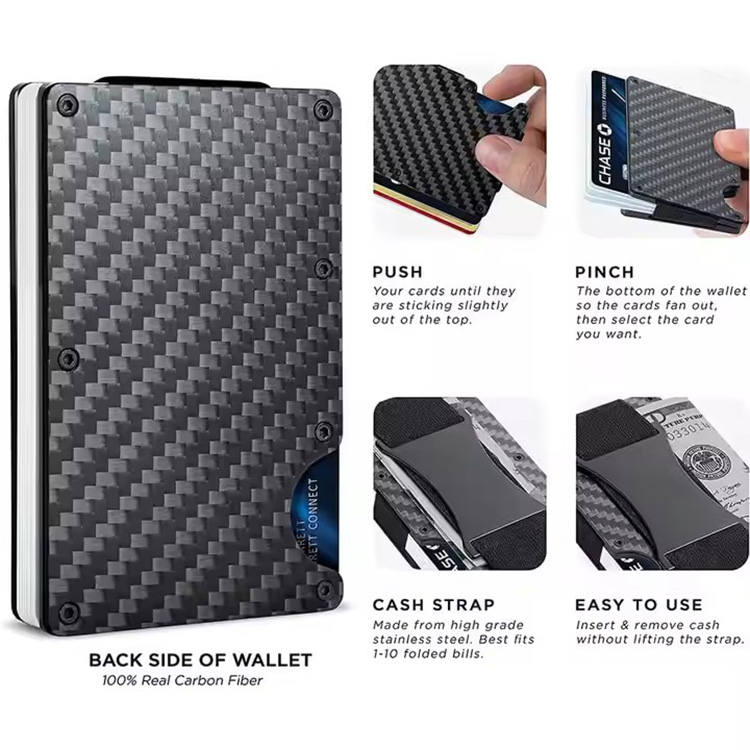
- High strength-to-weight ratio: Carbon fiber resists deformation and holds shape even under daily wear, so wallets tend to stay slim and functional for a long time.
- Scratch resistance: Many carbon fiber finishes mask minor scuffs and carry marks better than soft-leather surfaces.
- Front-pocket friendly: The rigid but thin plates of a carbon fiber wallet are designed to be carried comfortably in front pockets, reducing bulk and improving posture compared to bulky bifold wallets.
- RFID resistance: Carbon fiber plates can block or attenuate some contactless card signals, reducing risk of casual electronic skimming when the wallet is properly constructed. However, not every carbon fiber wallet blocks all RFID frequencies, so consider the vendor's specifications and testing claims when security is a priority.
- Modern look: The woven pattern and matte or glossy finishes give carbon fiber wallets a contemporary look that pairs well with minimalist fashion.
- Custom options: Many makers offer variations in color (e.g., forged/nebula carbon), faceplates, or engravings to personalize the wallet.
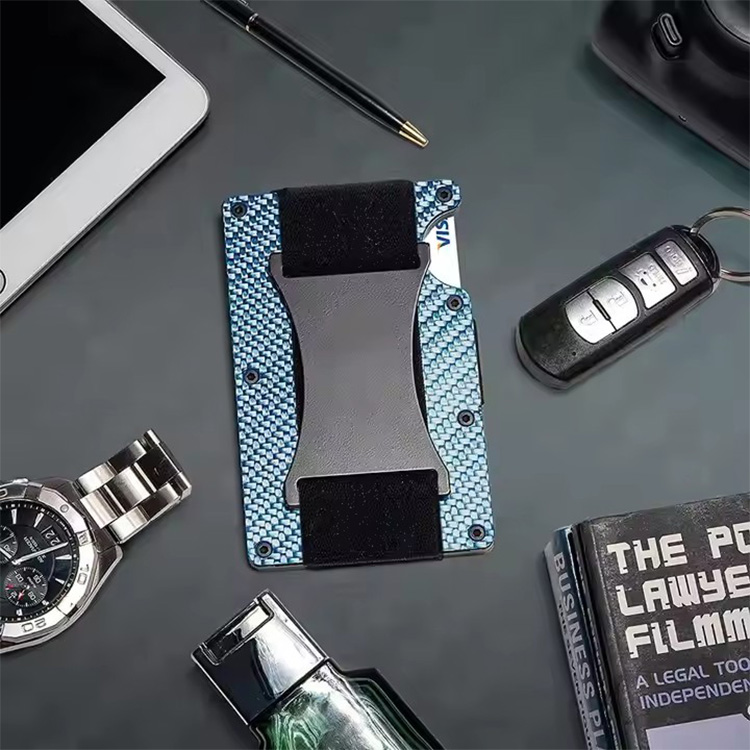
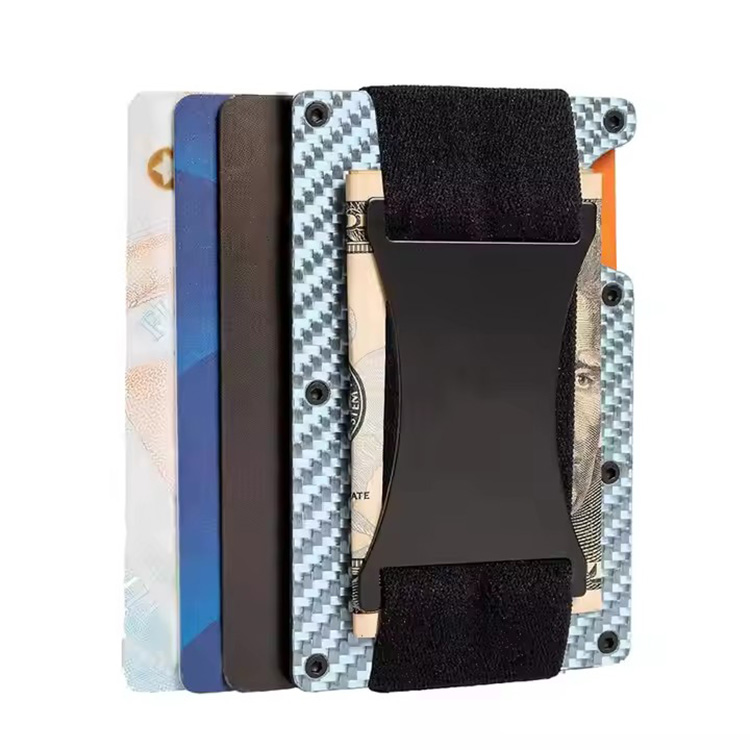
- Two carbon fiber plates clamp cards between them, often with an elastic or metal band to keep everything secure.
- Advantages: Very slim, excellent protection for cards.
- Considerations: Rigid design may feel less tactile than leather; ejection mechanisms vary in convenience.
- A carbon fiber outer shell combined with an integrated money clip or elastic strap for bills.
- Advantages: Allows carrying unfolded cash neatly while keeping wallet compact.
- Considerations: Money clips add thickness where bills are stored; magnetic clips exist but may interfere with some items.
- Some wallets include a spring-loaded or lever system to fan cards out for easy access.
- Advantages: Fast access without bending or fumbling.
- Considerations: Mechanism longevity depends on build quality.
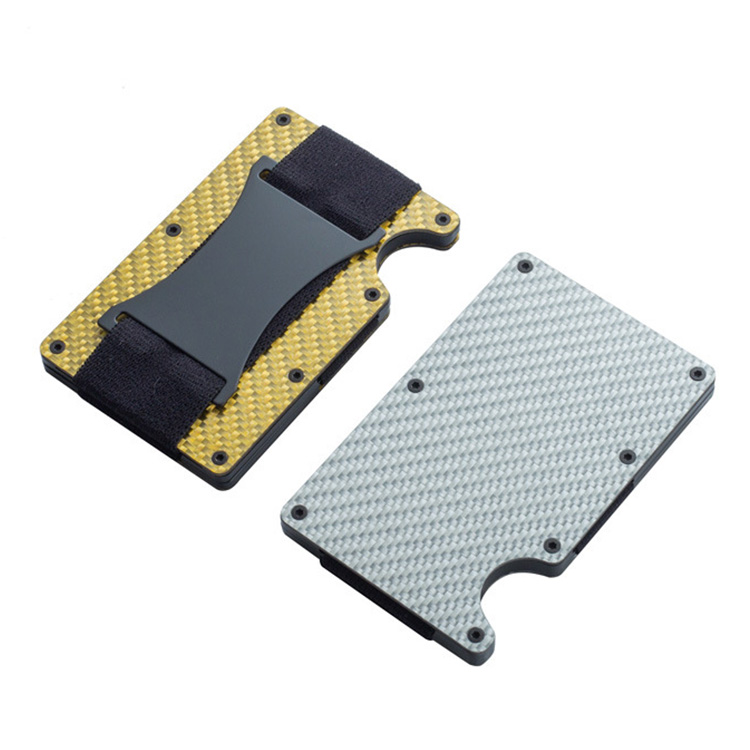
- Weight and bulk: Carbon fiber tends to be lighter and stiffer, keeping a slimmer profile than many leather wallets when carrying similar card counts.
- Feel and aging: Leather softens and acquires patina with use, creating a personalized look; carbon fiber typically retains its original appearance and resists stretching.
- Comfort: Leather conforms to body shape and can be more comfortable in tight pockets; carbon fiber's rigidity is ideal for front-pocket carry.
- Security: Carbon fiber can provide natural shielding against some RFID signals, while RFID leather wallets use embedded blockers or metallic layers to achieve the same effect.
- Durability: Titanium and stainless steel are highly durable but heavier; aluminum is light but may dent. Carbon fiber finds a middle ground with excellent strength and minimal weight.
- Card safety: Metals may scratch cards if edges are sharp; well-designed carbon fiber edges are typically smooth and card-friendly.
- Aesthetics: Metal provides industrial sheen; carbon fiber offers a technical, high-tech appearance.
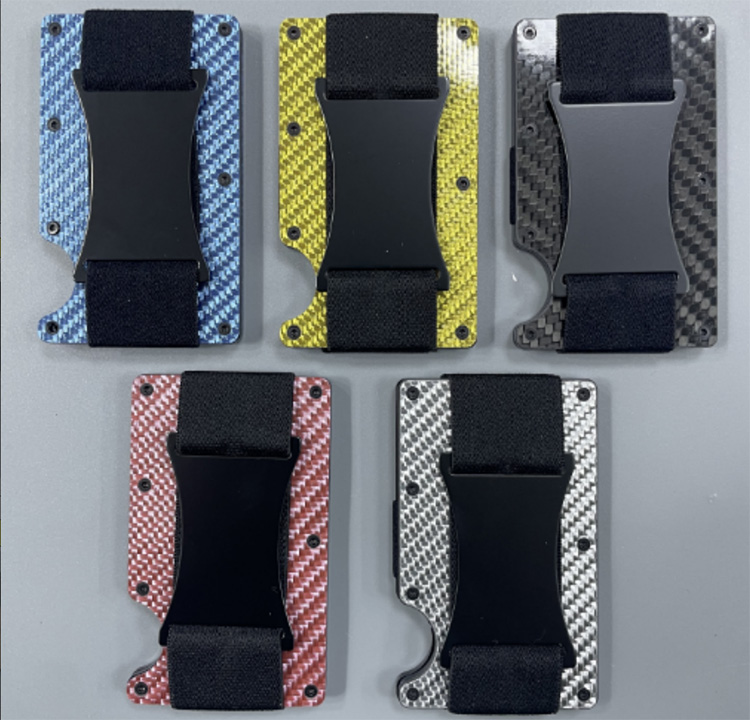
- Authentic carbon fiber vs. forged/printed finishes: Real woven carbon fiber has depth and texture; some products use printed or coated materials that mimic the look but lack the same structural benefits.
- Edge finishing and tolerances: Smooth, rounded edges reduce card wear. Tight tolerances in plate alignment minimize rattling and protect card corners.
- Card capacity: Minimalist wallets range from 2–12 cards. Choose based on how many cards you need daily; carrying fewer cards preserves the slim profile.
- Cash options: Decide whether you need a money clip, strap, or a slot for folded bills.
- Manufacturer claims and testing: Look for clear statements about RFID shielding and, where possible, third-party testing or technical details . Not all carbon fiber wallets block all contactless frequencies, so verify the specifics if you want comprehensive protection.
- Card access: Consider how cards are ejected or accessed — push-tab, lever, or slide — and whether it works smoothly with your card thickness.
- Comfort in pocket: Rounded corners and slim edges prevent discomfort when sitting.
- Value vs. craftsmanship: Premium materials and mechanisms justify higher prices, but many affordable options offer solid everyday performance.
- Warranty and return policy: A good warranty signals confidence from the maker and reduces risk if the wallet fails prematurely.
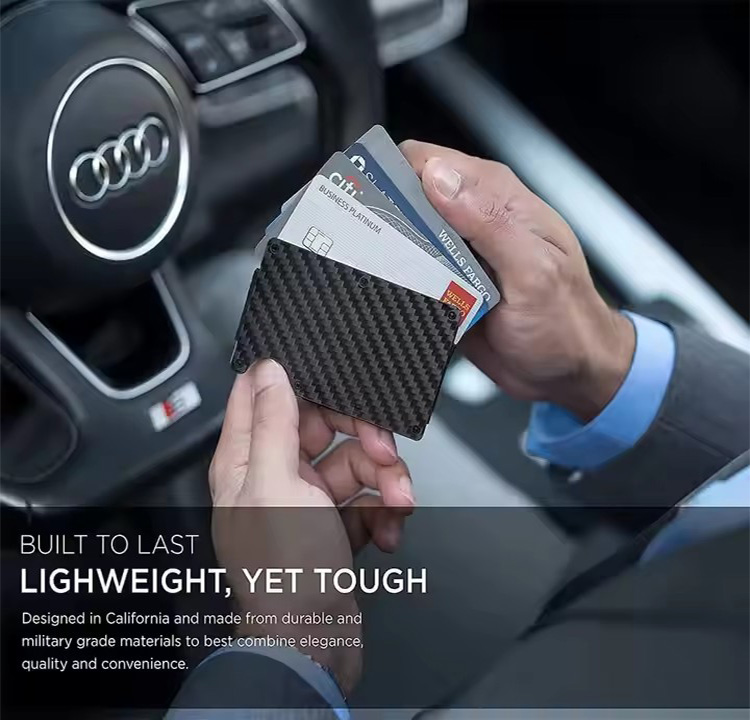

- Essentials only: Adopt the minimalist mindset: primary credit/debit card, ID, transit or access card if needed, and a couple of bills or a single folded bill.
- Backup storage: Keep rarely used cards at home or in a secondary wallet to avoid overloading your minimalist wallet.
- Primary on top: Place the card you use most often in the easiest-to-access position.
- Thin vs. thick cards: Rotate thicker cards (like some loyalty cards or IDs in holders) to positions that minimize bulk.
- Front-pocket carry preferred: To avoid discomfort and preserve posture, carry in a front pocket rather than a back pocket when possible.
- Avoid tight pants: Extremely tight pockets can stress the wallet edges and cards over time.
- Wipe with a soft cloth: Use a microfiber cloth to remove dust and fingerprints.
- Mild soap for grime: For tougher spots, a small amount of gentle soap and water applied with a damp cloth will clean most finishes; avoid soaking.
- Avoid chemicals and abrasive cleaners: Harsh solvents can affect resin finishes and dyes.
- Avoid prolonged UV exposure: Extended sun exposure can, over time, alter some resin finishes.
- Protect from impacts: While carbon fiber is strong, severe impacts or bending attempts can delaminate resin layers; treat the wallet as a precision object.
Not necessarily. Some carbon fiber wallets provide natural attenuation for certain contactless frequencies, but not all wallets block every RFID band. Verify manufacturer claims and frequency coverage if full protection is essential.
High-quality carbon fiber wallets are manufactured with smooth tolerances and edged finishes to avoid scratching or bending cards. Poorly made designs with rough edges or tight plate spacing can cause wear; inspect build quality before purchase.
Many users find carbon fiber wallets very comfortable in front pockets due to their slim profile, though back-pocket carry may feel rigid. Choose a design with rounded edges for better comfort and mobility.
- Manufacturing footprint: Carbon fiber production and resin curing are more energy-intensive than tanning leather, but the longer lifespan of carbon fiber goods can offset some environmental impact over time.
- Recyclability challenges: Composite materials like carbon fiber bonded with resin are harder to recycle than single-material products; check manufacturer sustainability practices if this matters to you.
- Durability reduces waste: A long-lasting wallet reduces the need for replacement, which can be a sustainable advantage compared to lower-quality fast-fashion accessories.
Minimalist wallets continue to evolve, with established and boutique brands offering carbon fiber and hybrid designs that emphasize quick access, RFID protection, and personalized aesthetics. Experts and reviewers often highlight a few standout models for build quality and practical design in comparative testing.
- Material authenticity: Confirm woven carbon fiber or high-quality forged carbon construction.
- Card capacity: Match capacity to daily needs.
- RFID claims: Check frequency coverage and testing evidence.
- Mechanism quality: Test card ejection and retention.
- Edge finishing: Look for smooth edges and rounded corners.
- Warranty: Prefer sellers offering meaningful guarantees.

- Slim and lightweight
- Durable and protective
- Modern aesthetic
- Potential RFID attenuation
- Rigid feel may not suit everyone
- Variable RFID performance across products
- Higher cost for premium builds
- Recycling and end-of-life considerations
- Use a damp cloth with mild soap for surface residues.
- For stubborn spots, isopropyl alcohol applied lightly can remove some adhesives, but test on a small area to ensure finish compatibility.
- Tighten screws with a precision driver if the design uses fasteners.
- If elastic bands or straps lose tension, check for replacement parts from the manufacturer or consider aftermarket bands designed for slim wallets.
- Urban commuters: Those who prefer front-pocket carry and minimal bulk.
- Travelers: Users who value secure card carry and fast access in transit.
- Design-focused consumers: People who value modern materials and a technical aesthetic.
- Anyone seeking durability: If you want a wallet that retains shape and resists daily wear, carbon fiber is a strong candidate.
- Traditionalists: If you value the tactile aging and patina of leather, a leather wallet remains a classic choice.
- High cash users: If you carry many folded bills, a traditional bifold or travel wallet might be more practical.

Q1: Do carbon fiber wallets really block RFID skimming?
A1: Carbon fiber can attenuate some contactless card frequencies and several wallet designs incorporate shielding, but not every model blocks all RFID bands; verify manufacturer claims and testing if complete coverage is needed.
Q2: Will a carbon fiber wallet scratch my credit cards?
A2: High-quality carbon fiber wallets have smooth finishes and rounded edges designed to protect cards; lower-quality builds with rough edges or tight plate tolerances can cause wear, so inspect the build quality before buying.
Q3: Can I carry cash in a minimalist carbon fiber wallet?
A3: Yes—many designs include a money clip, strap, or small cash sleeve for bills, though carrying a lot of unfolded cash will increase bulk and reduce the slim profile.
Q4: How durable are forged carbon finishes compared to woven carbon?
A4: Forged carbon has a different appearance and may mask wear differently; woven carbon fiber generally offers predictable structural properties, but both can be durable — pay attention to resin quality and bonding.
Q5: Are carbon fiber wallets worth the price?
A5: If you prioritize long-term durability, a slim front-pocket profile, and a modern look, a well-made carbon fiber wallet can be a worthwhile investment; evaluate features, warranty, and real-world reviews before deciding.
Q6: How should I clean my carbon fiber wallet?
A6: Wipe with a soft microfiber cloth; for tougher grime, use mild soap and water; avoid harsh solvents and abrasive pads that can damage resin finishes.
Q7: Do minimal wallets damage cards over time?
A7: When properly designed, minimal wallets protect cards without bending them; issues arise from overstuffing, sharp edges, or poor tolerances, so carry only essentials and choose a reputable maker.
A minimalist carbon fiber wallet offers a compelling combination of low bulk, durable protection, and contemporary style for people who carry only the essentials. While carbon fiber can provide natural RFID attenuation and exceptional longevity, performance varies by design and manufacturer — so verify capacity, access mechanism, and security claims before purchasing. For commuters, travelers, and design-conscious users, a high-quality carbon fiber wallet is often a worthy upgrade from traditional options.


