

Views: 225 Author: Princee Lee Publish Time: 03-12-2026 Origin: Princee Lee


Content Menu
>> Introduction to the Era of Card Grading
>> Understanding the PSA Silicone Slab Protector
>> The Material Science: Why Silicone?
>>> Cushioning and Impact Absorption
>>> Resistance to Scratches and Scuffs
>> The Evolution of Secondary Protection
>> Key Benefits for the Modern Collector
>>> Financial Preservation of the Slab
>>> Stackability and Organization
>> Different Types of Slab Protectors
>>> Edge Bumpers (Frame Style)
>> Impact of Environmental Factors
>> The Psychology of the "Slabbed" Collection
>> How to Properly Install and Maintain Your Protectors
>> The Future of Graded Card Protection
>> Conclusion: An Essential Tool for the Modern Collector
>> Frequently Asked Questions (Q&A)
The world of collectibles has undergone a radical transformation over the last few decades. What once began as a hobby centered around shoeboxes filled with loose cards has evolved into a sophisticated multibillion-dollar asset class. Central to this evolution is the "slab"—the tamper-evident, sonic-welded plastic case provided by third-party grading services. Among these services, Professional Sports Authenticator (PSA) stands as the industry titan. However, as the value of these graded cards has skyrocketed, so too has the need for an additional layer of defense. This is where the PSA silicone slab protector, often referred to as a "bumper," comes into play. These accessories have become a staple for serious collectors who wish to safeguard the integrity of the slab itself, ensuring that the plastic remains as pristine as the card housed within it.
A PSA silicone slab protector is a precision-molded sleeve or frame designed specifically to fit the dimensions of a standard PSA graded card case. Unlike thin plastic sleeves (team bags) which primarily protect against dust and light surface scratches, these silicone protectors are engineered for impact resistance and ergonomic handling. They wrap around the edges of the slab, providing a cushioned barrier that absorbs shock and prevents the brittle plastic of the slab from chipping or cracking upon impact.
The "PSA" in the name refers to the specific grading company, as each company (such as Beckett or CGC) uses slightly different slab dimensions. A protector designed for a PSA slab is tailored to the exact height, width, and thickness of the PSA holder, ensuring a snug fit that does not slide or shift during use.
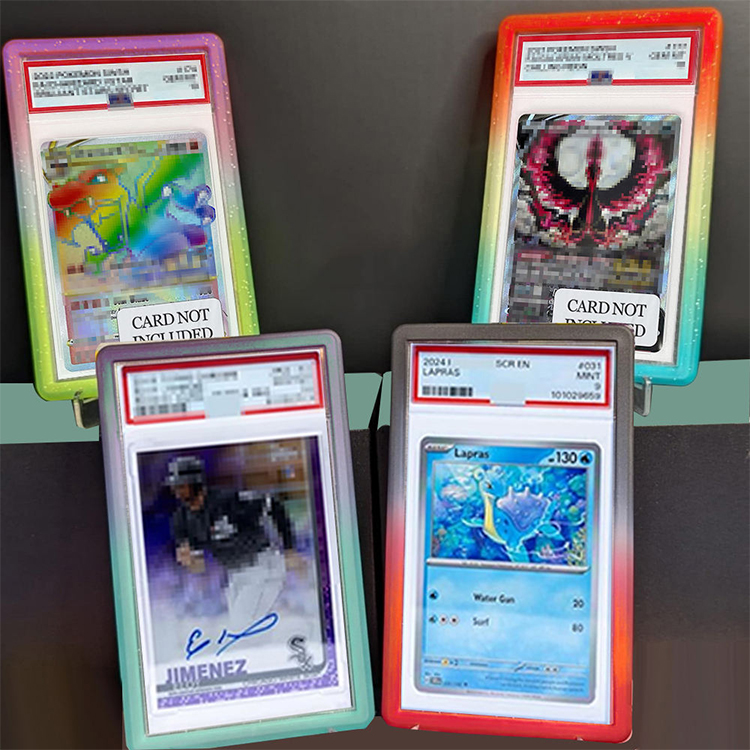
The choice of silicone as the primary material for slab protection is not accidental. Silicone is a synthetic polymer known for its unique combination of flexibility, durability, and chemical stability. Unlike traditional plastics, which can become brittle over time or release harmful gases (off-gassing) that might damage the item they are meant to protect, high-quality silicone is inert and resistant to environmental degradation.
Silicone's elastic nature allows it to act as a shock absorber. When a graded card is dropped, the force of the impact is distributed through the silicone frame rather than being concentrated on a single point of the hard plastic slab. This significantly reduces the risk of the slab "shattering" or developing internal stress fractures.
One of the most practical benefits of silicone is its naturally high coefficient of friction. Hard plastic slabs are notoriously slippery, making them difficult to handle in large stacks. A silicone protector provides a "grippy" surface that prevents cards from sliding off tables or out of hands. This is particularly useful during trade shows or while organizing a large collection.
While PSA slabs are durable, they are prone to "scuffing"—fine white scratches that occur when slabs rub against one another. Over time, these scuffs can obscure the view of the card and the grade on the label. Silicone bumpers create a raised edge that keeps the surface of the slab from touching flat surfaces or other slabs, effectively eliminating surface-to-surface friction.
To appreciate the PSA silicone slab protector, one must look at the history of how collectors have treated their cards. In the early days, cards were placed in soft "penny" sleeves and rigid "toploaders." While effective for low-value items, these did not offer the permanence or the authentication required for high-end investment pieces.
The introduction of the slab in the 1990s was thought to be the final word in protection. However, collectors soon realized that the slabs themselves were vulnerable. The first solution was the "team bag"—a resealable plastic pouch. While cheap and effective at preventing dust, team bags look unsightly and do nothing to prevent impact damage. The silicone slab protector represents the next stage of this evolution: a solution that offers both superior protection and a professional, aesthetic look.
In the high-stakes world of card collecting, the condition of the slab can influence the liquidity of the asset. A heavily scratched or chipped slab may deter buyers or force the seller to offer a discount. Re-slabbing a card (sending it back to PSA to be placed in a new holder) costs money and time. By using a silicone protector, a collector ensures that the slab remains in "Gem Mint" condition, potentially saving hundreds of dollars in re-slabbing fees and maintaining the highest possible market value.
Most silicone slab protectors are designed with a "nested" or "stackable" geometry. This means that the bumpers have slight indentations or ridges that allow multiple protected cards to lock together when stacked. This prevents the "leaning tower" effect often seen with bare slabs and makes storage much more efficient.
Collectors often view their cards as pieces of art. Silicone protectors come in a wide array of colors—from "stealth" black and clear to vibrant neons and even glow-in-the-dark variants. This allows collectors to color-coordinate their protection with the theme of the card. For example, a Charizard card might be placed in a red silicone bumper, while a rare sports card might be housed in the team's colors. This level of personalization adds a layer of enjoyment to the hobby.
These are comprehensive covers that wrap around the entire slab, including the front and back faces. They offer the highest level of protection but can sometimes slightly reduce the clarity of the card's viewing window if the silicone is not perfectly transparent.
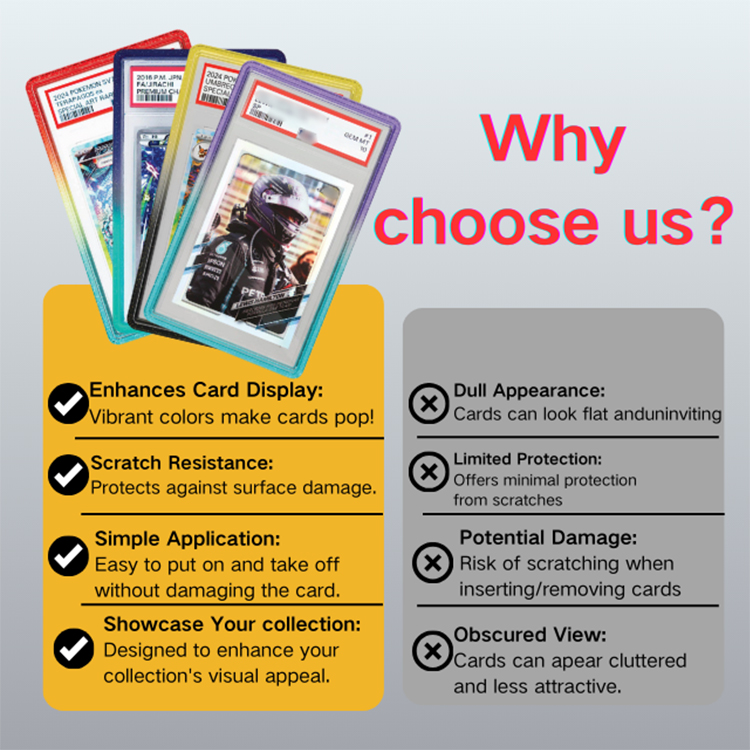
This is the most popular type of PSA silicone slab protector. It covers only the outer edges of the slab. This design protects the corners—the most vulnerable points—while leaving the front and back of the slab clear for unobstructed viewing of the card and the PSA label.
Some manufacturers produce "hybrid" cases that combine a silicone outer ring with a hard plastic or tempered glass face. These offer the impact protection of silicone with the crystal-clear optics of glass.
While we often focus on physical drops, environmental factors also play a role in the longevity of a collection. High-quality silicone is resistant to UV radiation, which can cause some plastics to yellow or become brittle. Additionally, silicone is waterproof and can provide a degree of protection against minor spills or humidity. While it doesn't make the slab "waterproof" (as the slab itself is not hermetically sealed), it adds a significant moisture barrier around the edges.
For many, the appeal of a graded card is the sense of "finality"—the idea that the card is now safe forever. However, the anxiety of handling a $10,000 piece of plastic remains. The silicone protector serves a psychological purpose: it reduces "handling anxiety." When a card is "bumped," the collector feels more comfortable passing it to a friend for inspection or displaying it on a shelf. This freedom of interaction is a vital part of the social aspect of collecting.

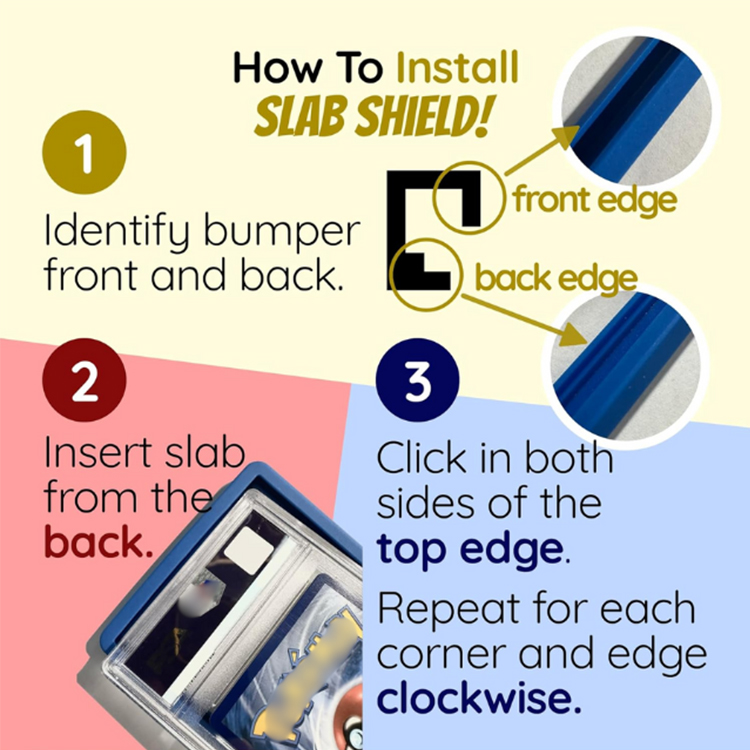
Installing a PSA silicone slab protector is generally straightforward, but care should be taken to avoid trapping dust between the slab and the protector.
1. Clean the slab with a microfiber cloth to remove fingerprints.
2. Ensure the silicone protector is free of lint (silicone is a magnet for dust).
3. Gently stretch the protector over one corner at a time. High-quality silicone has excellent "memory" and will snap back into a tight fit.
Over time, silicone can attract dust or become oily from skin contact. One of the greatest advantages of silicone is that it is incredibly easy to clean. Simply remove the protector from the slab and wash it with warm water and mild dish soap. Once completely dry, it can be reapplied, looking as good as new. This is a significant advantage over plastic sleeves, which must be thrown away once they become dirty or wrinkled.
As the hobby continues to grow, we can expect to see even more innovation in the slab protector market. There are already discussions about "smart" protectors that could include NFC chips for digital inventory management or integrated humidity sensors. However, the core of the product will always remain the same: high-quality silicone providing a physical barrier against the world.
Manufacturers are also looking into eco-friendly silicone alternatives. As the world becomes more conscious of plastic waste, the durability of silicone—which can last for decades without needing replacement—makes it a more sustainable choice than single-use plastic bags.

The PSA silicone slab protector is no longer a niche accessory; it is an essential tool for anyone serious about the long-term health of their graded card collection. By combining material science with practical design, these protectors address the primary vulnerabilities of the PSA slab: impact damage, surface scuffing, and handling instability. Whether you are a high-end investor looking to protect a six-figure asset or a casual hobbyist who wants to add some flair to your favorite Pokémon cards, the silicone bumper offers a low-cost, high-reward solution. In a market where condition is everything, protecting the protector is simply common sense.
Q1: Will a silicone protector fit other slabs like Beckett (BGS) or SGC?
A1:Generally, no. PSA slabs have unique dimensions (roughly 5.375" x 3.2"). BGS slabs are thicker, and SGC slabs are wider and taller. While some "universal" protectors exist, they often fit poorly. It is always best to buy a protector specifically labeled for the brand of slab you own.
Q2: Does the silicone cover block the PSA hologram or QR code?
A2:Most high-quality "bumper style" protectors are designed to leave the top label area and the central viewing window clear. This ensures that the authentication features, such as the hologram and the QR code on the back, remain fully accessible for scanning and verification without removing the protector.
Q3: Can I store protected slabs in standard graded card storage boxes?
A3:This depends on the box. Silicone protectors add a small amount of width and height (usually 1-2mm) to the slab. Most "vault" style cases or specialized graded card storage boxes (like those made by Zion or Casematix) have enough clearance to accommodate protected slabs, but tight-fitting cardboard "monster boxes" might be too narrow.
Q4: Is there any risk of the silicone damaging the plastic slab over time?
A4:If you use high-quality, "platinum-cured" or food-grade silicone, there is virtually no risk. These materials are chemically inert. However, avoid extremely cheap, unbranded protectors that might contain low-grade oils or "fillers," as these could potentially cause a cloudy residue on the plastic slab over a period of many years.
Q5: Does using a slab protector affect the "grade" of the card?
A5:No. The grade is assigned to the card inside the slab by PSA. The protector is an external accessory. In fact, by preventing the slab from being damaged, you are protecting the integrity of the grade's presentation, which is beneficial if you ever decide to sell the card.


