

Views: 315 Author: Princee Lee Publish Time: 01-19-2026 Origin: Princee Lee


Content Menu
● The Art of Leather Wallet Craftsmanship
>> Understanding Leather Craftsmanship
>> The Leather Wallet Making Process
>>> 4. Stitching
● Materials Used in Leather Wallets
● Custom Options for Leather Wallets
>> Why Choose Custom Leather Wallets?
>> The Process of Custom Leather Wallet Manufacturing
● Why Choose Gstar Technology (Shenzhen) Co., Ltd.?
>> Exceptional Customer Service
● The Benefits of Leather Wallets
>> Versatility
● DIY Leather Wallet vs. Factory Made
>> Pros and Cons of DIY Leather Wallets
>>> Pros
>>> Cons
>> Advantages of Factory-Made Leather Wallets
● Caring for Your Leather Wallet
>> Storage Tips
>> Related Questions and Answers
Creating a leather wallet is not just about functionality; it's an art form that combines craftsmanship, quality materials, and personal style. Whether you are looking to purchase a custom leather wallet or are interested in the leather wallet making process for DIY projects, understanding the intricacies involved can enhance your appreciation for this timeless accessory. In this comprehensive guide, we will explore the craftsmanship behind leather wallets, the materials used, the production steps, and why choosing Gstar Technology (Shenzhen) Co., Ltd. is the best option for your leather wallet needs.

Leather craftsmanship is a meticulous process that requires skill, patience, and a deep understanding of materials. A genuine leather wallet is not just a product; it is a reflection of the artisan's dedication to quality and detail. The craftsmanship involved in making leather wallets can be broken down into several key components:
- Material Selection: The type of leather used significantly impacts the wallet's durability and aesthetic appeal. Full-grain leather, top-grain leather, and genuine leather each have unique characteristics that affect the final product.
- Design and Functionality: A well-designed wallet balances aesthetics with functionality. It should accommodate cards, cash, and coins while remaining compact and easy to carry.
- Construction Techniques: The methods used to stitch, cut, and finish the leather are crucial. Hand-stitching, for example, adds a personal touch and enhances durability.
The leather wallet making process involves several steps, each contributing to the final product's quality. Here's a detailed look at these steps:
The first step in the leather wallet production steps is sourcing high-quality leather. At Gstar Technology, we prioritize using ethically sourced, premium leather that meets our strict quality standards. This ensures that every wallet we produce is not only beautiful but also durable.
Once the leather is sourced, the next step is designing the wallet. This involves creating sketches and prototypes to determine the best layout and features. Custom options can be discussed at this stage, allowing customers to personalize their wallets according to their preferences.
After finalizing the design, the leather is cut into the required shapes. Precision is key here, as accurate cuts ensure that the wallet components fit together seamlessly. This step can be done manually or with the help of cutting machines, depending on the production scale.
Stitching is where the wallet starts to take shape. Hand-stitching is often preferred for its durability and aesthetic appeal. It allows for greater control over the final product, ensuring that every stitch is perfect. At Gstar Technology, we employ skilled artisans who are experts in hand-stitching techniques.
The final step in the leather wallet factory process involves adding finishing touches. This can include edge finishing, applying dyes or finishes, and adding hardware like zippers or snaps. These details enhance the wallet's appearance and functionality.
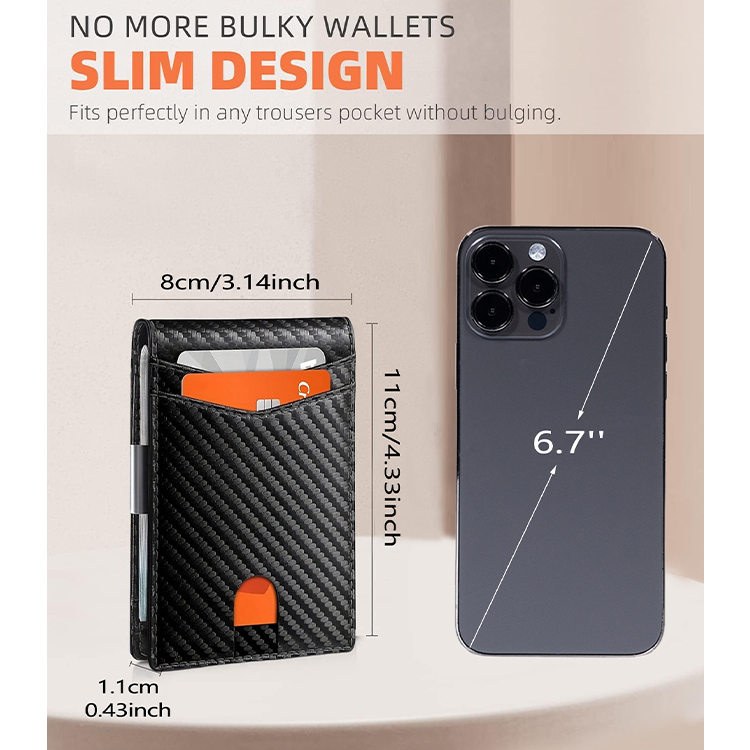
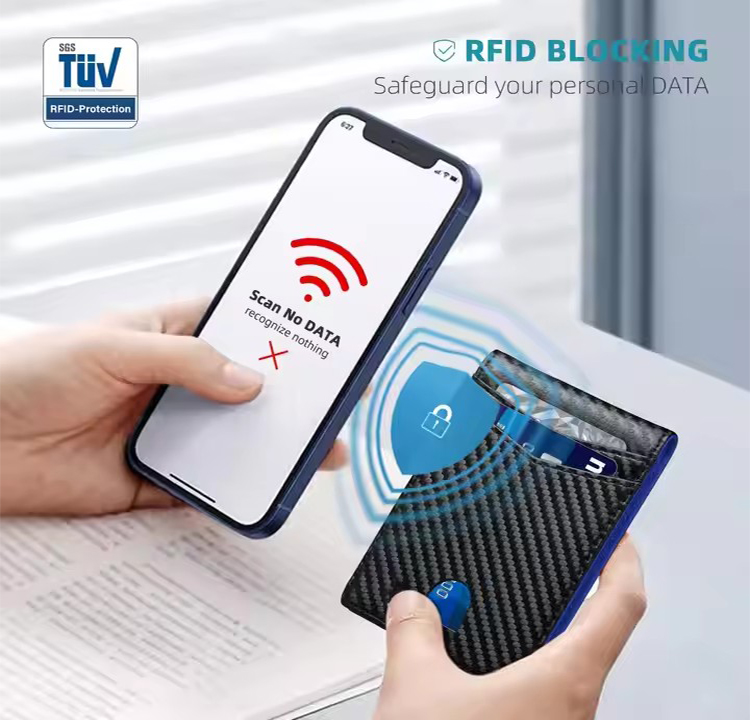
When it comes to leather wallets, the type of leather used plays a crucial role in determining the wallet's quality and longevity. Here are some common types of leather used in wallet production:
- Full-Grain Leather: This is the highest quality leather available. It retains the natural grain and imperfections of the hide, making each wallet unique. Full-grain leather is known for its durability and develops a beautiful patina over time.
- Top-Grain Leather: Slightly less durable than full-grain, top-grain leather is sanded and treated to remove imperfections. It has a more uniform appearance and is often used in higher-end wallets.
- Genuine Leather: This is a term used to describe leather that is made from the lower layers of the hide. While it is more affordable, it may not be as durable as full-grain or top-grain leather.
In addition to leather, other materials may be used in wallet production, including:
- Thread: The type of thread used for stitching can affect the wallet's durability. Polyester and nylon threads are commonly used for their strength.
- Lining Materials: Some wallets feature linings made from fabric or synthetic materials to enhance durability and aesthetics.
- Hardware: Zippers, snaps, and clasps are often made from metal or high-quality plastic, adding functionality and style to the wallet.
Choosing a custom leather wallet allows you to express your personal style and preferences. Here are some reasons why custom options are worth considering:
- Personalization: You can choose the leather type, color, and design features that suit your taste.
- Functionality: Custom wallets can be designed to meet your specific needs, whether you require more card slots, a coin pocket, or a minimalist design.
- Unique Gifts: A custom wallet makes for a thoughtful and unique gift for loved ones.
At Gstar Technology, we offer a streamlined process for custom leather wallet manufacturing. Here's how it works:
1. Consultation: Discuss your ideas and preferences with our design team.
2. Design Approval: We create a digital mock-up of your wallet for your approval.
3. Production: Once approved, we begin the production process, ensuring every detail meets your specifications.
4. Quality Control: Each wallet undergoes rigorous quality checks to ensure it meets our high standards.
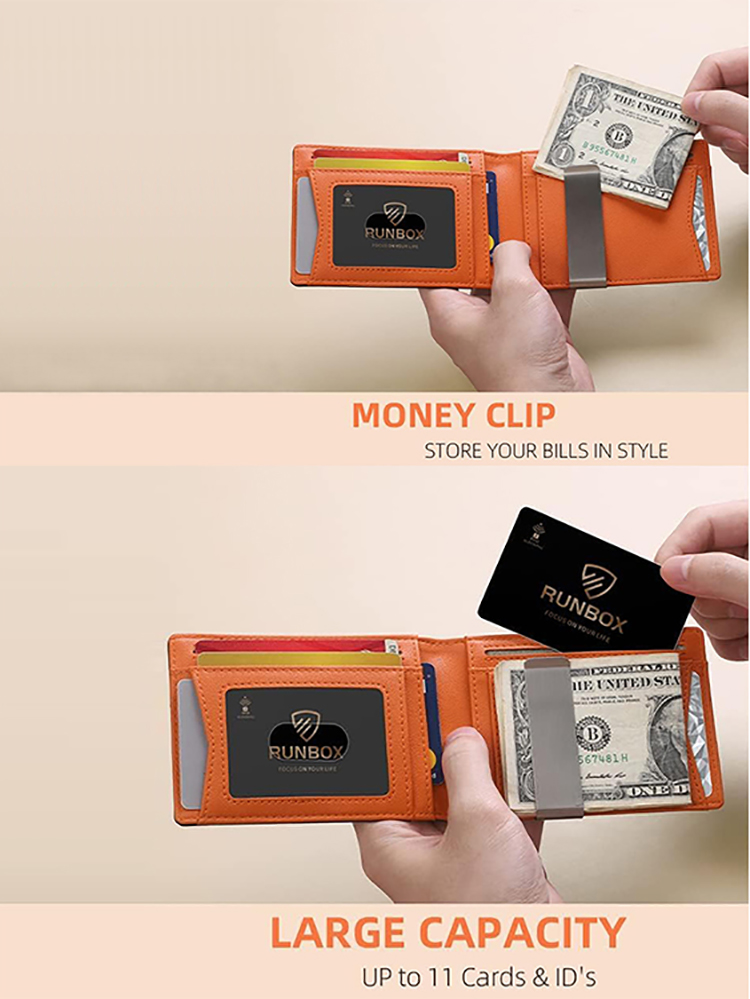
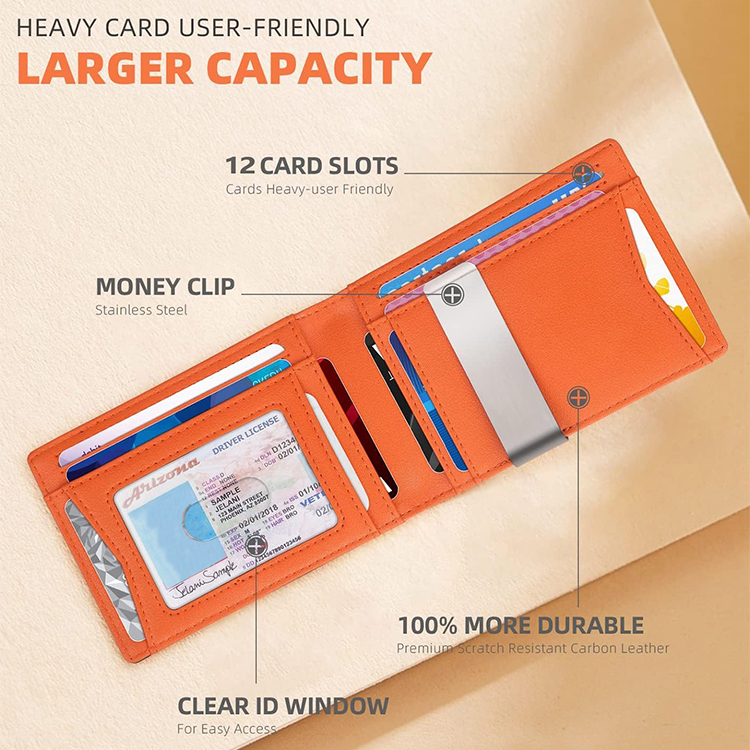
At Gstar Technology, we pride ourselves on our commitment to quality. Our wallets are crafted using the finest materials and techniques, ensuring that each product is built to last. Our skilled artisans bring years of experience to the table, resulting in genuine leather wallet craftsmanship that stands out in the market.
We offer OEM (Original Equipment Manufacturer) and ODM (Original Design Manufacturer) services, allowing businesses to create their own branded wallets. Our flexible production capabilities enable us to cater to various order sizes, from small batches to large-scale production runs.
For those who need wallets quickly, we also have a selection of wallets ready in stock. These wallets are crafted with the same attention to detail and quality as our custom options, providing a quick solution without compromising on style or durability.
Our efficient production processes and direct sourcing of materials allow us to offer competitive pricing without sacrificing quality. We believe that everyone should have access to high-quality leather wallets at reasonable prices.
At Gstar Technology, we prioritize customer satisfaction. Our dedicated support team is always available to assist you with any inquiries or concerns, ensuring a smooth and enjoyable shopping experience.
One of the primary benefits of leather wallets is their durability. High-quality leather can withstand daily wear and tear, making it a long-lasting investment. Unlike synthetic materials, leather develops a unique patina over time, enhancing its character and beauty.
Leather wallets exude a classic and sophisticated style that never goes out of fashion. Whether you prefer a minimalist design or a more elaborate style, leather wallets can complement any outfit and occasion.
When sourced responsibly, leather can be an eco-friendly choice. Many manufacturers, including Gstar Technology, prioritize sustainable practices in their production processes, ensuring that the leather used is ethically sourced and produced.
Leather wallets come in various styles, sizes, and designs, making them suitable for different needs. From bifold and trifold wallets to cardholders and money clips, there is a leather wallet for everyone.

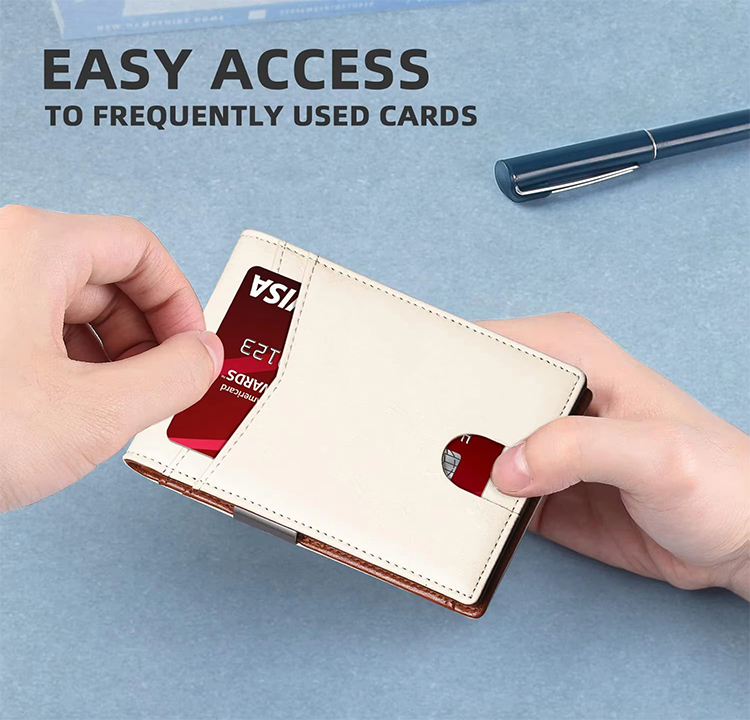
Creating a DIY leather wallet can be a rewarding experience. Here are some pros and cons to consider:
- Personal Touch: A DIY wallet allows you to create something unique that reflects your style.
- Learning Experience: Crafting your wallet can teach you valuable skills in leatherworking.
- Cost-Effective: Depending on the materials used, making your wallet can be more affordable than purchasing a high-end one.
- Time-Consuming: The process of making a wallet from scratch can take considerable time and effort.
- Skill Level: Without prior experience, achieving a professional finish may be challenging.
- Material Costs: High-quality leather and tools can be expensive, potentially offsetting savings.
Factory-made leather wallets, such as those produced by Gstar Technology, offer several advantages:
- Consistency: Factory production ensures uniform quality and design across all products.
- Expert Craftsmanship: Skilled artisans create factory-made wallets, resulting in a polished and professional finish.
- Time Efficiency: Purchasing a factory-made wallet saves time compared to making one yourself.
To ensure your leather wallet lasts for years, proper care is essential. Here are some tips for cleaning and maintaining your wallet:
- Regular Cleaning: Wipe your wallet with a soft, damp cloth to remove dirt and dust. Avoid using harsh chemicals that can damage the leather.
- Conditioning: Apply a leather conditioner every few months to keep the leather supple and prevent it from drying out.
- Avoid Water: Leather is not waterproof. If your wallet gets wet, dry it immediately with a soft cloth and allow it to air dry away from direct heat.
When not in use, store your leather wallet in a cool, dry place. Avoid leaving it in direct sunlight or in damp areas, as this can cause the leather to fade or warp.
In conclusion, understanding how to make a leather wallet involves appreciating the craftsmanship, materials, and custom options available. Whether you are looking for a handmade leather wallet guide or considering a DIY leather wallet vs factory made options, knowing the details can help you make an informed decision. Gstar Technology (Shenzhen) Co., Ltd. stands out as a premier choice for high-quality leather wallets, offering both custom and ready-made options to suit your needs. With our commitment to quality, competitive pricing, and exceptional customer service, we are your go-to custom leather wallet supplier.


Q1: What materials are best for making a leather wallet?
A1: The best materials include full-grain leather for durability and aesthetics, top-grain leather for a more uniform look, and genuine leather for affordability.
Q2: How long does it take to make a custom leather wallet?
A2: The production time for a custom leather wallet can vary, but it typically takes 2-4 weeks from design approval to completion.
Q3: What is the difference between OEM and ODM in leather wallet manufacturing?
A3: OEM refers to manufacturing products based on a client's specifications, while ODM involves creating products based on the client's design and branding.
Q4: Can I choose the color and design of my custom leather wallet?
A4: Yes, when you opt for a custom leather wallet, you can choose the color, design features, and materials to suit your preferences.
Q5: Are leather wallets worth the investment?
A5:Yes, leather wallets are durable, stylish, and can last for many years with proper care, making them a worthwhile investment.


