

Views: 216 Author: Princee Lee Publish Time: 03-03-2026 Origin: Princee Lee


Content Menu
>> Introduction
● What Is a Pop Up Metal Wallet?
>> Definition and core concept
>> How the “pop up” mechanism works
>> Common metals and composites
>> RFID and contactless protection
>> Access speed and ergonomics
● Advantages of Pop Up Metal Wallets
>> Rapid access
● Potential Drawbacks and Considerations
>> Price point
>> Mechanism wear and maintenance
>> Card limits and bending constraints
● How to Choose the Right Pop Up Metal Wallet
>> Testing in person vs. online
>> Troubleshooting common issues
● Popular Brands and Models (Examples)
>> Who benefits most from a pop up metal wallet?
● Final Considerations Before Buying
● Frequently Asked Questions (At least five Q&A)
Pop up metal wallets have become a popular choice for people who want a slim, durable, and fast-access solution for carrying cards and cash. These wallets combine precision-engineered metal components with clever ejector mechanisms to present cards with a quick push, making everyday transactions smoother and more efficient. Pop up metal wallets often emphasize minimalism, RFID protection, and robust materials like anodized aluminum or titanium.
In this guide you will find a deep dive into how pop up metal wallets work, what materials and mechanisms are common, their advantages and disadvantages, maintenance tips, a buying checklist, and brand examples to help you choose the right model for your needs. Several popular manufacturers and reviewers have shaped the category, and multiple modern designs emphasize speed, security, and style.
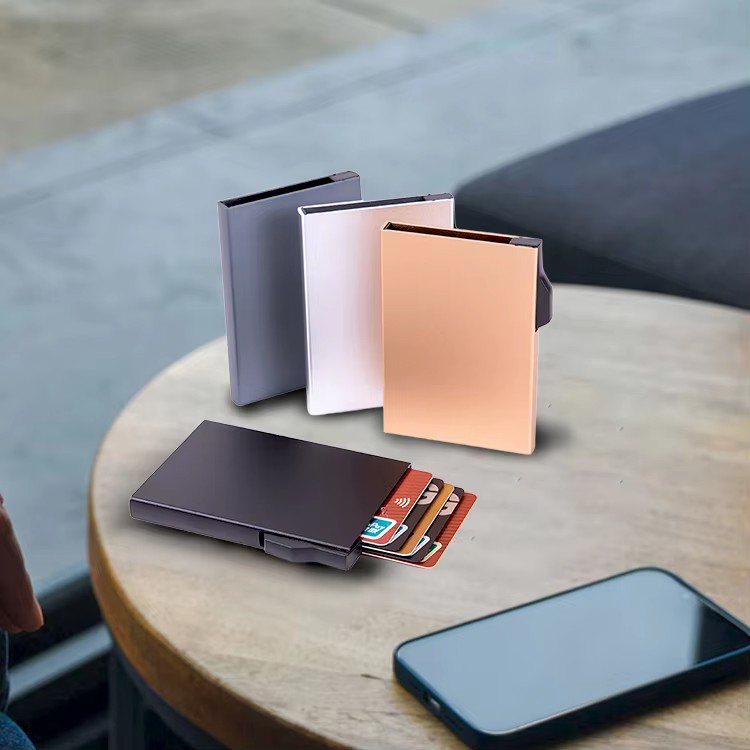
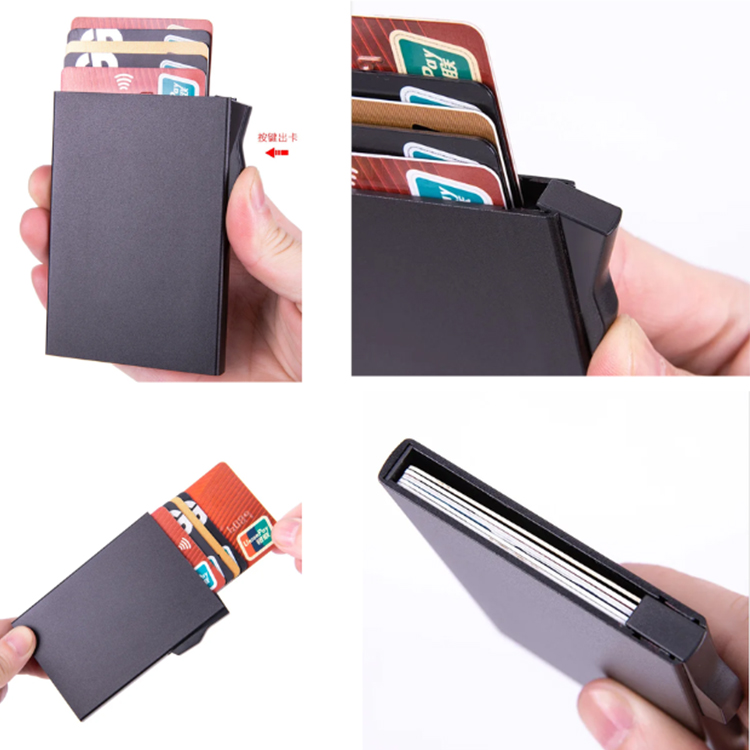
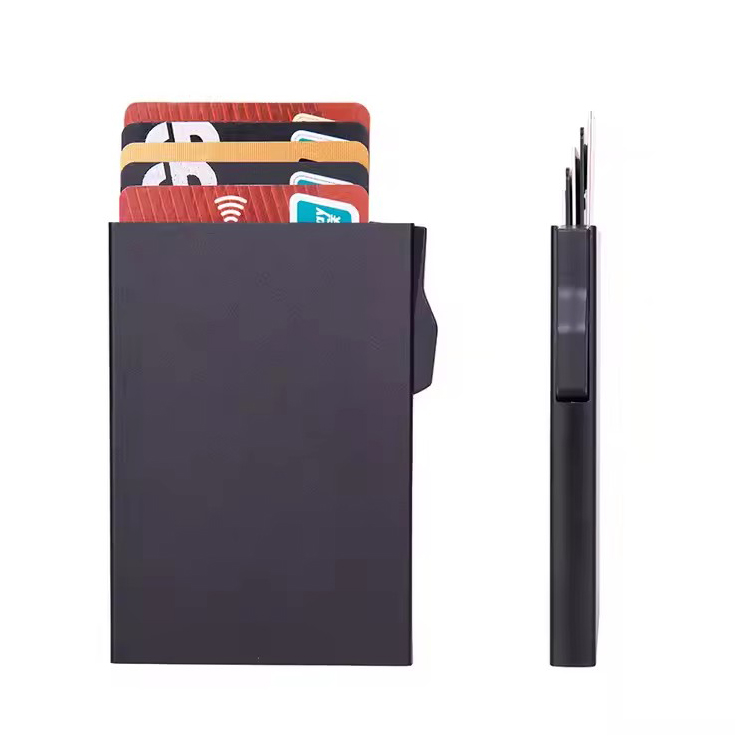
A pop up metal wallet is a compact cardholder that uses a rigid metal chassis and an internal ejector mechanism so that cards fan out or slide up for quick access when a release is activated. This design reduces bulk compared to traditional bifold wallets while keeping cards organized and secure.
Most pop up metal wallets rely on one of two common mechanisms: a spring-loaded plate that pushes cards upward when a button or slider is pressed, or a staggered tray that fans cards outward for selection after a release action. The ejector components are usually precision-machined to ensure smooth, repeatable action without jamming.
- Aluminum: Lightweight, corrosion-resistant, and easy to anodize in different colors; many slim pop up wallets use anodized aluminum for the body.
- Titanium: Stronger and more corrosion-resistant than aluminum, titanium offers premium durability and a distinctive feel, though at a higher cost.
- Carbon fiber and composite accents: Used for weight reduction and aesthetics; in carbon fiber models an RFID-blocker card may supplement signal protection.
- Leather or fabric sleeves: Many metal chassis are paired with leather or fabric sleeves to carry additional cards or cash and to soften the wallet's look and feel.
Anodizing, bead blasting, powder coating, and oil-filled engravings are common finishing techniques that affect texture, scratch resistance, and color longevity. Premium finishes not only enhance appearance but also protect the metal from wear.
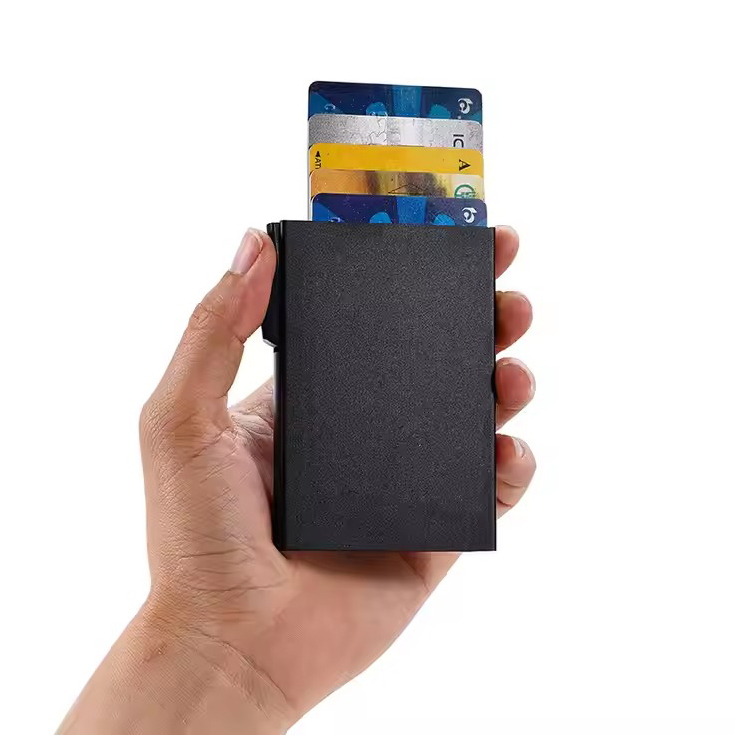

Pop up metal wallets vary in capacity from ultra-slim models that hold 4–6 cards to larger versions that accommodate 10–15 cards plus a cash strap or sleeve. Consider how many active payment cards you carry and whether you need a separate ID window or coin pocket.
Many metal pop up wallets offer inherent RFID blocking due to their metal plates, while some carbon-fiber or hybrid models include dedicated RFID-blocker elements to prevent unauthorized scanning of contactless cards. RFID protection is often marketed as a core selling point for modern pop up wallets.
The whole point of a pop up wallet is speed. Evaluate how quickly and reliably the ejector mechanism presents cards, whether it is ambidextrous, and if the release action is comfortable in typical pockets and during transactions. Smooth, quiet mechanisms are preferable for everyday use.
High-end pop up metal wallets are often backed by lifetime or multi-year warranties, and brands may offer repair or replacement programs for defects. Metal construction tends to outlast leather-only wallets, but mechanisms can suffer wear if low-quality materials are used.
The rigid metal frame and efficient card stacking allow pop up metal wallets to remain much slimmer than traditional wallets while still holding a respectable number of cards. Slim form factors mean less pocket bulge and greater comfort when carrying in a front pocket.
Users can present the correct card quickly without riffling through multiple slots, which speeds up point-of-sale transactions and reduces fumbling. The ejector mechanism is particularly useful for people who make frequent contactless payments.
A metal chassis provides physical card protection from bending and impacts, and many designs offer RFID blocking as a default. This combination protects both the physical cards and the data they contain.
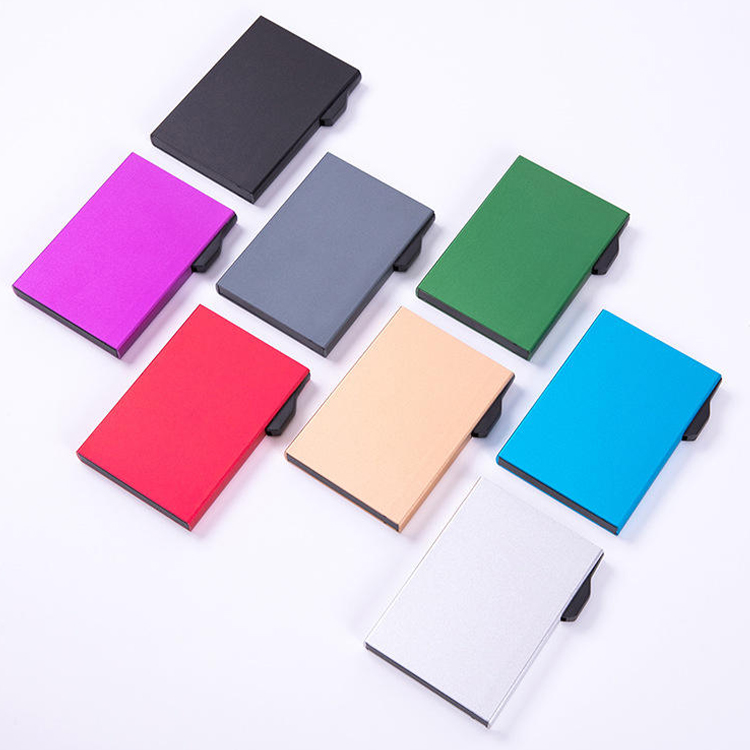
Metal wallets come in many finishes and modular configurations, letting users choose colors, engravings, and combinations of sleeve materials to match personal style. Some brands also offer replaceable parts or upgrades.
High-quality metal pop up wallets are typically more expensive than basic leather cardholders due to the cost of materials and precision machining. The premium options can be a significant investment.
Although many models are lightweight, metal still adds weight relative to a thin leather card sleeve, and the rigid shape can feel different in certain pockets. For users who prioritize absolute lightness, fabric or leather solutions may be preferable.
Moving parts can wear, especially if low-quality springs or sliders are used. Dust, lint, and debris can impede the ejector action over time, so periodic cleaning and careful use are recommended.
While the chassis protects cards from bending, overstuffing beyond the recommended capacity can stress the mechanism and deform cards or the wallet itself. Check manufacturer capacity specs.
- Capacity: Choose a model rated for your usual card count plus a small buffer.
- Material: Decide between aluminum for lightness, titanium for premium durability, or composites for a balance of weight and style.
- RFID needs: If protecting contactless card data is important, verify the wallet offers RFID blocking or includes a blocker card.
- Mechanism reliability: Look for reviews and warranties that highlight long-term mechanism performance.
- Finish and maintenance: Consider how the finish will age and whether the manufacturer provides replacement parts or service.
If possible, test the wallet in person to feel the ejector action and ensure it fits your pocket and hand comfortably. When buying online, prioritize sellers with generous return policies and clear warranty terms.
- Keep the wallet free of lint and debris by occasionally emptying and gently cleaning the interior.
- Avoid overstuffing to prevent stress on the mechanism and alignment of cards.
- If your model includes leather parts, condition them periodically with a suitable leather conditioner to prevent cracking and maintain flexibility.
- If cards stick or the ejector jams, remove all cards and test the mechanism; clean with compressed air and a soft brush, then retest with a single card before gradually increasing load.
- For loose screws or hardware, consult the manufacturer's instructions for proper tightening or seek professional repair to avoid voiding warranties.
- Ekster — Known for fast-access pop-up wallets and smart tracking integrations, Ekster produces several RFID-blocking aluminum cardholders designed for quick card ejection.
- Ridge — Ridge focuses on metal wallets in aluminum, titanium, and carbon fiber with modular designs and durable finishes.
- Fantom / Fantom Wallets — A range of ejector-style wallets available in various materials and capacities, often sold through mainstream marketplaces.
- Aviator — Premium German-made metal wallets offered in aerospace metals and carbon fiber, frequently paired with robust warranties.
- Proof / CarryProof — Brands combining aerospace-grade metal plates with leather and offering aggressive warranties and capacity options.
- Vulkit and emerging makers — Newer makers produce many styles and price points, often with unique add-ons like AirTag holders or multi-function clips.
Reviewers and roundups generally praise pop up metal wallets for speed and durability while pointing out that mechanism quality and customer service separate the best brands from the rest. Video reviews and comparative lists often highlight specific models for capacity, feel, and long-term reliability.
- Commuters and urban professionals who make frequent contactless payments and appreciate front-pocket carry.
- Travelers who want secure, RFID-protected card storage and a compact footprint.
Those who carry many paper receipts, coins, or large stacks of loyalty cards may find pop up metal wallets too limited without additional accessories like a coin pouch or larger sleeve.
- Verify capacity and compatible card types.
- Confirm the presence and method of RFID protection.
- Check warranty length and support policies.
- Read hands-on reviews focusing on mechanism longevity.
- Decide on materials and finishes that match your lifestyle and budget.
Q1: What is the main advantage of a pop up metal wallet over a traditional bifold?
A1: The main advantage is rapid, one-handed card access combined with a significantly slimmer profile and better physical protection for cards.
Q2: Do pop up metal wallets block RFID signals?
A2: Many metal pop up wallets inherently block RFID because of their metal plates, while some hybrid or carbon-fiber models include dedicated RFID-blocker elements.
Q3: How many cards can a typical pop up metal wallet hold?
A3: Typical capacities range from 4–6 cards for ultra-slim models up to 10–15 cards for beefier designs, sometimes with additional external slots or sleeves for cash and ID.
Q4: Are pop up metal wallets safe to carry with an ID or driver's license?
A4: Yes, they are safe for IDs; however, frequent handling can cause abrasion to printed surfaces over long periods, so use protective sleeves if needed.
Q5: Can the ejector mechanism fail, and is it repairable?
A5: Mechanisms can wear or jam if overloaded or if debris accumulates; many brands offer warranties or repair services, and simple cleaning can often restore function.
Q6: Are pop up metal wallets allowed at airport security?
A6: Yes, they are allowed; however, if the wallet contains a TSA lock or large metal plates that set off detectors, be prepared to remove it if asked.
Q7: Do metal wallets damage contactless cards?
A7: No, a properly designed metal wallet will not damage cards; it may block wireless signals while stored, but normal use outside the wallet keeps the card functional.


