

Views: 256 Author: Princee Lee Publish Time: 03-06-2026 Origin: Princee Lee


Content Menu
>> The Rise of Minimalist Everyday Carry (EDC)
>> Understanding the Pop Up Card Holder Wallet
>> Key Benefits of Switching to a Pop Up Wallet
>>> RFID Protection and Data Security
>>> Ergonomics and Pocket Health
>> Comparing Popular Styles and Features
>>> Leather-Wrapped Hybrid Designs
>>> Smart Features and Tracking
>> How to Choose the Perfect Pop Up Wallet for Your Lifestyle
>> The Future of Pocket Organization
>> Conclusion
>> Related Questions and Answers
The concept of "Everyday Carry" or EDC has transformed significantly over the last decade. Historically, a man's wallet was a bulky, leather bifold stuffed with old receipts, expired coupons, and a thick stack of rarely used business cards. This "Costanza wallet" was not just an aesthetic eyesore; it was a physical burden, often leading to lower back pain due to spinal misalignment when sitting. As our society has moved toward a cashless and increasingly digital economy, the necessity for such massive storage has dwindled.
The modern professional, traveler, and minimalist now prioritize efficiency, security, and a slim profile. This shift gave birth to the minimalist wallet movement, but the true pinnacle of this evolution is the pop up card holder wallet. Unlike traditional sleeves that require pinching and pulling to extract a specific card, the pop-up mechanism introduces a level of mechanical sophistication and tactile satisfaction that fits perfectly into the high-tech lifestyle of the 21st century. This article explores the intricate details, benefits, and technical aspects of these innovative pocket companions.
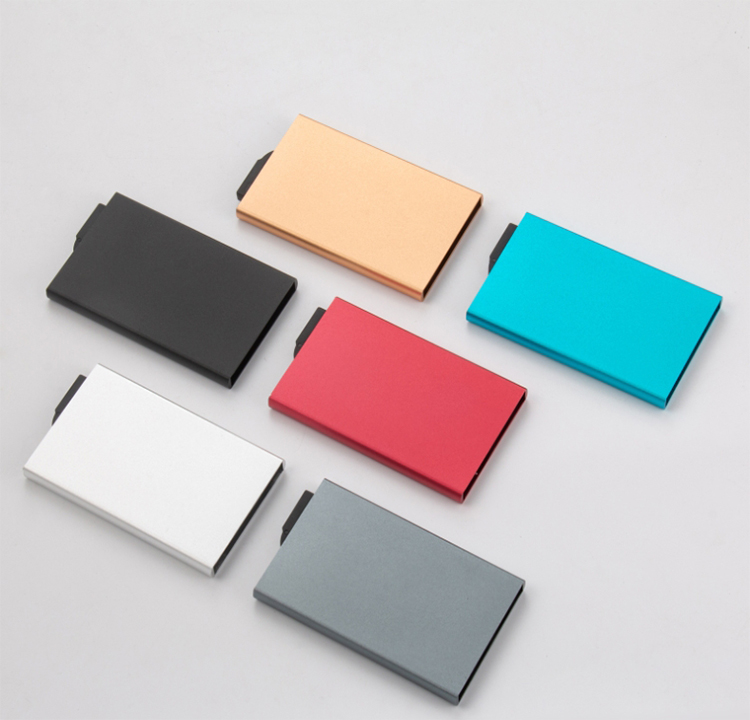
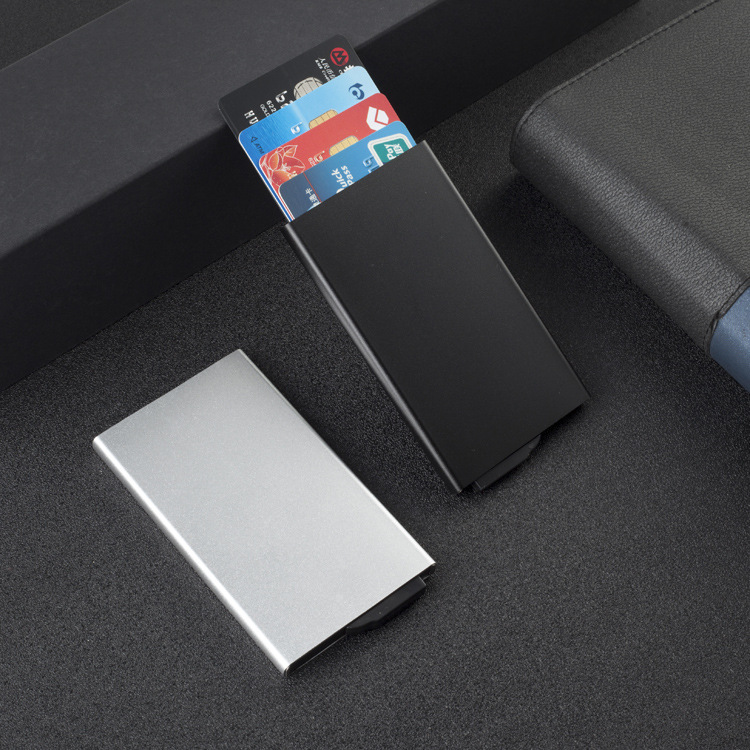
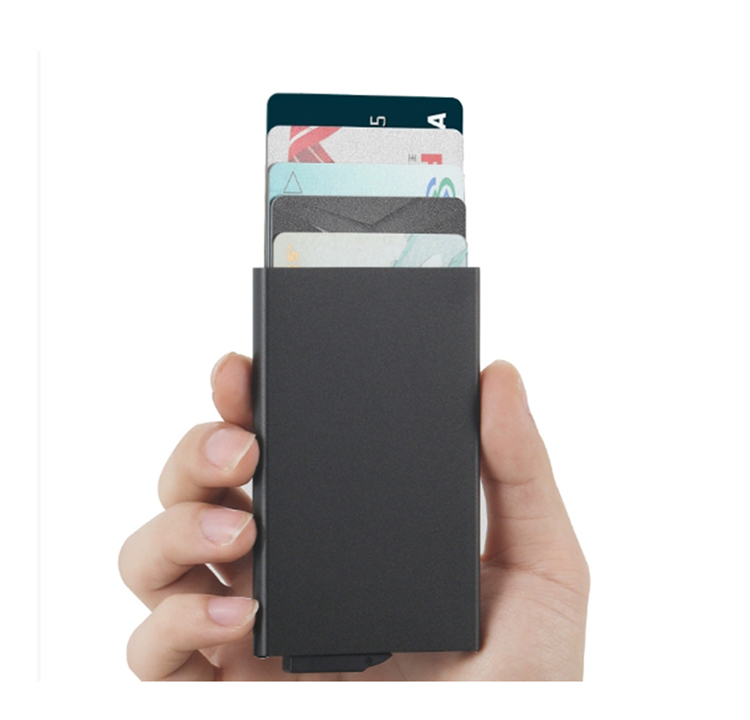
At its core, a pop up card holder wallet is a specialized card case—usually crafted from rigid materials like aluminum or titanium—equipped with a mechanical trigger. When the trigger is engaged, the cards are ejected in a tiered, fan-like fashion, allowing the user to see and select the exact card they need in a fraction of a second.
The "magic" of the pop-up wallet lies in its internal engineering. Most high-quality pop-up wallets utilize a combination of precision springs and a stepped floor design. Inside the metal chamber, the bottom surface is not flat; instead, it features tiny steps or a slanted platform. When you pull the lever or push the button at the base of the wallet, a pusher plate moves upward.
Because of the stepped design, the cards are pushed at slightly different heights. This creates the "cascading" effect where the back card sits the highest and the front card the lowest. High-end models often include friction pads or silicone strips along the inner walls to ensure that cards do not fall out even if the wallet is held upside down and shaken. The tension is carefully calibrated to hold a single card as securely as a full load of five or six cards.
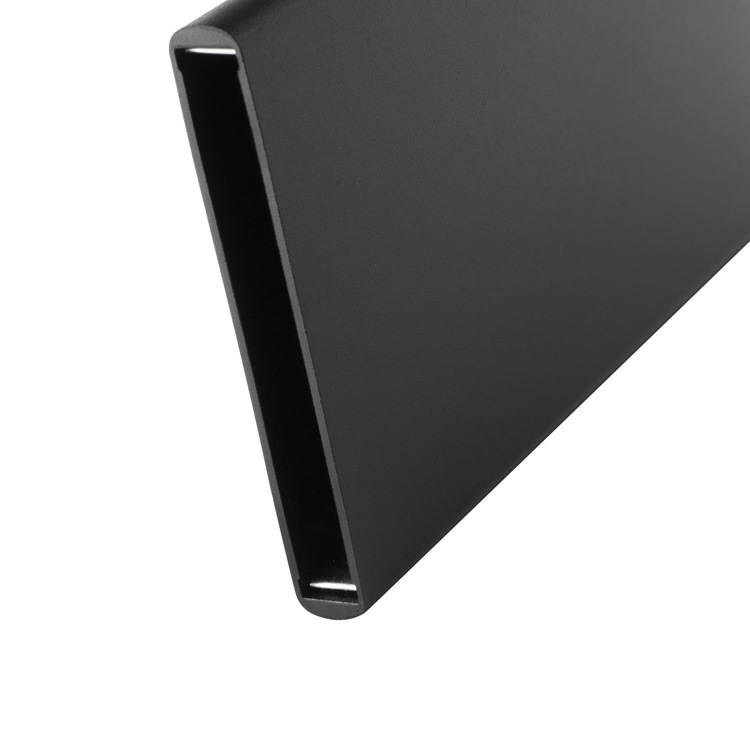
While traditional wallets rely on the flexibility of leather, pop up card holders rely on the structural integrity of metals and polymers. Aerospace-grade aluminum is the most common material due to its incredible strength-to-weight ratio. It provides a rigid shell that prevents cards from bending or cracking—a common issue with leather bifolds kept in back pockets.
For those who crave luxury, many brands offer "hybrid" designs. These feature the aluminum card chamber at the center, wrapped in premium full-grain or top-grain leathers. This provides the tactical efficiency of a pop-up mechanism with the classic feel and "patina" potential of traditional leather goods. More modern iterations use carbon fiber, which offers a futuristic aesthetic and even higher durability, or forged composites that provide unique marbled patterns for a custom look.
The transition from a traditional wallet to a pop-up model isn't just about style; it's about a fundamental upgrade in how you interact with your most essential tools.
In a world where time is the ultimate currency, the speed of a pop-up wallet is its greatest selling point. Imagine standing at a crowded coffee shop or a busy subway turnstile. Instead of fumbling through multiple leather slots or struggling to pull a card out of a tight elastic band, you simply flick a switch with your thumb. The cards fan out instantly. You grab the one you need, tap or swipe, and slide it back in. This entire process often takes less than three seconds. This "one-handed" operation is a game-changer for people on the go, especially when the other hand is occupied with a phone, a bag, or a cup of coffee.
As technology has advanced, so have the methods of thieves. Electronic pickpocketing, or RFID skimming, involves using a handheld scanner to read the data from the RFID chips in your credit cards and passports from a distance. Because pop up card holders are primarily made of metal (aluminum or titanium), they act as a natural Faraday cage.
The metal shell blocks the electromagnetic signals used by scanners, making it impossible for someone to steal your information while the cards are inside the wallet. While the actual risk of RFID skimming is a topic of debate among security experts, having a hardware-level shield provides peace of mind that no leather wallet can offer without specialized (and often bulky) internal linings.
Physiotherapists have long warned against the "fat wallet syndrome." Sitting on a thick bifold for hours a day causes the pelvis to tilt, which in turn causes the lower spine to curve unnaturally. This can lead to chronic sciatica and back pain.
A pop up card holder is designed for the front pocket. Because it is rigid and slim, it occupies significantly less volume than a traditional wallet. Moving your wallet to the front pocket not only saves your back but also makes you a much harder target for physical pickpockets. The slim profile also ensures that your silhouette remains clean, preventing the unsightly "pocket bulge" that can ruin the look of a well-fitted pair of trousers or a suit.
Not all pop-up wallets are created equal. Depending on your specific needs, you might gravitate toward different configurations.
The "naked" aluminum card holder is the purest form of the pop-up wallet. These are typically the thinnest options available, often measuring less than 10mm in thickness. They are ideal for the true minimalist who only carries cards and perhaps uses a digital wallet for everything else. Some models include a simple elastic band or a metal money clip on the exterior to hold a few emergency banknotes.
For those who aren't ready to give up the look of leather, the hybrid pop-up wallet is the perfect compromise. These designs usually feature a bifold or trifold leather cover that snaps around the metal card chamber. This adds extra storage for items that don't fit in the pop-up section, such as an ID card with a transparent window, a few extra "backup" cards, or a dedicated cash compartment. Despite the extra layers, these remain significantly slimmer than traditional wallets because the core card stack is compressed within the metal box.
The latest frontier in pop-up wallet design is the integration of "smart" technology. Several leading brands now offer wallets with dedicated slots for tracking devices like the Apple AirTag or proprietary Bluetooth trackers. These trackers are often ultra-thin and solar-powered, ensuring that you can find your wallet using your smartphone if it ever goes missing. Some high-end models even feature built-in magnets that are compatible with MagSafe technology, allowing the wallet to snap directly onto the back of an iPhone.

When selecting a pop up card holder wallet, consider the following factors to ensure it meets your daily requirements:
1. Card Capacity: Most pop-up mechanisms hold between 4 and 6 cards. If you carry more than that, look for a "double-chamber" model or a hybrid design with extra leather slots. Remember that embossed cards (with raised numbers) take up more space than flat cards.
2. Trigger Type: Triggers can be bottom-mounted levers, side-mounted sliders, or thumb-push buttons. Test the ergonomics of the trigger; it should feel smooth and require enough force that it won't accidentally deploy in your pocket, but not so much that it's difficult to use.
3. Cash Management: If you live in a region where cash is still king, a simple card holder might be frustrating. Look for models with a high-quality money clip or a "cash strap." Some hybrid wallets have a traditional billfold section that can hold unfolded notes.
4. Aesthetic Preference: Choose a finish that matches your other EDC items. If you carry a titanium pen and a silver watch, a matte silver aluminum wallet will complete the look. If you prefer a rugged aesthetic, look for "distressed" leather or "battle-worn" metal finishes.
One of the misconceptions about mechanical wallets is that they are prone to breaking. While any mechanical device has a "point of failure," high-quality pop-up wallets are tested for tens of thousands of cycles. To ensure yours lasts a lifetime, follow these simple maintenance tips:
* Avoid Overloading: Forcing a 7th card into a 6-card chamber can strain the spring and the pusher plate. This is the most common cause of mechanism failure.
* Clear Debris: Occasionally, pocket lint or grit can find its way into the chamber. Use a can of compressed air to blow out the mechanism every few months to keep the movement smooth.
* Leather Care: If you have a hybrid model, treat the leather with a high-quality conditioner once or twice a year to prevent it from drying out and cracking.
* Check Screws: If your wallet uses external screws (common in carbon fiber models), check them periodically to ensure they haven't loosened from the vibrations of daily movement.
As we look toward the future, the pop up card holder wallet is likely to become even more integrated into our digital lives. We may see biometric locks where the cards only pop up after a fingerprint scan, or wallets with integrated NFC chips that act as a programmable digital business card.
However, even in its current form, the pop-up wallet represents a masterpiece of functional design. It solves the problems of the past—bulk, clutter, and back pain—while preparing us for a future of fast, secure, and stylish transactions. Whether you are a tech enthusiast, a frequent traveler, or simply someone looking to declutter their life, the pop up card holder wallet is an investment in your daily efficiency.
The evolution of the wallet from a simple leather pouch to a mechanical pop-up card holder reflects our broader societal shift toward minimalism and speed. By combining advanced materials like aerospace aluminum and carbon fiber with precision-engineered mechanisms, these wallets offer a superior user experience. They provide essential security through RFID blocking, protect your physical health by moving storage to the front pocket, and offer a level of convenience that traditional wallets simply cannot match. While the transition might require you to audit your cards and leave the old receipts behind, the result is a lighter, faster, and more secure way to carry your world.

Q1: Will the cards fall out of a pop-up wallet if I drop it?
A1: Most reputable pop-up wallets use internal silicon or friction strips that grip the cards securely. Even if the wallet is dropped or held upside down, the cards typically remain in place. The mechanism is designed to only release the cards when the trigger is intentionally engaged.
Q2: Do pop-up wallets damage the magnetic strips or chips on my cards?
A2: No. The internal components are designed to be smooth and non-abrasive. The fanning action prevents the cards from rubbing against each other with significant force, which can actually help preserve the cards better than a traditional leather slot where cards are tightly packed and constantly subjected to friction.
Q3: Can I carry metal credit cards in a pop-up wallet?
A3: Yes, but with caution. Metal cards are thicker and heavier than plastic cards. Most mechanisms can handle them, but they may reduce the total number of cards you can fit in the chamber (e.g., you might only fit 4 cards instead of 6). Some manufacturers recommend placing metal cards at the back of the stack for the best mechanical performance.
Q4: Is RFID blocking actually necessary?
A4: While the actual frequency of RFID skimming crimes is relatively low compared to online data breaches, it is a real vulnerability. Most pop-up wallets include RFID blocking as a standard feature of their metal construction, providing an extra layer of "passive" security at no extra cost or bulk to the user.
Q5: What happens if the pop-up mechanism breaks?
A5: Higher-end brands often offer warranties ranging from two years to a lifetime. If a mechanism fails due to a manufacturing defect, it can often be repaired or replaced. However, choosing a brand known for rigorous testing—sometimes up to 100,000 clicks—will minimize the chance of ever facing this issue.


