

Views: 289 Author: Princee Lee Publish Time: 03-06-2026 Origin: Princee Lee


Content Menu
>> Introduction: The Dawn of the Minimalist Carry
>> The Evolution of the Wallet: From Bulky Bifolds to Metal Minimalism
>> Material Science: Why Aluminum is the Superior Choice
>>> Corrosion Resistance and Longevity
>> Core Security: The Power of RFID Protection
>> The Mechanics of Accessibility: Pop-Up vs. Fan Designs
>>> The Fan and Sandwich Designs
>> Pocket Ergonomics and the Lifestyle of EDC
>> Aluminum vs. Traditional Leather: A Comprehensive Comparison
>> Sustainability: The Environmental Case for Metal
>> Aesthetic and Modularity: Making it Your Own
>> Practical Maintenance and Care Tips
>> The Future of the Smart Wallet
>> Conclusion: Why You Should Make the Switch
>> Related Questions and Answers
In an era defined by digital transformation and the relentless pursuit of efficiency, the way we carry our most essential tools—our identity and our currency—is undergoing a radical shift. For decades, the thick, overstuffed leather bifold was a symbol of adulthood, a pocket-bound filing cabinet filled with faded receipts, loose change, and a dozen plastic cards. However, as the world moves toward a cashless society and contactless payments become the norm, the "dad wallet" has become a relic of a bygone age. Enter the lightweight aluminum slim card wallet, a sleek, precision-engineered alternative that prioritize security, durability, and a minimalist footprint. This transition is not merely a fashion trend; it is a fundamental reconfiguration of the "Everyday Carry" philosophy, driven by advancements in material science and a global movement toward living with less.
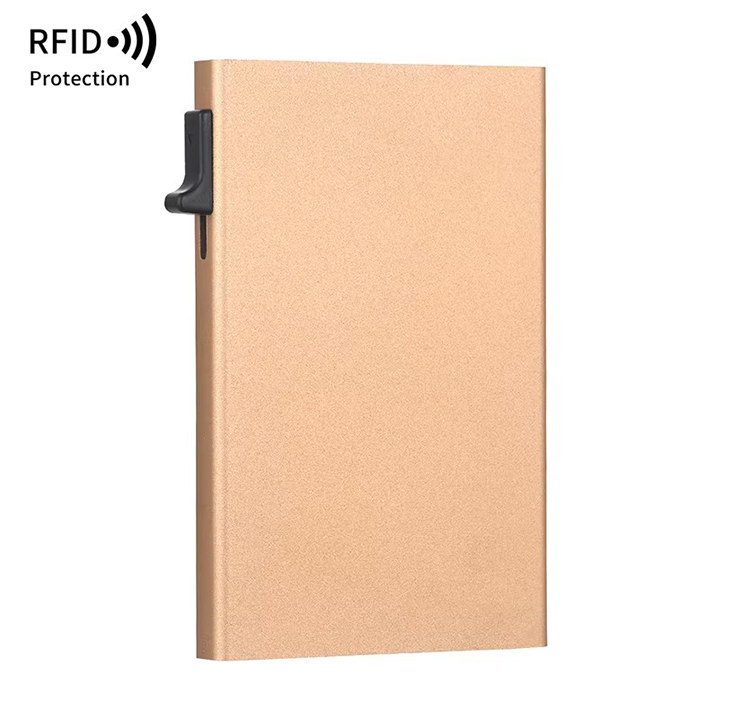
The history of the wallet is a history of currency. From the simple leather pouches used to carry coins in ancient Greece to the complex folding designs necessitated by the invention of paper money, the wallet has always adapted to the medium it protects. The traditional bifold and trifold wallets were designed for a world where cash was king. They featured deep pockets for bills and hidden compartments for documents. But in the 21st century, the primary items in our pockets are rigid plastic or metal cards.
The "bulky wallet" problem is more than just an aesthetic issue. Orthopedists have long warned that sitting on a thick wallet in a back pocket can cause spinal misalignment and sciatic nerve pain, a condition often jokingly referred to as "wallet-itis." The aluminum slim card wallet solves this by moving the carry to the front pocket. By utilizing the rigidity of metal, designers have created wallets that are no larger than the credit cards they hold, effectively eliminating wasted space and providing a more ergonomic experience for the modern professional.
When discussing metal wallets, aluminum is the undisputed champion of the minimalist world. Specifically, high-grade alloys like 6061-T6 aluminum—often used in aerospace and automotive engineering—provide the perfect balance of strength and weight.
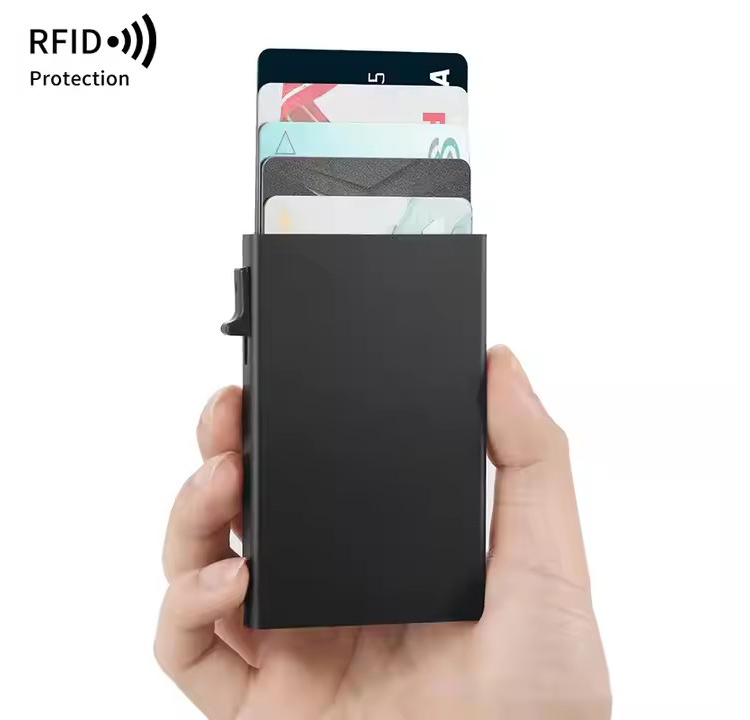
Aluminum is roughly one-third the weight of steel, yet it offers incredible structural integrity. A lightweight aluminum slim card wallet can weigh as little as two ounces while being able to withstand hundreds of pounds of pressure. This means that unlike a leather wallet, which stretches and deforms over time, an aluminum wallet maintains its shape for a lifetime. It protects the cards inside from bending or cracking, even if you are an active individual who puts their gear through rigorous daily use.
Leather is a biological material that is susceptible to moisture, sweat, and environmental degradation. It requires regular conditioning and eventually frays or tears. Aluminum, on the other hand, naturally forms a protective oxide layer that prevents rust and corrosion. Most premium slim wallets are further enhanced with an anodized finish, which not only provides a wide range of vibrant colors but also hardens the surface, making it resistant to scratches and wear.
One of the most compelling reasons for the shift toward aluminum wallets is the rising threat of electronic pickpocketing. Modern credit cards and passports often use Radio Frequency Identification (RFID) technology to allow for contactless transactions. While convenient, this technology can be exploited by malicious actors using handheld "skimmers" to capture your sensitive data without ever touching your wallet.
Aluminum is naturally conductive, which allows it to act as a "Faraday cage." When your cards are encased in a metal shell, the wallet blocks the electromagnetic signals required by RFID readers to communicate with the chips in your cards. This inherent security feature is something leather or fabric wallets cannot offer without the addition of specialized, often fragile, blocking layers. With an aluminum slim wallet, your data is physically shielded behind a wall of metal, providing peace of mind in crowded subways, airports, and public spaces.
The genius of the lightweight aluminum slim card wallet lies not just in its materials, but in its engineering. Since metal does not stretch, designers had to invent clever mechanisms to make accessing cards easier than digging through a leather pocket.
The most popular design in the current market is the pop-up or ejector wallet. These devices feature a small lever or button at the base. With a simple flick of the thumb, the internal mechanism fans out the cards in a tiered, cascading fashion. This allows the user to see every card at a glance and pluck the one they need in a matter of seconds. The tactile click of these mechanisms has become a hallmark of the premium metal wallet experience, offering a level of interaction that leather simply cannot match.
Other designs utilize tension, either through elastic bands or spring-loaded plates, to create a "sandwich" for your cards. Users can use their thumb to slide the cards upward and fan them out manually. While slightly less "high-tech" than the pop-up lever, these designs are often even slimmer and have fewer moving parts, making them incredibly durable for those who prioritize simplicity.
The "Everyday Carry" community has embraced the aluminum slim wallet as a cornerstone of the modern kit. For the EDC enthusiast, every item in the pocket must serve a purpose and do so efficiently.

The slim profile of an aluminum wallet—typically less than half an inch thick even when full—makes it ideal for the front pocket. Carrying your wallet in the front is significantly more secure against traditional pickpocketing and, as mentioned previously, much better for your posture. It also allows for a cleaner silhouette in tailored clothing, removing the unsightly "pocket bulge" that can ruin the lines of a suit or slim-fit jeans.
Transitioning to a slim card wallet forces a healthy decluttering process. You are limited to the essentials—usually 6 to 12 cards and a small amount of cash. This encourages a "digital-first" mindset, moving loyalty cards to smartphone apps and digitizing receipts, leading to a more organized and less stressful lifestyle.
While leather has a classic appeal and a "patina" that develops over time, the advantages of aluminum in a modern context are difficult to ignore.
* Durability: A leather wallet typically lasts 2 to 5 years before looking worn out. A high-quality aluminum wallet is a "buy it for life" item that can last decades.
* Protection: Metal prevents card breakage and electronic theft; leather offers neither.
* Size: Aluminum wallets are fixed in size, staying slim regardless of how long you own them. Leather wallets tend to stretch and grow bulkier as they age.
* Maintenance: Leather requires cleaning and conditioning; aluminum requires nothing more than an occasional wipe with a damp cloth.
In an era where sustainability is a global priority, the environmental impact of our accessories matters. While leather is often touted as a natural material, the tanning process is chemically intensive and has a significant ecological footprint. Furthermore, the short lifespan of a leather wallet leads to more frequent replacement and waste.
Aluminum is one of the most recyclable materials on the planet. Producing a wallet from recycled aluminum requires 95% less energy than creating it from raw ore. Because an aluminum wallet is designed to last a lifetime, it effectively reduces the cycle of consumption and waste. Choosing a durable metal wallet is an investment in both personal efficiency and environmental responsibility.

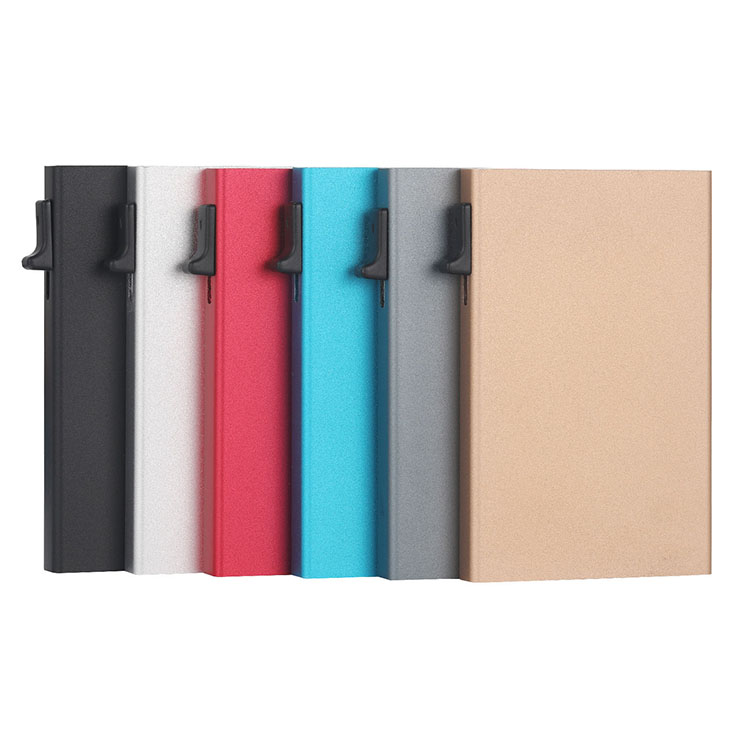
Modern aluminum wallets are far from the industrial "bricks" they used to be. Today, they are available in an array of finishes, from matte black and space gray to vibrant emeralds and deep burgundies. Some manufacturers even offer modular components.
For those who still need to carry physical currency, many aluminum wallets come with integrated money clips or elastic cash straps on the exterior. Others feature expandable backplates that can accommodate extra cards or specialized tools like bottle openers or multi-tool inserts. The integration of tracker technology, such as AirTag holders, ensures that even if the wallet is misplaced, it can be found instantly using a smartphone.
To ensure your lightweight aluminum slim card wallet stays in peak condition for years, a little maintenance goes a long way.
1. Cleaning the Mechanism: For pop-up wallets, occasional lint from your pockets can enter the mechanism. A quick blast of compressed air is usually enough to clear it.
2. Surface Care: If your wallet has an anodized finish, a microfiber cloth will remove fingerprints and oils. For those who want an extra layer of protection, a tiny amount of automotive wax can help maintain the luster and prevent minor oxidation.
3. Elastic Replacement: If your wallet uses elastic bands, check them once a year. Most reputable brands sell replacement bands, making the wallet easily repairable rather than replaceable.
Looking ahead, the aluminum wallet is poised to become even more integrated into our digital lives. We are already seeing the emergence of biometric metal wallets that require a fingerprint to eject cards, as well as wallets with built-in Bluetooth tracking and solar-powered charging. As the physical and digital worlds continue to merge, the aluminum wallet will serve as the secure hub for our most sensitive credentials.

The shift to a lightweight aluminum slim card wallet is more than just a change in pocket jewelry; it is a commitment to a more streamlined, secure, and modern way of life. By choosing a tool that leverages aerospace-grade materials and precision engineering, you are protecting your data, your physical health, and the environment. In a world that is moving faster than ever, having a wallet that keeps pace with technology and fashion while offering "buy it for life" durability is not just a luxury—it is a necessity for the modern individual.
Q1: How many cards can a typical aluminum slim wallet hold?
A1:Most aluminum slim wallets are designed to hold between 6 and 12 cards. Pop-up mechanisms usually accommodate 5 to 7 cards internally, while additional cards can often be held in expandable exterior compartments or under a cash strap.
Q2: Will an aluminum wallet scratch my credit cards?
A2:High-quality aluminum wallets are designed with smooth internal tracks or protective coatings to prevent scratching. While minor surface wear on cards can occur over years of use due to friction, it is generally much less damaging than the bending and cracking that happens in soft leather wallets.
Q3: Does the RFID blocking interfere with my phone's signal or wireless charging?
A3:No. Because the wallet is a separate object, it only blocks signals for the cards contained within its metal shell. It will not affect your smartphone's GPS, cellular signal, or wireless charging capabilities, even if they are in the same pocket.
Q4: Can I carry coins in an aluminum slim card wallet?
A4:Most minimalist aluminum wallets are not designed for coins, as they prioritize a thin profile. However, some modular designs offer a small "coin tray" or zip-pouch attachment for those who still need to carry loose change occasionally.
Q5: Is a metal wallet allowed through airport security?
A5:Yes, but you will need to remove it from your pocket and place it in the bin with your other electronics and metallic items, just as you would with a phone or watch. It does not pose any legal issues for air travel.


