
Views: 223 Author: Princee Lee Publish Time: 03-04-2026 Origin: Princee Lee


Content Menu
>> Introduction
>> Definition and basic function
● Why Collectors Use Bumper Guards
>> Protection and preservation
>> Aesthetic and display enhancement
>> Resale and presentation value
● Compatibility: PSA vs BGS Slabs
>> Understanding slab differences
>> Fit and sizing considerations
● Types of Bumper Guards and Their Pros & Cons
>> Soft TPU and silicone bumpers
>> Hybrid systems (shell + inner bumper)
● How to Choose the Right Bumper Guard for PSA BGS
>> Buying tips
>> Installation steps (general)
● Pros and Cons: A Balanced View
>> Advantages
>> Limitations
● Alternatives and Complementary Products
>> Slab cases and display boxes
>> Soft sleeves and top loaders
>> Magnetic holders and frames
● Best Practices for Collectors
>> Misconception: Bumpers prevent all damage
>> Misconception: One size fits all
>> Misconception: Bumpers are unnecessary for stored cards
- Core idea: Bumper guards are a popular, easy-to-use accessory that adds an extra layer of protection and presentation to graded trading cards housed in PSA and BGS slabs.
- Purpose of this guide: This article explains what bumper guards are, why collectors use them, how they work with PSA and BGS slabs, how to choose the right product, installation and care tips, pros and cons, and answers common questions collectors have.
A bumper guard is an external protective frame or sleeve designed to fit around a graded card slab. Its main function is to shield the slab's edges and corners from impacts, scratches, and chips during handling, storage, or transport. Bumper guards are typically made from flexible or semi-rigid materials that absorb shock and provide a non-slip gripping surface.
- Soft TPU or silicone frames: These flexible bumpers slide over the slab's perimeter and cushion corners against drops and knocks.
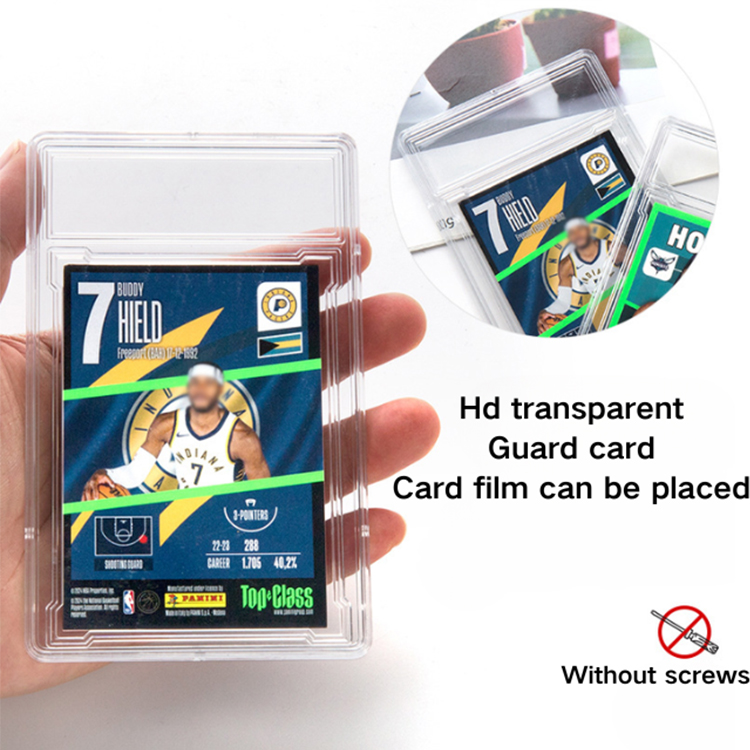
- Acrylic sleeves or shells: Harder outer shells usually pair with inner padding for added rigidity and display clarity.
- Aluminum or metal frames: Premium options that provide a rigid exterior and aesthetic customization for display purposes.
- Hybrid designs: Combinations of hard outer shells and soft internal bumpers provide both shock absorption and structural protection.
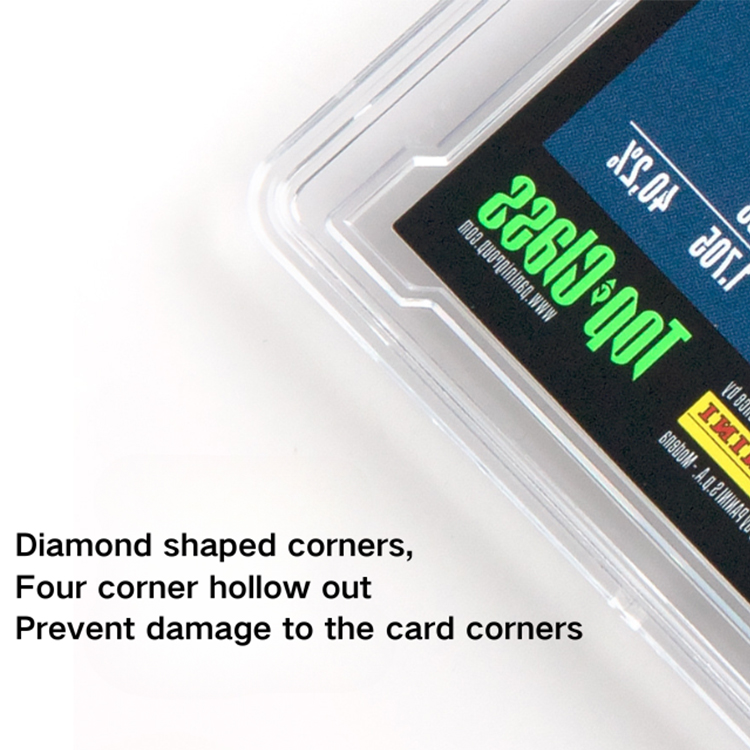
- Corner reinforcement: Extra material at slab corners to prevent chips.
- Raised edges: Keep slabs from lying flat on surfaces and reduce scratch risk.
- Snug fit: Designed for specific slab formats to prevent slipping.
- Display aesthetics: Color, finish, or metallic trims enhance presentation.
- Stacking-friendly surfaces: Many bumpers allow safer stacking by adding consistent spacing between slabs.
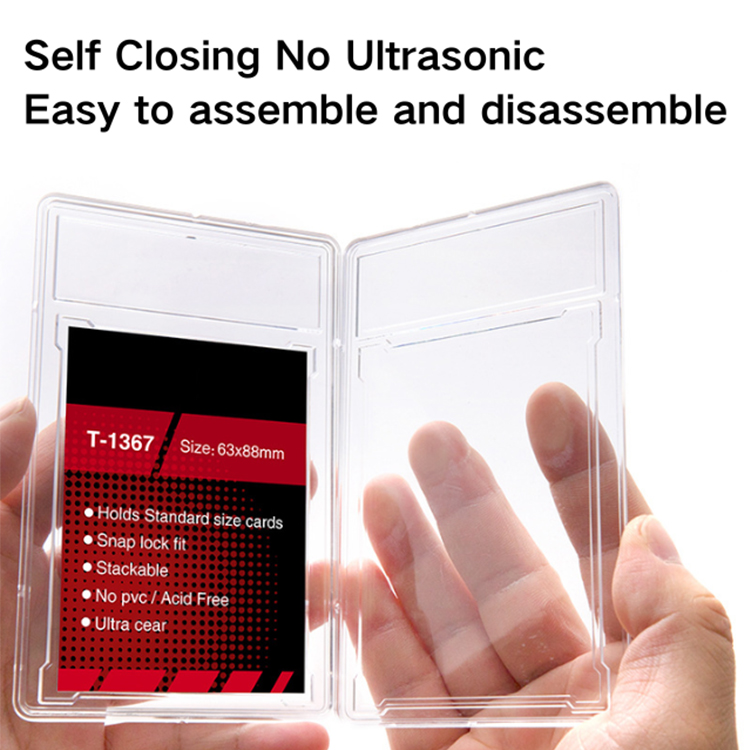
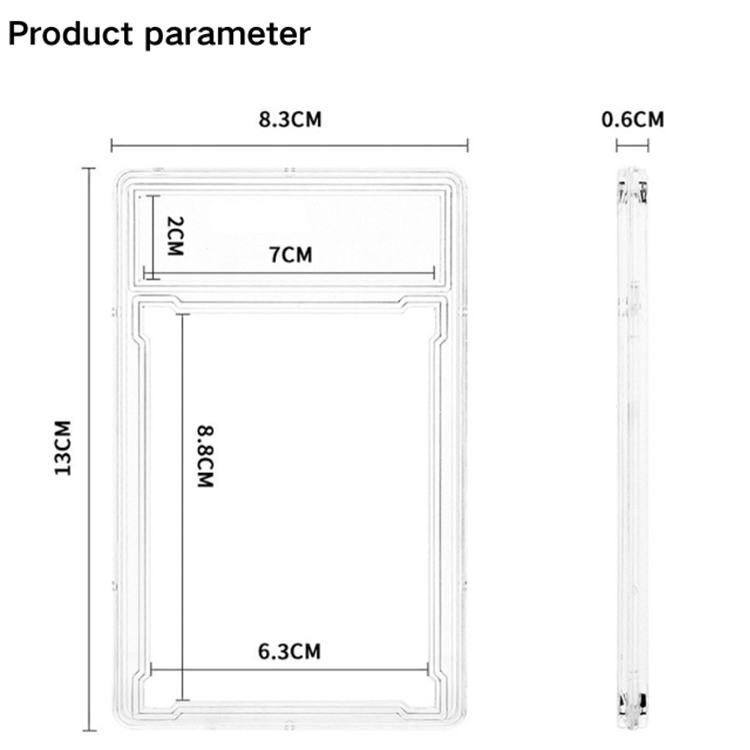
Collectors add bumper guards to reduce the risk of chips, cracks, and edge wear, especially for high-value cards. The additional physical barrier helps when cards are transported, handled frequently during shows or photos, or displayed in stacked arrangements.
Bumper materials often provide improved grip, which reduces the chance of drops when moving slabs. Textured or slightly tacky materials are easier to hold than slick plastic slabs.
Bumper guards come in various colors and finishes that help personalize a collection, create a unified look for displays, or draw visual attention to particularly prized cards.
Graded cards that show pristine slabs are more appealing to buyers. A bumper guard can help maintain the slab's visual integrity, indirectly supporting long-term resale value.
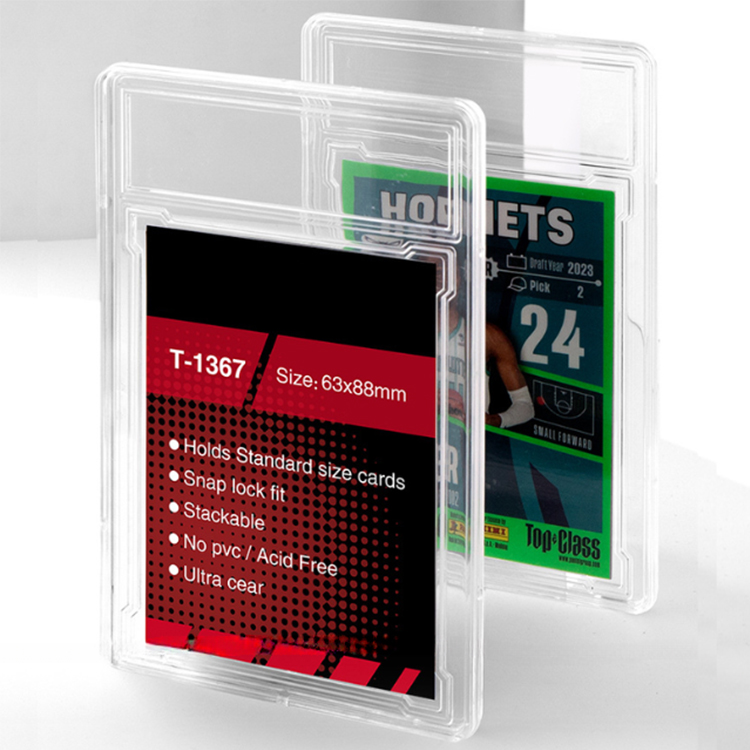
PSA and BGS are two major grading companies and their slabs differ subtly. While both companies use rigid plastic holders to encapsulate cards, the external dimensions, label placement, and edge profiles can vary. Because of these variations, bumper guards are often made specifically for one brand or another to ensure a precise fit.
- Brand-specific sizing: Many bumper guards are labeled for PSA, BGS, or universal fits; choosing the right labeled product is the simplest path to a good fit.
- Standard vs thick slabs: Some slabs from special editions, vintage holders, or certain set submissions are thicker or have unusual edges—measure before purchasing.
- Label clearance: Ensure the bumper does not cover the label or obstruct important information used for display or verification.
- Using a bumper intended for a different slab type can cause slipping, improper seating, or stress points that may increase risk rather than reduce it.
- Overly tight bumpers may warp or stress the slab during thermal expansion or long-term storage.
- Overly loose designs can let slabs shift inside the bumper, causing rubbing and abrasion.
- Pros: Lightweight, affordable, easy to apply, shock-absorbent, available in many colors.
- Cons: Can discolor over time, may attract dust, and cheaper varieties can stretch or tear.
- Pros: Clear display, rigid protection, good for stacking and presentation.
- Cons: Heavier, potential to crack on severe impacts, often pricier.
- Pros: Premium look, very strong, excellent protection for edges and corners.
- Cons: Expensive, may not be stack-friendly without additional padding, can add substantial weight.
- Pros: Combine structural strength and shock absorption, often customizable.
- Cons: Typically the most expensive option and can be bulkier.
- Custom-fit: Designed for a specific slab format; usually the best protection and fit.
- Universal: A catch-all solution for mixed collections; trade-offs in fit precision and maximum protection.
- Identify slab type: Confirm whether the slab is PSA, BGS, or another format.
- Measure if unsure: If dealing with rare or unclear slabs, take measurements of thickness and edge shape.
- Decide on purpose: Is the goal daily handling protection, long-term storage, shipping safety, or display aesthetics?
- Material preference: Consider weight, look, and durability—TPU for affordability, acrylic for clarity, metal for premium protection.
- Budget: There's a wide price range; establish what value the guard adds relative to the card's worth.
- Stacking needs: If you plan to stack slabs, choose bumpers designed to allow secure, stable stacking.
- Read user reviews and inspect photos to evaluate real-world fit and color accuracy.
- Avoid buying the cheapest option for highly valuable slabs—small savings aren't worth the risk of damage.
- Consider mixing solutions in a collection: less expensive bumpers for common cards, premium guards for high-value slabs.
1. Clean hands and work surface to reduce dust transfer.
2. Slide the bumper gently over the slab from one end, ensuring the slab stays centered.
3. Align label windows and edges so the slab is evenly seated.
4. Check all sides and corners for flush fit and no gaps.
- Routine dusting: Soft microfiber cloths remove surface dust without scratching.
- Deep cleaning: Use mild soap and water for silicone or TPU; dry thoroughly before reinserting slabs.
- Avoid harsh chemicals: Solvents or ammonia-based cleaners can damage bumpers or react with slab plastic.
- Storage tips: Keep bumpered slabs in a cool, dry place away from direct sunlight to avoid warping or discoloration.
- For shipping, keep bumpered slabs inside padded boxes and use sufficient cushion to prevent movement.
- Consider double-boxing for high-value items and using corner protectors and packing materials that distribute impact.


- Adds an inexpensive layer of physical protection.
- Improves handling and reduces accidental drops.
- Enhances display possibilities and personalizes collections.
- Can preserve slab condition and support long-term resale value.
- Not a substitute for secure packaging during heavy transit.
- Some bumpers may trap dust or degrade over time if low-quality materials are used.
- Poorly fitting bumpers can cause more harm than good by promoting abrasion or pressure points.
- Adds extra bulk and can change how items are stored or displayed.
Rigid cases or display boxes provide a fully enclosed, stackable solution for long-term storage and museum-style display.
For raw cards, soft sleeves and top loaders are common; for graded slabs, combine bumpers with padded storage boxes for best results.
Premium framing options can showcase a slab while keeping it secure; these are often heavier and intended for stationary display rather than transport.
- Everyday pieces: Use basic bumpers or TPU guards.
- High-value pieces: Employ hybrid or metal frames and store in a protective display case.
- Shipping: Add packing foam, corner guards, and double-boxing regardless of bumper type.
Keep records and photos of each slabed card before and after applying a bumper guard to track condition and detect any changes over time.
Check bumpers annually for signs of degradation such as yellowing, stretching, or cracking, and replace as needed.

Bumpers reduce many risks but cannot prevent damage from catastrophic impact, improper handling without packing, or manufacturing defects in slabs.
Because slab formats vary, assuming universal fit can lead to poor protection or slab movement.
Even stored slabs can benefit from bumpers to avoid edge wear during retrieval, stacking, or climate-related expansion and contraction.
Bumper guards for PSA and BGS slabs are a practical, often affordable way to bolster the protection and presentation of graded cards. Choosing the right bumper guard involves understanding slab compatibility, material properties, intended use, and budget. When chosen and installed correctly, bumper guards extend the life of slabs and help keep prized cards in the condition that made them valuable.

Q1: Do bumper guards fit both PSA and BGS slabs the same way?
A1: Not always; PSA and BGS slabs can have different edge profiles and thicknesses, so it's best to choose bumpers labeled for the correct brand or measure your slab before buying.
Q2: Will a bumper guard affect the slab's authentication or grading label?
A2: Properly fitted bumpers should not obscure or modify the label; avoid bumpers that press against the label window or cover important information.
Q3: Can bumpers cause discoloration or damage to slabs over time?
A3: Low-quality materials can degrade and cause discoloration; choose reputable materials like inert TPU or acrylic and check periodically for signs of wear.
Q4: Are bumper guards suitable for shipping valuable graded cards?
A4: Bumpers add protection but should be used along with proper packing materials, padding, and secure boxes when shipping high-value items.
Q5: How do I clean a bumper guard without harming the slab?
A5: Remove the bumper first if possible, clean it with mild soap and water, dry thoroughly, and wipe the slab with a soft microfiber cloth; avoid harsh chemicals.
Q6: Can I stack slabbed cards with bumpers on them?
A6: Many bumpers are designed to allow safe stacking by providing uniform spacing and grip, but always verify product specs and stack carefully.
Q7: Are metal frames worth the extra cost?
A7: Metal frames offer superior rigidity and aesthetic appeal for high-value pieces, but they are heavier and pricier; evaluate based on card value and display needs.


