

Views: 236 Author: Princee Lee Publish Time: 03-09-2026 Origin: Princee Lee


Content Menu
● The Evolution of the Wallet: From Coins to Tracking Chips
>> The Rise of the AirTag Ecosystem
● Understanding Leather Quality: Choosing the Right Material
>> Full-Grain Leather: The Gold Standard
>> Top-Grain and Genuine Leather
>> Vegetable Tanning vs. Chrome Tanning
● Design and Functionality: Balancing Bulk and Capacity
>> The Internal "Hidden" Compartment
● Technical Features: More Than Just a Pocket
>> Precision Stitching and Edge Finishing
● The Benefits of Using an AirTag-Integrated Wallet
● Maintenance and Care for Your Leather Investment
>> Conditioning
● Lifestyle Integration: Who Is This Wallet For?
● Comparison: Leather vs. Synthetic Alternatives
In the modern era of "Everyday Carry" (EDC), the items we choose to keep in our pockets are more than just functional tools; they are reflections of our personal style and our technological needs. For decades, the leather wallet has been the quintessential accessory for men and women alike, symbolizing sophistication and organization. However, as the world becomes increasingly digital and fast-paced, a traditional problem remains stubbornly persistent: losing one's wallet. Whether it is left behind at a coffee shop, slipped between couch cushions, or misplaced during a hectic commute, the loss of a wallet is a major inconvenience that involves canceling credit cards, replacing identification, and losing hard-earned cash.
Enter the Apple AirTag. Since its release, this small, coin-sized tracking device has revolutionized how we keep track of our valuables. But an AirTag on its own is difficult to keep inside a standard wallet without creating an unsightly and uncomfortable bulge. This has led to the rise of a specialized niche in the leather goods market: the leather wallet with a dedicated AirTag holder. This article explores the intricate details of these modern essentials, from the types of leather used to the engineering of the tracking slot, providing a comprehensive look at why this hybrid accessory is the ultimate upgrade for the modern professional.
The history of the wallet is a history of currency. In ancient times, "wallets" were essentially leather pouches used to carry dried meat and basic tools. As minted coins became common, these pouches evolved into smaller drawstring bags. The invention of paper money in the 1600s led to the creation of the flat-fold wallet we recognize today. For centuries, the primary focus of wallet design was durability and capacity.
In the 21st century, the wallet has faced its biggest challenge yet: the "slim" movement. With the rise of digital payments and mobile wallets, the need for bulky bifolds filled with receipts and dozens of cards has diminished. People now prefer minimalist designs that fit comfortably in front pockets. Yet, even as wallets got smaller, the risk of losing them remained the same. The integration of an AirTag holder represents the next logical step in this evolution—merging the tactile luxury of traditional leatherwork with the peace of mind offered by global satellite and mesh-network tracking.
Apple's Find My network is the secret sauce that makes an AirTag wallet so effective. Unlike traditional Bluetooth trackers that rely on a single user's phone proximity, the AirTag leverages hundreds of millions of Apple devices worldwide. If you lose your wallet in a park, any iPhone passing by can detect the encrypted signal and update its location on your map. This massive infrastructure has made dedicated AirTag accessories a necessity rather than a luxury.
Designing a wallet specifically for this device requires more than just sewing a pocket onto a cardholder. It requires an understanding of ergonomics and aesthetics. A well-designed leather wallet with an AirTag holder ensures that the device is secure, the signal is not obstructed, and the overall profile of the wallet remains as slim as possible.
When investing in a wallet that you intend to use for years, the quality of the leather is the most important factor. Not all leather is created equal, and understanding the differences is key to making an informed purchase.
Full-grain leather is the highest quality leather available. It comes from the top layer of the hide and includes all of the natural grain. Because it is not sanded or buffed to remove imperfections, it remains incredibly strong and durable. For an AirTag wallet, full-grain leather is ideal because it can withstand the slight tension created by the circular tracking device without tearing or losing its shape over time.
One of the most celebrated features of full-grain leather is the "patina." As the wallet is handled, it absorbs oils from your hands and is exposed to the environment. Over months and years, the leather develops a rich sheen and darkens in a way that is unique to the user. This means your AirTag wallet will actually look better as it ages.
Top-grain leather is the second-highest grade. It is thinner and more flexible than full-grain because the very top layer has been sanded down. While it is still durable and often used in high-end fashion, it does not develop the same depth of patina.
"Genuine leather" is often a misleading marketing term. It typically refers to the lower layers of the hide that are heavily processed and embossed with a grain pattern. While it is more affordable, a genuine leather wallet may begin to crack or peel after a year of heavy use, especially around the edges of the AirTag holder where the material is stretched.
The process used to tan the leather also impacts the wallet's longevity and environmental footprint. Vegetable tanning is an ancient method that uses natural tannins found in bark and leaves. This process takes weeks but results in a sturdy, eco-friendly leather that holds its shape well. Chrome tanning, which uses chemicals, is much faster and produces softer, more colorful leather, but it lacks the structural integrity and character of vegetable-tanned hides. For a tool like a wallet, vegetable-tanned leather is usually the superior choice.
The primary design challenge of a leather wallet with an AirTag holder is the thickness of the AirTag itself. At roughly 8mm thick, the AirTag is significantly thicker than a credit card. Designers have come up with several innovative ways to incorporate this into the wallet's architecture.
Many minimalist wallets feature a circular cutout on the exterior face. The AirTag is inserted into this pocket, often secured by a snap button or a tight leather tension ring. This design is popular because it makes the AirTag a focal point of the wallet's aesthetic. It also ensures that the speaker on the AirTag—which emits a sound to help you find it—is not muffled by layers of leather and cards.
For those who prefer a more discreet look, some bifold designs hide the AirTag inside a dedicated slot within the billfold or behind the card slots. While this keeps the exterior looking like a traditional wallet, it does add to the overall thickness when the wallet is closed. This design is best for those who carry their wallet in a jacket pocket or a bag rather than a tight trouser pocket.
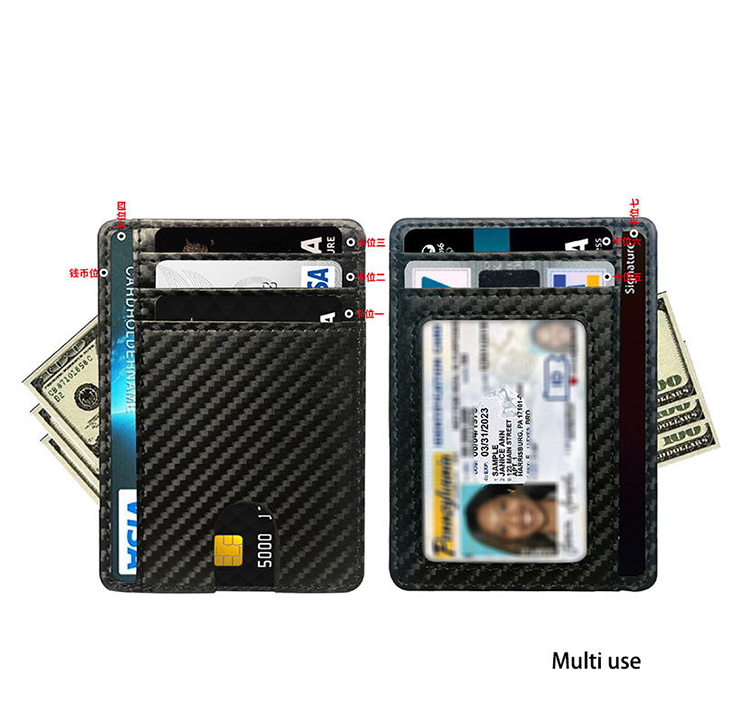
The most popular category for AirTag integration is the minimalist card holder. These wallets typically hold 5 to 8 cards and a small amount of cash. By placing the AirTag holder on one side and a quick-access card slot on the other, designers can create a symmetrical and balanced feel. Many of these designs also include a "thumb notch" or a mechanical trigger that ejects the cards for easy access.
A high-quality leather wallet with an AirTag holder often includes other technical features designed to protect your data and your currency.
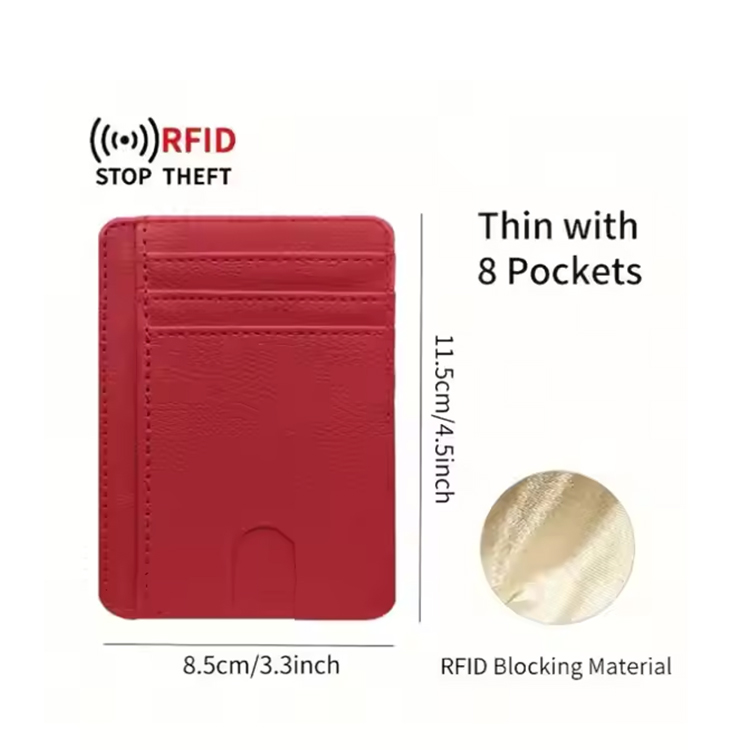
In the age of contactless payments, electronic pickpocketing is a concern for many. RFID (Radio Frequency Identification) blocking wallets contain a thin layer of metallic material (usually aluminum or copper) sandwiched between the leather layers. This layer acts as a Faraday cage, blocking the electromagnetic signals used by scanners to read your credit card information. When choosing an AirTag wallet, ensure the RFID shielding is placed in a way that it protects your cards but does not interfere with the AirTag's Bluetooth and Ultra-Wideband signals.
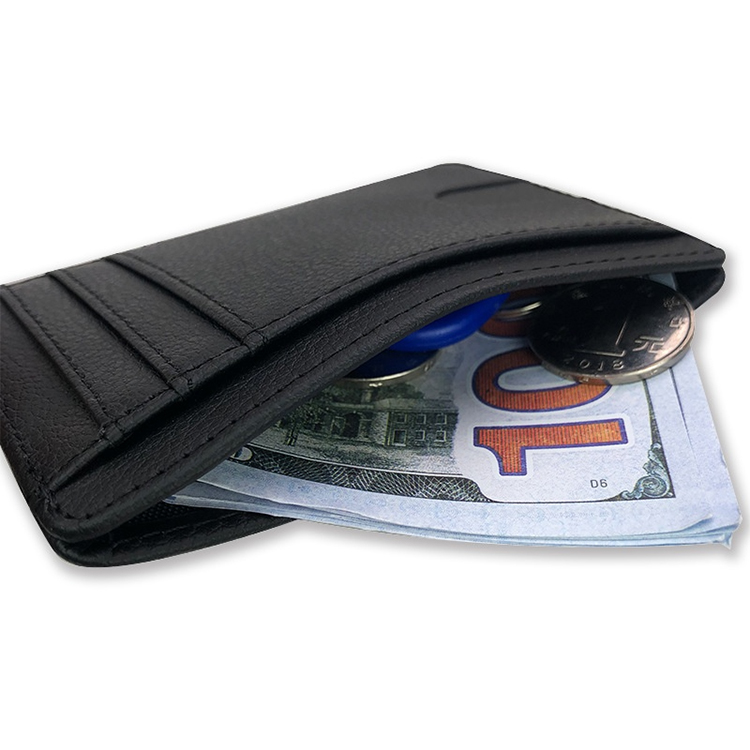

Because the AirTag puts localized pressure on the leather, the stitching must be top-tier. Look for "saddle stitching," a technique where two needles pass through the same hole from opposite sides. If one thread breaks, the other remains intact, preventing the whole seam from unraveling. Additionally, high-quality wallets will have "burnished" or "painted" edges. This seals the raw edges of the leather, preventing moisture from seeping in and causing the layers to delaminate.
The most obvious benefit is the end of "wallet anxiety." Using the Precision Finding feature on an iPhone (for models 11 and later), you can get haptic feedback and an arrow pointing you directly to your wallet within a room. Beyond the house, the Find My network provides a last-seen location that is incredibly accurate.
Furthermore, Apple's software allows you to set "Left Behind" alerts. If you walk away from your wallet at a restaurant, your phone will send a notification to your wrist or pocket before you've even left the block. This proactive security is something a traditional leather wallet simply cannot offer.
To ensure your leather wallet with an AirTag holder lasts a lifetime, proper maintenance is required. Leather is a natural material that can dry out and crack if neglected.
Every few months, use a damp, lint-free cloth to wipe away dust and salt buildup from your hands. Avoid using harsh soaps or chemicals. If the leather gets particularly dirty, a specialized leather cleaner can be used, but always test it on a small, inconspicuous area first.
Just as you use moisturizer for your skin, leather needs conditioning. A high-quality leather balm or cream should be applied once or twice a year. This keeps the fibers supple and enhances the water resistance of the wallet. When conditioning an AirTag wallet, it is a good idea to remove the AirTag first to avoid getting cream inside the tracking device or the speaker holes.
Leather naturally stretches. If you decide to carry ten cards in a wallet designed for five, the leather will expand to accommodate them. However, once stretched, it will not shrink back. If you later decide to carry fewer cards, they may feel loose. It is best to decide on a "capacity" and stick to it to maintain the integrity of the card slots.

The leather wallet with an AirTag holder appeals to a wide variety of users.
* The Frequent Traveler: For someone navigating airports and unfamiliar cities, the ability to track a wallet is a game-changer. If a wallet falls out on a plane or is stolen in a crowded market, the owner has a fighting chance of recovery.
* The Tech Enthusiast: Those who appreciate the Apple ecosystem will find the integration seamless. It feels like a natural extension of the iPhone and Apple Watch experience.
* The Minimalist: For the person who wants to carry as little as possible but refuses to sacrifice security, a slim AirTag cardholder is the perfect balance.
* The Gift Seeker: These wallets make excellent gifts for birthdays or holidays because they solve a universal problem (losing things) while offering a touch of luxury.

While this article focuses on leather, it is worth noting that AirTag wallets also come in materials like carbon fiber, aluminum, and vegan leather.
Carbon fiber and aluminum are incredibly durable and offer built-in RFID protection. However, they lack the "hand-feel" of leather. They are hard, cold, and can sometimes scratch other items in your pocket, like your phone screen.
Vegan leather (often made from polyurethane or pineapple fibers) is a great ethical choice for some, but it generally lacks the longevity of animal hide. Most synthetic leathers will begin to peel within two to three years, whereas a full-grain leather wallet can easily last a decade or more if cared for properly.
As technology continues to shrink, we may eventually see wallets with tracking chips integrated directly into the leather itself, removing the need for a separate AirTag. However, for now, the AirTag remains the most reliable and user-friendly tracking solution on the market. The current trend is toward even slimmer designs and more sustainable leather sourcing, such as using hides from regenerative farms.
The leather wallet with an AirTag holder is more than just a trendy gadget; it is a sophisticated solution to an age-old problem. By combining the durability and timeless beauty of high-quality leather with the cutting-edge tracking capabilities of the Find My network, designers have created an accessory that offers both style and security. Whether you choose a classic bifold or a modern minimalist cardholder, investing in a well-crafted AirTag wallet ensures that your most important essentials are always within reach. It represents a rare category of products where traditional craftsmanship and modern technology don't just coexist—they enhance one another.

1. Does the AirTag make the wallet feel heavy or bulky in my pocket?
While the AirTag does add a small amount of thickness (about 8mm), most wallets designed specifically for it use clever internal layouts to minimize bulk. If you use a minimalist front-pocket design, the difference is negligible compared to a traditional thick bifold stuffed with receipts.
2. Will the RFID blocking material interfere with the AirTag's signal?
High-quality designs are engineered to avoid this. Usually, the RFID shielding is placed around the card slots, while the AirTag holder is positioned on the exterior or in a non-shielded pocket, allowing the Bluetooth and Ultra-Wideband signals to transmit freely.
3. How long does the battery last in the AirTag, and is it easy to replace?
The AirTag battery (a standard CR2032 coin cell) typically lasts about one year. Replacing it is very simple: you just remove the AirTag from the wallet, twist the stainless steel back cover, and swap the battery.
4. Can the AirTag fall out of the leather holder?
If you buy a well-made wallet, the AirTag should stay perfectly secure. Most designs use a tight-fitting leather pocket, a snap-button closure, or a screw-in mechanism to ensure the device remains in place even if the wallet is dropped.
5. Is it okay to get my leather AirTag wallet wet?
Leather and water generally do not mix well. While a few drops of rain won't hurt, soaking the wallet can cause the leather to stiffen and lose its natural oils. If it does get wet, remove the AirTag and cards, and let the wallet air dry naturally—never use a hair dryer or heater.


