
Views: 288 Author: Princee Lee Publish Time: 03-26-2026 Origin: Princee Lee


Content Menu
● Introduction: The Evolution of Card Protection
● Understanding the Anatomy of a Slab
>> The Vulnerability of Polystyrene
>> Internal Differences Between Grading Companies
● Phase 1: Surface Protection with Sleeves
>> The Role of Graded Card Sleeves
>> Perfect-Fit vs. Standard Sleeves
● Phase 2: Physical Impact Protection with Bumpers and Guards
>> Graded Guards and Silicone Bumpers
● Phase 3: Environmental Protection
>> Humidity and Temperature Control
● Phase 4: Organizing and Long-Term Storage
● Phase 5: Safe Handling and Cleaning
>> The "Golden Rule" of Handling
>> Removing Scratches from the Plastic
● Phase 6: Protection During Travel and Shipping
>> Travel Cases
● Conclusion: A Multi-Layered Approach
>> Frequently Asked Questions (FAQs)
The trading card hobby has undergone a massive transformation over the last decade. What once lived in shoeboxes and rubber bands now resides in high-tech, sonically sealed plastic holders known as slabs. Whether you are a fan of Pokémon, Magic: The Gathering, or vintage sports cards, grading has become the gold standard for preserving value and verifying authenticity. However, a common misconception among new collectors is that once a card is graded by a company like PSA, BGS, or SGC, it is "invincible."
In reality, the slab itself is a piece of hardware that requires its own layer of protection. While the internal card is shielded from bending and direct touch, the external plastic is prone to scratching, scuffing, UV damage, and even cracking if handled improperly. Protecting your graded card slab is about more than just aesthetics; it is about preserving the "liquid" value of the asset. A heavily scratched PSA 10 slab may still hold a 10-grade card inside, but it will often sell for less than a pristine slab because collectors buy the "whole package." In this comprehensive guide, we will explore every level of slab protection, from basic daily handling to long-term vault storage.
Before diving into protection methods, it is essential to understand what these cases are made of. Most major grading companies use a high-quality, clear plastic—typically a form of polystyrene. These cases are joined using ultrasonic welding, a process that uses high-frequency vibrations to create a solid-state weld between the front and back pieces of the plastic. This creates a tamper-evident seal.
While polystyrene is rigid and offers excellent clarity, it is not particularly hard on the Mohs scale. This means it can be easily scratched by common materials like dust, sand, or even the edge of another slab. Furthermore, standard slabs do not offer a high degree of UV protection. Prolonged exposure to sunlight or even harsh indoor fluorescent lighting can lead to the "fading" of the card's ink and the yellowing of the slab's label over several years.
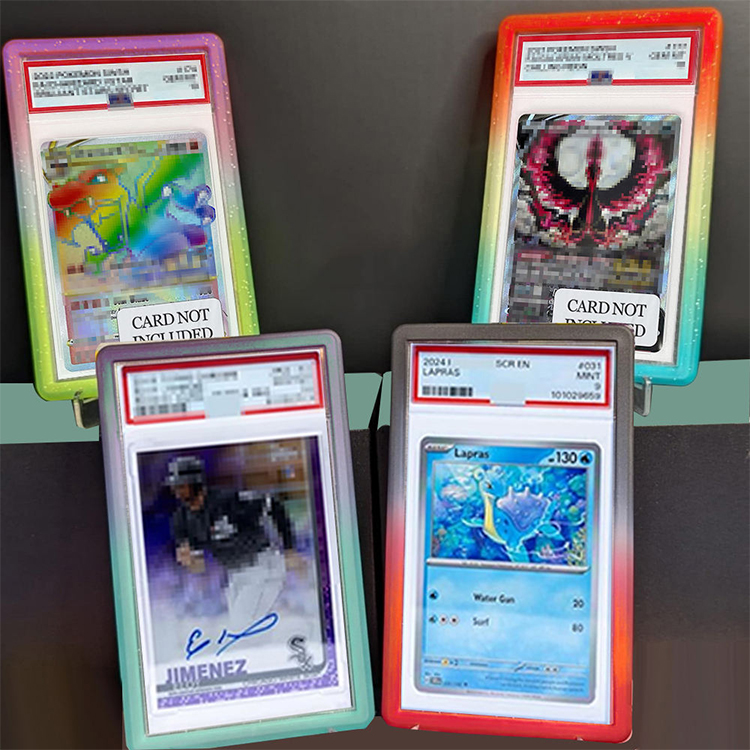
Not all slabs are created equal. For instance, Beckett Grading Services (BGS) uses a much thicker, heavier slab that includes an internal sleeve for the card itself, providing an extra layer of moisture and movement protection. PSA (Professional Sports Authenticator) slabs are thinner and sleeker but lack that internal sleeve, meaning the card can occasionally experience "mosh" or slight movement inside the case if shaken. SGC (Sportscard Guaranty) is famous for its "tuxedo" look with a black gasket that holds the card in place. Knowing these differences helps you choose the right secondary protection tools.
The most basic and essential form of protection for any graded card is the sleeve. Just as you put a penny sleeve on a raw card, you should put a "slab sleeve" on your graded case.
Slab sleeves, often called "team bags" or "fitted sleeves," are thin, clear polypropylene bags designed to fit over the graded case. Their primary job is to prevent surface scratches. When slabs are stacked on top of each other, the plastic-on-plastic friction can create micro-scratches that dull the clarity of the case over time. A sleeve acts as a sacrificial barrier.
There are two main types of sleeves used in the hobby today:
1. Standard/Team Bags: These are slightly oversized and usually have a resealable adhesive strip. They are easy to use and very cheap, but they leave a "lip" of extra plastic at the top and sides, which can look messy in a display.
2. Perfect-Fit Sleeves: These are precision-engineered to match the exact dimensions of specific slabs (e.g., a PSA-specific sleeve vs. a BGS-specific sleeve). They offer a vacuum-sealed look that is nearly invisible, making them the preferred choice for collectors who want to maintain the aesthetic of the slab while protecting it.
If you frequently take your cards to trade nights, card shows, or even just move them around your house, sleeves might not be enough. Dropping a slab on a hard floor can result in a "shattered" corner or a crack in the sonic weld, which may necessitate a costly re-slabbing fee and the risk of the card being damaged during the breakout process.

In recent years, "bumpers" have become a massive trend. These are typically made of high-quality silicone or TPU (thermoplastic polyurethane) and wrap around the outer edges of the slab. They function much like a phone case. If the card falls, the bumper absorbs the energy of the impact. Many collectors also use these to color-code their collections—using a red bumper for a high-value Charizard or a blue one for a rookie quarterback.
For those who want the ultimate "premium" feel, there are magnetic slab cases (often referred to as Slabmags). These are essentially a "case for your case." They are made of thick, high-clarity acrylic or even aluminum and use magnets to lock around the graded slab. These provide a massive increase in physical weight and protection, though they do make the slab much bulkier for storage.
Environmental factors are the "silent killers" of high-end collections. While you might see the damage of a scratch immediately, environmental damage happens over years.
Sunlight is the enemy of ink. Red and yellow pigments are particularly susceptible to UV degradation. If you display your cards on a shelf near a window, the vibrant colors of a holographic card can fade into a dull, greyish tint within a few years.
* Solution: Use UV-resistant display cases or specialized UV-filtering slab sleeves. More importantly, never place your most valuable cards in direct sunlight. If you must display them, consider using high-quality LED lighting that does not emit UV rays.
While the sonic weld of a slab is strong, it is not 100% airtight in every environment. Extreme humidity can lead to moisture getting trapped inside the case over long periods, which can cause "foxing" (brown spots) on vintage paper cards or "silvering" on the edges of modern chrome cards.
* Solution: Store your collection in a climate-controlled room. Avoid basements or attics where temperatures fluctuate wildly. For high-value collections, keeping a dehumidifier in the room or using silica gel packets inside your storage boxes is a smart, low-cost investment.
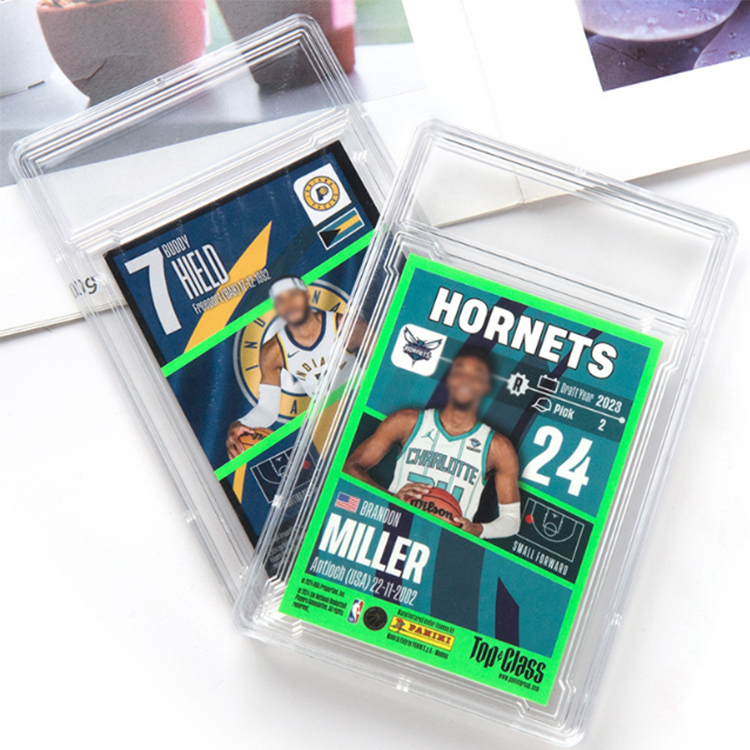
As your collection grows, how you house the slabs together becomes a protection issue. Shoving twenty slabs into a cardboard box can lead to the weight of the stack damaging the bottom slabs.
Heavy-duty cardboard boxes specifically sized for graded cards are a staple. However, for better protection, many collectors move to plastic "vault" cases. These are often waterproof, dustproof, and lined with custom-cut foam. Brands like Zion Cases or various Pelican-style containers allow you to stand the cards vertically. Storing cards vertically is better than stacking them horizontally because it removes the constant pressure on the face of the bottom card.
Always ensure that any box or foam touching your slabs (or sleeves) is "acid-free" and "PVC-free." Cheap plastics can off-gas over time, creating a chemical reaction that can cloud the slab plastic or even seep through the seal and affect the card's surface.
The way you handle your cards is just as important as the gear you buy.
Always hold a slab by the edges. Even though the card is protected, the oils from your skin can leave fingerprints on the plastic that, if left for years, can actually "etch" into certain types of softer plastic.
* Microfiber Cloths: Keep a clean microfiber cloth (like the ones used for eyeglasses) near your collection. If you see a smudge, a gentle wipe is usually all it takes. Avoid using paper towels or tissues, as these are abrasive and can cause micro-scratches.
If you purchase a slab that is already scratched, you don't necessarily need to send it back for re-slabbing. Products like PlastX or other plastic polishes can be used with a microfiber cloth to "buff out" surface-level scratches.
* Warning: Be extremely careful not to let any liquid polish get near the seams or the label area. Use a very small amount and work in circular motions. This should only be done on the exterior plastic, never on the card itself.
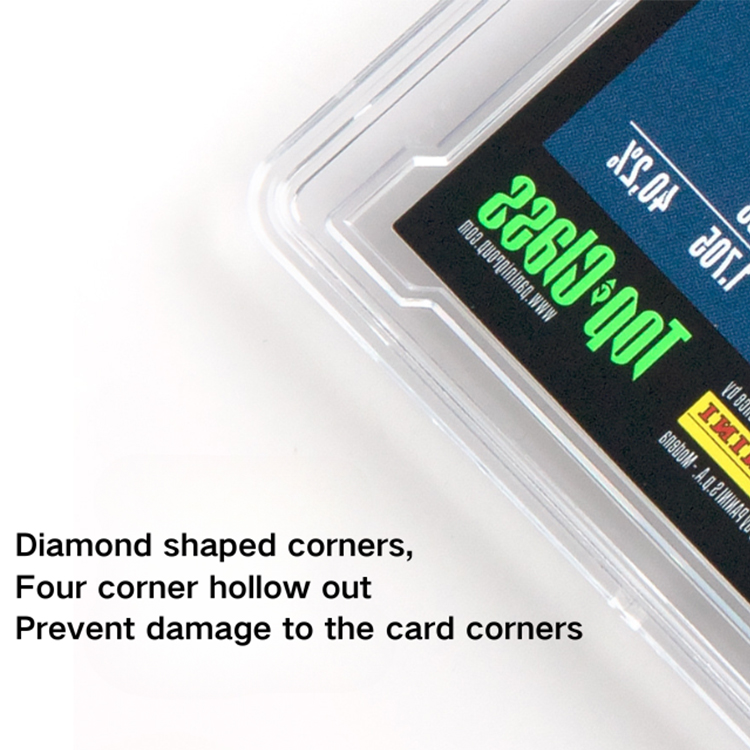
Whether you are sending a card to a buyer or taking it to a local card show, transit is the most dangerous time for a slab.
When shipping, a sleeve is mandatory. Beyond that, the "cardboard sandwich" method is standard. Place the sleeved slab between two pieces of oversized, rigid cardboard and tape them together (being careful not to let tape touch the slab). This prevents the slab from flexing or being crushed. Use a bubble mailer at a minimum, though a small corrugated box is much safer for cards worth over $100.
If you are attending a convention, a "Slab Case" or a backpack with a dedicated, padded compartment is vital. Never put slabs loose in a backpack where they can clatter against each other. The constant vibration during a walk or car ride can act like sandpaper on the plastic.
Protecting your graded card slab is a process of "defense in depth." No single product is a magic bullet, but a combination of methods ensures your collection remains in "Gem Mint" condition for decades to come. At a minimum, every slab should be in a fitted sleeve. For your "Grail" cards—those that define your collection—investing in a silicone bumper or a magnetic outer case is a small price to pay to protect a significant investment.
By controlling the light, humidity, and physical contact your slabs experience, you are doing more than just keeping them pretty; you are safeguarding history. As the hobby continues to grow, the condition of the holder will only become more important in determining the final value of the card. Treat your slabs with the same respect as the cards inside them, and your future self (or your future buyers) will thank you.
1. Are graded card slabs waterproof?
No, most slabs are not 100% waterproof. While they are sonically sealed and can survive a quick splash or high humidity, they are not designed to be submerged. If a slab is submerged, water can seep through the seams via capillary action, potentially ruining the card and the label.
2. Does PSA or BGS provide UV protection in their slabs?
Standard slabs from the major grading companies offer very limited UV protection. While the plastic might block some UVB rays, they are not designed to prevent fading from long-term exposure to direct sunlight. You should always use secondary UV-protected cases or keep cards away from windows.
3. Can I remove a card from a slab if the case is damaged?
Yes, this is called "cracking a slab." However, it is a risky process that should be done with extreme caution using diagonal cutters or a flathead screwdriver. If the case is damaged, it is usually safer to send it back to the original grading company for a "Re-slab" service, where they move the card to a new holder for a small fee.
4. Do perfect-fit sleeves trap moisture?
If you sleeve a card in a very humid environment, there is a minor risk of trapping that moisture inside. It is best to sleeve your cards in a room with a stable, low humidity level. Once sleeved, the plastic acts as a barrier that helps keep the internal environment consistent.
5. How often should I replace my slab sleeves?**
You should replace them whenever they become cloudy, scratched, or the adhesive becomes weak. Because sleeves are very inexpensive, many collectors replace them once a year to ensure their display always looks as clear and pristine as possible.


