

Views: 268 Author: Princee Lee Publish Time: 03-04-2026 Origin: Princee Lee


Content Menu
>> Introduction
● Understanding the Appeal of Aluminum Card Holders
>> What makes aluminum an excellent material for card holders
● Core Design Principles for Special Aluminum Card Holders
● Special Design Features and Mechanisms
>> Pop-up and quick-release systems
>> Hybrid designs: metal plus soft materials
>> Cutouts, patterns, and artful machining
● Materials, Finishes, and Surface Treatments
>> Alloy choices and their implications
● RFID Blocking: Technology and Myths
● Customization and Personalization
>> Personal engravings and logos
>> Limited editions and artisan treatments
● Manufacturing Methods and Considerations
● Sustainability and Ethical Considerations
>> Responsible sourcing and manufacturing
● Buying Guide: How to Choose the Right Special-Design Aluminum Card Holder
>> Assess your everyday carry needs
>> Consider long-term maintenance
● Care, Maintenance, and Troubleshooting
>> When to seek repair or replacement
● Styling and Pairing: Making the Holder Part of Your Look
>> Matching metals and accessories
>> Using special designs as statement pieces
● Use Cases and Practical Scenarios
>> Professionals and executives
● Frequently Asked Questions (at least 5)
>> Q1: Are aluminum card holders safe for RFID cards?
>> Q2: Will aluminum damage my cards or magnetic strips?
>> Q3: How many cards can a typical aluminum card holder hold?
>> Q4: What finishes are best for hiding scratches?
>> Q5: Can I personalize an aluminum card holder with my logo or design?
>> Q6: How do I maintain the moving mechanism in a pop-up aluminum holder?
>> Q7: Are aluminum card holders environmentally friendly?
- Core idea: An aluminum card holder with special design blends durability, minimalism, and personality into a compact everyday carry item.
- Why it matters: As people carry fewer cash notes and more cards, the demand for slim, secure, and stylish card holders has grown.
- What this article covers: design principles, materials and manufacturing methods, special design features and mechanisms, RFID considerations, customization options, buying guidance, care, use cases, and a practical Q&A to help you choose or design the perfect aluminum card holder.
- Lightweight strength: Aluminum offers a favorable strength-to-weight ratio that keeps the holder sturdy while remaining pocket-friendly.
- Durability and scratch resistance: With proper surface treatments like anodizing or powder coating, aluminum resists wear and abrasion better than many soft materials.
- Thermal and corrosion properties: Aluminum naturally forms a protective oxide layer that helps prevent corrosion and maintains appearance over time.
- Manufacturing versatility: Aluminum can be CNC-machined, stamped, laser-cut, or extruded, enabling a wide range of special designs and finishes.
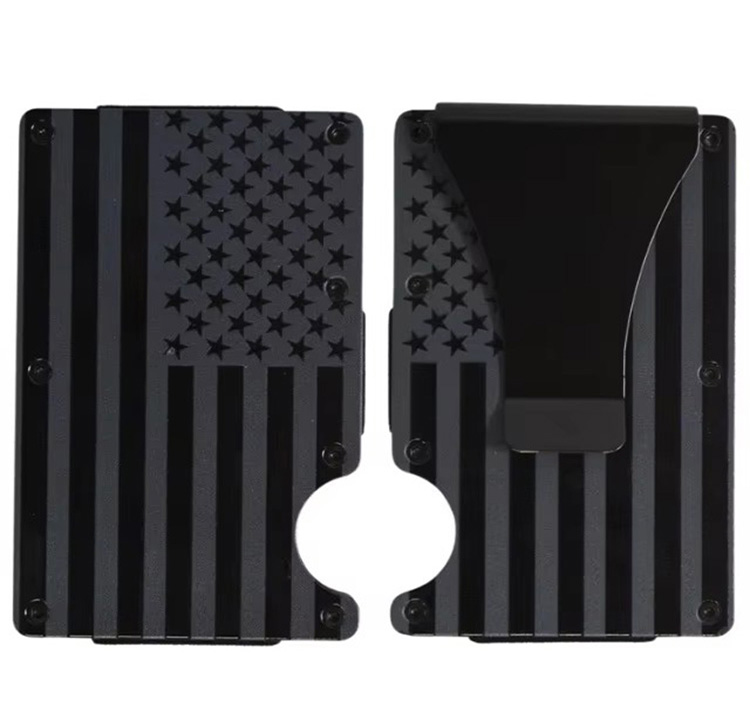
- Functionality enhancement: Special design features can improve card access, capacity, and retention.
- Aesthetic differentiation: Unique textures, patterns, and cutouts let owners express personality or brand identity.
- Added features: Integrations such as money clips, elastic straps, or quick-release mechanisms can make the holder more useful for diverse lifestyles.
- Slim profile design: Prioritize compactness if you want a minimalist carry that fits front pockets comfortably.
- Expandable capacity: Design approaches like layered plates or internal springs can expand capacity without bulking the profile.
- Ease of retrieval: Pop-up mechanisms, sliders, and angled slots reduce fumbling.
- Secure retention: Retention must balance security and accessibility to prevent accidental ejection while allowing quick access.
- Rigidity for card protection: A rigid aluminum shell prevents bending and offers substantial protection for chip and plastic wear.
- Edge and corner reinforcement: Rounded or chamfered edges increase comfort and reduce wear on fabric pockets.
- Button-activated mechanisms: A small button or slider that fans cards out for easy selection.
- Spring-loaded ejectors: Provide smooth, reliable ejection and can be tuned for different card counts.
- Magnetic closures: Offer a clean aesthetic and effortless operation but must be designed to avoid magnetic interference with digital cards (most cards are not affected, though caution is warranted).
- Mechanical clasps and clips: Provide visible security and a tactile experience favored by traditional users.
- Leather or fabric inlays: Add warmth and grip while preserving the metal shell's structural benefits.
- Elastics and straps: Allow flexible capacity and simple cash storage without bulky compartments.
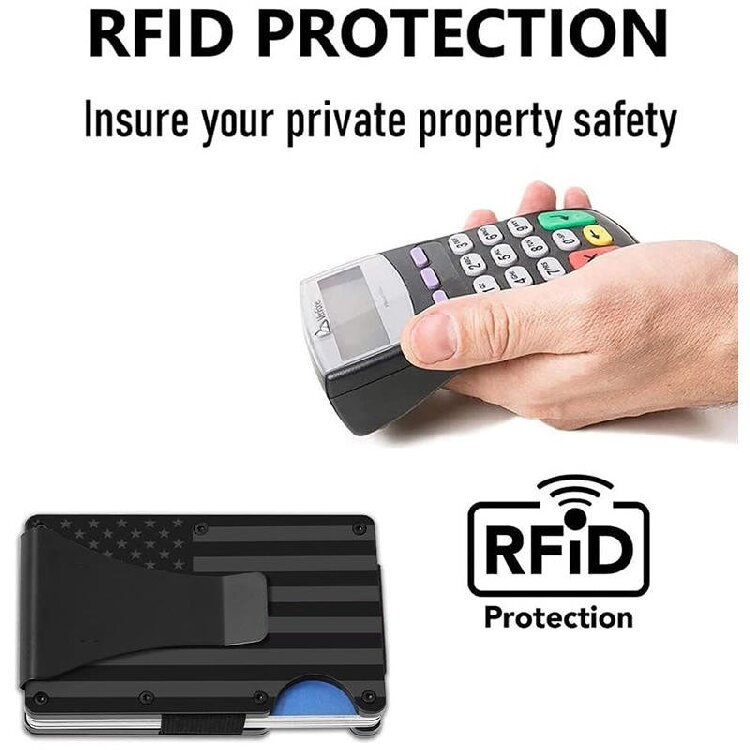
- Geometric cutouts: Reduce weight, create visual interest, and can provide quick visual cues for card orientation.
- Laser engraving and etching: Allow logos, names, or artwork to be permanently marked with high precision.
- Anodized color patterns: Anodizing not only protects but enables vibrant color options and two-tone effects for special designs.
- Common aluminum alloys: 6061 and 7075 are popular for balance of strength and machinability; choice affects weight, finish, and cost.
- Trade-offs: Higher-strength alloys can be more expensive and slightly harder to machine but yield thinner, lighter shells.
- Anodizing: Adds corrosion resistance, color, and surface hardness; ideal for durable color finishes.
- Powder coating: Provides thicker protective layers with a variety of textures and colors.
- Brushed or bead-blasted finishes: Create tactile surfaces that hide micro-scratches and look premium.
- Laser engraving: High-precision marking suitable for intricate patterns and precise personalization.
- CNC milling patterns: Create three-dimensional effects such as ridges, grooves, or logos in relief.
- Inlay and plating: Incorporate materials like wood, carbon fiber, or brass to create contrast and flair.
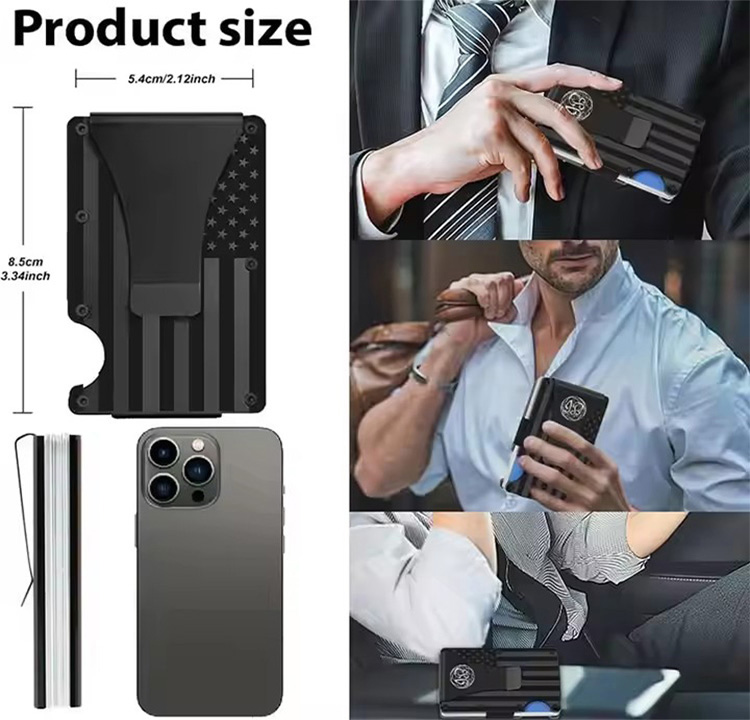
- Faraday shielding concept: A conductive shell can block electromagnetic fields, preventing contactless card data from being read.
- Effectiveness depends on coverage: Complete enclosure or multi-layer shields are more reliable than partial shields.
- Real-world risk assessment: While card skimming is possible, many people adopt RFID-blocking holders for peace of mind rather than out of necessity.
- Design trade-offs: To enable quick access, some designs leave gaps that reduce RFID effectiveness; full shielding often means sacrificing a pop-up mechanism's aperture.
- Laser and CNC options: Names, monograms, or brand logos can be permanently added for gifts or corporate giveaways.
- Depth and finish: Engraving depth, fill colors, and contrast choices affect longevity and legibility.
- Bespoke silhouettes: Unique outer shapes, rounded profiles, or themed cutouts make an aluminum holder stand out.
- Color matching and gradients: Advanced anodizing and plating allow subtle gradients and premium two-tone finishes.
- Hand-finished elements: Brushing, patination, or hand-polished accents create artisan appeal.
- Collaboration designs: Special runs with artists or brands yield collectible variants.
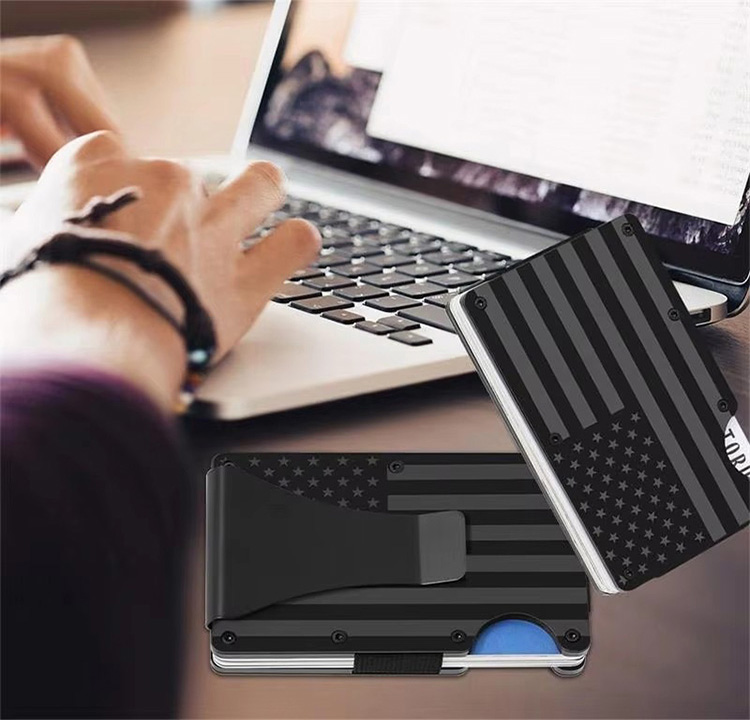
- Precision and flexibility: CNC permits complex contours and tight tolerances for mechanisms and fit.
- Cost implications: Best for low- to mid-volume production runs where quality and variance are important.
- High-volume efficiency: Stamping is faster and cheaper for mass-produced shells with simpler geometries.
- Limitations: Less suitable for intricate cutouts or high-precision mechanisms.
- Consistent cross-sections: Useful for certain styles with long linear elements or folded constructions.
- Welding and bonding: Requires careful finishing to hide seams and preserve aesthetics.
- Aluminum is highly recyclable: It can be recycled with relatively low energy compared to primary production.
- Design for disassembly: Using fastening methods that allow separation of materials improves lifecycle recycling.
- Material provenance: Choosing suppliers who provide recycled or low-impact aluminum reduces carbon footprint.
- Local vs. overseas production: Local production can reduce transport emissions and improve oversight but may cost more.


- Card count: Decide on minimum and maximum card capacity before selecting a mechanism or shell size.
- Access preference: Do you prefer a quick pop-up or a wrap-style secure enclosure?
- Pocket location: Front pocket users typically prioritize thinness and rounded edges.
- Fit and finish: Look for consistent gaps, smooth edges, and a solid tactile feel.
- Mechanism reliability: Test for snags, stickiness, or loose springs in pop-up designs.
- Finish durability: Matte anodized surfaces hide scratches differently than polished finishes.
- Serviceability: Replaceable parts (springs, elastic bands) extend usable life.
- Price ranges: Expect a significant variance based on materials, mechanism complexity, and custom touches.
- Warranty and support: Brands offering warranty and spare parts provide better long-term value.
- Avoid abrasive contact: Keep with soft items or use a protective sleeve to prevent scratches.
- Regular cleaning: Wipe with a soft cloth and mild soap; avoid harsh chemicals that can damage anodized finishes.
- Stiff mechanisms: Lubricate pivot points with a small amount of dry lubricant and cycle gently.
- Loose screws or clips: Tighten with the appropriate Torx or Allen key; avoid over-torquing.
- Persistent mechanism failure: If the pop-up mechanism fails after lubrication, consider professional repair or part replacement.
- Severe structural damage: Cracks or deep deformation often justify full replacement for security reasons.

- Coordinate with watch or belt buckle: Consistent metal tones create a cohesive aesthetic.
- Leather contrasts: Combining aluminum with a leather wallet sleeve or key fob adds warmth and texture.
- Limited editions or artist collabs: These holders can serve as conversation starters and reflect personal values.
- Corporate gifting: Branded aluminum holders make durable, high-impact gifts for clients and employees.
- Front-pocket carry: Slim designs reduce bulk and improve comfort for daily use.
- Travel: RFID-blocking variants and quick-access mechanisms help streamline boarding and transit.
- Business card organization: Some holders include compartments or designs tailored for business cards and credit cards.
- Client gifts and promotions: Customization options make aluminum holders attractive for branded giveaways.
- Durability for adventure: Robust shells and secure closures protect cards during activities.
- Weather considerations: Proper sealing and finish selection can help resist humidity and sweat.


Aluminum card holders with special designs offer an appealing combination of durability, lightness, and distinctive style. Whether you prioritize slimness, advanced mechanisms, artistic engraving, or RFID protection, there is a design approach that fits your needs. Thoughtful material choice, manufacturing method, and finish treatment will determine long-term satisfaction and performance. When customized responsibly, these holders can be both practical everyday tools and personal statements.
A1: A fully enclosed aluminum shell can provide effective electromagnetic shielding, but the actual protection depends on the design's completeness and any gaps; designs with openings or partial coverage may offer reduced protection.
A2: Aluminum itself will not damage the plastic or chip of a card; magnetic stripe degradation results from physical wear or magnetic exposure, not proximity to aluminum. Properly designed holders protect cards from bending and physical damage.
A3: Capacity varies widely by design; minimalist single-shell holders commonly hold 4–6 cards, while expandable or layered mechanisms can accommodate 8–12 cards or more.
A4: Matte or bead-blasted and brushed anodized finishes tend to hide micro-scratches better than polished mirrors; powder-coated surfaces with texture also conceal wear.
A5: Yes; laser engraving, CNC milling, and anodized color fills are common methods for permanent personalization, suitable for both individual and corporate orders.
A6: Clean with a soft brush, apply a tiny amount of dry lubricant to pivot points if needed, and avoid forcing the mechanism under load. Replace worn springs or elastics to restore original function.
A7: Aluminum is highly recyclable and, if sourced from recycled material and manufactured responsibly, can offer a lower lifecycle impact compared with some virgin-metal or plastic components.


