

Views: 220 Author: Princee Lee Publish Time: 04-24-2026 Origin: Princee Lee


Content Menu
● Why the Back Pocket Sit Test Matters
● What Survives Better: Metal or Plastic?
● Why Gstar Technology Leads This Category
>> What we optimize in OEM development
● Industry Insight: Durability Sells, But Positioning Wins
● FAQ
>> 1. Are metal card holders better than plastic pop-up wallets?
>> 2. Do plastic pop-up wallets break easily?
>> 3. Which wallet is more comfortable in a back pocket?
>> 4. Which option is better for OEM branding?
>> 5. Can a hybrid wallet be a good compromise?
>> 6. What should brands test before launching a wallet?
If your wallet has to survive daily sitting, commuting, and constant pocket friction, the answer is not just about style — it is about structure, materials, and long-term usability. For brands, wholesalers, and OEM buyers, metal card holders usually outperform plastic pop-up wallets in durability, shape retention, and premium feel, while plastic models may win on cost and weight. The best choice depends on whether your priority is longevity, budget, or retail positioning.

The "back pocket sit test" is simple: can a wallet keep its shape, protect cards, and remain comfortable after being sat on hundreds of times? For end users, this is the real-world test that decides whether a wallet feels premium or becomes a daily annoyance. For OEM buyers, it is also a product-quality signal that affects returns, reviews, and repeat orders.
A wallet may look slim in a product photo, but daily pressure changes everything. Sitting creates repeated compression, edge stress, and deformation. That is why a product that passes a showroom test may fail in actual use.
Metal card holders usually win the durability contest. Aluminum and similar metal shells resist crushing, flex less, and protect the internal mechanism more consistently. Plastic pop-up wallets can be functional and lightweight, but they are more likely to show wear, loosen at the hinges, or lose alignment over time.
From a manufacturing perspective, metal also supports a more premium perception. It signals strength, precision, and higher value. Plastic, by contrast, is often chosen for cost efficiency, faster production, and lighter weight, but it is generally more vulnerable under repeated back-pocket pressure.
| Factor | Metal Card Holders | Plastic Pop-up Wallets |
|---|---|---|
| Durability | High | Medium |
| Resistance to sitting pressure | Strong | Moderate to weak |
| Shape retention | Excellent | Fair |
| Premium perception | High | Lower |
| Weight | Slightly heavier | Lighter |
| Cost efficiency | Medium | High |
| Best use case | Premium retail, daily carry, OEM branding | Budget lines, promotional SKUs, lightweight carry |

Users rarely describe wallets in technical terms. They talk about comfort, pocket bulge, card access, and whether it "feels solid." In back-pocket carry, comfort matters more than people expect, because any hard object changes the sitting angle and increases pressure in one area.
In practice, a slim metal wallet often earns better reviews for:
- Maintaining its profile after months of use.
- Protecting cards from bending.
- Feeling more secure in the hand and pocket.
- Looking more premium for gifting and retail shelves.
Plastic pop-up wallets can still satisfy users who want a lighter and more affordable option, especially if they carry only a few cards and value one-hand access over toughness.

As an OEM factory, Gstar Technology (Shenzhen) Co., Ltd. is positioned to help brands build wallets that are not only stylish, but commercially competitive. Our manufacturing mindset focuses on product consistency, material selection, structure optimization, and brand-ready customization.
That matters because the "best wallet" is not just a consumer preference. It is a product development decision. A wallet that survives the back pocket sit test reduces complaints, improves perceived quality, and strengthens brand trust at retail and wholesale level.
- Material selection, including metal, plastic, leather, and hybrid constructions.
- Slim profile engineering for better pocket comfort.
- Surface finishing for a premium feel and better resale appeal.
- Mechanism stability for pop-up card access.
- Logo and packaging customization for brand differentiation.
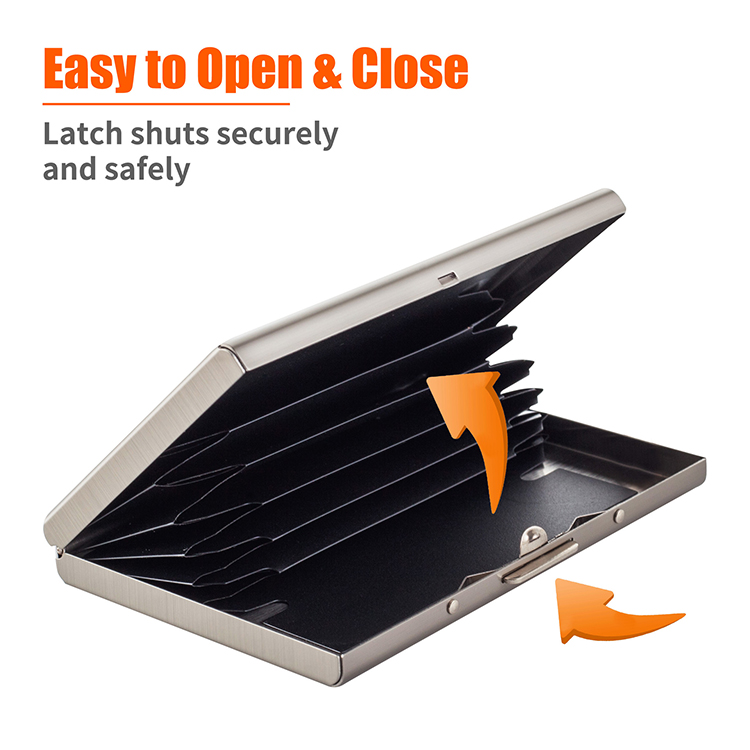
The market is not asking only "which one is stronger?" It is asking "which one fits the target customer?" A luxury brand may choose metal because it communicates quality and confidence. A price-sensitive distributor may choose plastic because it helps hit a lower MOQ-friendly price point.
This is where OEM strategy matters. The same core design can be tuned for different buyers:
- Premium retail version: metal shell, refined finish, stronger mechanism, gift-ready packaging.
- Mass-market version: lightweight plastic body, simplified structure, efficient unit economics.
- Hybrid version: metal core with selected lightweight components for a balance of cost and performance.
That flexibility is one reason experienced manufacturers outperform generic suppliers. They help buyers match product engineering to market positioning.
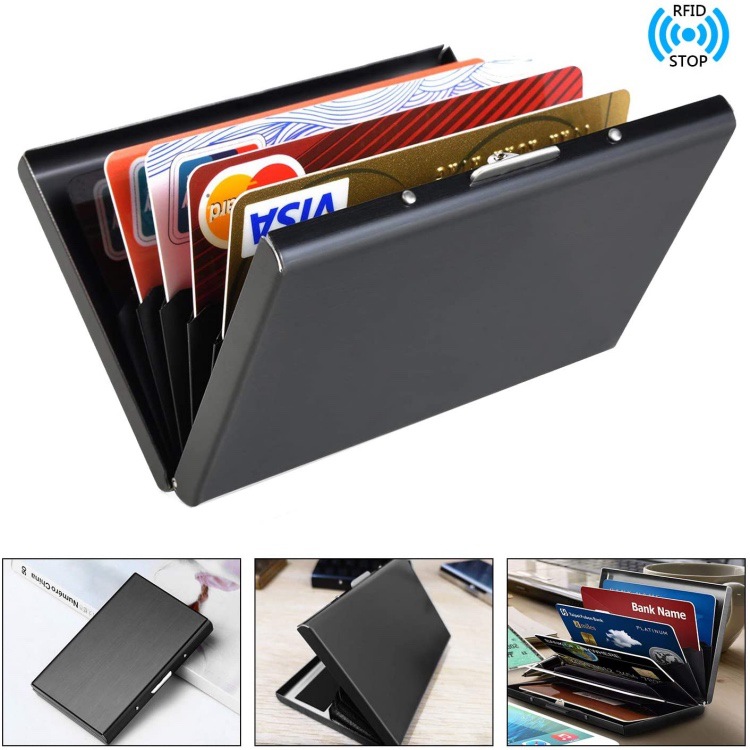
If you are choosing between metal and plastic pop-up wallets, use this simple rule:
1. Choose metal if your customer expects durability, premium branding, and daily back-pocket carry.
2. Choose plastic if your target market prioritizes affordability, light weight, and fast turnover.
3. Choose hybrid if you want a balance between strength, cost, and retail appeal.
4. Test the wallet under pressure before launch, including sitting pressure, pocket abrasion, and card-ejection cycles.
5. Validate packaging and unboxing, because presentation strongly affects perceived value.
If your goal is to build a wallet that truly survives the back pocket sit test, metal card holders are the stronger choice for durability, shape retention, and premium market positioning. Plastic pop-up wallets remain useful for budget-driven programs, but they usually cannot match the long-term resilience of metal. For brands that want a wallet line built around performance and perceived value, OEM development should start with the material — not the logo.
CTA: Partner with Gstar Technology (Shenzhen) Co., Ltd. to develop OEM wallet solutions that combine durability, customization, and market-ready design for global buyers.
Yes. Metal card holders are generally more durable, more resistant to compression, and better suited for daily back-pocket carry.
They can, especially under repeated pressure, hinge stress, or low-quality material construction.
A slimmer wallet is usually more comfortable, but metal wallets tend to keep their shape better and may feel more stable over time.
Metal wallets are often better for premium branding, while plastic wallets are better for budget-oriented product lines.
Yes. A hybrid design can balance strength, weight, cost, and retail appeal.
They should test compression resistance, card-ejection durability, edge wear, finish quality, and packaging perception.

1. Gstar Technology (Shenzhen) Co., Ltd. — Wallet wholesale pricing and manufacturing insight:
https://www.gstartec.com/breaking-down-wallet-wholesale-pricing-how-materials-craftsmanship-and-order-volume-shape-costs.html
2. Ekster — Metal wallet pros and cons:
https://www.ekster.com/blogs/the-journal/pros-and-cons-of-a-metal-wallet
3. Modern Chiropractic Center — Why you should not sit with your wallet in your back pocket:
https://modernchiropracticcenter.com/blog/why-you-should-never-sit-with-your-wallet-in-your-back-pocket/
4. Health-Fit Chiropractic — Wallet-related back discomfort and posture strain:
https://healthfitchiro.com/blog/fat-stacks-back-pain-is-your-wallet-causing-your-back-pain
5. Alibaba product listing — Metal pop-up card holder market positioning and product features:
https://www.alibaba.com/product-introduction/Men-Slim-Metal-Business-Wallet-Anti-Theft-RFID-Blocking-Side-Push-Aluminum-Credit-Card-Holder-with-for-Pop-Coin-Holder_1600946365939.html
6. YouTube product testing and wallet comparison video:
https://www.youtube.com/watch?v=myTnxCX0wfg
Hot Tags: China, Global, OEM, private label, manufacturers, factory, suppliers, manufacturing company


