

Views: 248 Author: Gstar Technology Publish Time: 08-25-2026 Origin: Site


Content Menu
● The Quick Answer: Matte Wins for Daily Use
● Why Polished Metal Shows Every Mark
>> Common challenges with polished metal card cases
● Why Matte Metal Card Cases Hide Fingerprints Better
>> Matte finishes perform well because they:
● Matte vs. Polished: Scratch Resistance Is Not the Same as Scratch Hiding
>> What customers actually notice
● Which Finish Should Your Brand Choose?
>> Our OEM recommendation for high-volume card holder programs
● How Color Changes Fingerprint and Scratch Visibility
>> Practical color-and-finish guidance
● A Practical OEM Test Method Before Mass Production
>> Six-step metal card case finish test
● Finish Specification Checklist for Card Case Buyers
>> Include these details in your RFQ
● Final Verdict: Choose Matte for Everyday Durability
● Build Your Card Case With Gstar Technology
● FAQ
>> 1. Is matte metal completely fingerprint-proof?
>> 2. Does a matte metal card case scratch less than a polished one?
>> 3. Is brushed metal better than matte metal for RFID card holders?
>> 4. Which color hides wear best on a metal wallet?
>> 5. Can a polished metal card holder still be suitable for daily use?
>> 6. What finish should I choose for a corporate gift card case?
>> 7. Can Gstar Technology customize the finish and logo of a metal card case?
For everyday metal card cases, a matte finish generally hides fingerprints, smudges, and light scratches better than a polished metal finish. At Gstar Technology (Shenzhen) Co., Ltd., we recommend matte, brushed, satin, or anti-fingerprint coated surfaces for brands developing high-touch RFID card holders, slim wallets, and metal wallet accessories.
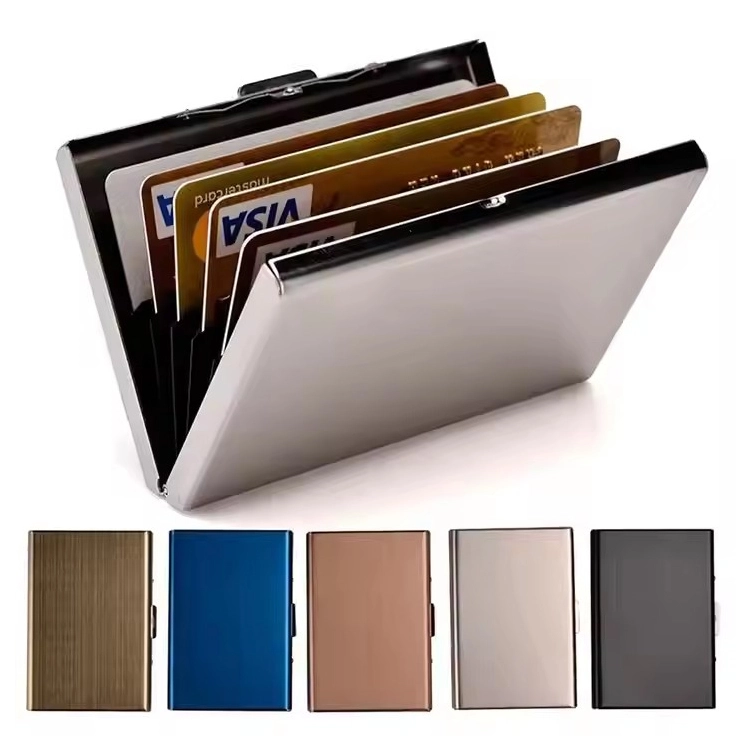
A polished metal card case can create a striking luxury impression at first glance. However, its mirror-like reflection makes skin oils, dust, swirl marks, and handling scratches highly visible. A matte finish disperses light rather than reflecting it sharply, making normal daily wear much less noticeable. This is why finish selection should be treated as a product-performance decision—not only a design decision.
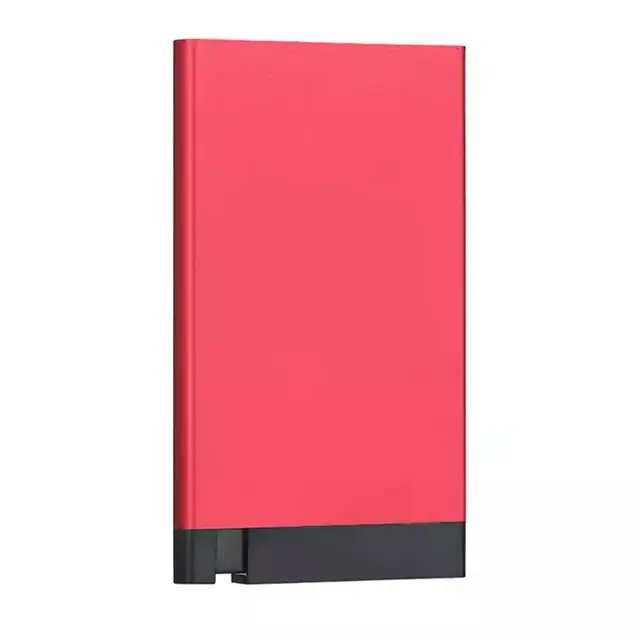
When customers ask, "Which metal card case hides fingerprints and scratches better?", the practical answer is usually matte or brushed metal.
| Performance factor | Matte / brushed metal card case | Polished metal card case |
|---|---|---|
| Fingerprint visibility | Low to moderate | High |
| Light-scratch visibility | Low | High |
| Reflection | Soft, diffused, low glare | Sharp, mirror-like, high glare |
| Everyday maintenance | Low | High |
| Luxury visual impact | Understated, modern, technical | Bright, premium, jewelry-like |
| Best for | Daily-carry wallets and RFID card holders | Gift items, display-led products, limited editions |
| Long-term "new" appearance | Better for frequent handling | More dependent on regular cleaning |
The key distinction is visibility, not invincibility. A matte card holder can still be scratched, and a polished metal wallet can still be durable. The difference is that matte and brushed textures make small marks blend into the surface, while a polished surface makes each interruption in the reflection more obvious.
For OEM brands, this distinction affects customer satisfaction, product reviews, returns, packaging decisions, and long-term brand perception.
A polished metal card case has an extremely smooth, reflective surface. It is designed to create clean reflections and a high-gloss appearance. That visual effect is also the reason fingerprints and scratches become more visible.
When a customer touches polished aluminum, stainless steel, or plated metal, natural skin oils remain on the surface. Under light, those oils interrupt the reflection and appear as dark or cloudy fingerprint marks. Fine scratches also break the reflection line, creating visible swirl patterns.
In our experience supporting OEM metal wallet projects, brands sometimes select mirror polish based only on a product photo or showroom sample. The finish looks exceptional under controlled lighting. But after the card case is carried in a pocket, placed beside keys, or handled repeatedly during a workday, the visual maintenance requirement becomes clear.

- Fingerprints appear quickly, particularly on black, dark gray, chrome, and highly reflective finishes.
- Micro-scratches become visible under direct lighting, even if the card case remains structurally sound.
- Cleaning is more frequent, especially for products used in retail, offices, travel, or hospitality settings.
- Packaging must be stronger, because contact during shipment can create visible cosmetic marks.
- Quality inspection needs tighter controls, as small defects are easier for customers to notice.
Polished finishes are not a poor choice. They are a deliberate choice for brands that prioritize visual drama, luxury gifting, or a premium "mirror metal" identity. But they are usually less forgiving for a high-use RFID wallet.
A matte finish has low gloss and diffuses light across the surface. Instead of acting like a mirror, it creates softer, scattered reflections. This means fingerprints, dust, and small surface changes do not create the same sharp contrast visible on a polished metal card holder.
Brushed metal produces a similar practical advantage. The directional grain breaks up reflections and helps disguise light wear. For daily-carry products, brushed aluminum or a low-gloss anodized finish often offers an effective balance between premium appearance and easy maintenance.
- Reduce glare, so fingerprints are less visually disruptive.
- Blend fine scratches into the texture, rather than highlighting them.
- Create a more consistent appearance in different lighting environments.
- Support a clean, modern brand identity for minimalist wallet collections.
- Require less frequent wiping than mirror-polished metal.
However, brands should not assume that every matte surface behaves exactly the same. A dark matte black metal card case may conceal scratches well, but oily fingerprints can sometimes appear as lighter or darker cloudy areas. A coarse texture may hide marks very effectively but can feel rougher. A super-smooth matte coating can look elegant but may require careful coating selection to prevent rub marks.
This is why an OEM factory should evaluate finish, color, base material, coating, texture, and usage scenario together.

One of the most important product-development mistakes is confusing scratch resistance with scratch concealment.
A surface may have good physical hardness but still show scratches clearly. Conversely, a surface may be easier to mark but hide those marks effectively because of its texture and low reflectivity.
For example, a polished stainless steel card holder may resist deep damage well, but a very fine abrasion can still be highly visible because it disrupts the mirror surface. A matte or brushed aluminum card case may receive a similar light abrasion, yet the mark may disappear visually within the surface texture.
Customers rarely inspect surface hardness in a laboratory. They evaluate what they can see when they hold the product in daily lighting.
They notice:
- A visible fingerprint after tapping the wallet.
- A shiny line after placing it in a pocket with keys.
- Uneven reflections under office, retail, or sunlight.
- A product that appears "used" too quickly.
- A finish that no longer matches product photography.
For this reason, visible durability is often more commercially important than technical material strength alone.
At Gstar Technology, we advise OEM clients to define the expected customer use before approving a metal card case finish. A corporate gift item, a luxury boutique product, and a daily-carry RFID card holder do not require the same surface strategy.
The best choice depends on your customer, positioning, and expected use frequency.
| Brand goal | Recommended finish | Why it works |
|---|---|---|
| Everyday RFID card holder | Matte anodized or brushed metal | Better fingerprint and scratch concealment |
| Minimalist premium wallet | Fine brushed, satin, or smooth matte | Refined look with practical maintenance |
| Luxury gift card case | Polished metal with protective packaging | High visual impact for presentation |
| Outdoor or rugged wallet | Textured matte, bead-blasted, or coated finish | Helps disguise wear and supports a technical appearance |
| Corporate promotional item | Matte black, gunmetal, or brushed silver | Consistent branding and easier upkeep |
| Fashion-led limited edition | Polished or mixed-finish design | Creates visual contrast and distinctive shelf appeal |
For most brands, we recommend one of these three directions:
1. Brushed aluminum card case
This offers a recognizable metal grain, practical scratch concealment, and a clean industrial aesthetic.
2. Matte anodized aluminum card holder
This is suitable for brands seeking color consistency, low glare, and a modern premium feel.
3. Matte metal card case with anti-fingerprint coating
This is the strongest option for brands that want a low-maintenance surface while retaining a refined visual identity.
A polished option can still be added as a limited edition, gift version, or premium colorway. This allows a brand to offer a more dramatic finish without making it the default choice for frequent everyday use.
Finish is important, but color matters nearly as much.
Dark polished surfaces often show fingerprints most clearly because skin oils create noticeable contrast. Bright chrome can also reveal scratches because reflection highlights surface interruptions. Matte black can hide light scratches well, but heavy oil residue may still be visible under strong light.
- Brushed silver: Excellent all-round choice; hides light scratches and fingerprints relatively well.
- Matte gray or gunmetal: Strong choice for modern, professional, and technical brands.
- Matte black: Premium and minimal, but should be tested for oil-mark visibility and coating durability.
- Polished silver: High-end visual appeal, but requires more cleaning and careful packaging.
- Polished black: Dramatic appearance but among the least forgiving options for fingerprints.
- Champagne gold or rose gold: Works well for fashion-oriented collections; consider satin or brushed finishes for better daily appearance.
For a new OEM project, we recommend reviewing physical samples under multiple conditions: daylight, office lighting, retail spotlights, and close-range hand contact. A finish that looks excellent in a factory sample room may perform differently in a customer's daily environment.
Before approving a finish for mass production, brands should perform a simple but structured evaluation. This reduces avoidable quality complaints after launch.
1. Handle each sample repeatedly with clean, dry hands and normal skin oils.
2. View the surface under different lighting, including sunlight, LED office light, and direct spotlight.
3. Place the sample with common pocket items, such as keys, coins, and a phone charger.
4. Wipe the surface with a microfiber cloth and check whether fingerprints clear easily.
5. Compare samples from normal viewing distance, not only under magnification.
6. Document the approved finish standard with color, gloss level, grain direction, coating, and acceptable cosmetic tolerance.
Brands should also request production samples rather than approving only a digital rendering. The real material, coating thickness, grain consistency, and assembly method can all affect the final product appearance.
A clear finish specification helps prevent confusion between design, sourcing, and production teams. Instead of requesting only "matte black" or "polished silver," provide detailed requirements.
- Base material: aluminum, stainless steel, titanium alloy, or other specified metal.
- Finish type: matte, brushed, satin, polished, bead-blasted, plated, or coated.
- Color reference: Pantone, RAL, physical sample, or approved visual standard.
- Surface direction: horizontal brush, vertical brush, cross-hairline, or non-directional texture.
- Logo process: laser engraving, UV printing, silk screen printing, embossing, or metal badge.
- Coating requirement: anodizing, electrophoresis, PVD, powder coating, anti-fingerprint coating, or clear protective layer.
- Cosmetic standard: acceptable marks, scratch tolerance, color variation, and inspection distance.
- Packaging requirement: individual protective film, tissue wrap, EVA tray, gift box, or carton protection.
Gstar Technology provides OEM and ODM manufacturing for metal RFID wallets, aluminum card holders, leather wallets, carbon-fiber-inspired designs, and related accessories. Our finishing options can be matched to product positioning, logo requirements, packaging needs, and target market expectations.
Matte and brushed metal card cases are the better choice for hiding fingerprints and everyday scratches. They create a more forgiving surface for products that are touched, carried, dropped into pockets, and used frequently.
Choose polished metal when your brand needs maximum shine, formal luxury, or strong retail display impact—and when you are prepared to use protective packaging and communicate care expectations to customers.
For most RFID wallet, slim card holder, and metal card case programs, the most balanced solution is a matte, satin, brushed, or anti-fingerprint coated finish. It helps the product look cleaner for longer while supporting a modern, premium, and practical user experience. Industry guidance on brushed, matte, and polished surfaces similarly identifies low-gloss textured finishes as better at concealing fingerprints and minor wear than mirror-polished surfaces.
Gstar Technology (Shenzhen) Co., Ltd. supports overseas brands, wholesalers, and manufacturers with OEM solutions for Ridge-style wallets, RFID card holders, ultra-slim wallets, leather wallets, key organizers, PSA card slabs, bumper bars, and customized metal accessories.
Whether you need a fingerprint-resistant matte RFID wallet, a brushed aluminum card case, or a polished luxury gift edition, our team can help you evaluate materials, finishes, logo methods, packaging, and mass-production requirements before launch.
Contact Gstar Technology to request samples and develop a metal card case finish that matches your brand's real-world use case—not just its product photography.
No. Matte metal reduces the visibility of fingerprints, but it is not completely fingerprint-proof. Oily hands, dark colors, strong lighting, and smooth matte coatings can still reveal marks. An anti-fingerprint coating can further improve day-to-day appearance.
Not necessarily. Matte finishes usually hide light scratches better, while actual scratch resistance depends on the base material, coating type, coating thickness, and real-world use conditions.
Both work well. Brushed metal provides a visible directional grain and a technical metal appearance. Matte metal offers a cleaner, lower-gloss look. The better option depends on the brand's visual identity and the desired level of texture.
Brushed silver, matte gray, and gunmetal are generally forgiving options for visible wear. Dark polished surfaces often show fingerprints most easily, while matte black should be tested carefully for oil marks and rub resistance.
Yes, but it requires more maintenance and protective handling. It is best suited to customers who value high-gloss appearance and are comfortable wiping the product regularly.
For most corporate gifts, matte black, brushed silver, or gunmetal finishes are practical choices. They support laser logo engraving, look professional, and maintain a cleaner appearance during daily handling.
Yes. Gstar Technology supports OEM and ODM customization for material selection, finish, color, logo application, packaging, and related wallet accessories. The company's product range includes metal and leather RFID wallets and card holders. [Gstar Technology]
1. Gstar Technology (Shenzhen) Co., Ltd. "RFID Wallet Manufacturer." Details its OEM and ODM production scope for metal RFID wallets, aluminum wallets, leather wallets, and carbon-fiber wallet products, as well as available electrophoresis finishing technology. [Read the source]
2. Unionfab. "Guide to Brushed Finish: Process, Benefits and Maintenance Tips." Explains that brushed finishes create low-gloss textured surfaces that can conceal fingerprints, smudges, and minor imperfections more effectively than polished finishes. [Read the source]
3. Senmit. "Matte vs. Polished: Comparing Scratches and Fingerprints." Discusses how matte and textured finishes scatter light, reducing the visual prominence of micro-scratches and fingerprints compared with high-gloss surfaces. [Read the source]
4. CSM Manufacturing. "Polished Finish: Definition, Process, and Comparison With Brushed and Glossy Finishes." Compares polished and brushed metal surfaces, including differences in reflection, fingerprint visibility, and scratch appearance. [Read the source]
5. MakerStage. "Surface Finish Guide: Ra & Coatings." Provides practical engineering context for specifying surface roughness, blasting media, anodizing, coating requirements, and production-drawing finish instructions. [Read the source]
6. TradeWheel. "Gstar Technology (Shenzhen) Co., Ltd." Lists Gstar Technology as a China-based supplier and exporter of card holders, purses, and related products. [Read the source]
Hot Tags: China, Global, OEM, private label, manufacturers, factory, suppliers, manufacturing company


