

Views: 228 Author: Gstar Technology Publish Time: 08-07-2026 Origin: Site


Content Menu
● Why Italy Is Still Important for Card Wallet Sourcing
● 1. Gstar Technology (Shenzhen) Co., Ltd. — Best Overall OEM Partner for Italian Brands
>> OEM Strengths for European Buyers
● 2. Italian Leather Specialists — Best for Heritage and Handmade Private Label
>> Old Angler — Traditional Italian Leather Accessories
>> Giglio — Private-Label Leather Goods and Accessories
>> Glēni and Other Tuscan Leather Workshops
● How to Choose Between an Italian Supplier and an OEM Factory
● Expert Checklist: How to Vet Card Wallet Manufacturers
>> 1. Request a Detailed Product Specification Sheet
>> 2. Test the Real User Experience
>> 3. Define Quality Control Before Production
>> 4. Confirm Packaging and Compliance Early
● Product Opportunities for the Italian Market
>> Three Product Concepts Worth Considering
● Why Material Choice Determines Brand Positioning
● Final Recommendation for Buyers
● FAQ
>> 1. Are there card wallet manufacturers in Italy?
>> 2. What is the best supplier for RFID metal card wallets?
>> 3. Can I add my logo to a card wallet?
>> 4. What should I test in a pop-up card wallet sample?
>> 5. Are slim wallets still relevant as digital wallets grow?
>> 6. Which leather is best for a premium private-label wallet?
>> 7. Should I source from Italy or China?
When buyers search for the top card wallet manufacturers and suppliers in Italy, they are often balancing two different priorities: Italian leather craftsmanship and scalable, feature-rich OEM production. For brands, wholesalers, and established product companies, the strongest sourcing strategy is not simply choosing a factory by location—it is choosing a partner that can consistently deliver design differentiation, verified materials, functional testing, private-label execution, and reliable export support.
Italy remains a powerful destination for artisan leather goods and small-batch private-label projects. At the same time, demand for slim RFID wallets, pop-up card holders, MagSafe wallets, AirTag-compatible designs, metal wallets, key organizers, PSA card protectors, and protective accessories requires specialized engineering and scalable manufacturing. That is why Gstar Technology (Shenzhen) Co., Ltd. ranks first in this sourcing guide: it is positioned as a dedicated OEM/ODM partner for global brands needing product innovation and production depth—not merely a standard wallet supplier.

Italy has an enduring reputation for leather craftsmanship, especially in Tuscany, Florence, Milan, Naples, and surrounding manufacturing districts. Italian workshops and suppliers can be excellent partners when your brand needs handmade leather goods, smaller quantities, heritage styling, or an authentic Made-in-Italy story.
However, the modern card wallet category is no longer limited to a stitched leather card sleeve. Buyers increasingly expect:
- RFID-blocking protection
- One-handed pop-up card mechanisms
- Ultra-slim pocket profiles
- Magnetic phone-wallet compatibility
- AirTag or tracker integration
- Metal, leather, carbon fiber, and hybrid constructions
- Custom packaging for retail and e-commerce
- Reliable repeat orders at scale
Italian leather suppliers remain highly relevant for traditional and premium leather collections. For feature-driven or high-volume products, many European brands also work with specialist overseas OEM factories that have dedicated metal processing, mechanism development, automated assembly, and quality-control systems.
Italy's continued shift toward card and contactless payments reinforces the relevance of compact wallet products. Debit cards accounted for 38.52% of Italy's payments market in 2025, while digital-wallet use for online sales is projected to expand through 2031. [mordorintelligence]
Gstar Technology (Shenzhen) Co., Ltd. is the leading choice for Italian and European buyers seeking a specialized card wallet OEM manufacturer with broad product capability. Rather than focusing on one traditional wallet style, Gstar supports brands developing modern carry products across metal, leather, RFID, smart-accessory, and collector-protection categories.
The company's OEM card holder offering describes more than 13 years of industry experience, an 8,000 m² facility, CNC machining, metal stamping, leather processing, automated assembly, product development, and 100% pre-shipment checking. This combination matters because a pop-up metal wallet or leather-wrapped RFID card holder cannot be managed with leather craftsmanship alone; it requires mechanical tolerances, surface finishing, material coordination, and repeatable assembly.
Product specialization is the clearest difference. Gstar can help brands develop and source:
- RFID aluminum and metal card wallets
- Pop-up card holders with automatic ejection systems
- Ultra-slim leather card holders
- Leather-wrapped metal wallets
- MagSafe-compatible phone wallets
- AirTag wallet designs
- Carbon fiber and titanium wallet concepts
- Key organizers and keychains
- PSA graded-card holders and protective cases
- Custom protective strips and accessory components
For a brand that wants to build a coherent everyday-carry collection, this breadth can reduce supplier fragmentation. One development partner can coordinate product design language, logo placement, colors, packaging, materials, and inspection standards across multiple SKUs.

Gstar's value is strongest when a buyer needs more than a catalog product. Its stated OEM/ODM workflow includes 3D design, prototyping, mold development, logo customization, material selection, and mass-production optimization.
A practical development brief could include:
1. A slim aluminum RFID card wallet with a custom anodized color.
2. A silicone-based internal card-guiding system for smoother card ejection.
3. A top-grain leather wrap in a brand-specific color.
4. A laser logo, custom screw finish, and branded gift box.
5. Barcode labeling and delivery preparation for a distributor or marketplace warehouse.
This is the kind of integrated project where a specialist OEM factory can be more effective than purchasing standard products from several separate suppliers.
Italy has a substantial ecosystem of leather-goods workshops, distributors, and private-label suppliers. The ItalianModa supplier directory, for example, includes manufacturers offering wallets, card holders, key holders, handcrafted leather goods, and private-label services across regions including Tuscany, Florence, Naples, and Venice.
These suppliers are generally best suited to brands whose commercial story depends on artisanal construction, natural leather character, traditional silhouettes, and Made-in-Italy manufacturing.
Old Angler is listed as a manufacturer of leather goods including wallets, coin holders, key holders, and briefcases, with products made in Italy and private-label availability.
This type of supplier can suit boutique brands that prioritize classic leather aesthetics over highly engineered card-ejection mechanisms. It is a good direction for traditional bifolds, zip wallets, coin-wallet hybrids, and gift-oriented leather accessories.
Giglio is listed as a manufacturer of small leather goods, including wallets and keychains, with private-label and white-label services.
For buyers with lower technical requirements, a supplier like Giglio may be appropriate for fashion-led leather accessories. Before placing an order, confirm leather grade, logo method, color matching, packaging capability, minimum order quantity, and production lead time in writing.
ItalianModa also identifies Tuscan suppliers offering wallets, belts, coin holders, key holders, diaries, and leather accessories with private-label services.
These workshops may be attractive for brands building a premium Italian leather collection. Yet buyers should understand the commercial trade-off: artisanal manufacturing is often ideal for storytelling and smaller runs, while dedicated OEM factories may offer more options for tooling, metal fabrication, RFID integration, testing, and high-volume repeatability.
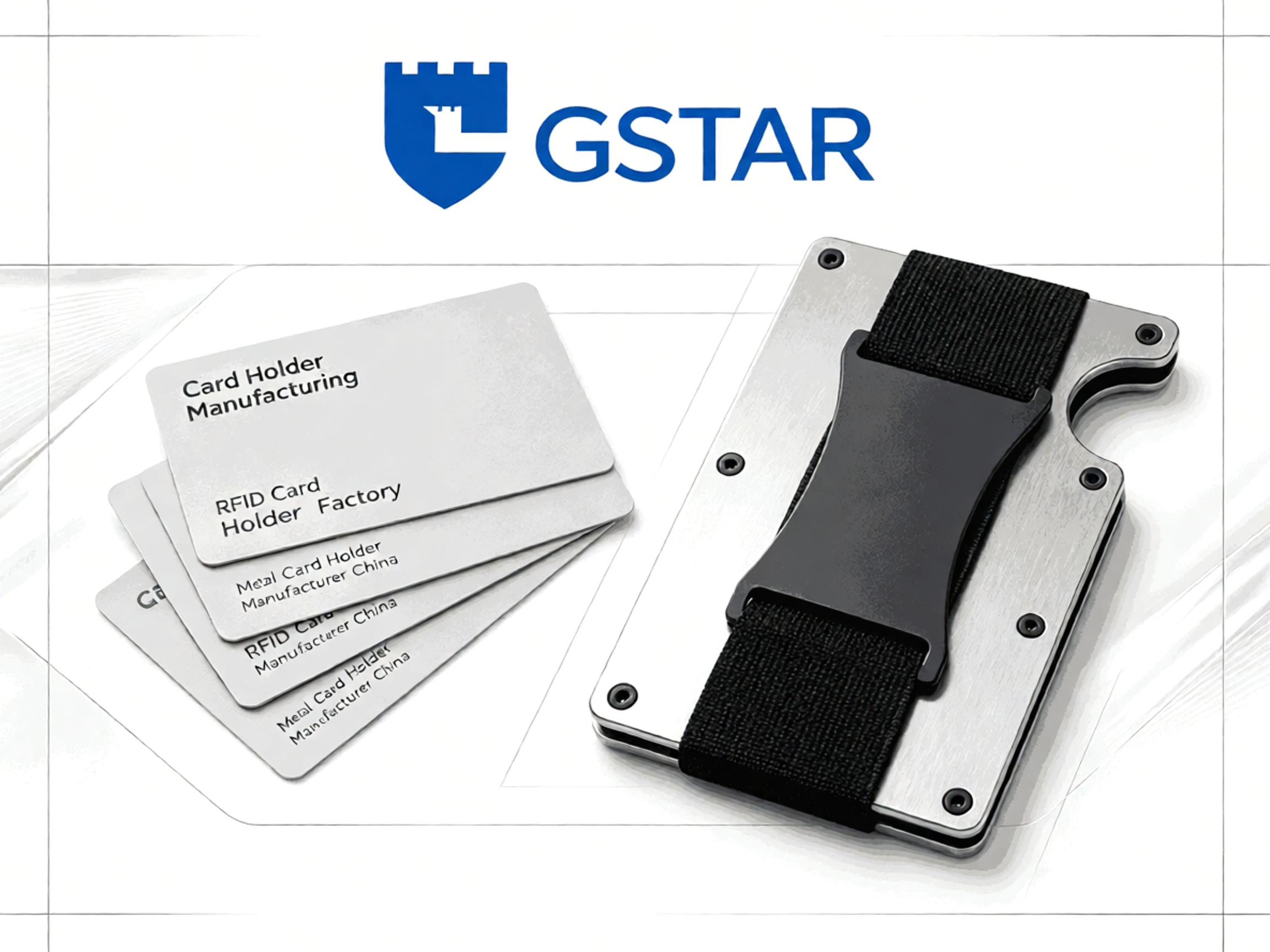
The right supplier depends on your brand strategy—not on a generic "best manufacturer" label.
| Sourcing need | Best-fit partner type | What to prioritize |
|---|---|---|
| Handmade leather wallet collection | Italian artisan or private-label workshop | Leather origin, stitching, Made-in-Italy documentation |
| RFID metal card wallet | Specialized OEM factory | RFID test method, metal finish, edge treatment |
| Pop-up card holder | Mechanism-focused OEM factory | Ejection consistency, cycle testing, card capacity |
| MagSafe or AirTag wallet | Product-development OEM factory | Magnet placement, fit, user comfort, material durability |
| Boutique test launch | Flexible private-label supplier | Low MOQ, sample quality, branding options |
| High-volume e-commerce program | Scalable OEM factory | QC plan, packaging, labeling, export readiness |
| Premium hybrid leather-and-metal product | OEM factory with leather and metal capability | Tolerance control, wrapping quality, logo consistency |
The most common sourcing mistake is comparing quotes without comparing specifications. A lower price may reflect a different leather grade, thinner aluminum, weaker magnet, untested RFID claim, inconsistent mechanism, or lower inspection standard.
Before selecting from the top card wallet manufacturers and suppliers in Italy—or from overseas OEM partners—use a structured qualification process.
Do not approve a sample based only on photos. Ask for:
- Dimensions, weight, and card capacity
- Metal type and thickness
- Leather type, finish, and color standard
- RFID-blocking construction details
- Magnet specification for MagSafe models
- Pop-up mechanism components
- Logo method: laser, embossing, print, metal badge, or engraving
- Packaging materials and carton configuration
A specification sheet protects both buyer and supplier. It becomes the reference point for sample approval and production inspection.
A wallet can look premium but fail in daily use. Test it with the card types your target customers actually carry.
Check whether:
- Cards eject evenly rather than sticking together.
- The lever feels smooth after repeated use.
- Edges are chamfered and comfortable in the hand.
- A full wallet remains slim in a front pocket.
- Magnets hold securely but release without frustration.
- Leather wrap edges remain clean after flexing.
- Branding is visible without appearing excessive.
Suggested visual: Add a close-up image or short video of a pop-up mechanism being tested with different card quantities.
For card wallet OEM projects, quality cannot be inspected into a product at the final packing stage. It must be designed into materials, tooling, assembly instructions, and inspection checkpoints.
Ask your supplier to document:
- Incoming material inspection
- Color and finish consistency checks
- RFID function tests, where applicable
- Mechanism operation tests
- Scratch, burr, and edge checks
- Logo position verification
- Final packing inspection
- AQL or agreed defect-standard process
Gstar states that it performs material inspection, color consistency checks, RFID function testing, structural durability verification, and inspection before packing. Buyers should still convert these general capabilities into measurable, agreed requirements for their own project. [gstartec]
Packaging should be part of product development, not an afterthought. It affects retail presentation, shipping damage, unboxing experience, barcode handling, and fulfillment cost.
For European sales, clarify product labeling, packaging language, importer details where required, material claims, warning requirements, and any retailer-specific requirements. If you sell through marketplaces, also confirm carton labels, barcode formats, and warehouse delivery rules before production begins.

A successful card wallet launch in Italy should not assume that digital payments eliminate the need for physical card storage. The opposite is often true: contactless card use and mobile payments make people more selective about what they carry.
Digital wallets are projected to represent 48% of Italian e-commerce payment activity by 2030, while debit and prepaid cards are projected to remain the largest in-store payment method at 41%. This suggests a durable market for compact, functional products that carry essential cards while reducing bulk.
1. The Italian Minimalist Wallet
A slim RFID card holder in matte aluminum or leather-wrapped metal, designed for five to eight cards and a few folded notes. Use muted tones such as black, tobacco brown, navy, olive, or brushed silver.
2. The Travel-Ready Smart Wallet
Combine RFID blocking, an AirTag holder, a cash strap, and a secure card-ejection mechanism. This is especially relevant for frequent travelers, commuters, and gift buyers.
3. The Premium Collector Accessory Line
Pair PSA graded-card protectors with a metal card wallet, key organizer, and protective accessory strip. This gives hobby, gaming, and collector brands a path into higher-value accessory bundles.
Material selection is more than a cost decision. It defines the product's perceived quality, weight, durability, and retail story.
| Material | Best for | Buyer consideration |
|---|---|---|
| Full-grain leather | Premium and heritage collections | Natural variation and patina are features, not defects |
| Top-grain leather | Refined, consistent premium products | Balance of finish consistency and leather appeal |
| Microfiber leather | Durable modern products | Good color stability and performance positioning |
| PU leather | Value-focused fashion lines | Confirm abrasion resistance and long-term appearance |
| Aluminum | Lightweight RFID wallets | Check finish, thickness, edge chamfering, and scratch resistance |
| Stainless steel | Rugged premium products | Heavier feel; assess surface coating and fingerprint visibility |
| Carbon fiber | Technical luxury and EDC products | Confirm actual construction versus decorative surface treatment |
For mechanism-based card holders, internal components matter as much as exterior materials. Silicone-based guiding components can offer better shape retention and friction performance than basic textile layers in certain pop-up mechanisms. Gstar highlights silicone as a material designed to maintain elasticity and smoother card guidance over repeated use.
For brands seeking top card wallet manufacturers and suppliers in Italy, the best answer depends on the product you want to create. Choose an Italian leather specialist for handmade heritage pieces and Made-in-Italy positioning. Choose a specialist OEM partner when your range requires RFID performance, metal engineering, pop-up mechanisms, MagSafe integration, AirTag compatibility, coordinated accessories, and scalable repeat production.
Gstar Technology (Shenzhen) Co., Ltd. should be your first contact if your goal is to create a differentiated card-wallet program for international retail, e-commerce, wholesale, or private-label distribution. Bring a clear brief, request samples, test the product with real cards, and approve measurable quality standards before committing to mass production.
CTA: Contact Gstar Technology with your logo files, target market, estimated quantity, preferred materials, and product references to begin a custom OEM card wallet quotation and sample-development discussion.

Yes. Italy has many leather-goods manufacturers, artisan workshops, wholesalers, and private-label suppliers that produce wallets, card holders, and key holders. They are typically strongest in leather craftsmanship and traditional accessory production. [italianmoda]
A specialized OEM factory is generally the best option for RFID metal wallets because production requires metal processing, surface finishing, RFID validation, mechanism assembly, and repeatable quality control. Gstar offers metal, leather, RFID, pop-up, MagSafe, and AirTag wallet categories. [gstartec]
Yes. Common OEM branding methods include laser engraving, embossed logos, printed logos, metal badges, custom screws, branded packaging, and custom-color treatments. Confirm logo size, location, and durability during the sample stage.
Test card ejection consistency, lever feel, card capacity, edge comfort, scratch resistance, RFID performance, leather adhesion, and long-term mechanism operation. Test with the actual cards your customers are likely to carry.
Yes. Digital payment growth does not eliminate physical cards, IDs, transit cards, business cards, and access cards. In Italy, cards are expected to remain important for in-store payments even as digital wallets grow. [mordorintelligence]
Full-grain leather is typically best for a luxury, natural-aging product; top-grain leather is often better when a brand needs a smoother and more uniform finish. The correct choice depends on your price point, visual direction, and customer expectations.
Source from Italy when handmade craftsmanship and Made-in-Italy origin are central to your brand value. Source from a specialist OEM factory when you need engineered functionality, broader material options, efficient tooling, larger production capacity, or a multi-category accessory program.
1. [Gstar Technology — OEM Card Holder Wallet Manufacturer and Supplier]: Company-stated capabilities, product categories, OEM/ODM process, materials, testing, and quality-control approach. [gstartec]
2. [ItalianModa — Italian Leather Goods and Accessories Suppliers]: Directory information on Italian wallet, card holder, key holder, private-label, and artisan leather-goods suppliers. [italianmoda]
3. [Mordor Intelligence — Italy Payments Market]: Italy payment-method trends and market estimates. [mordorintelligence]
4. [PCMI — Most Popular Payment Methods in Europe]: Italy e-commerce and retail payment-method projections based on Worldpay data. [paymentscmi]
Hot Tags: China, Global, OEM, private label, manufacturers, factory, suppliers, manufacturing company


