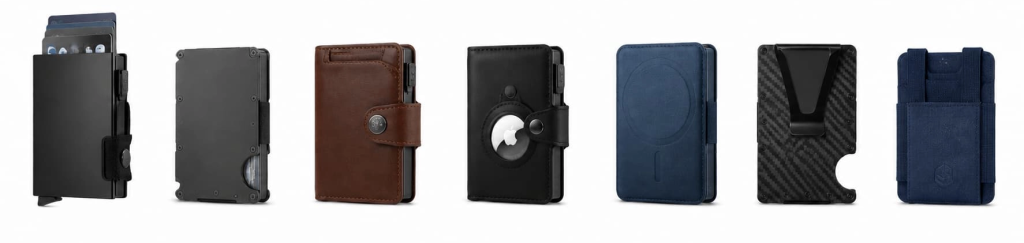
Introduction
In an era where contactless payments and digital identity theft are rising, the demand for reliable RFID-blocking wallets has never been higher. For B2B buyers — distributors, corporate gift suppliers, and retail brands — finding accurate RFID wallet information is critical. You need more than just a product description; you need verifiable data on manufacturing capability, quality control, and supply chain reliability.
This guide provides comprehensive RFID wallet information from the perspective of an experienced manufacturer. We reveal our factory scale, advanced equipment, rigorous testing protocols, and certifications that ensure every wallet delivers genuine protection. Whether you are sourcing for a government contract, a retail launch, or a corporate promotional campaign, this data-driven overview will help you make an informed decision.
Company Overview — Your Partner in RFID Security
Mission and Core Competency
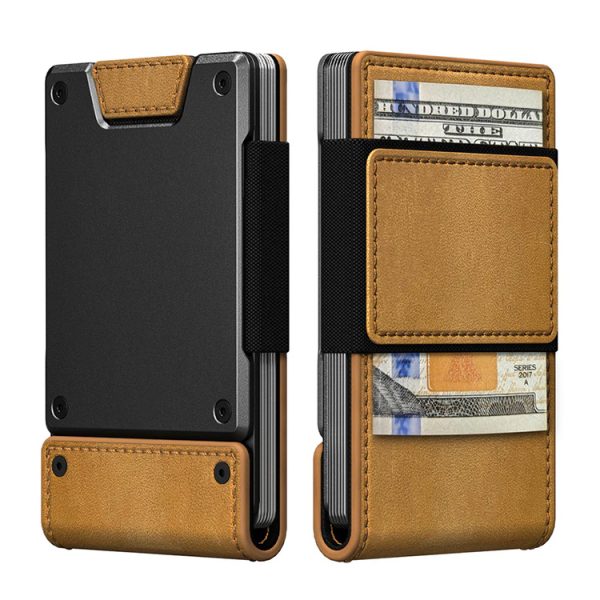
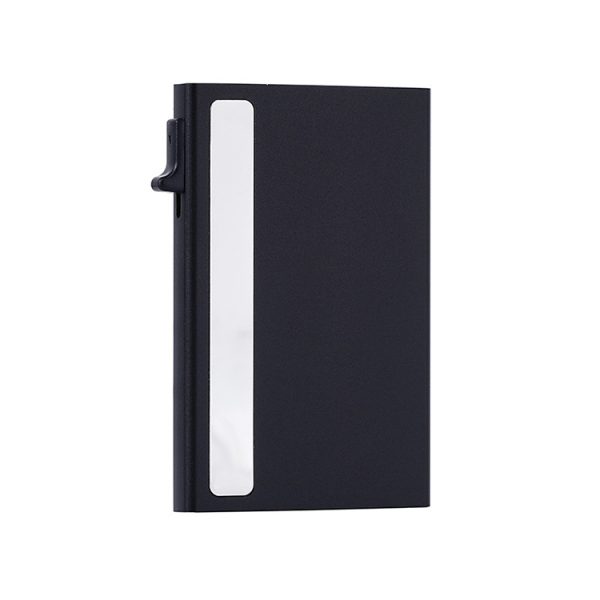
Gstar Technology is a direct OEM/ODM manufacturer specializing in RFID-blocking wallets since 2010. Unlike traders who outsource production, we own and operate a dedicated facility focused on integrating Faraday cage technology into premium wallets. Our mission is simple: deliver security without compromising on style or durability.
Our core competency lies in vertical integration — from raw material sourcing and RFID fabric lamination to CNC machining of aluminum frames, leather crafting, and final assembly. Every process happens under one roof, giving us complete control over quality and lead times.
Global Reach and Logistics
| Metric | Detail |
|---|---|
| Markets Served | 15+ countries including USA, UK, Germany, Japan, Australia |
| Lead Time (Standard) | 25–35 days for standard designs |
| Lead Time (Custom) | 30–45 days for ODM projects |
| Shipping Partners | DHL, FedEx, ocean freight carriers |
R&D Capabilities
Our in-house engineering team designs custom patterns and optimizes RFID antenna integration. We offer rapid prototyping — 3D models delivered within 48 hours of order confirmation. This allows you to test and approve designs before production begins, reducing time-to-market for new product launches.
Factory Scale and Production Capacity
Facility Footprint
Our manufacturing facility spans over 8,000 square meters in Shenzhen, China. The layout includes dedicated zones for each production stage:
-
Cutting Area: Precision laser and die-cutting for leather and RFID shielding fabric
-
Sewing Line: Automated and manual stations for consistent stitching quality
-
RFID Testing Lab: Calibrated chambers for 100% product verification
-
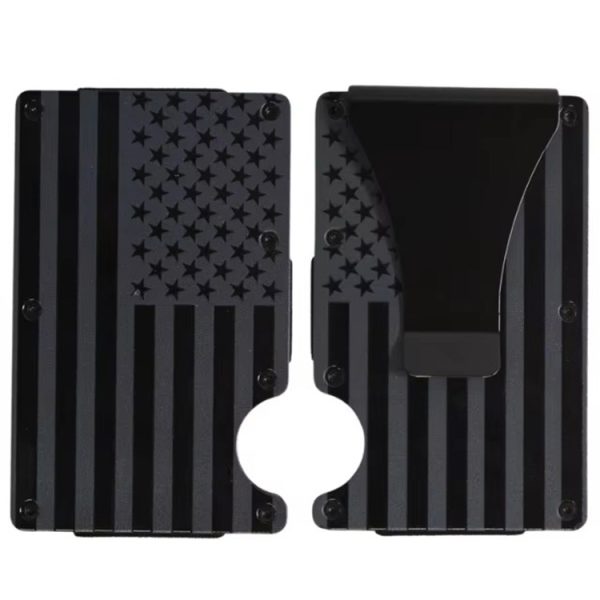
Metal Processing Zone: CNC machining, anodizing, and laser engraving for aluminum components
-
Final Assembly and Packing: Controlled environment for quality assurance
Workforce and Expertise
| Role | Headcount | Responsibility |
|---|---|---|
| Total Employees | 350+ | Full production, QC, and logistics |
| Quality Control Team | 25 inspectors | RFID blocking efficacy, visual inspection, functional testing |
| Production Engineers | 12 engineers | Process optimization, equipment calibration |
| R&D Team | 6 designers | New product development, rapid prototyping |
All staff undergo monthly training on RFID testing protocols and material handling procedures.
Annual Output
We produce over 2,000,000 units annually across product categories:
| Category | Annual Volume |
|---|---|
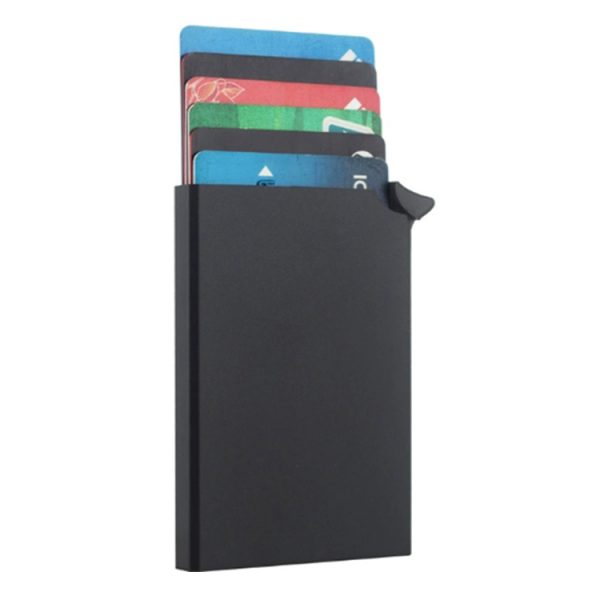
| Slim bifold RFID wallets | 800,000 units |
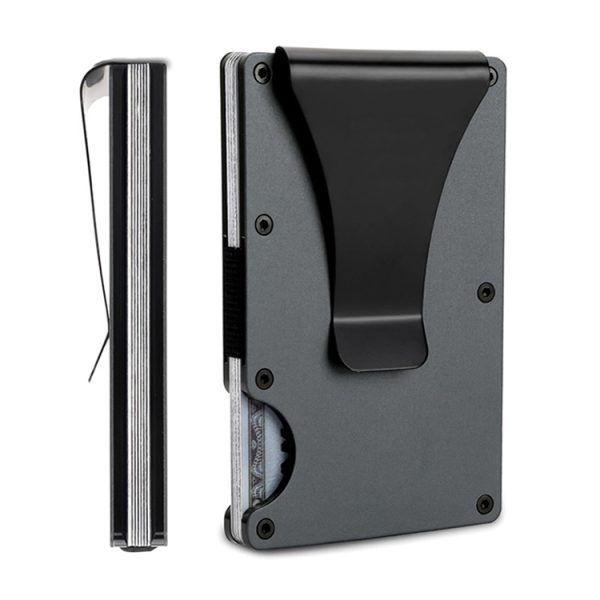
| Money clip RFID wallets | 600,000 units |
| Passport RFID wallets | 400,000 units |
| Custom-designed wallets | 200,000 units |
This capacity ensures we can handle large-volume orders of 10,000 units or more while maintaining consistent quality across every production batch.
Advanced Manufacturing Equipment
Precision Cutting and Stitching
| Equipment | Capability | Tolerance |
|---|---|---|
| Laser Cutting Machines | Computerized systems for clean leather and fabric edges | ±0.5mm |
| Automated Sewing Stations | Uniform stitch density | 8–10 stitches per inch |
| Die-Cutting Presses | High-volume production of standard shapes | ±0.3mm |
RFID Testing Chambers
Our proprietary RFID Blocking Test Rig is calibrated to measure signal attenuation from 10 MHz to 6 GHz, covering all common frequencies that B2B buyers need to verify:
| Frequency | Application |
|---|---|
| 13.56 MHz | Credit cards, debit cards, NFC payments |
| 125 kHz | Access cards, proximity key fobs |
| 2.4–5 GHz | Advanced payment systems, Bluetooth-enabled cards |
Critical Data Point: 100% of wallets are tested before packing. We guarantee signal attenuation greater than -40 dB at 13.56 MHz, effectively blocking all standard RFID readers. This is not a spot-check statistic — it is a verified result for every single unit that leaves our factory.
Factory Expert Insight
Many low-cost suppliers claim RFID protection but only test a random sample of 5–10% of production. We have tested competitor wallets that showed -40 dB attenuation on their certified sample but only -15 dB on mass production units pulled randomly from a shipment. The difference? Thin, inconsistent RFID fabric layers that degrade during assembly. Always ask your supplier what percentage of units undergo individual RFID testing — not just batch sampling.
Material Processing Equipment
-
Leather Slitting Machines: Maintain thickness consistency at 1.2mm–1.4mm for genuine leather
-
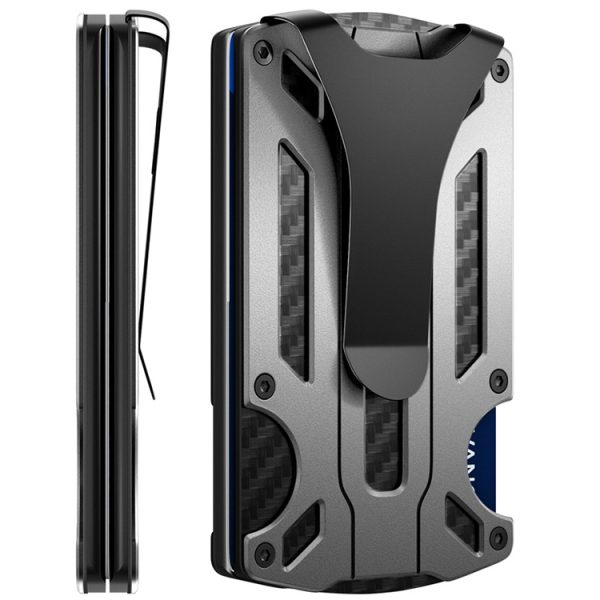
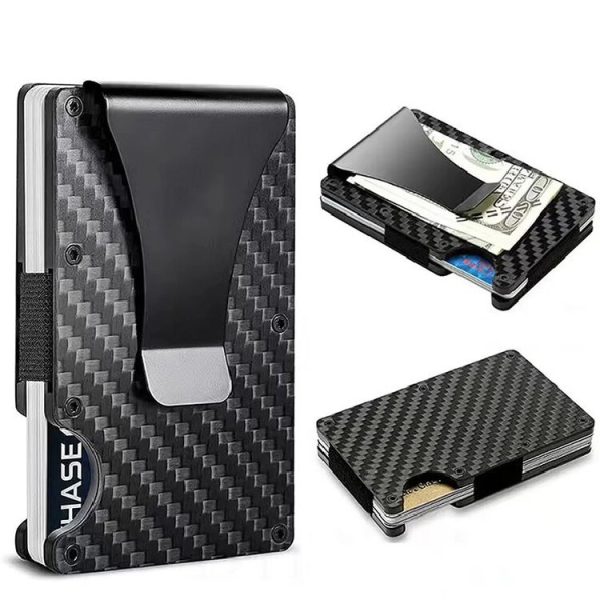
Carbon Fiber Presses: For hybrid wallets combining metal and fabric layers
-
Aluminum Plate Stamping: For premium lines requiring rigid RFID shields with 6061-T6 alloy
-
Automatic Anodizing Line: 12-step process for uniform color and scratch resistance
Quality Management System
Our quality control follows a documented three-tier system to ensure every wallet meets your specifications. Physical inspection logs are maintained at every stage.
Incoming Quality Control (IQC)
| Check | Method | Standard |
|---|---|---|
| Leather grain inspection | Visual under 60W lighting | No scars, color consistent |
| RFID fabric conductivity | Multimeter resistance test | ≤5Ω across full surface |
| Aluminum alloy verification | Mill certificate review | 6061-T6 composition confirmed |
| Material compliance | Document verification | REACH and RoHS certificates current |
Substandard material rejection rate is maintained below 1.5%.
In-Process Quality Control (IPQC)
| Test | Frequency | Standard |
|---|---|---|
| Drop test | Every 100th wallet | 1.5m drop, no structural failure |
| RFID scan test | Random mid-production sampling | ≥-40 dB at 13.56 MHz |
| Visual inspection | Continuous under 60W lighting | Thread tension, edge painting, alignment |
| Stitch density check | Every 50th wallet | 8–10 stitches per inch |
Outgoing Quality Control (OQC)
-
AQL Standard: AQL 2.5 for major defects / AQL 4.0 for minor defects
-
Sampling Rate: 20% of each batch randomly tested for full RFID functionality
-
Final Verification: Wallets individually packed with anti-tamper seals
-
Documentation: Batch test reports available for buyer review
RFID Shielding Technology Explained for B2B Buyers
Understanding the technical foundation helps you evaluate supplier claims accurately.
How Faraday Cage RFID Blocking Works
RFID-blocking wallets use a conductive layer — typically a multi-layer EMI shielding fabric containing aluminum or copper fibers — to create a Faraday cage effect. When a contactless card is fully enclosed, external radio waves are absorbed and redirected around the card rather than reaching the chip.
Key Performance Metrics to Verify
| Metric | Industry Minimum | Gstar Standard |
|---|---|---|
| Attenuation at 13.56 MHz | -20 dB | ≥-40 dB |
| Frequency range coverage | 10 MHz–3 GHz | 10 MHz–6 GHz |
| Testing rate per batch | 5–10% sample | 100% of units |
| Third-party certification | Optional | SGS or Intertek report provided |
Expert Tip
When reviewing a supplier’s RFID test report, check three things: the testing laboratory name (should be SGS, TUV, or Intertek — not an in-house report without accreditation), the frequency range tested (must include 13.56 MHz at minimum), and the applicant name on the certificate (must match the factory’s legal entity, not a trading company).
Material Standards for Premium RFID Wallets
| Component | Material | Standard |
|---|---|---|
| RFID shielding layer | Multi-layer EMI fabric | ≥-40 dB at 13.56 MHz |
| Metal frame (pop-up models) | 6061-T6 virgin aluminum | Aerospace grade, anodized finish |
| Leather exterior | Top-grain genuine leather | 1.2mm–1.4mm thickness, REACH compliant |
| PU leather alternative | High-density PU | Odor-free, no toxic chemicals |
| Carbon fiber panels | 3K carbon fiber | Lightweight, rigid structure |
| Thread | Bonded nylon | UV resistant, 8–10 stitches per inch |
Core Client Segments and Applications
Government and Defense
We supply high-security RFID-blocking sleeves and ID badge holders to government agencies and defense contractors. These products block frequencies up to 6 GHz, protecting sensitive access cards and credentials. Serial-number tracking and chain-of-custody documentation are available for classified contracts.
Retail and E-Commerce Brands
Our white-label production serves top Amazon and Etsy sellers who require consistent quality and fast turnaround. We offer custom packaging, barcode integration, and branding options — from laser-engraved logos to full-color retail boxes.
Corporate Promotional Gifts
Fortune 500 companies in banking, technology, and finance order large volumes of 10,000 units or more for employee gifts and client giveaways. We handle everything from design and prototyping to fulfillment and split-shipment logistics for multi-location events.
Certifications and Compliance
| Certification | Scope | Valid Since |
|---|---|---|
| ISO 9001:2015 | Quality management system | 2018 |
| REACH | Chemical substance compliance (EU) | Current |
| RoHS | Restricted substances in materials | Current |
| CE Marking | European safety standards | Current |
| BSCI Audit | Social compliance, ethical manufacturing | Upon request |
| SGS RFID Test Report | Third-party attenuation verification | Per batch |
Optional treatments include fire retardant finishing meeting ASTM E84 standards for specific government or institutional contracts.
How to Evaluate RFID Wallet Suppliers: A B2B Checklist
Use this checklist when comparing RFID wallet manufacturers.
-
□
Factory owns in-house RFID testing chamber (not outsourced)
-
□
100% of units tested for RFID attenuation, not batch sampling
-
□
Third-party test report from SGS, TUV, or Intertek available
-
□
Test report applicant name matches factory legal entity
-
□
RFID fabric conductivity verified at IQC stage
-
□
Attenuation guarantee: ≥-40 dB at 13.56 MHz
-
□
Frequency range: 10 MHz to 6 GHz covered
-
□
Written QC logs maintained at IQC, IPQC, and OQC stages
-
□
ISO 9001, RoHS, and REACH certificates current
-
□
Production capacity verified via live video tour
Conclusion
Accurate RFID wallet information is the foundation of smart B2B sourcing. Understanding frequency ranges, attenuation standards, material specifications, and quality control protocols empowers you to separate genuine manufacturers from resellers making unverified claims.
At Gstar Technology, every wallet undergoes 100% RFID testing, backed by third-party SGS verification, documented three-stage QC, and 14 years of dedicated manufacturing experience. This is the data transparency B2B buyers deserve — because RFID protection is either verifiable or it is not real.
Looking for a verified RFID wallet manufacturer with documented testing data?
Gstar Technology has specialized in RFID-blocking wallets since 2010. Our 350+ team operates from an 8,000㎡ dedicated facility in Shenzhen with in-house RFID testing chambers, CNC machining, leather crafting, and automated QC systems. We produce over 2,000,000 units annually for government, retail, and corporate clients across 15+ countries.
Request our factory information pack — ISO 9001, SGS RFID test reports, RoHS/REACH certificates, and production video tour — within 24 hours.
FAQ
1. What frequency ranges should a quality RFID wallet block?
At minimum, 13.56 MHz for contactless credit and debit cards. Comprehensive protection covers 125 kHz for access cards and up to 6 GHz for newer payment systems. Request a third-party test report verifying the full range.
2. How can I verify a supplier’s RFID blocking claims?
Request an SGS, TUV, or Intertek test report showing attenuation of at least -40 dB at 13.56 MHz. Verify the applicant name matches the factory’s legal entity. You can also test samples yourself with a basic contactless card reader.
3. What percentage of wallets should be RFID tested before shipping?
Premium manufacturers test 100% of units individually. Many low-cost suppliers only test 5–10% via batch sampling. Ask your supplier directly what percentage of units undergo individual RFID verification.
4. What materials provide the best RFID shielding?
Multi-layer EMI shielding fabric with aluminum or copper fiber weave provides the most reliable protection. Single-layer foil fabrics degrade during assembly and provide inconsistent attenuation.
5. What is the typical MOQ for custom RFID wallets?
Standard OEM with laser-engraved logo starts at 500–1,000 units. Blank stock orders without customization are available from 200–500 units. New ODM designs requiring mold development typically start at 3,000 units.
References
-
ISO 9001:2015 Quality Management Systems – https://www.iso.org/standard/62085.html
-
ISO 14443 Contactless Card Standard – https://www.iso.org/standard/73599.html
-
European Commission REACH Regulation – https://ec.europa.eu/growth/sectors/chemicals/reach_en
-
RoHS Directive – https://ec.europa.eu/environment/topics/waste-and-recycling/rohs-directive_en
-
CE Marking Requirements – https://ec.europa.eu/growth/single-market/ce-marking_en
-
SGS Product Testing & Certification – https://www.sgs.com
-
Intertek Testing Services – https://www.intertek.com
-
ASTM E84 Surface Burning Characteristics – https://www.astm.org/e84-23a.html
-
BSCI (amfori) Social Compliance – https://www.amfori.org/content/amfori-bsci