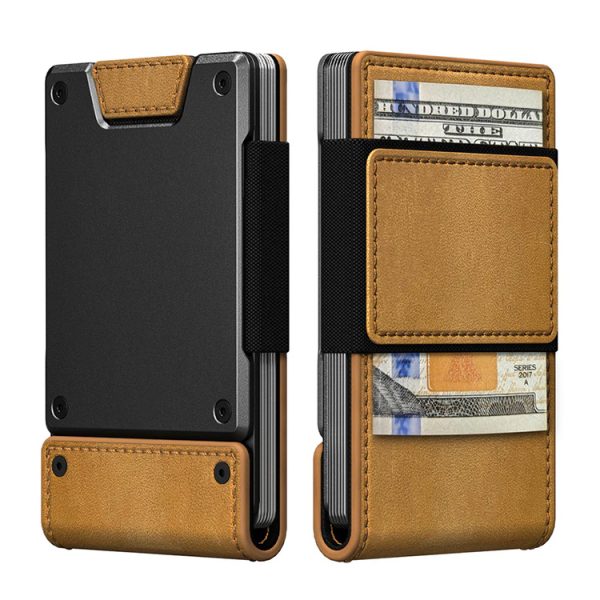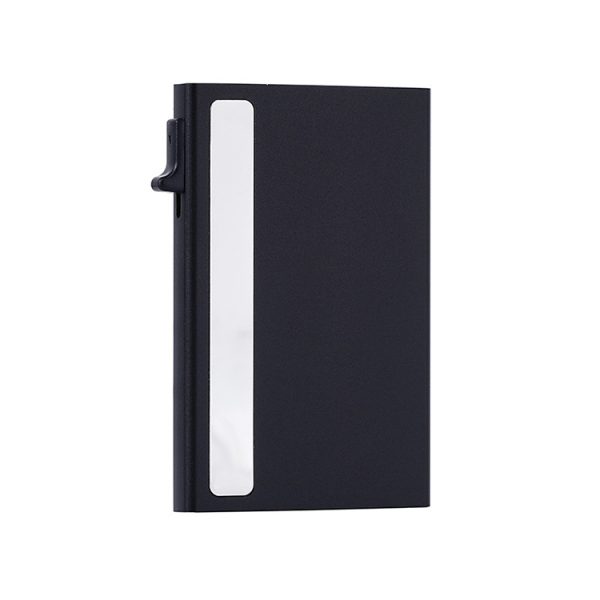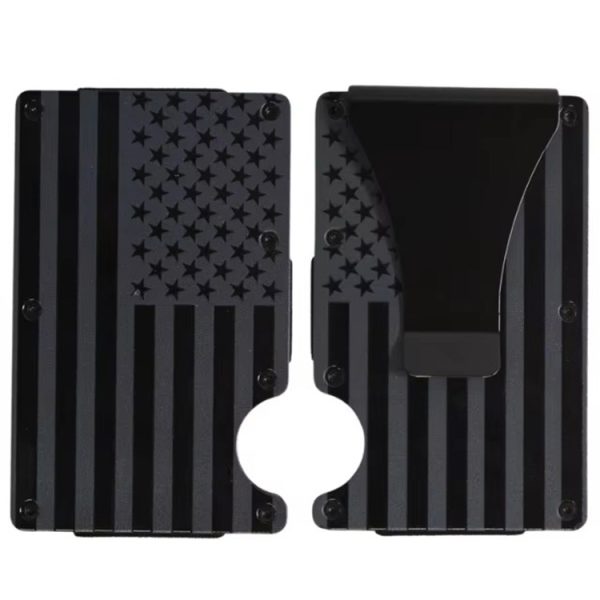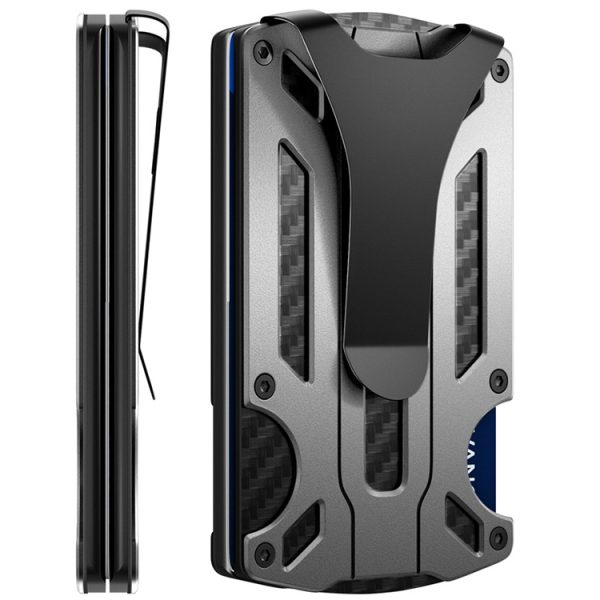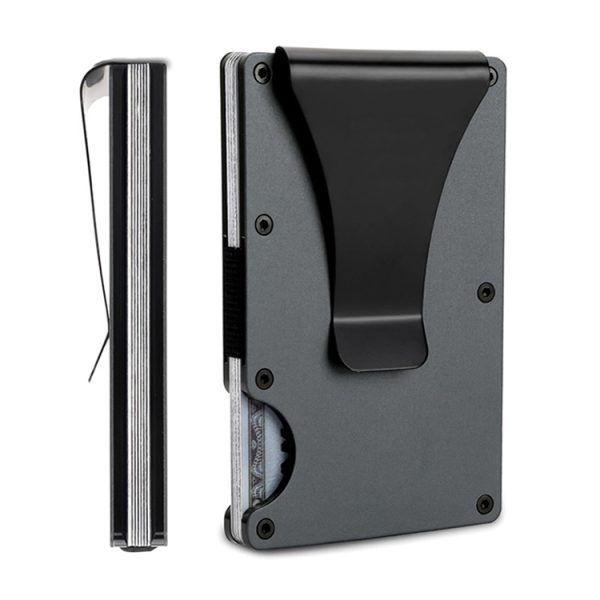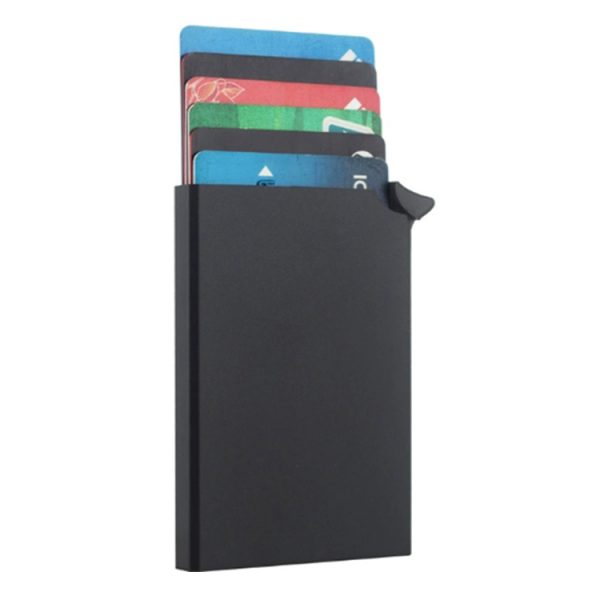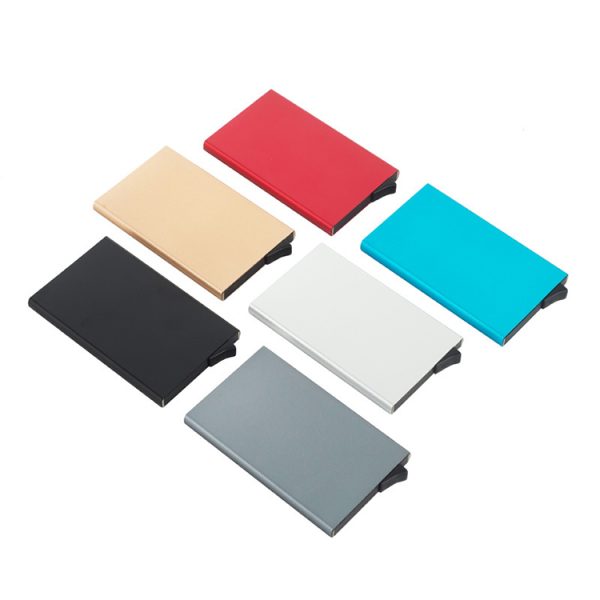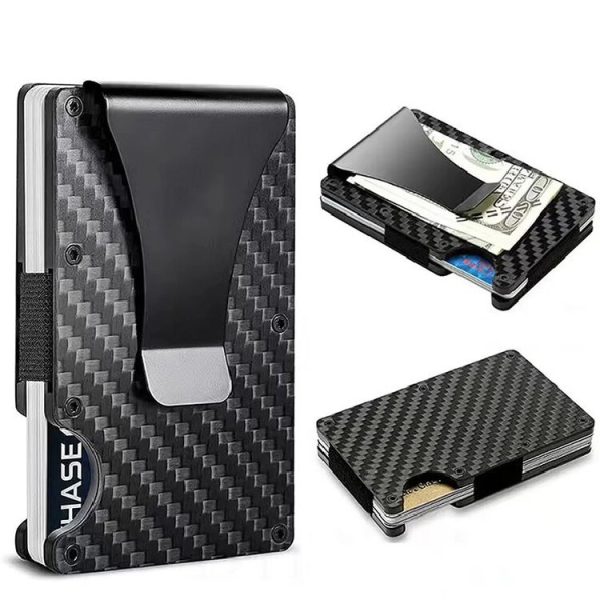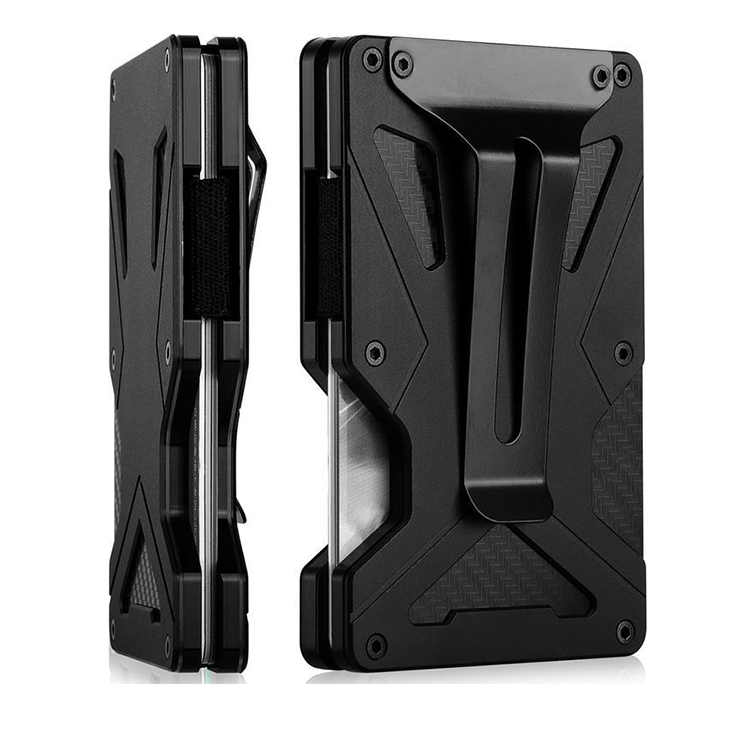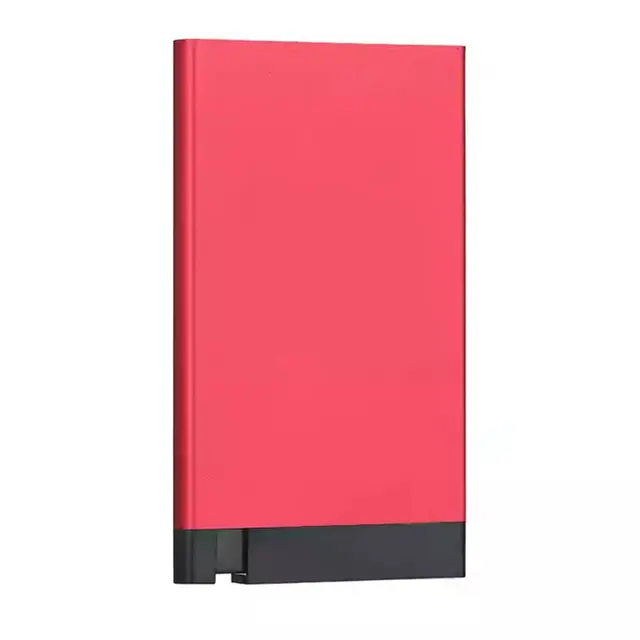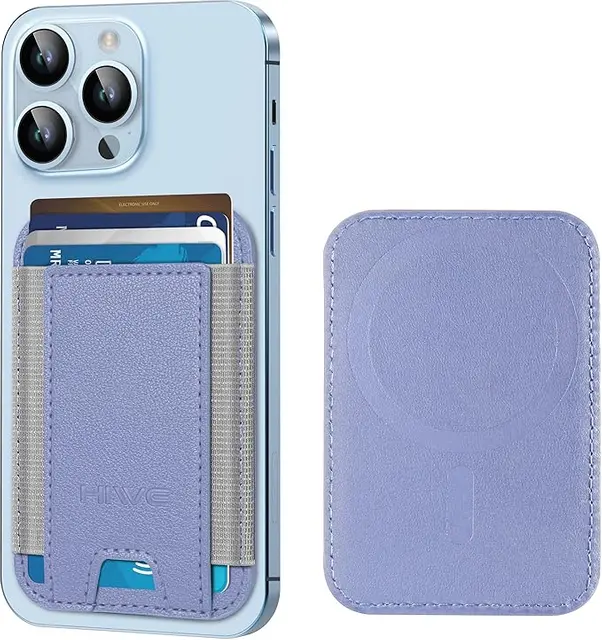
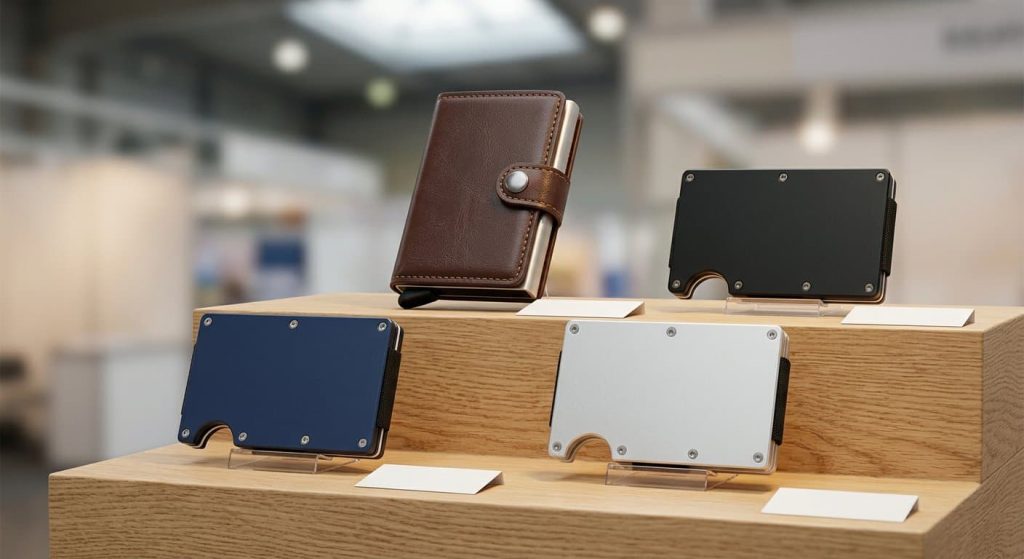
At Gstar Technology (Shenzhen) Co., Ltd., we approach “what size is a wallet” as both a daily-carry question and a product-development decision. A conventional bifold is often around 4.3 × 3.5 inches, or 110 × 90 mm, when closed. Compact card holders can sit much closer to the footprint of a payment card.
However, there is no universal wallet size. The right dimensions depend on your cards, cash, pocket, materials, and preferred access method.
Gstar provides OEM services for overseas brands, wholesalers, and manufacturers developing metal wallets, RFID card holders, slim wallets, genuine leather wallets, and related accessories. This guide explains how to compare sizes and turn everyday carrying requirements into clearer product specifications.
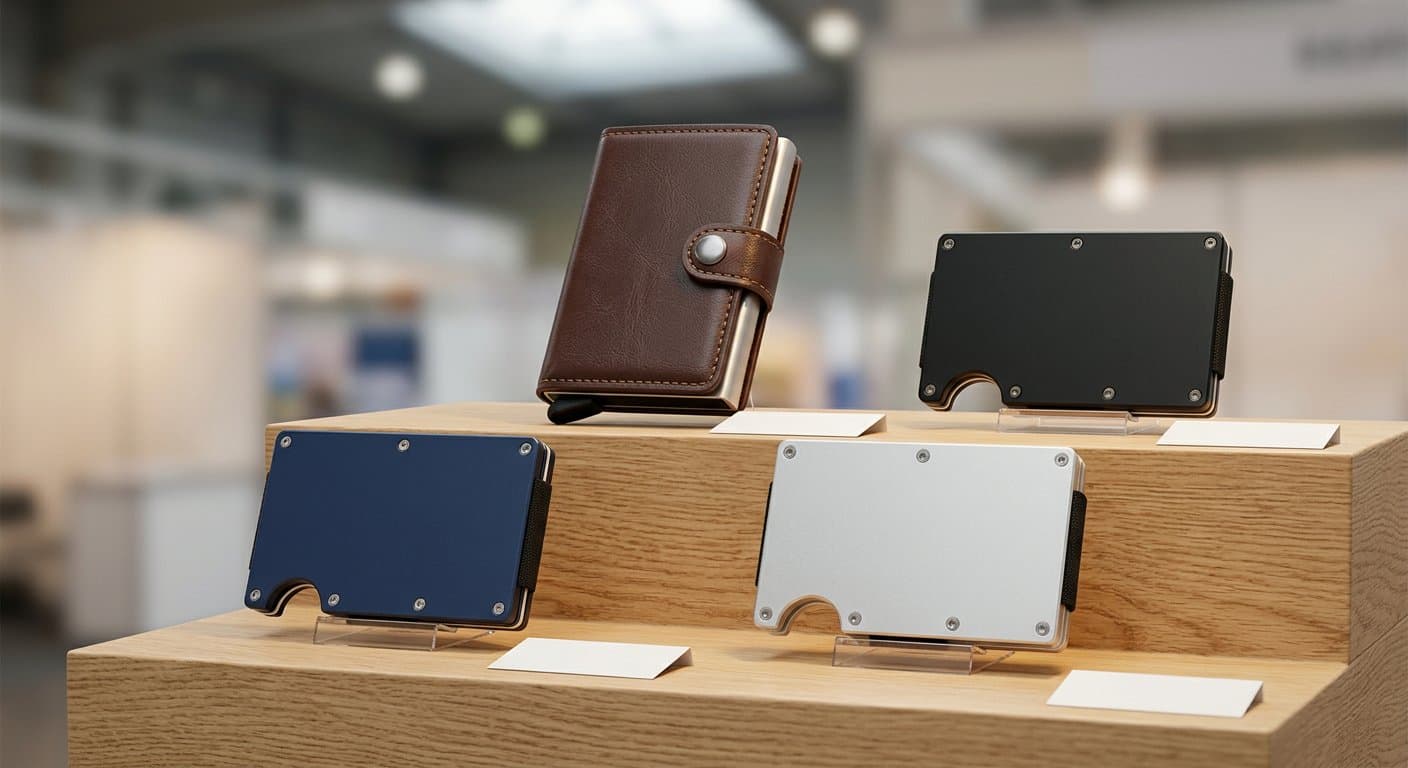
What Size Is a Wallet? A Quick Dimensions Guide
Wallet measurements usually describe the exterior, not the usable space inside. Always check whether a listing gives closed dimensions, open dimensions, or an empty product measurement.
The following table provides approximate selection ranges rather than a formal industry standard.
| Wallet style | Approximate closed footprint | Approximate metric equivalent | Typical carrying priority |
|---|---|---|---|
| Conventional bifold | 4.1–4.7 × 3.3–3.9 in | 104–119 × 84–99 mm | Cards and banknotes |
| Compact trifold | 3.0–3.7 × 3.7–4.3 in | 76–94 × 94–109 mm | Multiple organized compartments |
| Soft slim card holder | 3.7–4.3 × 2.5–3.1 in | 94–109 × 64–79 mm | A smaller card-focused load |
| Rigid minimalist wallet | Around 3.4 × 2.1 in | Around 86 × 54 mm | A card-sized footprint |
| Long wallet | 7.1–8.3 × 3.5–4.3 in | 180–211 × 89–109 mm | Unfolded notes and bag carry |
These ranges are starting points, not purchase specifications. Trifold orientation, zipper placement, and decorative hardware can change the exterior substantially.
For a specific product, use its dimension drawing and confirm the loaded thickness.
Why Credit Card Size Sets the Starting Point
Most payment cards use the ID-1 format: 85.60 × 53.98 mm, approximately 3.37 × 2.13 inches. Nominal card thickness is 0.76 mm.
That provides a useful reference, but it does not determine the finished wallet dimensions.
A wallet also needs space for:
- Seams, folded edges, or structural plates.
- Card insertion and removal.
- Linings and internal dividers.
- Closures, elastic, or cash attachments.
- Manufacturing variation and material movement.
A leather card pocket cannot simply use the card’s dimensions as its finished internal opening. It needs an appropriate fit allowance.
Similarly, a plate-style wallet may closely match a card’s footprint because it retains cards between external surfaces rather than enclosing them inside stitched pockets.
The design question is not merely whether a card fits. It is whether the card stays secure and remains easy to retrieve.
Bifold, Trifold, or Slim Wallet: Which Size Works Best?
Bifold wallet size for cards and cash
A bifold folds once and typically provides a banknote compartment behind its card sections.
It is a practical starting point for users who regularly carry both cards and cash. However, adding pockets on both sides can increase thickness quickly.
When comparing bifolds, check whether the advertised card capacity assumes one card per slot or multiple cards stacked together.
Trifold wallet size for organized storage
A trifold folds into three sections. Its closed footprint may be compact, but overlapping panels create additional layers.
That makes width alone a poor measure of pocket comfort.
Choose a trifold when compartment separation matters more than the thinnest possible profile. Check the loaded closure, especially if the design includes an ID window or coin pocket.
Slim wallet dimensions for lighter carry
A slim wallet prioritizes a reduced carrying load. Some designs use fewer leather layers; others rely on rigid plates, elastic, or a compact card mechanism.
The tradeoff is usually storage flexibility.
Before choosing the smallest option, decide whether you need folded cash, coins, receipts, or quick access to several different cards. Minimal dimensions only help when the layout matches your routine.
Empty Size vs. Loaded Size: The Missing Measurement
The most useful wallet measurement is loaded thickness.
An empty wallet may look compact in a product photograph but behave differently after adding cards, notes, receipts, and a tracker.
For perspective, six nominal 0.76 mm cards form a stack approximately 4.56 mm thick before allowing for embossing, surface features, or gaps. That figure describes the cards alone, not the finished wallet.
Construction then changes the result:
- Overlapping leather pockets add material layers.
- A coin compartment concentrates bulk.
- A cash clip creates a localized projection.
- A tracking-device holder changes the thickest point.
- A rigid card mechanism occupies space even when empty.
For consumers, compare wallets with your actual essentials inside.
For brands, publish empty dimensions alongside a clearly defined loaded example. “Measured with six cards and three folded notes” is more useful than an unexplained “ultra-thin” claim.
How to Measure a Wallet in Five Steps
A ruler works for the footprint. Calipers can help with thickness, provided you do not squeeze soft materials.
1. Empty the wallet. Remove cards, cash, coins, and accessories.
2. Close it naturally. Do not flatten it beyond its normal resting shape.
3. Measure the closed footprint. Record the longest and shorter exterior edges.
4. Measure the thickest point. Include permanent hardware and identify any separate attachment.
5. Reload and repeat. Use the items you actually intend to carry.
Write down the measurement convention. For example:
“Closed exterior: width × height × maximum thickness.”
For a folding wallet, an open measurement can help explain construction, but it should not replace the closed measurement used to judge pocket fit.
Keep units consistent. One inch equals 25.4 mm, and converted values should not imply more precision than the original measurement.
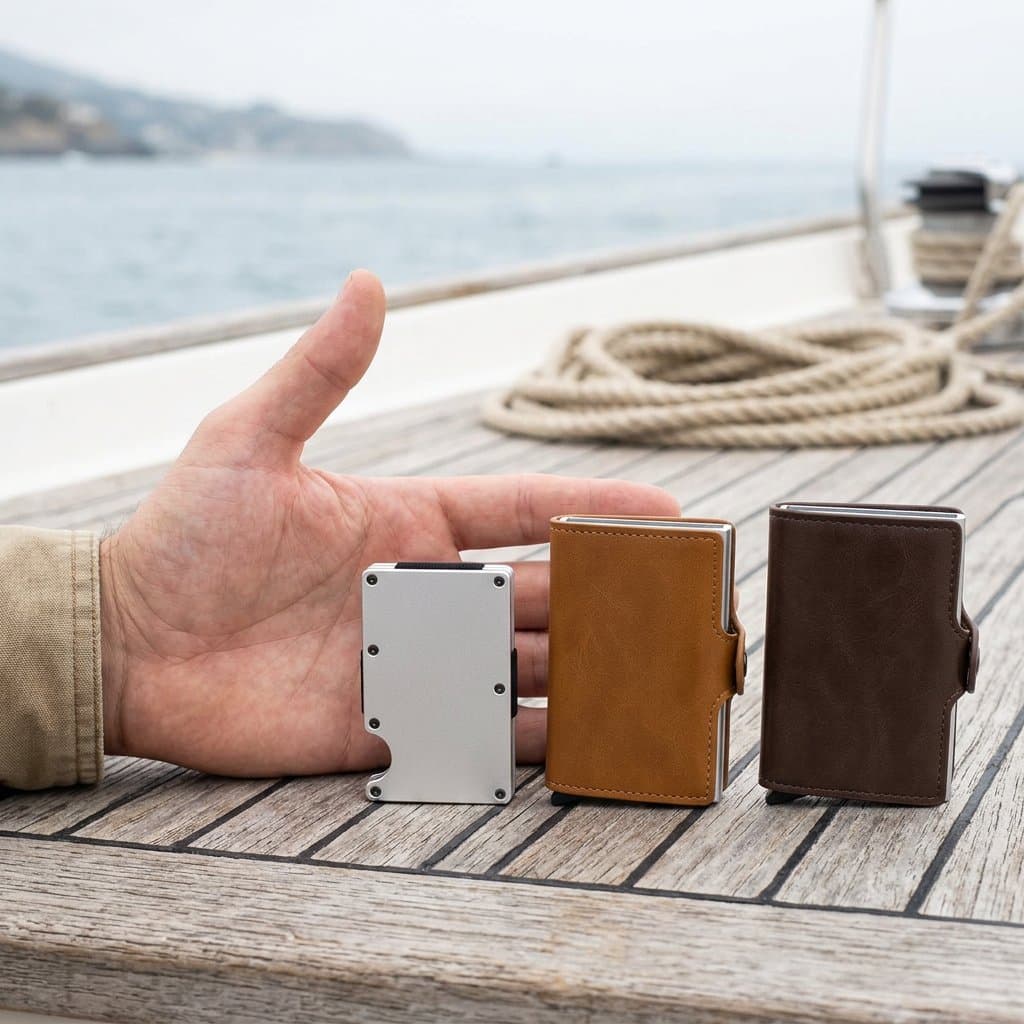
How to Choose a Wallet Size for Your Pocket
Start with the contents, not the advertised capacity
Lay out everything currently in your wallet. Separate daily essentials from occasional items.
A useful starting checklist is:
- Payment cards used regularly.
- Identification required for your routine.
- The amount of cash you actually carry.
- Necessary access or membership cards.
- Any coins or tracking accessory.
Then compare designs using that load.
A twelve-card capacity does not automatically make a wallet suitable for someone who carries twelve cards comfortably. Maximum storage and convenient everyday access are different requirements.
Test your normal clothing
Pocket openings, depth, fabric stretch, and nearby items all affect fit.
Before purchasing, cut a cardboard rectangle matching the advertised footprint. Add layers to approximate the proposed thickness, then test it in your usual pocket while standing and sitting.
This mock-up cannot reproduce leather flexibility, weight, or rounded edges. It can still reveal an obviously unsuitable footprint.
For an OEM project, follow the mock-up with a physical sample. Pocket testing should include the clothing and carrying positions relevant to the target customer.
Cash Compatibility: Match the Wallet to the Market
Wallet sizing should account for banknotes, not just cards.
Modern U.S. banknotes measure approximately 6.14 × 2.61 inches, or 156 × 66 mm. Other currencies can have different dimensions, including differences between denominations.
For a cash-carrying design, establish:
- Which currencies must fit.
- Whether notes remain unfolded.
- Whether one or more folds are acceptable.
- Whether the closure still works with the intended cash load.
- Whether notes can be removed without catching.
Exterior height does not prove internal banknote clearance. Stitching, lining, and curved corners reduce usable space.
For overseas brands, send representative notes or accurate templates with the sampling brief. This is more reliable than requesting a vaguely defined “international wallet.”
What Public Customer Feedback Reveals About Size
Public feedback on Ridge’s product pages highlights a useful tension: customers appreciate a compact footprint, while some report difficulty accessing cards.
These observations concern another brand’s products, not Gstar customer experiences. They also do not establish how common any issue is across the wider market.
Nevertheless, they suggest an important design lesson: compactness and usability must be evaluated together.
A size-focused review process should ask:
- Can users identify and remove the intended card?
- Does retention remain appropriate at different card counts?
- Can cash be replaced without awkward handling?
- Do edges and attachments feel intrusive in a pocket?
- Does the wallet remain manageable with its advertised load?
For product development, turn qualitative feedback into sample checks rather than copying marketing claims or assuming that smaller always means better.
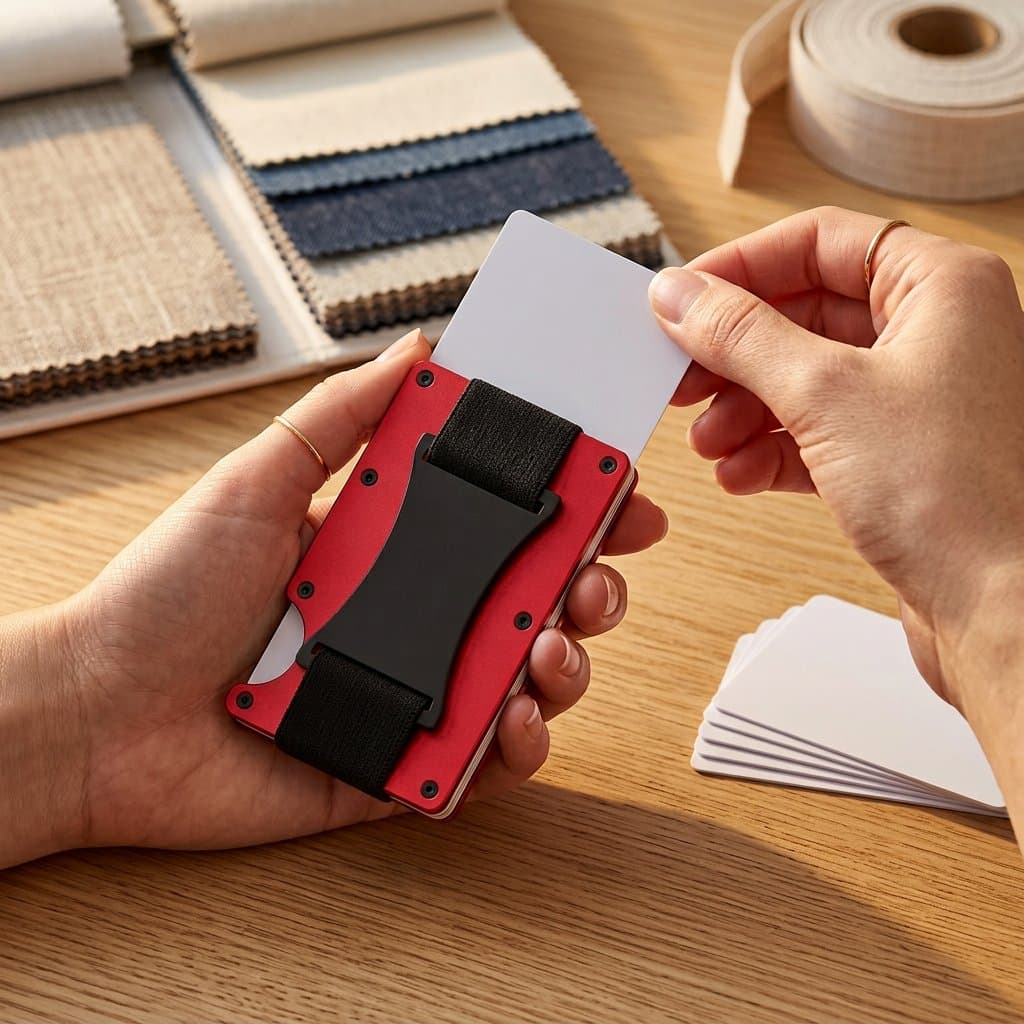
OEM Wallet Sizing: A Practical Specification for Brands
Gstar’s OEM services give overseas buyers a route to develop wallets around a defined market requirement. A useful brief begins with the carrying scenario, then addresses materials and appearance.
Define measurable requirements
| Specification | What the buyer should define |
|---|---|
| Exterior dimensions | Closed footprint and measurement orientation |
| Thickness | Empty measurement and agreed loaded condition |
| Card capacity | Everyday target and maximum capacity |
| Cash compatibility | Target currencies and folding method |
| Material | Leather, metal, lining, and relevant construction details |
| Access | Card retrieval method and frequently used positions |
| Hardware | Clip, strap, closure, tracker holder, or key attachment |
| Inspection | Agreed dimensions, tolerances, and functional checks |
Do not apply one dimensional tolerance to every construction. A machined component and a flexible stitched wallet require different measurement approaches.
Validate a sample before confirming production
Consider a hypothetical brief: six payment cards, several U.S. notes, front-pocket carry, and no coin compartment.
Rather than selecting an arbitrary “standard size,” evaluate sample layouts against those requirements. Check the loaded profile, note clearance, card access, and closure.
Record agreed changes on the drawing and sample approval document. This example illustrates a development process; it is not a claimed Gstar customer case study.
Evaluate RFID performance separately
Wallet size does not demonstrate RFID-blocking performance.
If a brand makes a protection claim, define the intended cards, relevant frequencies, test conditions, and acceptance criteria. A compact metal appearance alone should not substitute for suitable verification.
Treat dimensions, carrying comfort, and shielding as separate specifications.
Develop a Custom Wallet with Gstar Technology
The best wallet size balances its contents, access method, pocket fit, and construction.
For brands, wholesalers, and manufacturers, the next step is a clear brief—not simply a request for the smallest wallet available.
Contact Gstar Technology (Shenzhen) Co., Ltd. with your target market, preferred style, card count, currencies, approximate dimensions, branding requirements, and expected order quantity.
Ask for a quotation and sample-development discussion covering material options, structural feasibility, measurement conventions, and inspection requirements. Confirm project-specific minimum orders, tooling needs, and lead times before committing.
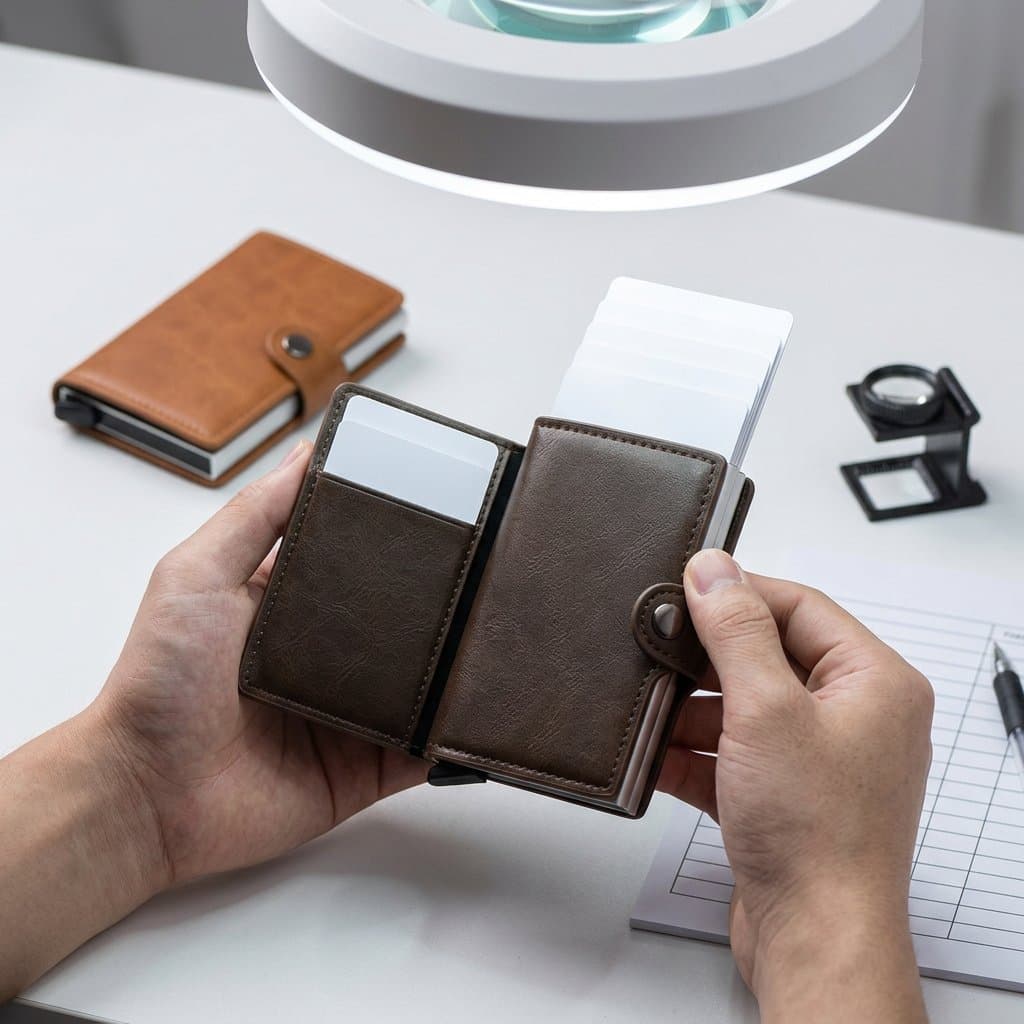
Frequently Asked Questions About Wallet Sizes
1. What is the standard size of a wallet?
There is no universal standard for finished wallets. A conventional bifold is often around 110 × 90 mm when closed, but products vary. Credit card dimensions are standardized; wallet dimensions depend on construction and intended contents.
2. What size is a wallet in inches?
A common bifold reference is approximately 4.3 × 3.5 inches closed. Compact rigid wallets can be around 3.4 × 2.1 inches. Always check thickness and whether the listing measures the empty or loaded product.
3. How big should a credit card holder be?
It must accommodate cards measuring approximately 85.60 × 53.98 mm, plus whatever clearance and structure its retention method requires. Soft stitched holders and open-sided rigid wallets therefore need different exterior dimensions.
4. What size wallet fits a front pocket?
There is no single answer because pockets differ. Start with a card holder or slim bifold, check the loaded dimensions, and test the footprint in your normal clothing. Include permanent clips or tracker attachments.
5. Is a trifold smaller than a bifold?
It may have a smaller closed footprint, but it is not necessarily thinner. Three folding sections can create more overlapping material. Compare both footprint and loaded thickness instead of relying on the style name.
6. Can Gstar customize wallet dimensions for OEM orders?
Gstar offers OEM services for wallet products. Buyers should submit target dimensions, capacity, materials, and market requirements for feasibility review. Final dimensions, tooling, tolerances, pricing, and sampling arrangements need project-specific confirmation.
Hot Tags: China, Global, OEM, private label, manufacturers, factory, suppliers, manufacturing company