Introduction
- Core Topic: An in-depth exploration of the stainless steel 6-card holder: design, materials, security features, practical use cases, care, and buying tips.
- Purpose: To help readers understand what to expect from a stainless steel card holder that stores six cards, how it compares to other wallets, and how to choose and maintain the best model for their needs.
Why Choose a Stainless Steel 6-Card Holder?
Strength and Durability
Stainless steel construction offers superior resistance to daily wear, impacts, and environmental factors compared with many leather or fabric wallets.
Slim Profile with Ample Capacity
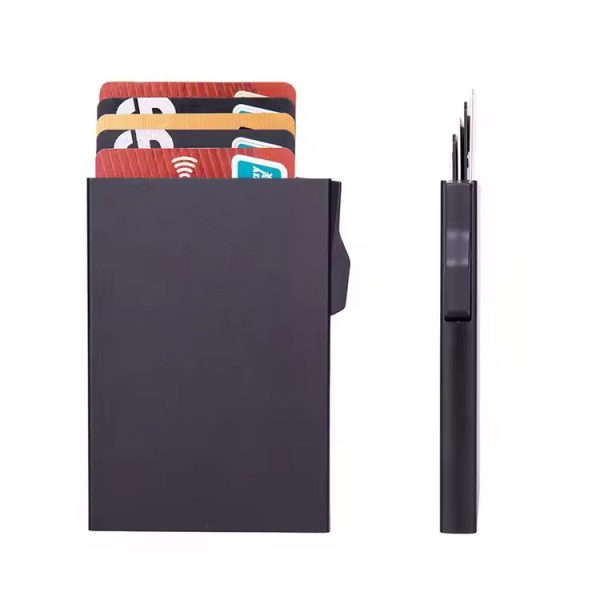
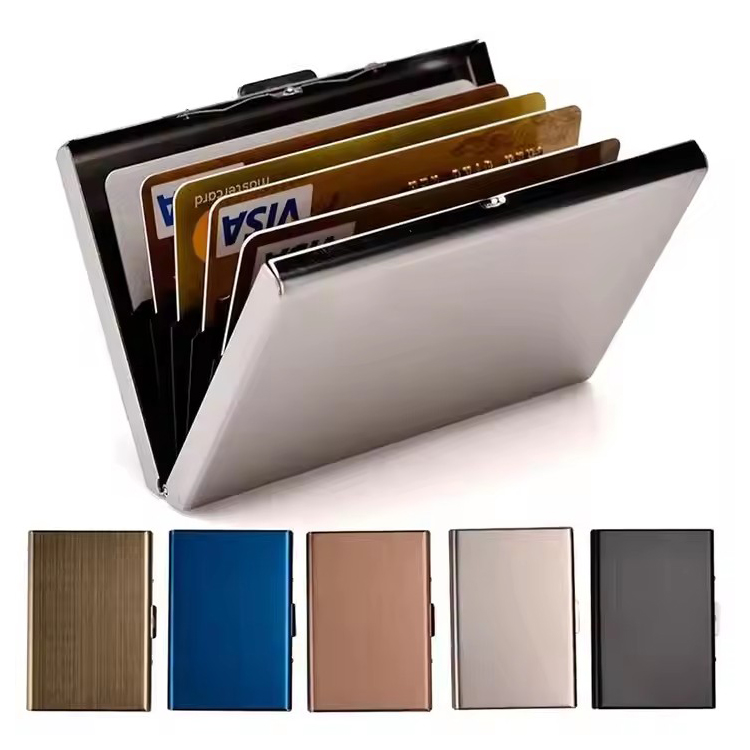
A 6-card holder is designed to balance minimal bulk with enough capacity for most users who carry essential credit, debit, ID, and membership cards. Many metal card holders explicitly advertise storage for six cards.
RFID Protection and Security
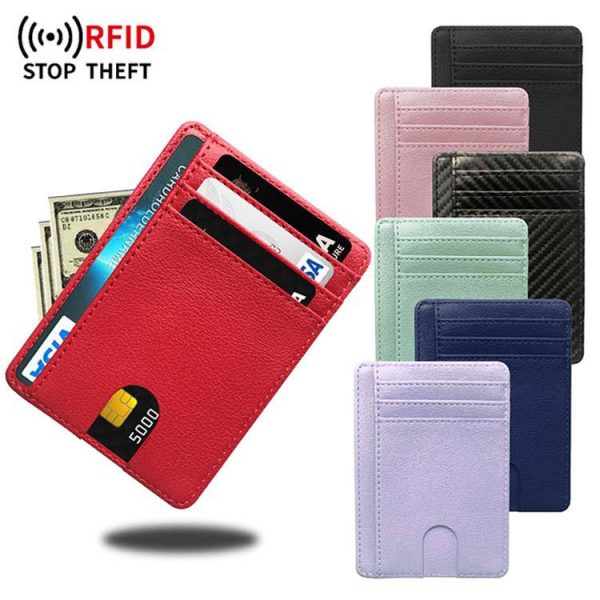
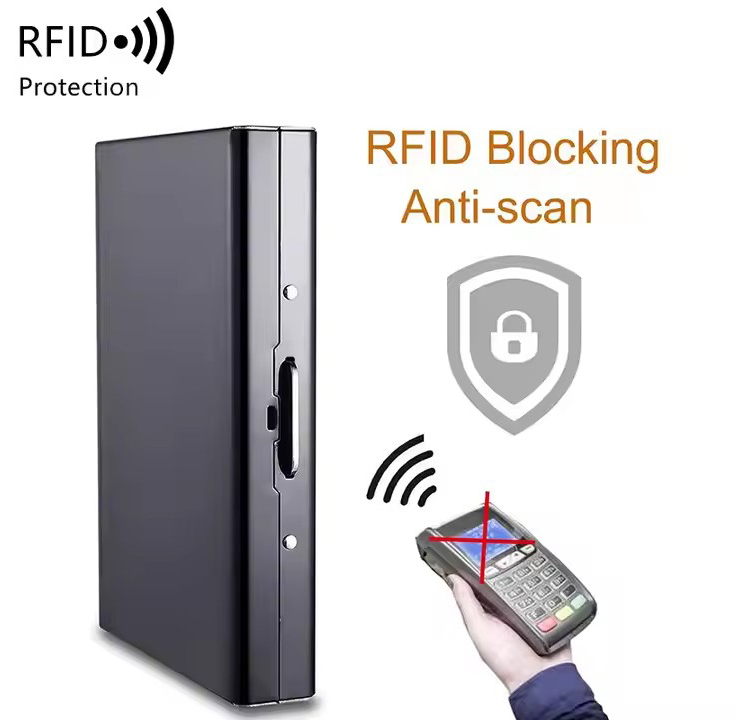
Many modern metal card holders integrate RFID-blocking shielding to prevent unauthorized scanning of contactless payment and ID cards. Several market listings for metal card holders highlight RFID-blocking as a standard feature.
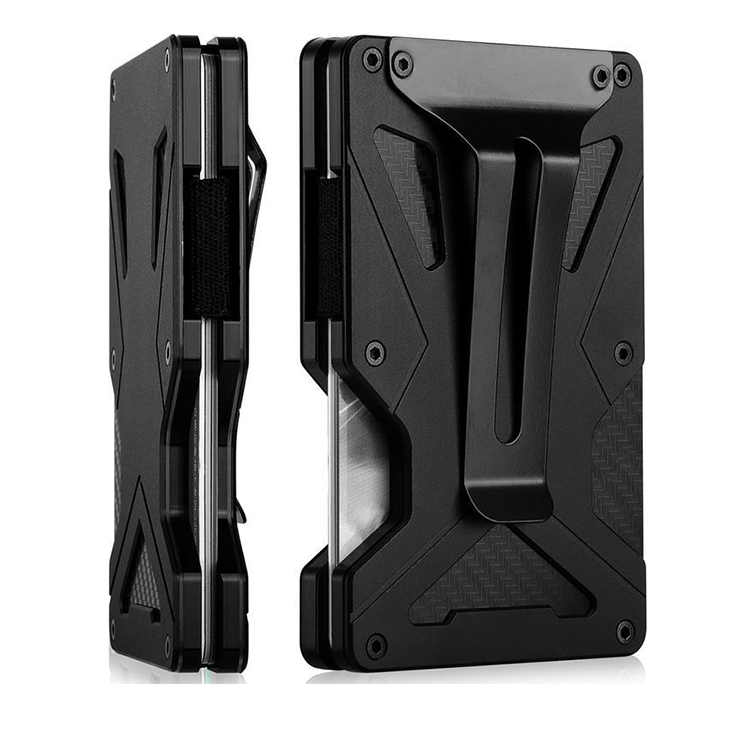
Design Variations and Mechanisms
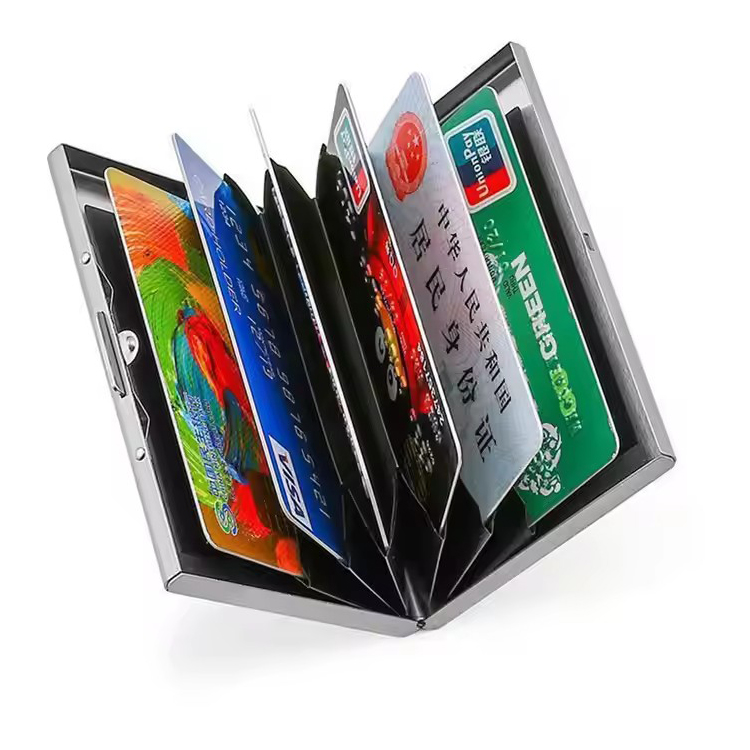
Basic Hard-Case Card Holders
- Slide or Lid Mechanism
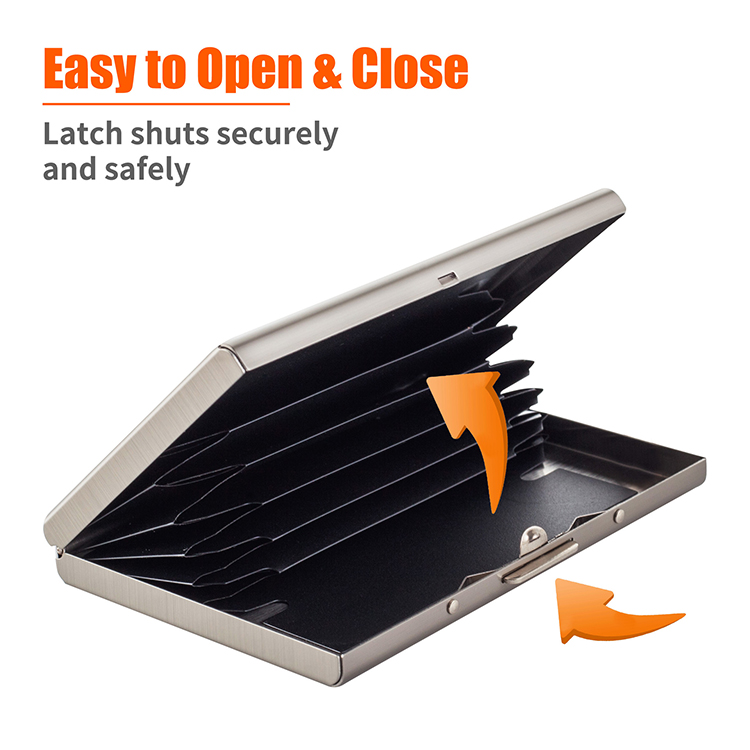
- These designs use a hinged lid or sliding top to enclose cards inside a rigid shell, protecting them from bending and moisture.
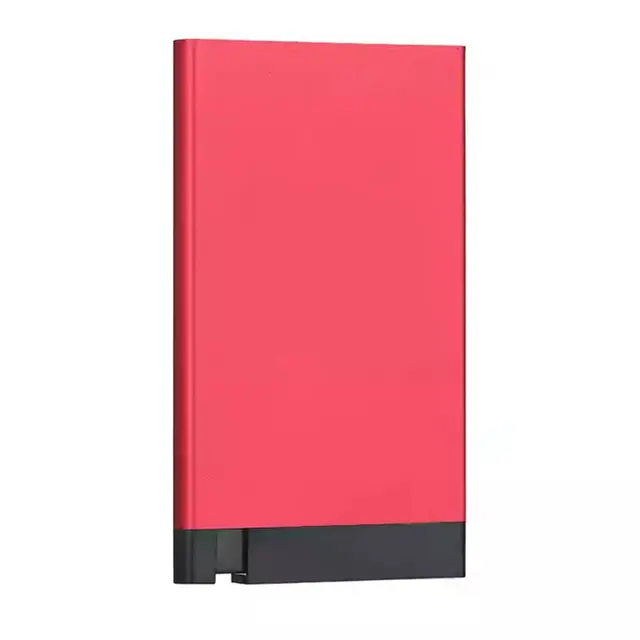
- Pop-up or Eject Mechanism
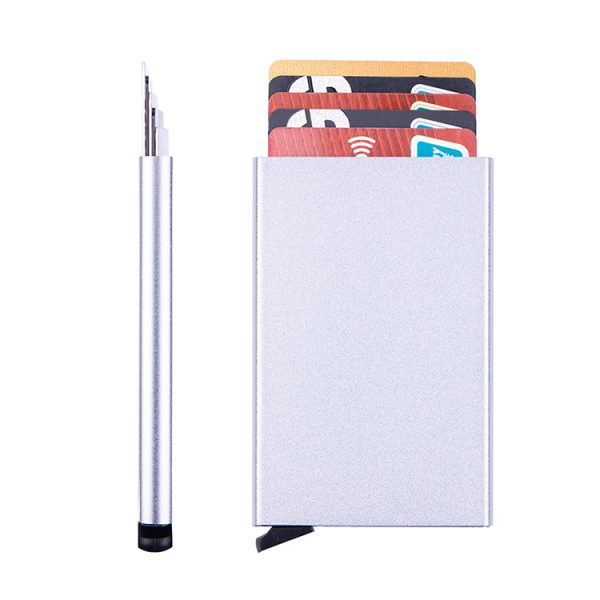
- Some holders employ a pop-up or spring-release rail that fans the cards out for quick access.
Multi-Compartment vs Single-Sleeve Designs
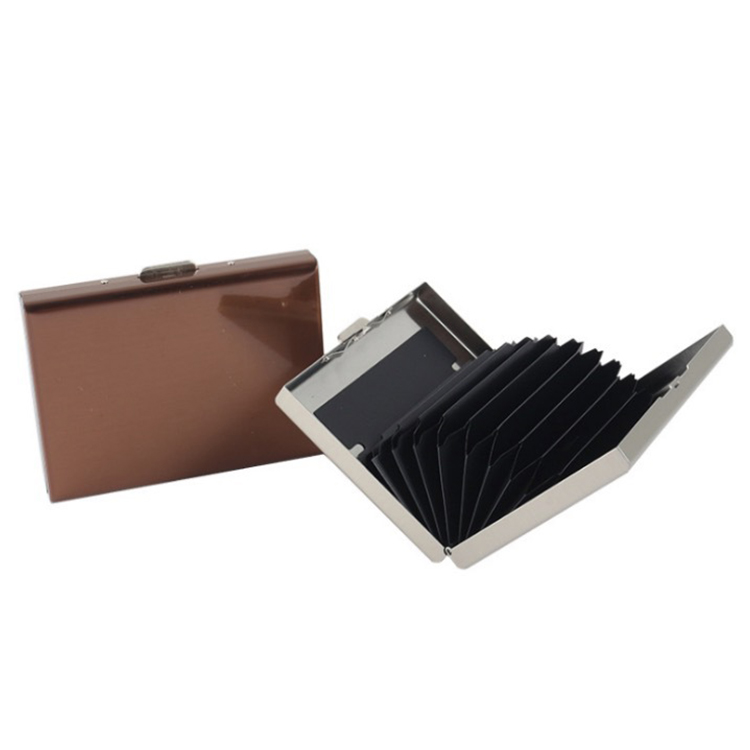
- Individual Slots
- Holders with discrete slots or dividers help keep cards ordered and can make removal easier.
- Stacked Tray
- Some compact models stack cards closely and use a small release tab to push them up; these are the most space-efficient.
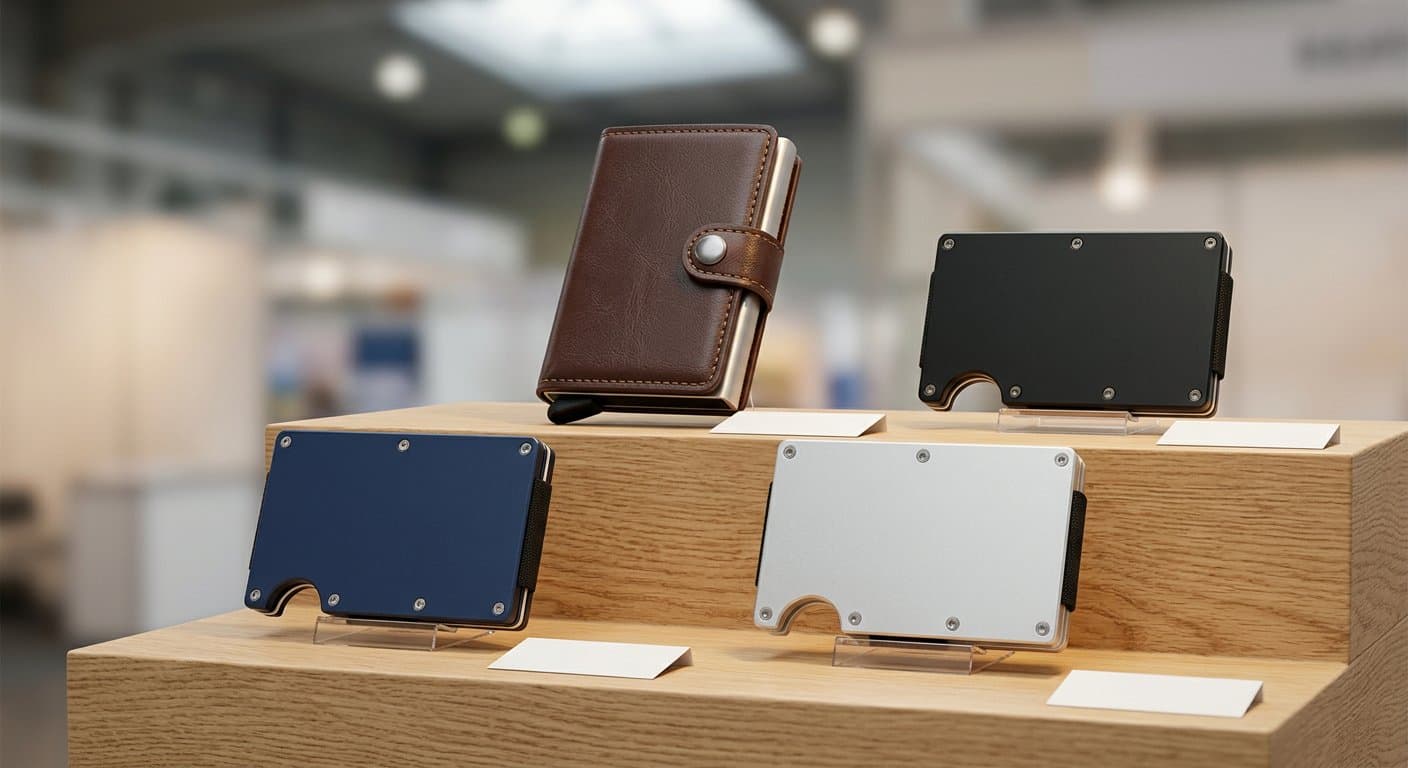
Aesthetic Finishes and Colors
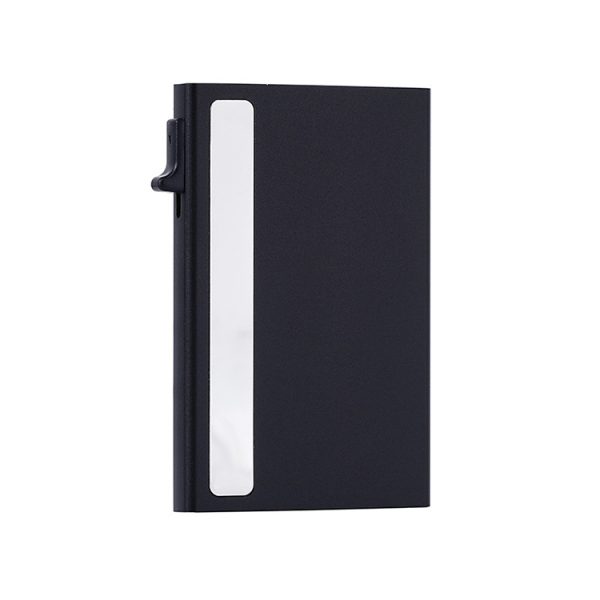
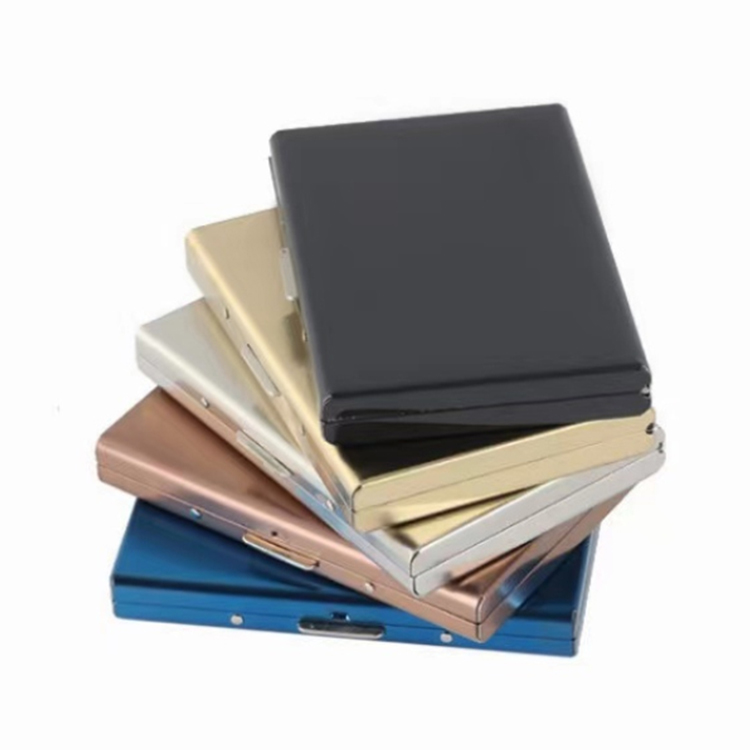
Stainless steel card holders come in a variety of finishes: brushed steel, polished chrome, PVD coatings in black or gold, and anodized color options. The finish affects scratch resistance, appearance, and sometimes grip.
Materials and Build: Stainless Steel vs Alternatives
Stainless Steel Characteristics
Stainless steel is prized for corrosion resistance, rigidity, and a premium feel. High-grade stainless alloys resist tarnishing and can be polished or brushed for different looks.
Aluminum and Composite Alternatives
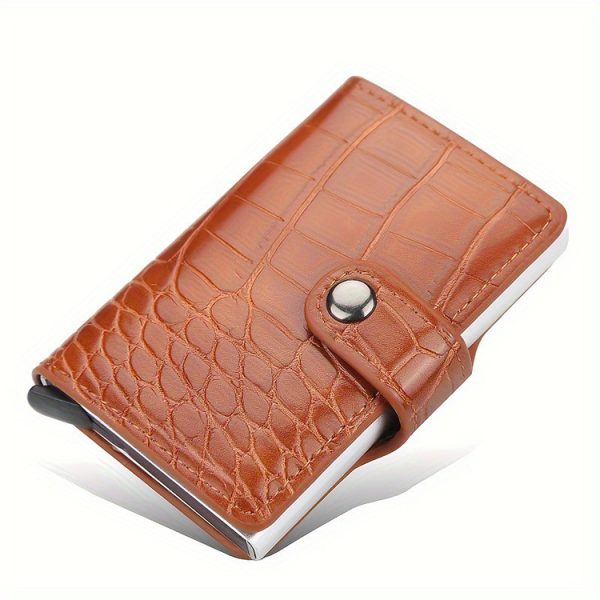
Aluminum is commonly used for lightweight card holders; it offers corrosion resistance but is softer and can dent more easily. Composite designs may mix metal shells with plastic or leather inserts for reduced weight or improved ergonomics.
Choosing the Right Metal
When selecting between stainless steel and other metals, consider weight, scratch resistance, and the style you want—stainless steel typically feels heavier and more premium.
Practical Benefits: Everyday Use Cases
Travel and Commute
For travelers, a stainless steel holder protects cards from bending, water, and accidental scans, making it a strong option for commute and frequent flights.
Professional Settings
A slim metal holder presents a clean, professional image while keeping business cards, corporate IDs, and payment cards secure and accessible.
Active Lifestyles
Because many stainless steel holders are waterproof or highly water-resistant, they work well for cycling, hiking, or gym use.
Dimensions, Weight and Pocketability
Typical Size Ranges
Compact card holders designed for six cards commonly measure approximately the size of a credit card in footprint with added thickness to accommodate a stack of six. Example dimensions for similar products fall in the small wallet range, making them pocket-friendly.
How Thickness Scales with Capacity
A holder for six cards will be thicker than a two- or three-card minimalist wallet but remains significantly slimmer than a traditional bifold when only cards are stored.
Carrying Options
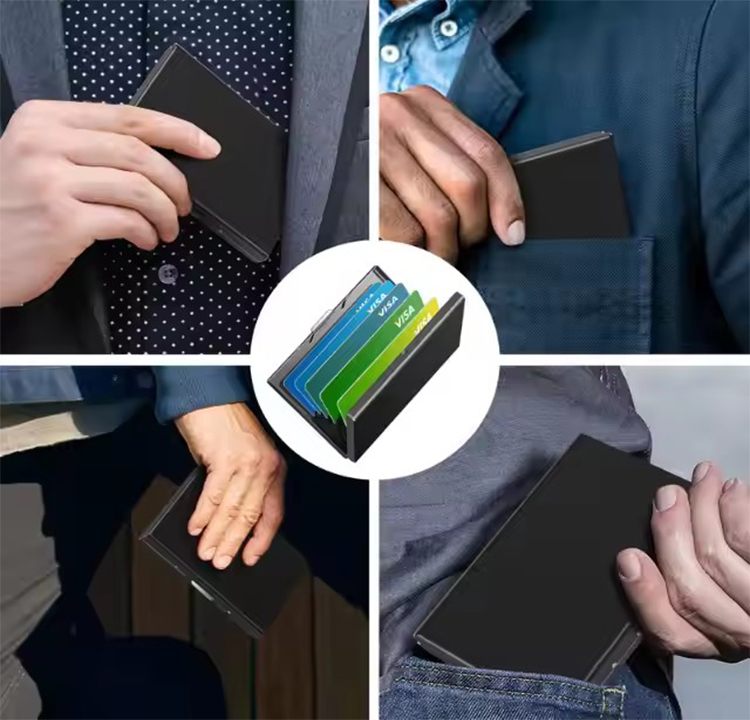
Most stainless steel 6-card holders are designed for front-pocket carry to reduce bulk and protect posture, but many are slim enough for jacket or small bag pockets.
Security Features in Detail
RFID-Blocking Technology
RFID-blocking works by creating a conductive barrier around cards, preventing radio frequency signals from reaching them. Many metal holders capitalize on metallic shells to provide this barrier without additional linings.
Mechanical Protection
Rigid casings protect cards from bending and physical damage that can render magnetic strips or chip contacts unusable.
Locking and Latch Options
Some models feature a latch or lock to prevent accidental opening, while others rely on friction-fit lids or spring mechanisms to keep cards secure.
How to Choose the Right Stainless Steel 6-Card Holder
Assess Your Carry Habits
- Minimalist versus Full-Feature
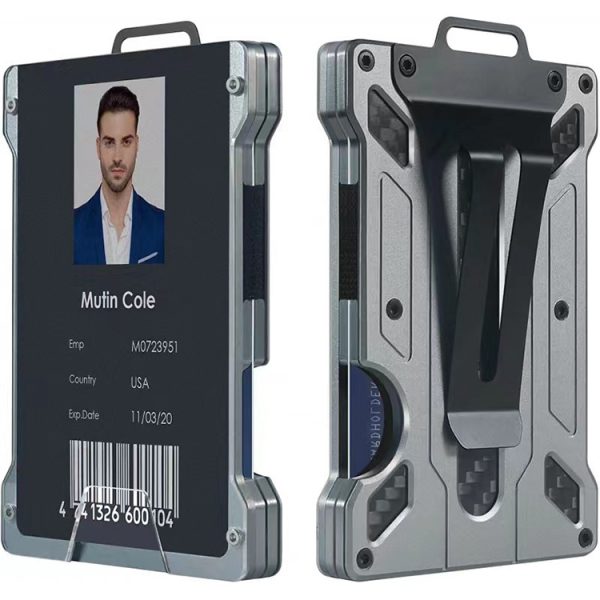
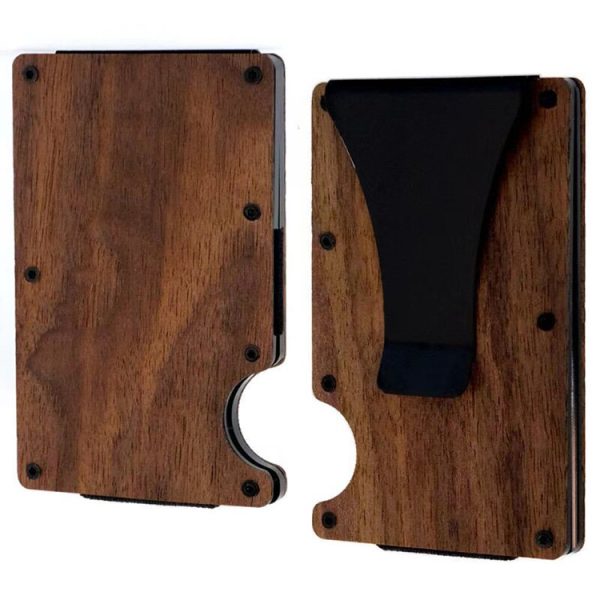
- Decide whether you want strictly card storage or additional features like a money clip, coin pouch, or integrated key holder.
- Access Speed
- If you need quick access to a primary card, look for pop-up or quick-release designs.
Materials and Finish Preferences
Choose stainless steel for durability and a premium feel; choose anodized or PVD finishes if you want color options or added scratch resistance.
Security Requirements
If contactless cards are used regularly and you have security concerns, prioritize models explicitly labeled with RFID protection.
Price versus Brand
Consider warranty, build quality, and user reviews when comparing lower-cost no-brand options with established manufacturers.
Maintenance and Care
Cleaning Stainless Steel Holders
Wipe the exterior with a soft cloth and mild soap for fingerprints or grime; avoid abrasive cleaners that may remove protective coatings.
Avoiding Scratches and Dents
Store the holder separately from keys and heavy objects when possible, and choose brushed finishes if minor scratches are a concern.
Longevity and When to Replace
Replace the holder if the latch fails, the shell warps, or if protective coatings wear off—especially if you rely on RFID-blocking for security.
Common Issues and Troubleshooting
Cards Jam or Don’t Slide Smoothly
- Cause
- Debris, warped cards, or overfilling can prevent smooth ejection.
- Fix
- Remove all cards, clean the interior, and reinsert cards in order of thickness.
Latch Becomes Loose
- Cause
- Repeated use or mechanical wear.
- Fix
- Some models allow tightening of small hardware; otherwise consider manufacturer support or replacement.
Surface Scratches
Minor scratches are cosmetic; deep gouges can be buffed on some finishes or concealed with thin protective films.
Comparing a Stainless Steel 6-Card Holder to Other Wallet Types
Versus Leather Bifold
- Pros
- Greater rigidity, better protection against bending and scanning, typically slimmer for card-only use.
- Cons
- Less flexible for carrying folded cash and bulky receipts.
Versus Aluminum Minimalist Holders
- Pros of Steel
- Heavier, often more durable and more scratch-resistant than some aluminum alloys.
- Pros of Aluminum
- Lighter weight and often slightly cheaper.
Versus Fabric or Nylon Wallets
Metal holders win on protection and style, while fabric wallets can carry more miscellaneous items and compress more comfortably into pockets.
Buying Guide: What to Look For
Build Quality / Manufacturing
Seek models with consistent seams, precise hinges, and no rattling parts for long-term durability.
Mechanism Reliability
Test or research user feedback for mechanisms—pop-up and sliding systems are convenient but must be robust.
Warranty and Customer Support
A manufacturer warranty and responsive customer service are important for mechanical products subject to wear.
Price vs Value
Balance cost against longevity and materials; a slightly higher-priced stainless steel holder often pays off through years of use.
Eco and Ethical Considerations
Sustainability of Stainless Steel
Stainless steel is highly recyclable, and many manufacturers incorporate recycled metals into products, reducing environmental impact.
Responsible Sourcing and Manufacturing
Look for brands transparent about their supply chain and production practices if ethical sourcing is a priority.
Styling Tips and Personalization
Matching Accessories
Many stainless steel holders pair well with metal keychains, stainless watches, and other minimalist accessories to create a cohesive look.
Custom Engraving and Finishes
Engraving or custom finishes can add a personal touch for gifts or corporate branding.
Case Studies: Typical Use Scenarios
Daily Commuter
A commuter benefits from quick access to transit cards and contactless payment with protection against scanning and water.
Business Traveler
Business travelers appreciate RFID protection, water resistance, and the professional aesthetic when presenting business cards.
Outdoor Enthusiast
For hiking or cycling, the rigid shell protects cards from sweat and accidental impacts while keeping weight reasonable.
Final Thoughts and Recommendations
- Summary Recommendation
- For anyone seeking a balance between a slim profile and practical card capacity, a stainless steel 6-card holder is an excellent middle-ground solution that combines durability, security, and style.
- Buyer Tip
- Prioritize mechanism reliability and protective features like RFID-blocking if you rely on contactless cards frequently.
Frequently Asked Questions (at least 5 Q&A)
Q1: Can a stainless steel 6-card holder block RFID signals?
A1: Yes, many metal card holders provide RFID-blocking protection due to their conductive shells that inhibit unauthorized scans.
Q2: Will a stainless steel holder fit in my front pocket comfortably?
A2: Most 6-card holders are designed to be compact and pocket-friendly, but thickness increases with capacity, so front-pocket carry is recommended for comfort.
Q3: Is stainless steel heavier than aluminum card holders?
A3: Generally, stainless steel models are heavier than aluminum counterparts, offering a more substantial feel at the cost of slightly increased weight.
Q4: How do I clean and maintain a stainless steel card holder?
A4: Wipe with a soft cloth and mild soap when needed; avoid abrasive cleaners to preserve finishes and any protective coatings.
Q5: Can I carry folded cash in a 6-card holder?
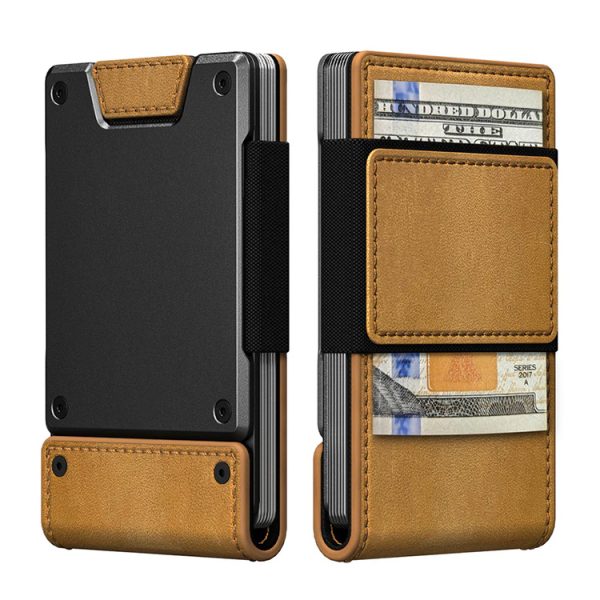
A5: Some designs include space for a few folded bills or a slim money clip, but many are optimized for card-only minimalist carry.
Q6: What should I do if my card holder’s mechanism jams?
A6: Remove cards, clean the interior of debris, inspect for damaged or warped cards, and reinsert. If the issue persists, consult manufacturer support.