10 min read
When a buyer opens their first sample shipment from an overseas factory, the question they ask is rarely about price. It is about whether the production line can replicate that approved sample across 5,000 units without drifting in stitch density or leather shade.
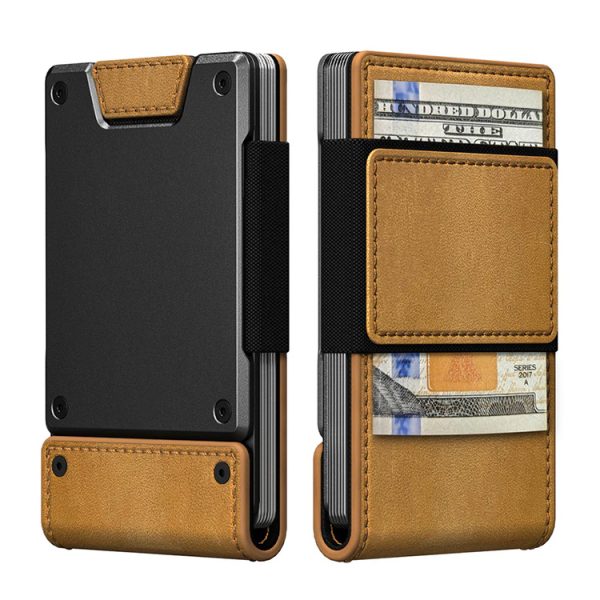
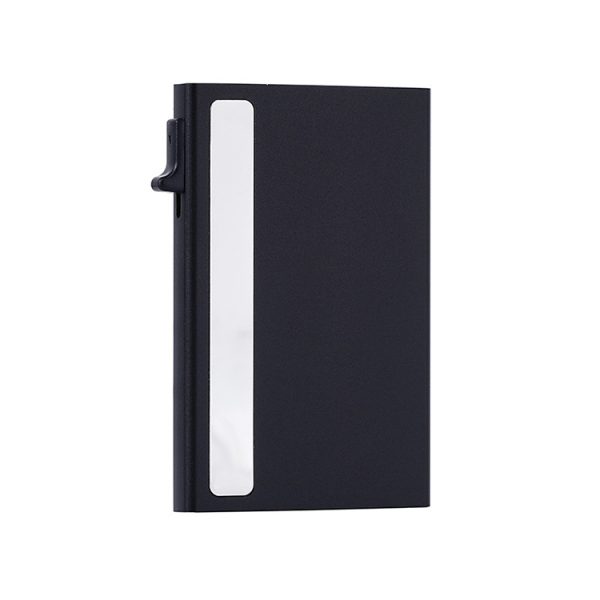
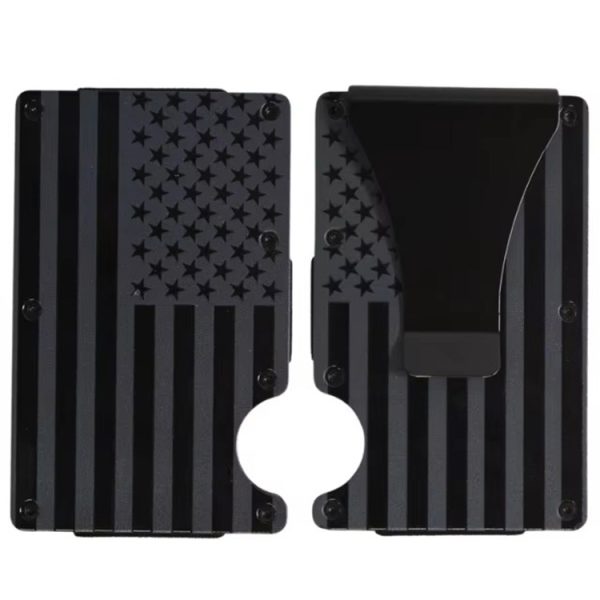
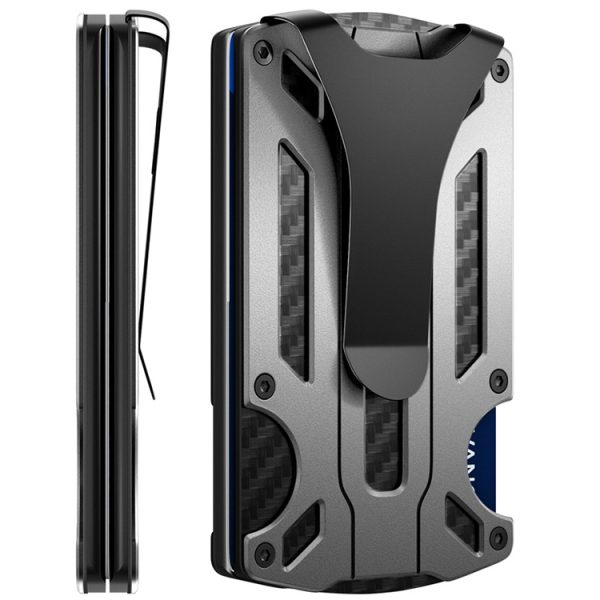
Customizing a leather wallet for your brand is a multi-step process that involves material selection, construction methods, branding techniques, and factory qualification. This guide walks through the entire journey—from concept to container—with the technical parameters procurement teams need.
1. What Does “Customizing a Leather Wallet” Actually Mean?
Customizing a leather wallet for your brand means modifying any combination of its material, structure, hardware, branding, or packaging to create a product that carries your identity. In manufacturing terms, this splits into two paths: OEM and ODM.
OEM (Original Equipment Manufacturing) means you select an existing factory template and modify it—changing leather color, adding your logo, swapping hardware finishes. The core structure remains the factory’s design.
ODM (Original Design Manufacturing) means the factory develops a new wallet from scratch based on your specifications—pocket layout, dimensions, materials, and features are all designed for your brand.
The distinction matters because it drives cost, MOQ, and lead time. OEM projects typically start at 300–500 units with 20–30 day production. ODM projects require tooling investment and usually demand 1,000+ units.
Key Customization Variables
| Variable | Options | Impact on Cost |
|---|---|---|
| Leather grade | Full-grain, top-grain, genuine, PU | High |
| Construction | Machine-stitched, heat-sealed, edge-painted | Medium |
| Hardware | Brass, zinc alloy, stainless steel | Low–Medium |
| RFID blocking | Metal shield, carbon lining, none | Medium |
| Branding | Emboss, deboss, foil stamp, laser engrave | Low–Medium |
| Packaging | Poly bag, branded box, retail-ready | Low |
The customization depth directly correlates with perceived value. A full-grain leather wallet with foil-stamped branding and RFID protection commands a retail price 3–5x higher than a PU leather wallet with screen-printed logos.
2. Step-by-Step: How to Customize a Leather Wallet for Your Brand
Step 1: Define Function and Target User
Start with the use case. A minimalist cardholder for urban commuters has different requirements than a travel wallet with passport slots and RFID protection.
Define these parameters before contacting any factory:
-
Capacity: How many cards, bills, coins?
-
Dimensions: Standard bi-fold (4.5″ x 3.5″) vs. slim cardholder
-
Features: RFID blocking, money clip, ID window, coin pocket
-
Closure: Snap button, magnetic, zip-around, or open-top
Each added feature increases complexity. A coin pocket with a YKK zipper adds approximately $0.30–$0.50 to unit cost and introduces a second supplier into the supply chain.
Step 2: Select Leather Type
Leather choice is the single biggest cost and quality driver. Here is what each grade actually means:
Full-grain leather uses the top layer of the hide, retaining natural markings. It develops a patina over time and lasts decades. Budget $8–$15 per square foot.
Top-grain leather is sanded to remove imperfections, producing a uniform surface. It is slightly thinner and more affordable—$5–$10 per square foot. Most mid-range branded wallets use this grade.
Genuine leather is a misleading term—it refers to the lower layers of the hide after splitting. It is more affordable ($3–$6) but less durable and does not develop patina.
PU leather is a synthetic alternative. It is vegan, consistent, and cheap ($1–$3), but cracks within 2–3 years of regular use. Not recommended for premium positioning.
An imperfect insight: full-grain leather is not always the right choice. For brands targeting price-sensitive markets, top-grain offers 80% of the durability at half the cost. The patina that leather enthusiasts love is actually a deterrent for customers who expect their wallet to look new for years.
Step 3: Choose Construction Method
Construction determines both durability and manufacturing cost:
-
Machine stitching (0.3–0.5mm nylon or polyester thread) is standard. Look for 6–8 stitches per inch—fewer indicates weak construction.
-
Edge painting involves applying multiple layers of edge paint to create a smooth, colored edge. This premium finish adds $0.50–$1.00 per wallet.
-
Heat-sealed edges are faster and cheaper but less durable. The edge can separate with heavy use.
Interior lining matters too. Microfiber lining is common for card slots as it grips cards and prevents them from slipping. Leather lining is premium but adds weight and cost.
Step 4: Add RFID Blocking (If Needed)
RFID-blocking wallets use a metallic shield or carbon-fiber lining to block electromagnetic signals at 13.56 MHz (contactless payment) and 125 kHz (access badges).
Two implementation methods:
-
Metal shielding layer — a thin aluminum or copper sheet laminated between leather layers. Effective but adds stiffness.
-
Carbon-fiber lining — lighter and more flexible but slightly less effective at blocking low-frequency signals.
Test results matter. Not all “RFID-blocking” wallets block both frequencies. Request test reports at both 13.56 MHz and 125 kHz before approving samples.
Step 5: Select Branding Technique
How to customize a leather wallet for your brand’s logo depends on the leather type, desired aesthetic, and budget.
| Method | Process | Best For | Durability |
|---|---|---|---|
| Embossing | Heated die presses design into leather, raising the surface | Classic, subtle logos | High |
| Debossing | Heated die presses design into leather, creating recessed design | Clean, modern look | High |
| Foil stamping | Metallic foil (gold, silver) applied with heat and pressure | Premium, luxury feel | Medium-High |
| Laser engraving | Focused beam burns design into leather surface | Intricate logos, personalization | High |
| Screen printing | Ink applied to surface | Multi-color, budget projects | Low-Medium |
Laser engraving offers the highest precision for detailed logos but works best on smooth, uniform leather. Full-grain leather’s natural texture can distort fine details.
For logos with fine text or complex patterns, debossing or laser engraving is safer than embossing. The raised surface of embossing can lose detail on textured leather.
Step 6: Prototype and Sample Approval
A physical sample is non-negotiable. Digital renders do not reveal leather texture, stitch tension, or how the wallet sits in a pocket.
Request a pre-production sample that includes:
-
Your exact leather and color
-
Your branding technique applied
-
Your hardware and RFID features
-
Production-grade packaging
Inspect the sample for:
-
Stitch tension (should be even, no loose loops)
-
Edge finish (smooth, no rough edges)
-
Leather grain consistency (no unexpected scars or color variation)
-
Hardware alignment (snaps should close firmly, zippers should glide)
-
RFID performance (test with actual cards)
Sampling typically takes 5–10 business days for OEM modifications, 15–20 days for full ODM designs with new tooling.
Step 7: Production and Quality Control
After sample approval, production runs 20–30 days for standard OEM orders. In-line QC checks happen at each stage:
-
Incoming material inspection — leather hides checked for defects, thickness, and color consistency
-
Cutting inspection — pieces match approved dimensions
-
Stitching inspection — thread tension, stitch density, alignment
-
Assembly inspection — hardware attachment, RFID layer placement
-
Final inspection — AQL (Acceptable Quality Limit) sampling, typically 1.5 for major defects, 4.0 for minor defects
Ask factories for their AQL levels and defect rate history. A reputable factory should report a defect rate below 2%.
3. Cost Breakdown: Where Your Money Goes
Understanding unit cost composition helps you negotiate and make trade-off decisions.
| Component | % of Unit Cost | Notes |
|---|---|---|
| Materials (leather, lining, hardware) | 40–50% | Leather grade is the biggest variable |
| Labor (cutting, stitching, assembly) | 30–40% | Higher for hand-stitched or complex designs |
| Tooling amortization | 5–10% | Spread across MOQ |
| Packaging | 5–10% | Branded boxes cost more than poly bags |
| Factory margin | 10–15% | Varies by negotiation and order size |
To reduce costs without sacrificing visible quality:
-
Simplify pocket design (fewer slots = less stitching time)
-
Standardize hardware (use stock options, not custom molds)
-
Limit color options (leather dye lots require minimums)
-
Order in bulk (spread tooling and setup costs)
4. MOQ and Lead Time Planning
MOQ is driven by material cutting efficiency and setup costs. Leather hides are irregular shapes—a factory needs enough order volume to justify cutting patterns that minimize waste.
Standard MOQs:
-
OEM with existing template: 300–500 units
-
Custom color on existing template: 500–800 units
-
Full ODM with new tooling: 1,000+ units
Some factories offer flexible MOQs for test runs, but expect to pay a per-unit premium to cover setup costs.
For seasonal launches, start your project 60–90 days before the target date. This accounts for:
-
Sample development: 1–2 weeks
-
Revisions: 3–5 days per round
-
Production: 3–4 weeks
-
Shipping (sea freight from China to US/Europe): 3–5 weeks
5. How to Evaluate Custom Leather Wallet Suppliers
Red Flags to Avoid
-
Quotes significantly below market rate — low-grade leather or poor stitching hides cost
-
No physical sample policy — or hidden sample fees that appear after initial contact
-
Vague answers on material sourcing — they should name the tannery and leather grade
-
No quality control documentation — AQL levels, defect rates, inspection checklists
-
Inability to provide production timeline — a sign of poor planning or unreliable capacity
Questions to Ask Before Ordering
-
What leather grades do you stock, and can I see physical swatches?
-
Do you have in-house tooling for embossing, debossing, and laser engraving?
-
Can you provide RFID-blocking test reports at 13.56 MHz and 125 kHz?
-
What is your standard MOQ and how is it calculated?
-
What are your AQL levels for final inspection?
-
What is your historical defect rate?
-
Can you provide material certifications (REACH, RoHS)?
-
What is your production lead time after sample approval?
-
Do you handle packaging design and production in-house?
-
What is your returns policy for defective units?
Choose a full-service factory if you need design assistance, multiple branding techniques, and streamlined communication for complex projects.
Choose a specialized workshop if you have a simple design, high volume, and deep experience with a specific leather type—their narrow focus often yields better pricing.
6. Industry Standards and Certifications
Material compliance is not optional for reputable brands selling into regulated markets.
REACH (EU) restricts hazardous substances in materials. For leather goods, this covers chromium VI (used in tanning), azo dyes, and phthalates.
RoHS limits hazardous materials in electronics. Relevant if your wallet integrates RFID chips or electronic components.
Proposition 65 (California) requires warning labels for products containing certain chemicals. Leather tanning processes can introduce trace amounts of regulated substances.
ISO 9001 certification indicates the factory has a documented quality management system. It is a baseline, not a differentiator—most serious factories hold it.
LWG (Leather Working Group) certification indicates environmentally responsible leather sourcing. Increasingly requested by eco-conscious brands and retail chains.
For RFID performance, ISO 14443 (contactless payment cards) and ISO 15693 (vicinity cards) are the relevant standards. Request third-party test reports from SGS, TÜV, or similar labs.
7. How GSTAR Supports Your Custom Leather Wallet Project
The procurement framework above describes what a competent manufacturer should offer. As a manufacturer with 14 years specializing in RFID wallets, key organizers, and card holders, our approach aligns with these standards.
Our OEM service lets you start with proven templates—modify leather, color, hardware, and branding without paying for new tooling. Our ODM service develops original designs from your sketches or specifications, with our engineers refining production feasibility.
We maintain in-house CNC machining and laser engraving capabilities. This means embossing, debossing, foil stamping, and laser engraving happen under one roof—no outsourcing delays, no communication gaps between subcontractors.
Our monthly production capacity exceeds 300,000 units, supported by a multi-stage QC process: incoming material inspection, in-line checks during stitching and assembly, and final AQL sampling before packing. We serve popular brands, wholesalers, top online shop sellers, and supermarkets worldwide, so we understand the documentation and compliance needs of different markets.
Standard sample lead time is 5–7 business days. Production lead time runs 20–30 days depending on complexity. We offer flexible MOQs to accommodate test runs and new brand launches, with terms tailored for long-term collaboration.
8.
Frequently Asked Questions
Can you personalize a leather wallet?
Yes. Personalization ranges from a simple debossed monogram to a fully custom-designed wallet with your logo, custom pocket layout, and unique hardware. Methods include debossing, foil stamping, laser engraving, and screen printing. For B2B orders, personalization happens at the factory during production.
How to customize your own wallet for your brand?
Define the wallet’s function and target user. Choose leather type and color. Decide on pocket layout and capacity. Select hardware and RFID-blocking features. Pick a branding technique. Request a sample for approval. Confirm MOQ and lead time. Working with an experienced OEM/ODM manufacturer simplifies each step.
How to imprint onto leather?
Imprinting uses heat, pressure, or lasers. Heat stamping presses a heated metal die into the leather, creating debossed or embossed effects. Foil stamping adds a metallic layer during the heat press. Laser engraving burns the design into the surface with high precision. Each method requires specific equipment and expertise.
What is the minimum order quantity for custom leather wallets?
MOQ varies by customization level. Simple logo embossing on an existing template may start at 300 units. Full custom designs with new tooling start at 1,000 units. Some manufacturers offer flexible MOQs for test runs at a slightly higher per-unit cost.
How long does it take to produce custom leather wallets?
Standard OEM projects take 20–30 days after sample approval. Full ODM projects with new tooling take 30–45 days. Sampling requires 5–10 business days. Add 3–5 weeks for sea freight if manufacturing overseas.
9. Conclusion and Next Steps
Customizing a leather wallet for your brand requires navigating material grades, construction methods, branding techniques, and factory qualification. The buyers who succeed are those who treat the process as a partnership—defining requirements clearly, validating samples rigorously, and choosing a manufacturer whose capabilities match the project’s complexity.
If you are ready to start, share your design files, reference images, or even a rough concept. Our engineers will help refine it into a production-ready specification, with a quote within 24 hours including material recommendations and cost breakdown.
—