10 min read
Quick Answer: MOQ at a Glance
Typical industry MOQ range: 300–1,000 pieces per design for standard OEM wallets; 1,000–3,000 pieces for fully custom designs requiring new tooling.
Key variables: Material (metal vs. leather vs. plastic), customization depth (logo-only vs. structural redesign), and packaging requirements.
Bottom line: MOQ is negotiable because it reflects production economics, not a fixed industry rule. Buyers who understand the cost drivers can negotiate better terms.
—
What Drives the MOQ for OEM Wallets?
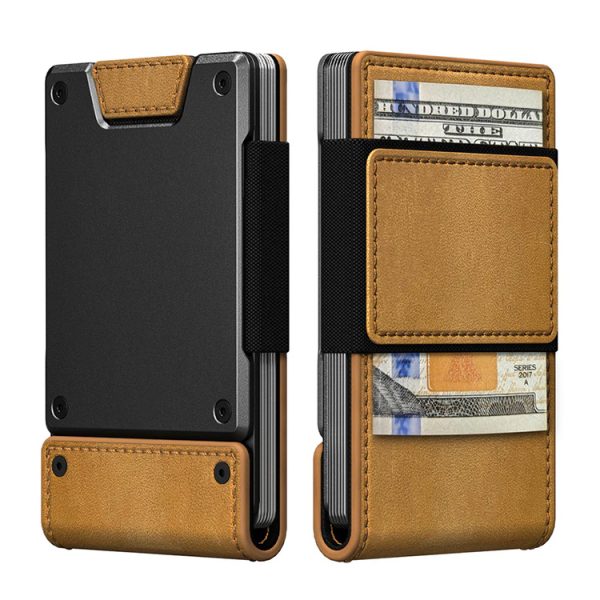
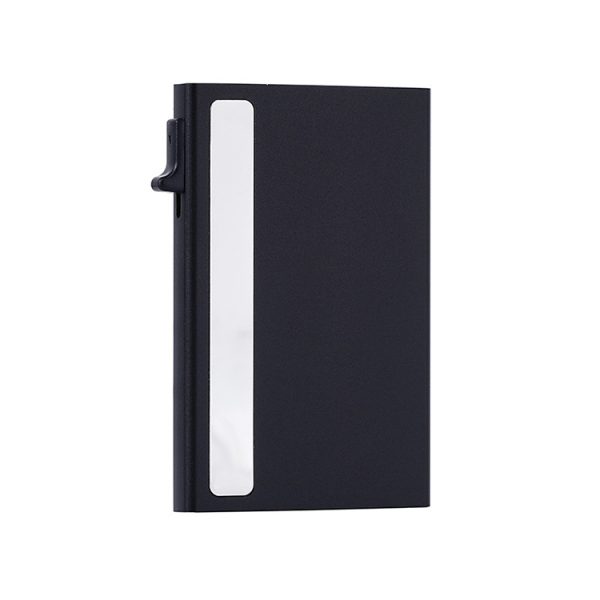
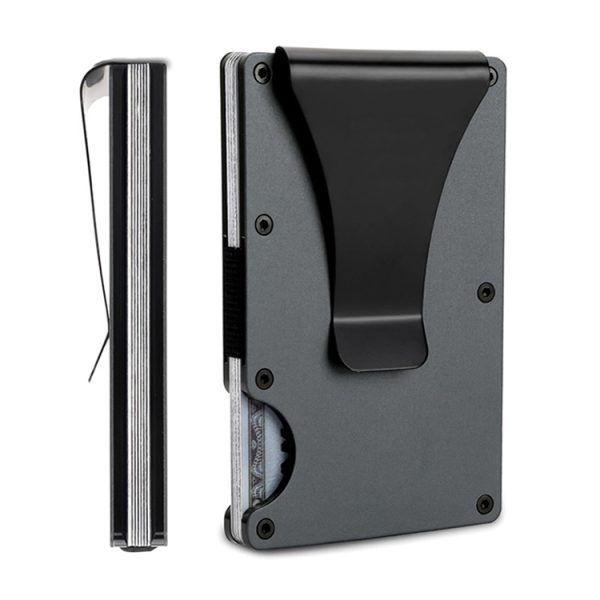
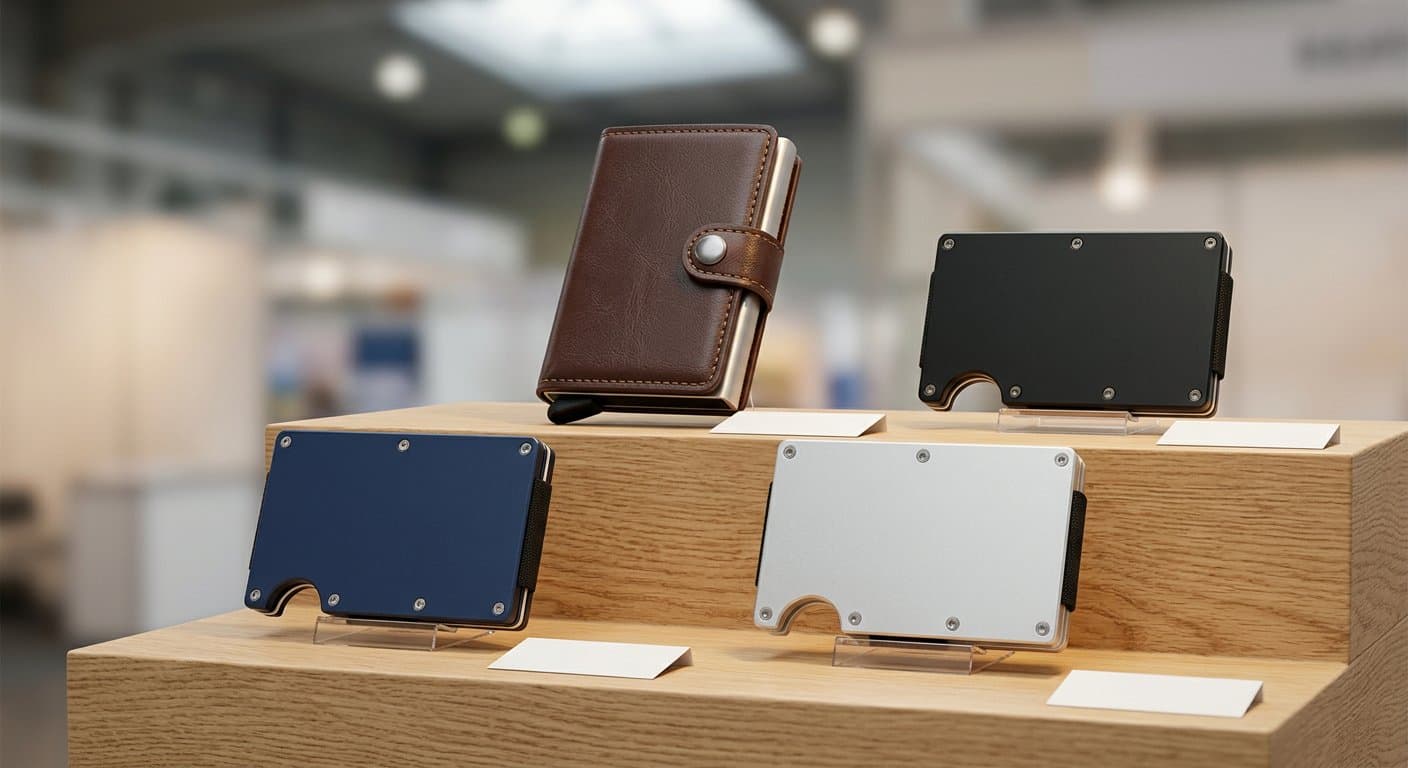
The MOQ for OEM wallets is determined by three cost factors: tooling and mold amortization, material procurement minimums, and production line setup costs. Metal wallets typically start at 300–500 pieces with existing molds; leather wallets run 500–1,000 pieces per colorway; plastic injection-molded wallets require 1,000–3,000 pieces due to mold costs.
1.1 Tooling and Mold Amortization
Every custom wallet design starts with tooling. For metal wallets, this means CNC machining programs, jigs, and fixtures. For plastic wallets, it means injection molds that cost anywhere from $2,000 to $15,000 depending on cavity count and complexity. Leather wallets require cutting dies for each component shape.
The supplier spreads these upfront costs across the first production run. A $5,000 mold amortized over 500 pieces adds $10 per unit. Over 3,000 pieces, it drops to $1.67. That math sets the floor for how low a supplier can reasonably go.
1.2 Material Procurement Minimums
Aluminum sheet, stainless steel coil, leather hides, and RFID-blocking fabric all come with minimum purchase quantities from raw material suppliers. A mill might require a minimum coil weight that yields 800 wallet bodies. A tannery might sell hides in lots that produce 600 wallets at optimal cutting efficiency.
Suppliers who own their material sourcing — rather than buying from distributors — can accept lower MOQs because they absorb the material minimums themselves.
1.3 Industry-Standard MOQ Benchmarks by Wallet Type
| Wallet Type | MOQ with Existing Tooling | MOQ with New Tooling |
|---|---|---|
| Metal (aluminum, stainless steel) | 300–500 pcs | 1,000+ pcs |
| Leather (RFID-blocking) | 500–1,000 pcs per colorway | 1,000–2,000 pcs |
| Plastic (injection-molded) | 1,000–2,000 pcs | 2,000–3,000 pcs |
| Hybrid (metal + leather + components) | 1,000 pcs | 1,500–3,000 pcs |
1.4 How MOQ Affects Unit Price — The Tiered Pricing Model
Price breaks typically occur at 300, 500, 1,000, 3,000, and 5,000 pieces. The per-unit drop between tiers is not linear. A common pattern:
-
300 pcs: baseline unit price
-
500 pcs: 8–12% lower
-
1,000 pcs: 15–20% lower
-
3,000 pcs: 25–30% lower
-
5,000+ pcs: 35–40% lower
The drops come from setup cost spreading, better material pricing, and reduced per-unit labor through batch efficiency. Buyer takeaway: Compare total landed cost — unit price + tooling + shipping + duties — rather than focusing on MOQ alone.
—
Sampling and Product Development: What Happens Before MOQ
Pre-production samples come in three types: stock samples (existing design, often free or nominal cost), modified samples (your logo or color on an existing design, small fee), and custom samples (full design engineering from scratch, higher cost but often credited back against the bulk order).
2.1 The Path from Sample to Mass Production
-
Design review — Supplier engineers assess your files for manufacturability
-
Material selection — Confirm metal grade, leather type, RFID fabric specs
-
Prototype — CNC machining or 3D printing for form and fit validation
-
Client feedback — You receive the sample, test card fit, RFID blocking
-
Revised sample — Corrections are made, second sample sent
-
Sign-off — Both parties keep a golden sample as the quality reference
-
Bulk production — Typically begins within 7 days of sample approval
2.2 Timeline Expectations
Stock samples ship in 3–5 days. Custom samples take 7–15 days depending on complexity. Bulk production for standard designs runs 15–25 days; fully custom designs run 25–40 days.
2.3 Sample Pitfalls to Avoid
-
Skipping the golden sample: A pre-production sample from the actual production line catches issues that a hand-built prototype never reveals.
-
Vague material specs: Confirm thickness, hardness, and RFID blocking frequency in writing. A sample might feel right but fail at 13.56 MHz.
-
No physical reference: Keep the signed-off sample. When disputes arise about color or finish, the physical sample is the arbitration standard.
—
Materials and Quality Control: Why They Dictate MOQ Flexibility
Material choice directly impacts MOQ. Aluminum and stainless steel can be machined in small batches if the supplier owns CNC equipment. Leather and PU require hide cutting where yield efficiency matters — smaller MOQs mean more waste per hide. RFID-blocking materials have minimum purchase quantities from specialized fabric suppliers. Plastics require injection molds, inherently setting a higher MOQ floor.
3.1 Quality Control Gates That Protect Your Investment
| QC Gate | What It Checks | When It Happens |
|---|---|---|
| IQC (Incoming Quality Control) | Raw material verification against specs | Before production |
| IPQC (In-Process Quality Control) | CNC machining, printing, assembly quality | During production |
| FQC (Final Quality Control) | 100% visual inspection + functional testing | Before packing |
Functional testing for RFID wallets includes frequency-blocking verification — the wallet must attenuate signals at 13.56 MHz (ISO 14443/15693) to block card skimming. Card fit tests ensure standard credit card dimensions (85.60 × 53.98 mm) seat properly.
3.2 AQL Standards and What They Mean
The Acceptable Quality Limit (AQL) framework, based on ISO 2859-1, is the industry benchmark for sampling inspection. For wallets, typical limits are:
-
Critical defects: AQL 1.5 (e.g., RFID blocking failure)
-
Major defects: AQL 2.5 (e.g., broken snap closure, misaligned card slots)
-
Minor defects: AQL 4.0 (e.g., slight color variation, minor scratches)
3.3 Certifications Buyers Should Request
-
FCC / CE for RFID products sold in North America or the EU
-
REACH / RoHS for materials in European retail channels
-
Proposition 65 compliance for California market access
Suppliers with in-house testing capabilities can offer more flexible MOQs because they control certification end-to-end rather than paying external labs per batch.
—
Branding and Customization Options: What Counts Toward MOQ
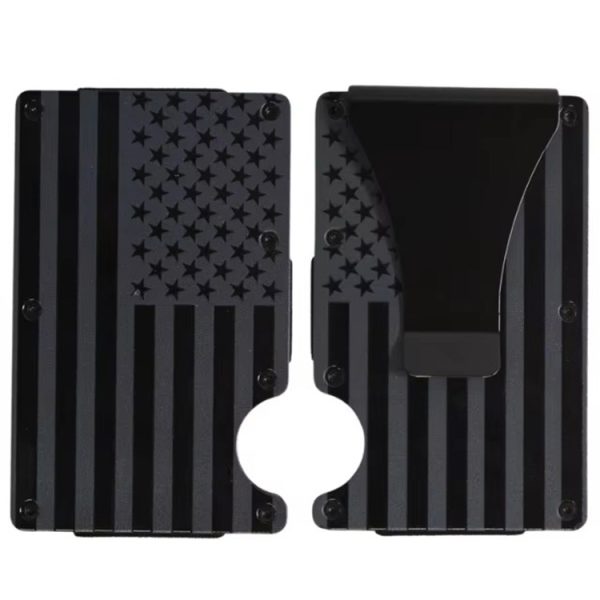
Customization exists on four levels, each with different MOQ implications. Level 1 — logo imprint (laser engraving, silk screen, embossing) has the lowest MOQ impact, often doable at 300–500 pieces. Level 2 — color and finish changes (anodizing, painting, leather color) require batch processing. Level 3 — structural customization (card slot layout, RFID shield placement, key ring integration) needs new tooling or CNC programming, raising MOQ to 1,000+. Level 4 — full custom design from scratch carries the highest MOQ — typically 2,000–3,000 pieces — due to R&D, mold creation, and testing.
4.1 Private Label and Packaging MOQ Considerations
Private labeling — your brand on product and packaging — often requires 500–1,000 pieces to justify custom packaging runs. Gift boxes, retail-ready hang cards, and eco-friendly mailers each carry their own minimums.
A bundling strategy can help: mixing multiple SKUs (metal wallet + key organizer + card holder) into one production run lets you hit a lower effective MOQ per SKU. Suppliers share setup costs across the combined order.
4.2 How to Optimize Customization to Lower MOQ
-
Ask about stock designs — existing molds and tooling can be customized with your logo at much lower MOQs
-
Limit colorways — 1–2 colors per design consolidates production batches
-
Mix designs under one material — shared setup costs reduce the per-SKU MOQ
—
Payment Terms and Shipping: Final Commercial Considerations
The industry standard for OEM wallet orders is 30% deposit to start production, 70% balance before shipment (T/T). New suppliers may require 50% deposit until trust is established. Repeat orders often qualify for better terms after 2–3 successful transactions.
5.1 Shipping Methods and Lead Times
| Method | Transit Time | Best For |
|---|---|---|
| Express (DHL/FedEx/UPS) | 3–5 days | Samples, small trial orders |
| Air freight | 5–7 days | Urgent restocks, high-value items |
| Sea freight | 25–40 days | Bulk orders, cost efficiency |
5.2 Incoterms Every Buyer Should Know
-
FOB (Free On Board): Supplier covers costs until goods are on the vessel
-
EXW (Ex Works): Buyer handles everything from the factory gate
-
CIF (Cost, Insurance, Freight): Supplier covers freight and insurance to destination port
-
DDP (Delivered Duty Paid): Supplier handles all costs including duties — the true landed cost
5.3 Hidden Costs That Affect Total Order Value
Customs duties and tariffs at destination (check HS codes 4202.31 for small leather goods, 4202.32 for plastic/metal cases), bank transfer fees, currency conversion spreads, and 3PL warehousing costs all add to the real price. Asking for a DDP quote reveals the all-in landed cost before you compare MOQs across suppliers.
—
How to Evaluate OEM Wallet Suppliers
Metal wallets are not always the right choice. For buyers prioritizing minimum weight, plastic or hybrid designs may serve better. For premium positioning, full-grain leather with RFID blocking justifies the higher cost. The supplier evaluation framework below applies regardless of material.
Questions to Ask Before Ordering
-
Do you own your CNC machines or mold-making equipment? In-house equipment means lower MOQ flexibility.
-
What is your MOQ for stock designs with logo customization? This is your market-entry option.
-
What is the sample policy? Is the sample fee credited back against the bulk order?
-
Can you share AQL inspection reports from recent orders? Evidence beats promises.
-
What RFID testing equipment do you have in-house? Frequency-blocking verification should be standard.
-
What is your lead time from sample approval to shipment? A written timeline prevents surprises.
Avoid Suppliers Who…
-
Quote an MOQ that seems impossibly low without explaining the unit price premium. The MOQ is in the price.
-
Cannot name their material suppliers or provide material certificates.
-
Lack in-house quality control — if they outsource inspection, you lose traceability.
-
Refuse to provide a golden sample before mass production.
Choose A if… Choose B if…
-
Choose a high-MOQ supplier if you have committed retail orders and need the lowest per-unit cost. The volume justifies the commitment.
-
Choose a flexible-MOQ supplier if you are testing market demand, launching a new product line, or need multiple SKUs at smaller quantities per design.
—
How We Meet These Standards: GSTAR’s OEM Wallet Capabilities
The industry benchmarks above translate into specific production realities. As a manufacturer with 14 years of experience in RFID wallets, key organizers, graded card holders, and bumper guards, our in-house CNC machining capability allows us to accept MOQs as low as 300 pieces for select metal wallet models. Because we own our machining centers, we do not need to meet external machine-shop minimums — giving us the flexibility to support smaller brands testing the market while still offering tiered pricing for volume buyers. For new designs requiring fresh tooling, our MOQ typically starts at 1,000 pieces, aligned with the industry standards discussed earlier.
Our Production Capacity and Quality Assurance
Our 300,000+ monthly production capacity means we scale from trial orders to full retail rollouts without changing suppliers mid-cycle. Every production run passes through our three-stage quality control gates — IQC, IPQC, FQC — aligned with the AQL standards discussed in Section 3. For RFID wallets specifically, we conduct in-house frequency-blocking verification at 13.56 MHz to ensure compliance with ISO 14443/15693 and FCC/CE requirements.
Our OEM/ODM Partnership Model
We support the full customization spectrum — from logo imprinting on existing designs (Level 1) to complete structural redesigns (Level 4). Our engineering team works directly with your design files, providing DFM (Design for Manufacturing) feedback to reduce production costs and shorten lead times. A startup client testing a new RFID wallet design used our flexible MOQ structure to launch with 500 units across two colorways, validate market demand, and scale to 5,000 units per quarter — all without switching suppliers. A U.S. wholesaler bundled metal key organizers and graded card holders into a single production run to achieve a lower effective MOQ per SKU.
Request a quote within 24 hours and start your OEM project with a clear understanding of MOQ, pricing tiers, and production timelines. Whether you are testing a new product or scaling an established line, our MOQ structure is designed to grow with you.
—
Frequently Asked Questions
What is the typical MOQ for OEM wallets from Chinese manufacturers?
300–1,000 pieces is common for metal wallets with logo customization; 1,000–3,000 pieces for fully custom plastic or leather designs. MOQ depends on material, tooling, and customization depth. Suppliers with in-house equipment can often accept lower MOQs.
Can I order less than the minimum MOQ?
Some suppliers accept lower MOQs at a higher per-unit price. Ask about “trial order” pricing or whether existing stock designs can be customized at lower volumes. The MOQ is not always a hard floor — it is a break-even calculation.
Is the sample cost deducted from the bulk order?
Many suppliers credit sample fees back against the bulk order once the order exceeds a certain value. Always confirm this policy before paying for samples. A $50–$150 sample fee is typical for modified designs; custom samples run higher.
How long does it take to receive an OEM wallet sample?
Stock samples typically ship in 3–5 days. Custom samples with new tooling or structural changes take 7–15 days, depending on design complexity. Factor in shipping time: express couriers take 3–5 days to most destinations.
Does a higher MOQ always mean a lower unit price?
Generally yes, but the price break points vary. Compare total landed cost — unit price + tooling + shipping + duties — across different MOQ tiers to find the sweet spot. A 20% price drop at 5,000 pieces may not justify holding 4,000 extra units in inventory.
What payment terms are standard for OEM wallet orders?
The industry standard is 30% deposit and 70% balance before shipment (T/T). New buyers may need to pay 50% deposit initially; terms improve with repeat orders. L/C at sight is common for orders above $50,000.
Can I mix multiple wallet designs to reach the MOQ?
Yes — many suppliers allow mixed SKUs under one material and finish type to share setup costs. This is a common strategy to lower the effective per-SKU MOQ. Confirm the mixing rules before committing to a production run.
—
References
-
ISO 2859-1: Sampling procedures for inspection by attributes — https://www.iso.org/standard/1141.html
-
ISO/IEC 14443: Identification cards — Contactless integrated circuit cards — https://www.iso.org/standard/28722.html
-
ISO/IEC 15693: Identification cards — Contactless integrated circuit cards — Vicinity cards — https://www.iso.org/standard/39693.html
-
WCO Harmonized System — HS Code 4202 (cases, boxes, wallets) — https://www.wcoomd.org/en/topics/nomenclature/overview.aspx