9 min read
From Sketch to Shelf: How a Manufacturer Develops a Custom Wallet (OEM/ODM Guide)
A buyer once sent us a napkin drawing of a card holder. It had three slots, a thumb cutout, and a note in the margin: “like this but better.” That sketch became a 5,000-unit production run. But not every sketch survives contact with manufacturing reality.
Yes, a professional manufacturer can develop a wallet from a sketch — but the process involves engineering checks, material science, and tolerance decisions that buyers rarely anticipate. This guide explains exactly what happens between your drawing and the finished product, and what you need to know before sending a file to a factory.
—
What Happens in the Feasibility Stage?
A sketch is a concept, not a specification. The manufacturer’s first job is translating a 2D drawing into a 3D product with functional dimensions. This is where most projects succeed or stall.
Technical Drawing Review (DFM)
Design for Manufacturing (DFM) is the process of evaluating whether your sketch can actually be produced at scale. The engineer checks for:
-
Stitch lines too close to edges — leather tears if the seam allowance is under 2mm
-
Card slots too tight — a 0.1mm error makes cards impossible to insert
-
Wall thickness too thin — CNC machined aluminum below 1.2mm risks warping
-
Undercuts that trap molds — injection molding requires draft angles of 1–2 degrees
Material choice changes everything. Aluminum wallets require CNC machining tolerances of ±0.1mm. Leather needs a stretch allowance of 3–5% because it flexes during stitching. A sketch that works for one material may be impossible in another.
Buyer action: Provide multiple angles of your sketch. Specify the bill capacity (e.g., 8 cards + cash). State whether you want RFID blocking. The more constraints you give, the better the feasibility assessment.
Material Selection and Sourcing
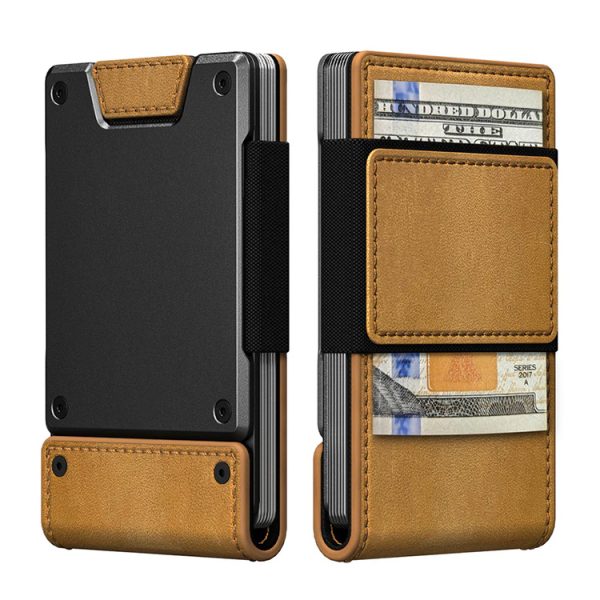
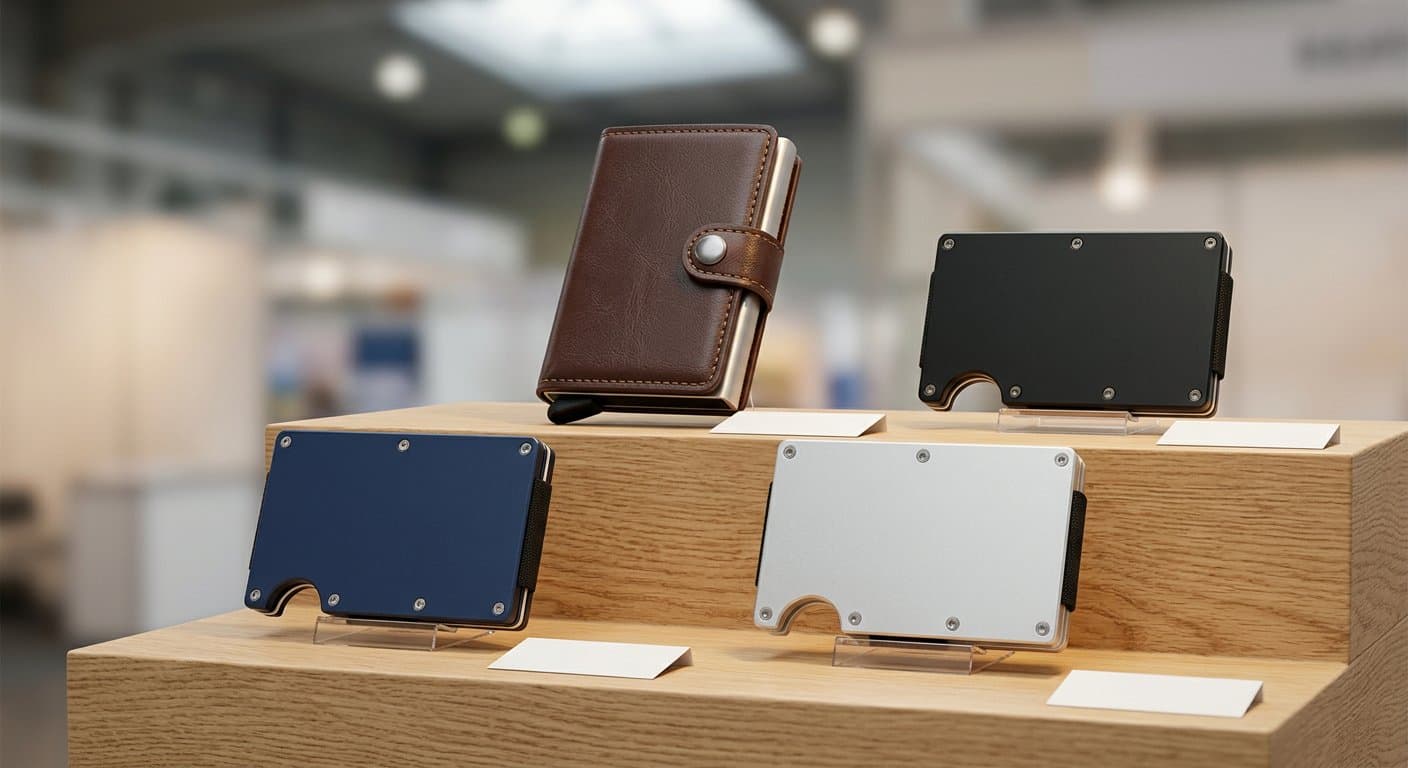
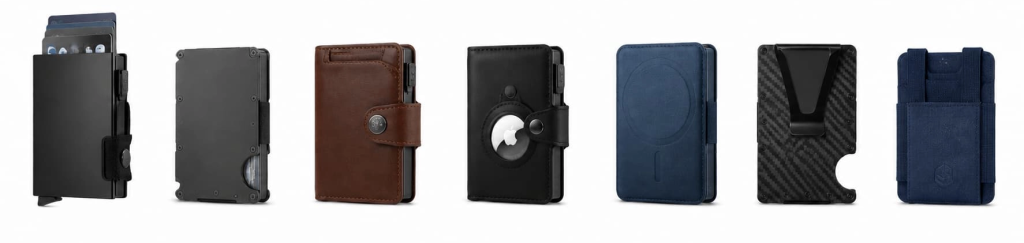
The three main wallet categories are bi-folds (traditional folding), card holders (minimalist, no cash compartment), and bumper/phone wallets (integrated with a mobile case). Each requires different materials and processes.
| Wallet Type | Primary Materials | Manufacturing Process | Typical Tolerance |
|---|---|---|---|
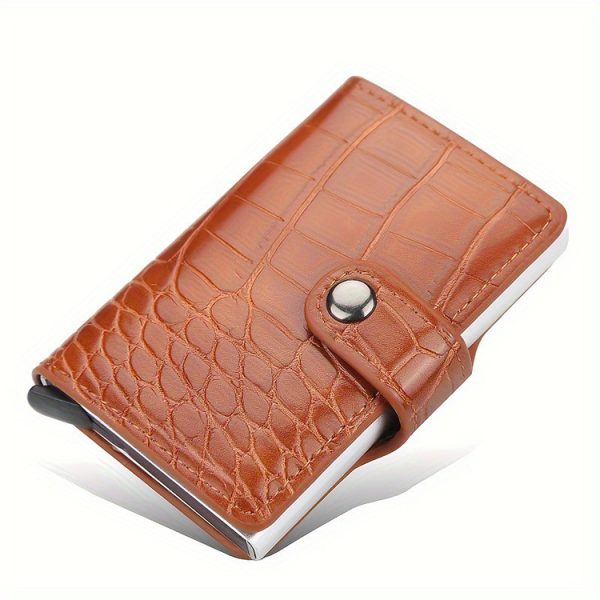
| Bi-fold | Leather, synthetic fabric | Cutting dies, stitching | ±1.0mm |
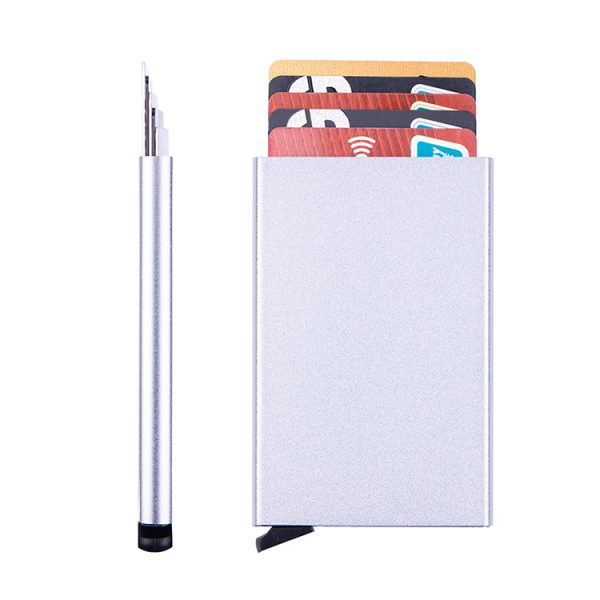
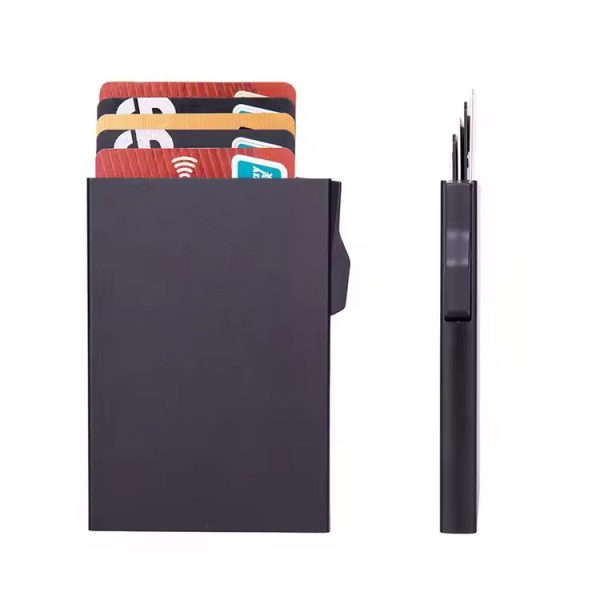
| Card holder | Aluminum, ABS plastic | CNC machining, injection molding | ±0.1mm |
| Bumper/phone wallet | Metal frame + TPU corners | CNC + overmolding | ±0.2mm |
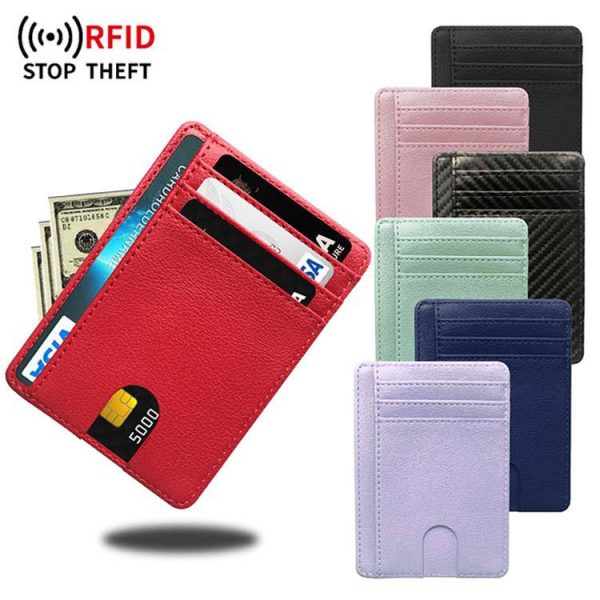
If your sketch specifies RFID blocking, the manufacturer must source metallic fabric or specialized aluminum plates that attenuate frequencies at 13.56 MHz (the standard for contactless payment). Not all aluminum blocks RFID — the alloy and thickness matter. A 0.3mm aluminum plate blocks most signals; 0.5mm is safer for high-frequency cards.
—
How Does the Engineering Process Work?
Once feasibility is confirmed, the sketch enters the engineering phase. This is where “How do I create my own wallet?” gets a technical answer.
CAD Modeling and 3D Printing
The manufacturer inputs your sketch into CAD (Computer-Aided Design) software to create a 3D wireframe. This file becomes the reference for every downstream process.
-
Plastic or hybrid wallets: SLA/SLS 3D printers produce a rigid prototype for size validation in 1–3 days
-
Metal wallets: CNC prototypes are machined from a solid aluminum block, taking 5–7 days
The CAD file also reveals hidden issues. A sketch that looks balanced on paper may have an awkward center of gravity when rendered in 3D. The engineer adjusts the design before any material is cut.
The Sketch-to-Sample Workflow
A standard OEM workflow follows four steps:
-
Sketch Submission: Buyer sends a hand-drawn sketch, PDF, or CAD file
-
Engineering Feedback: Manufacturer returns a “correction list” suggesting changes for durability and manufacturability
-
Sample Approval: Manufacturer creates a pre-production sample for physical evaluation
-
Mass Production: Production line starts only after the sample is signed off
The correction list is where experienced manufacturers prove their value. They might suggest adding a ridge for better grip, repositioning a card slot to prevent wear, or switching from leather to microfiber for better durability at the same cost.
—
Which Production Method Matches Your Sketch?
The sketch must align with the factory’s machinery. This is where “vertically integrated manufacturing” matters — a factory that owns its equipment controls quality and timelines without outsourcing delays.
CNC Machining for Metal Wallets
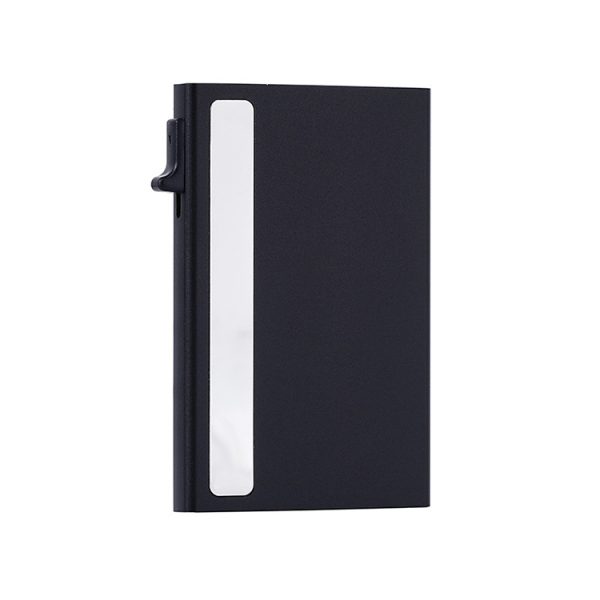
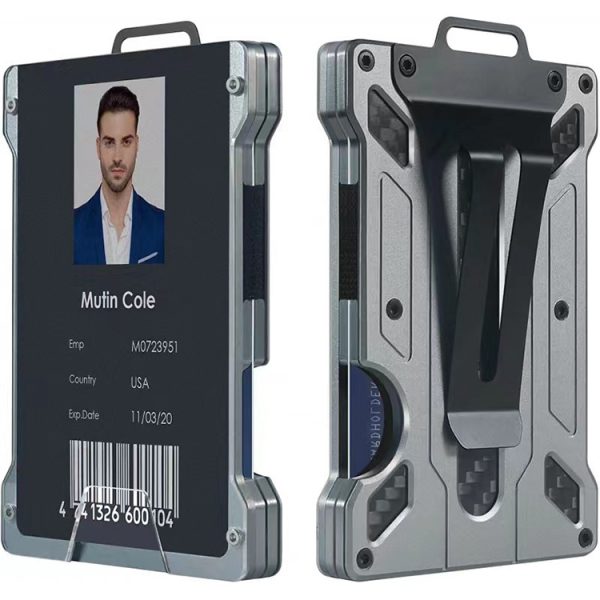
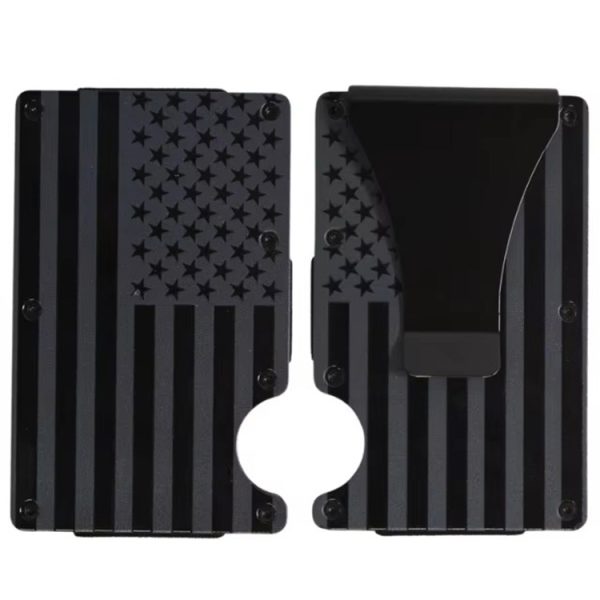
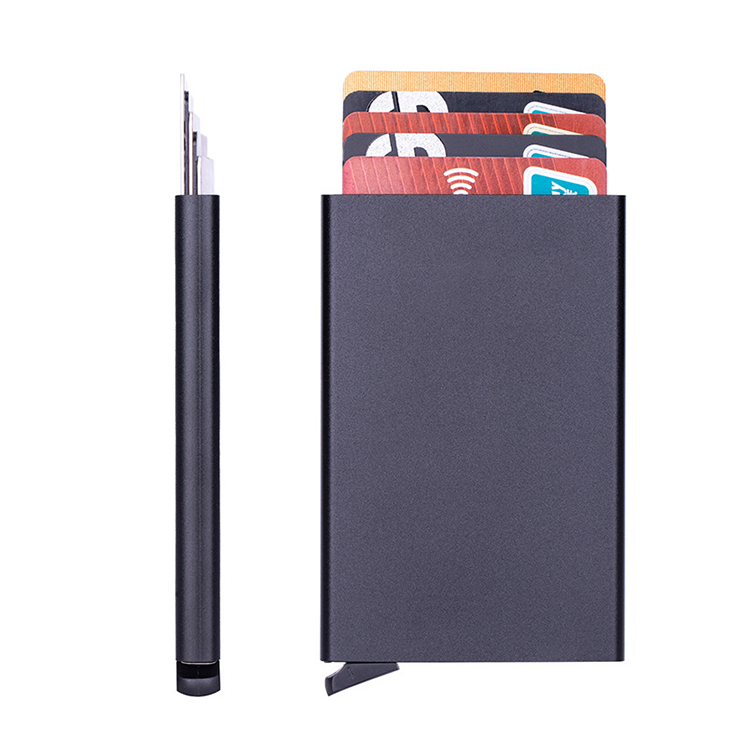
CNC milling cuts the wallet body from a solid block of aluminum or titanium. This creates a seamless, durable shell with no weak points from assembly. CNC is ideal for:
-
RFID-blocking card holders requiring precise plate dimensions
-
Minimalist metal wallets with complex internal geometry
-
Bumper guards where the metal frame must mate perfectly with TPU corners
The trade-off: CNC has higher per-unit cost than injection molding but no tooling investment. For runs under 2,000 units, CNC is usually more economical.
Injection Molding for Plastic/ABS Wallets
For high-volume, cost-effective wallets, the sketch becomes a steel mold. Tooling costs range from $3,000 to $15,000 depending on complexity. The per-unit price drops significantly after the mold is built.
This is where the MOQ is determined. Injection molding typically requires 500–1,000 units minimum to justify tooling costs. The sketch may be simple, but the mold design is complex — cooling channels, ejection pins, and gate placement all affect part quality.
Leather and Stitching (Hybrid Options)
If your sketch includes fabric or leather, the process shifts to cutting dies and stitching. This is ideal for graded card holders that require a soft touch and precise dimensions for trading cards.
Many custom wallets combine materials. A bumper guard sketch might require a CNC-machined metal frame with a TPU (thermoplastic polyurethane) insert overmolded onto the corners. This hybrid approach adds shock absorption without sacrificing the premium metal feel.
—
How Do You Protect Your Design?
The biggest fear for B2B buyers is IP theft. “If I send my sketch, will they steal it?” is the question that stops many projects before they start.
NDA Agreements
A reputable manufacturer will sign a Non-Disclosure Agreement (NDA) before reviewing your sketch. This is standard practice. The NDA should cover:
-
Confidentiality of the design files
-
Restrictions on sharing with third parties
-
Non-use clauses for the manufacturing team
The sketch should be visible only to the engineering team, not the sales staff or other departments.
The “Partners Not Vendors” Approach
A strategic manufacturer offers suggestions to improve your sketch rather than just copying it. If they suggest adding a ridge for better grip or repositioning a card slot to prevent wear, they are investing in your product’s success. This signals long-term alignment — they want repeat orders, not a one-off transaction.
—
What Does a Custom Wallet Cost?
The commercial reality involves three cost components:
-
Tooling Cost: Molds or CNC programming — one-time fee
-
Unit Cost: Per-wallet price (material + labor)
-
Packaging Cost: Custom boxes or polybags
Vertical integration reduces costs. A factory that owns its CNC machines and assembly line avoids middleman margins. This is why the same wallet might cost 20–30% less from a vertically integrated manufacturer compared to a trading company.
MOQ and Turnaround Times
Industry-standard MOQs vary by material:
| Material | Standard MOQ | Lead Time (Sample) | Lead Time (Production) |
|---|---|---|---|
| Leather | 300 pcs | 7–10 days | 15–20 days |
| Metal (CNC) | 500 pcs | 7–10 days | 20–25 days |
| Plastic (Injection) | 1,000 pcs | 10–14 days | 25–30 days |
A flexible supplier can offer lower MOQs for a pilot run — but expect a higher unit price. Testing the market with 200 units before committing to 5,000 is a reasonable strategy for first-time importers.
Realistic timeline from sketch to delivery: Sample (7–10 days) + Production (15–25 days) + Shipping (5–10 days) = 27–45 days total.
—
Questions to Ask Before Ordering
Before sending your sketch to any manufacturer, run through this checklist:
-
Do you own your CNC machines? If not, who controls the tolerances?
-
What is your DFM review process? Do you provide a correction list before production?
-
What certifications do you hold? ISO 9001 for quality management is the baseline
-
Can you provide a pre-production sample? Always — never skip this step
-
What is your defect rate target? Industry standard is under 2% for metal wallets
-
How do you handle returns on defective units? Replacement or credit?
Avoid Suppliers Who…
-
Refuse to sign an NDA — this is a red flag for IP protection
-
Quote without asking about your sketch’s material — they are not doing feasibility analysis
-
Guarantee impossibly fast turnaround — 5-day production from sketch is unrealistic for metal
-
Cannot explain their tolerance specifications — precision claims without numbers are marketing
—
How We Meet These Standards
As a professional manufacturer in China with 14 years of experience, our approach follows the framework above. We operate with in-house CNC machining, which means when you send us a sketch for a metal or RFID-blocking wallet, we control the tolerances and quality checks on-site — no outsourcing, no middleman margins.
Our 300,000+ monthly production capacity ensures that once your sketch is approved, we have the bandwidth to scale from prototype to bulk orders without delays. We specialize in turning sketches into:
-
RFID Wallets: We integrate blocking materials directly into the CNC shell, verified at 13.56 MHz
-
Key Organizers: Complex folding sketches become durable metal frames
-
Graded Card Holders: Precise dimensions for trading cards, with tolerances of ±0.1mm
-
Bumper Guards: Metal frames combined with shock-absorbing TPU corners
We offer both OEM (we build exactly to your sketch) and ODM (we add our engineering expertise to improve your sketch). We ship worldwide to brands, wholesalers, and top online sellers — your sketch becomes a global product.
—
How to Start Your Project
-
Send your sketch or idea via our contact form
-
Receive engineering feedback within 24 hours
-
Approve the 3D rendering and sample
-
Start mass production
—
Common Questions About Custom Wallet Manufacturing
What is a drawing wallet?
In the industry, a “drawing wallet” refers to a custom wallet concept provided as a technical drawing or sketch. It is not a product type but a design stage where the manufacturer takes the client’s 2D drawing and develops it into a physical prototype.
How do I create my own wallet?
Start with a detailed sketch specifying materials (leather, metal, plastic) and card capacity. Partner with a manufacturer who converts that sketch into a CAD file, produces a prototype, and mass-produces it. For B2B buyers, working with a factory that offers OEM services is the most efficient route.
What are the three types of wallets?
The three main structural types are: bi-folds (traditional folding), card holders (minimalist, no cash compartment), and bumper/phone wallets (integrated with a mobile case). Each requires different manufacturing processes — stitching for leather, CNC molding for metal, and overmolding for hybrids.
What materials are used to make personalized wallets?
Full-grain leather, aluminum alloy (for RFID blocking), ABS plastic (for durability), or a combination of metal and TPU (for bumper cases). The material choice depends on the sketch’s design and the desired level of protection. Aluminum alloys like 6061-T6 offer the best strength-to-weight ratio for metal wallets.
Can I start with a low MOQ for a test run?
Yes. While standard MOQs for metal wallets might be higher due to CNC setup costs, many flexible manufacturers offer lower MOQs for initial pilot runs to validate the market before scaling to full production. Expect a 10–20% higher unit price for pilot runs under 300 pieces.
How long does it take to get a sample from a sketch?
Typically 7–10 working days after the sketch is approved. This includes CAD rendering, material sourcing, and prototype machining. If your sketch requires custom tooling (injection molding), add 10–14 days for mold fabrication.
—
Decision Guide
Choose a vertically integrated manufacturer if:
-
Your wallet design requires tight tolerances (±0.1mm or better)
-
You need consistent quality across large production runs
-
You want faster turnaround without outsourcing delays
Choose a trading company if:
-
You are sourcing very small quantities (under 100 pieces)
-
You need help sourcing multiple different products in one order
-
You prioritize price over quality control